Connecticut Safe WATERSKIING
Endorsement Course
Who needs a Safe Waterskiing Endorsement?
If you are towing a skier or other tower device in Connecticut you must complete this course. You must also be at least 16 years of age and possess a valid boating safety certificate. BOATERexam.com® is a delegated provider for the Connecticut Department of Environmental Protection.
$9 pay when you pass
Returning user? Log in here

Approved by the
Connecticut Department of Environmental Protection
Over 2,000,000 boating students certified and counting:
BOATERexam.com has a TrustPilot rating of 4.7 out of 5 based on 17707 ratings and reviews.
Who needs a Safe Waterskiing Endorsement?
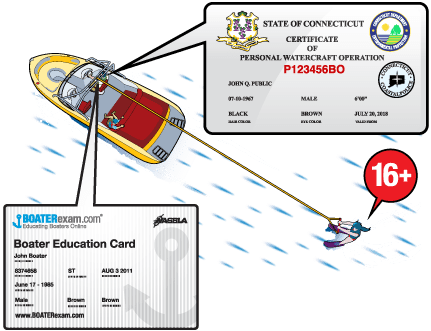
In order to operate a vessel that is towing a water skier or other towed device, the operator must:
- Be age 16 and older, and
- Possess a valid Safe Boating certificate or Certificate of Personal Watercraft from Connecticut, a valid boating certificate from a reciprocal state with Connecticut or a Coast Guard License, and
- Possess a Connecticut Safe Waterskiing Endorsement, if they obtained their boating certificate on or after October 1, 2015.
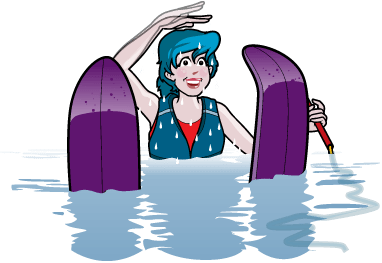
Detailed illustrations make theories clear
Incredibly detailed illustrations capture and focus key learning objectives. Theories that would appear complicated or unclear in real-life, in real-time, are highlighted and isolated in ways that show exactly what's going on.
You control the experience, you control the pace

Take all the time you need, or speed right through! Having a tough time? Take a break, and come back to it fresh later. Log back in and complete a section on the bus, while you're waiting in line, at home or wherever you have the time and can get connected.
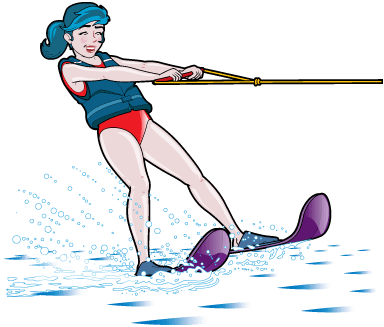
Sit back, relax, and let the fully narrated course pull you along
Have the narration guide you, or turn it off and read on your own. The choice is yours. Kick off a ski and get active, or hold steady and listen as the voiceover takes you on a relaxing tour.
Mobile Optimized
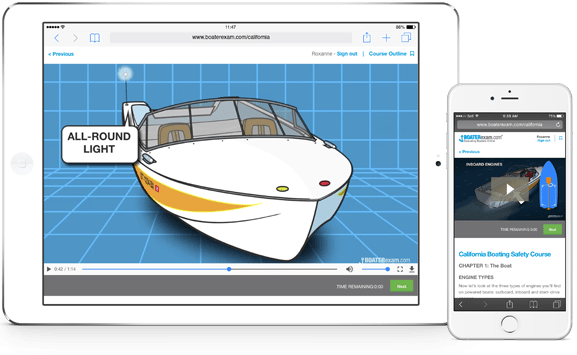
Study on Any Device
From laptop to mobile phone to tablet, choose when and where to take your Connecticut Safe Waterskiing Endorsement Course.
Visual Exam Questions
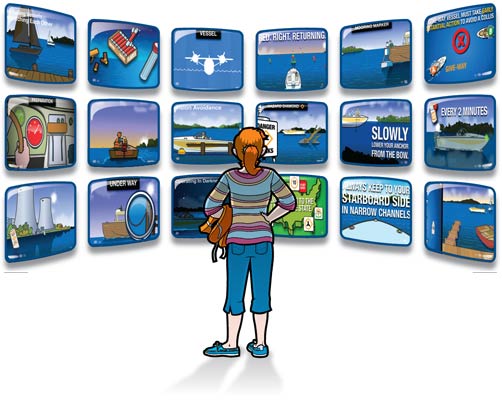
Visual Exam Questions Help You Learn
We found out a long time ago that people learn best when they can see what they're learning. Shouldn't you be tested the same way? Every one of our exam questions is illustrated to help you during your course.
Engaging Videos
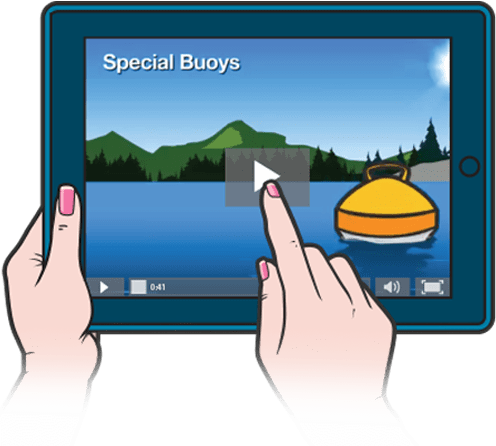
Hundreds of Engaging Videos
Our Connecticut Safe Waterskiing Endorsement Course features hundreds of rich engaging boating videos and animations. That means you aren't just reading: You're watching, listening and learning.
$9 pay when you pass
Returning user? Log in here

Protect your on-water adventures
Relaxing on the water is easy when you’re protected with a leader in boat insurance. Progressive has the coverages you need to explore carefree and full of adventure! Discover how we can protect your boat today with coverage we offer to the 1 million+ watercraft we already insure.
Get a Quote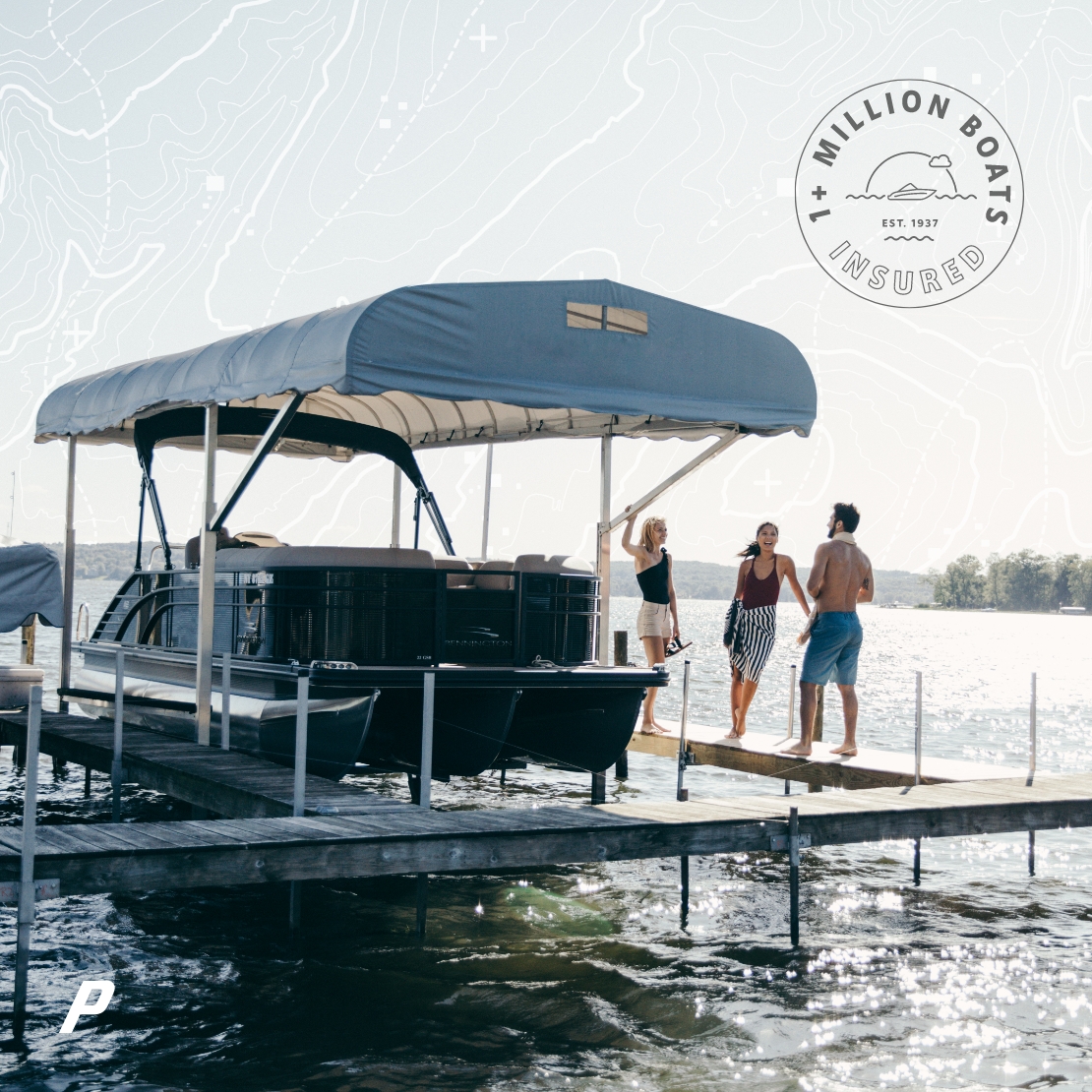

FAQs about getting a Connecticut Boating License
Below are some common questions about safe boating rules & regulations.
Q.
How much does the Connecticut Safe Waterskiing Endorsement Course cost?
A.
Q.
What payment methods are accepted?
A.
Q.
What is the "Temporary Safe Waterskiing Endorsement"?
A.
Q.
What is the permanent Connecticut Safe Waterskiing Endorsement?
A.
Q.
I do not have a driver's license. Can I still get the Connecticut Safe Waterskiing Endorsement?
A.
Q.
How can I get my Connecticut boating license?
A.
You can obtain your Connecticut Safe Waterskiing Endorsement in 4 easy steps:
- Study the Connecticut Safe Waterskiing Endorsement Course
- Pay the one-time fee of $9.00 only when you pass the final exam
- Print your Temporary Safe Waterskiing Endorsement immediately
- Retrieve your Connecticut Safe Waterskiing Endorsement from the Online Sportsmen Licensing System
Q.
How long is the Connecticut Safe Waterskiing Endorsement good for?
A.
Q.
Is anyone exempt from obtaining the Connecticut boating license?
A.
Q.
Is there a time limit to complete the online course?
A.
Q.
How many questions are on the exam?
A.
Q.
What is the passing grade?
A.

Need Help? Visit the BOATERexam.com® Help Center
The BOATERexam.com® Help Center is the place to find answers and solutions to your questions.
We've helped over 2 million people get certified online. So, we know what it takes.