Safe Boat Docking Tips After a Day on the Water

After spending the day on the water, docking your boat safely is a successful way to end the day.
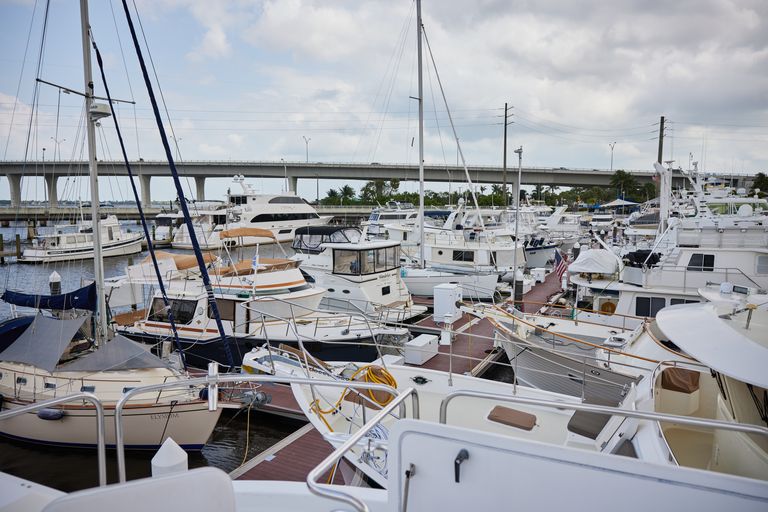
It's the last part of the adventure, and you might be tired and ready to go home. The dock could be busy, too, or maybe marine warning flags are showing that the weather is starting to turn bad, and you want to get out of the water as soon as possible.
However, with some pro boat docking tips, you can protect your watercraft, watch out for others, and get your vessel docked efficiently. That makes it easier to fuel your boat, load it onto a trailer at the ramp, or perform minor maintenance or repair tasks before heading home.
Here's what you should know about docking your boat.
Why Docking (Safely) Matters
Docking can be one of the most stressful parts of your boating adventure, especially at the end of a long day when you're tired from the heat and sunshine. Good docking practices are crucial, though, to prevent damage to your boat, other vessels, and the actual dock itself.
You should know how to dock with a crew and also how to do it solo, so you're prepared for a variety of different situations. This knowledge will reduce risk and help you get your boat docked in all kinds of conditions.
Plan Before You Approach
One crucial aspect of docking your boat safely is to know the conditions you're coming into. For example, the changing tides, currents, and wind direction can all impact the approach you make and what adjustments are needed.
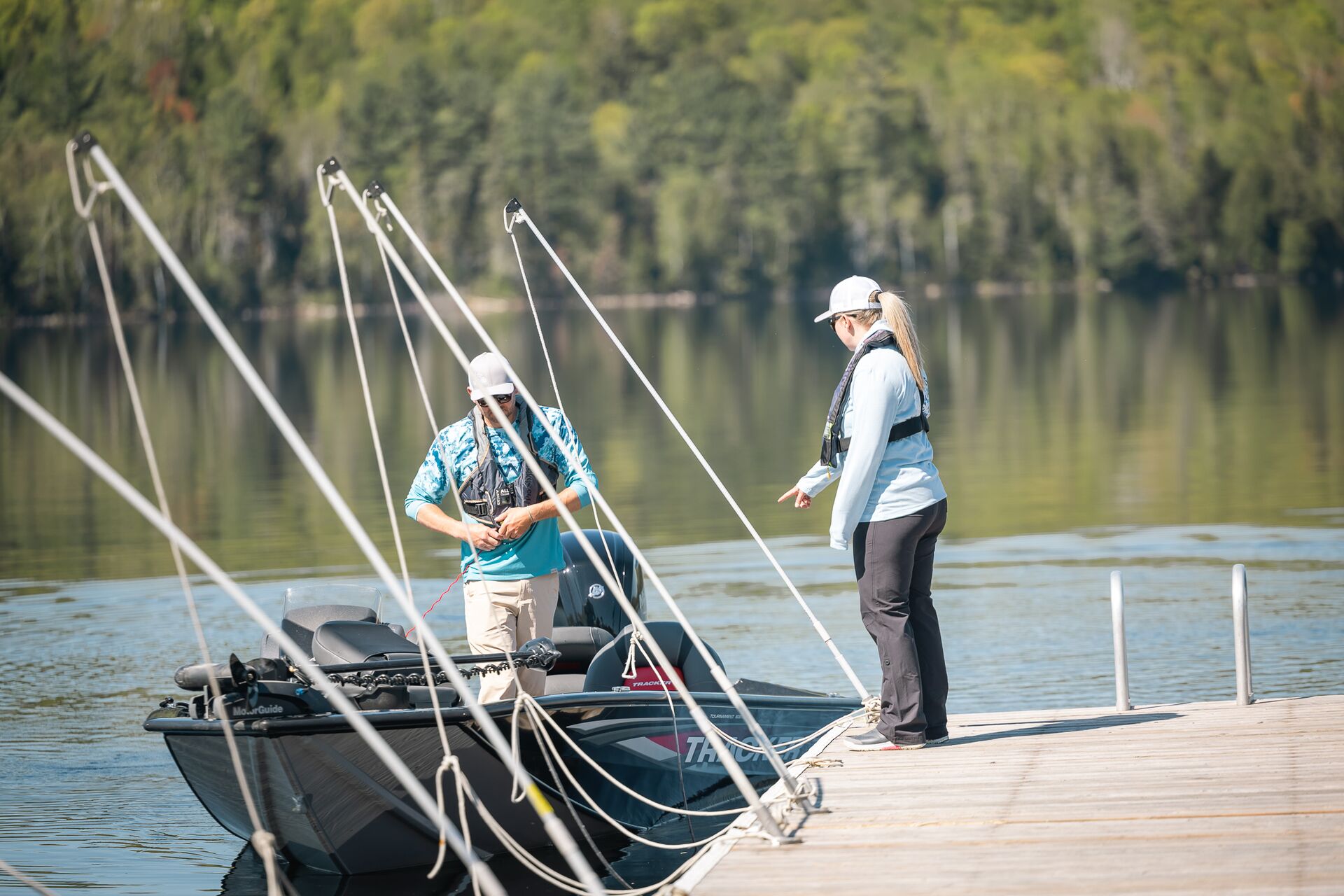
If you have a crew with you, assign roles so that everyone involved knows who's handling fenders and lines. As you come toward the dock, visualize the approach and identify the pilings and cleats you'll need to use. Doing this helps you feel more confident and reduces the potential of mistakes or confusion.
Go Slow, to Avoid Hitting the Dock
The saying "speed kills" is typically used in reference to the loss of life in deadly accidents, but it's also applicable to the damage that can be done to fiberglass and other materials used in boats.
To stay safe, approach the dock at idle speed and keep complete control of your vessel.
You can maneuver your boat with short bursts of the throttle and use neutral frequently. This allows you to readjust quickly and calmly, helping to control drift.
Use Fenders and Dock Lines in Advance
Before you get near the dock:
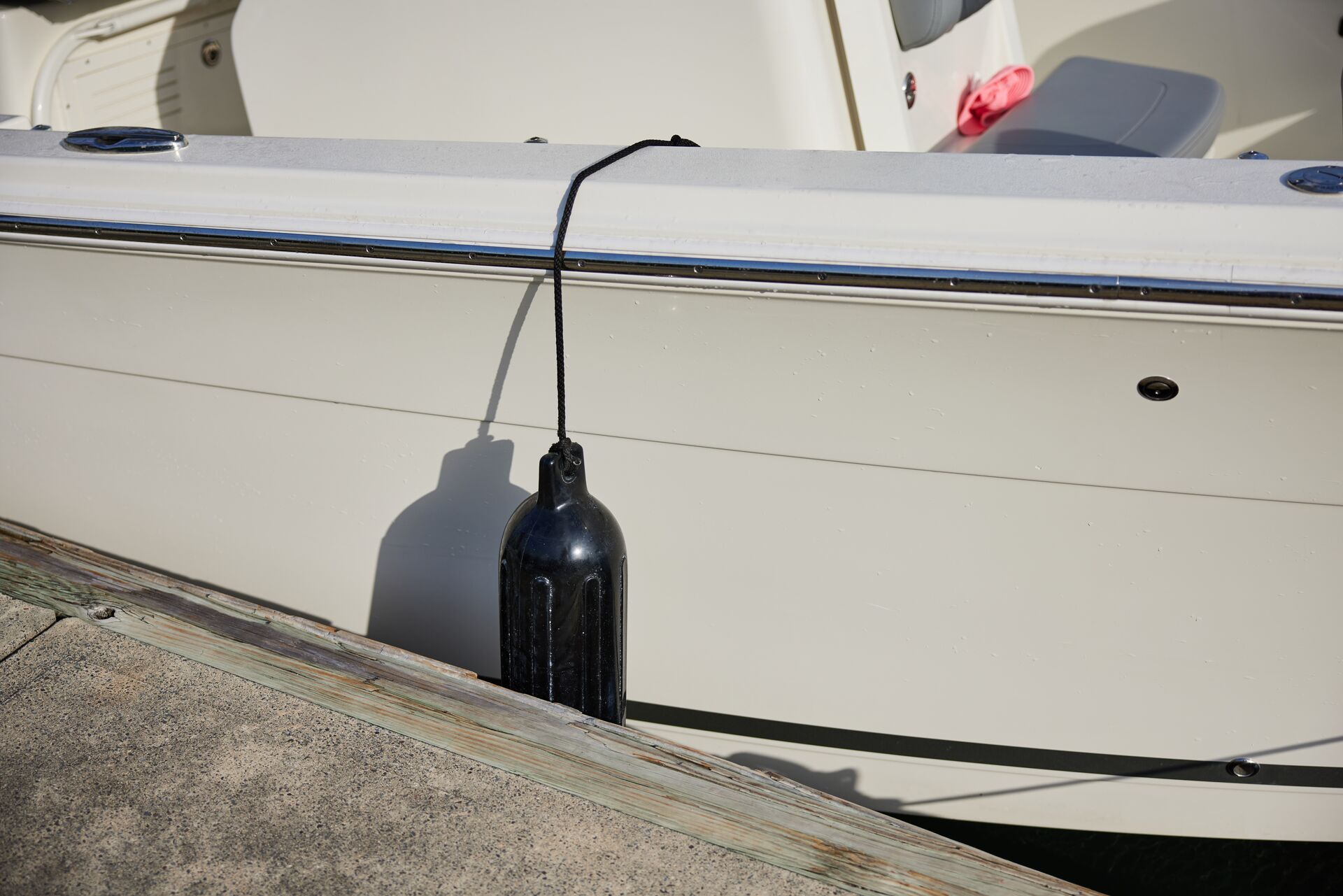
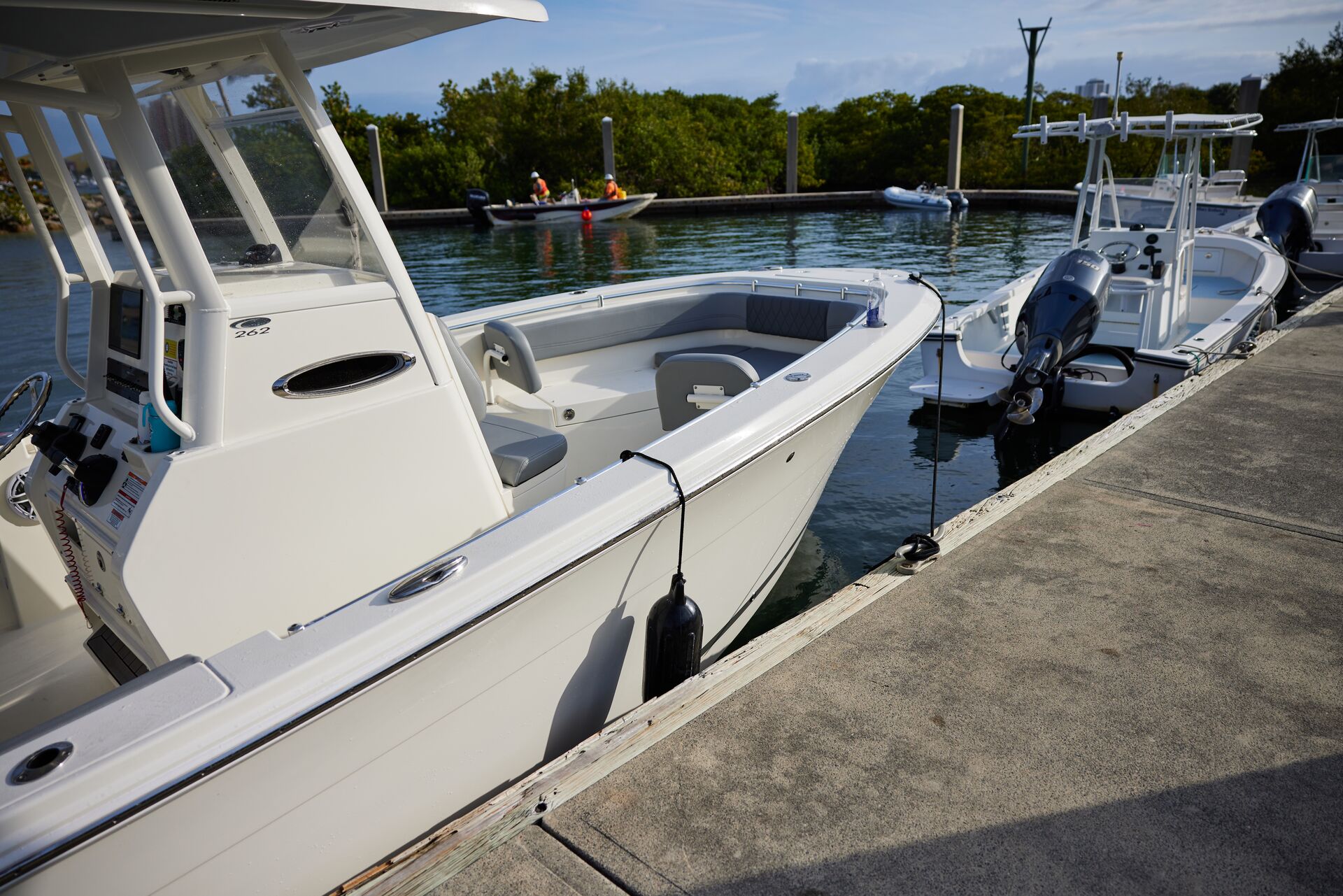
- Place fenders on the side of your boat where you plan to tie up.
- Get your dock lines ready and secure them to your boat's cleats.
- Ensure lines are correctly coiled, so they're easy to hand off or throw to someone.
These boat docking tips will help you be more efficient and reduce your chances of having a reportable boating accident due to a lack of preparedness.
Adjust to Wind and Current
If the wind is pushing you toward the dock, let it help you. Bring your vessel in slowly and work with the wind to guide you.
However, for days when the wind is pushing you away from the dock, you'll need to account for drift and use a steeper angle as you make your way in.
Use Ideal Docking Angles
Choose a 45-degree angle approach for most docking situations.
To do that, steer toward the dock and shift your vessel into reverse just before making contact to stop your boat. Then, straighten it out and use reverse steering to bring the stern in close to the dock once you secure the bow.
Use Spring Lines to Help Secure the Boat
When possible, you should attach a midship spring line first. Doing this will help stop the boat from moving backward or forward.
Then, it's easier to use the bow and stern lines to secure the boat fully.
How to Dock a Boat By Yourself
Plenty of boat adventures take place without a crew to help you launch and dock. Learning how to dock a boat by yourself is a valuable skill, and it's not difficult if you've had some practice.
Here's how to do it.
Prep Everything First
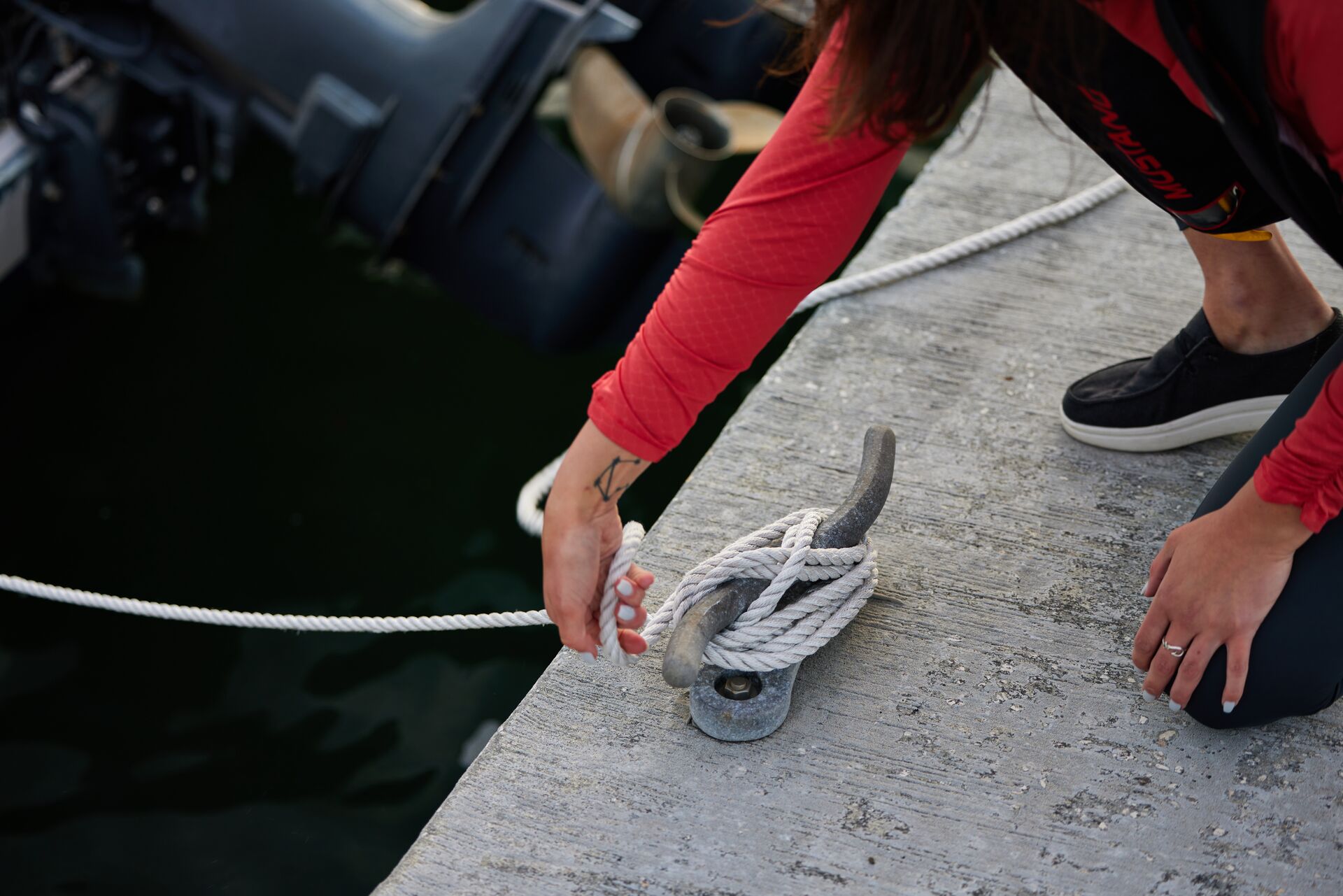
Place your fenders and lines where they need to be, which is generally at the midship, bow, and stern positions. Leave your lines coiled and make sure you can easily reach them from the helm.
Use the Midship Cleat and a Loop
Tie a dock line to the cleat at midship and leave a large loop at the other end of it. When you approach the dock, briefly step off with the loop in your hand, put it over a cleat on the dock, and use the line to control the boat.
Once it's stable, you can tie off your stern and bow lines.
Use Wind and Current to Your Advantage
If weather conditions are pushing your boat off the dock, choose a bow-in position. Then, let the spring line hold your boat while you move to tie the stern.
When you need to dock stern-in, slowly reverse into position and use wheel control or side-thrust to pivot your vessel into place.
Practice Makes Perfect
Take some time to practice docking solo in calm conditions. You don't want your first try at a solo docking experience to be on a busy Saturday afternoon, as that can be stressful and also raise your risk of an accident.
Always Be Courteous at the Dock
Courtesy at the dock is essential. Make sure you don't block the ramp or fuel dock for longer than necessary.
Stay aware of other boaters who might be waiting. If possible, have your lines and gear ready before you reach the dock, and be sure to thank anyone who helps you tie up.
Use These Boat Docking Tips and Boater Education for Safe Fun on the Water
You can't end a day on the water with your boat still out on the lake! Docking is a crucial boating skill that boat operators must master.
With some practice and patience, along with a bit of preparation, you can dock and get your boat out of the water with confidence (every time).
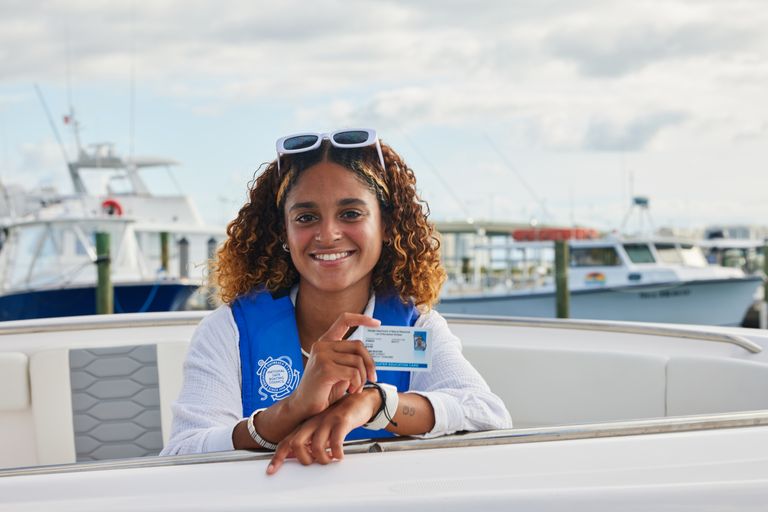
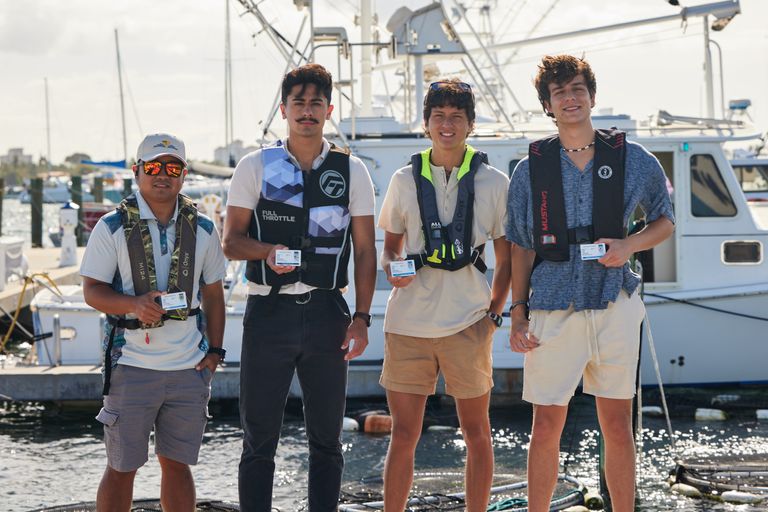
To make your time on the water and at the dock even safer, make sure you've taken a boater education course. With an online course through BOATERexam, you'll learn about navigation, safety equipment, etiquette, and more! Our courses deliver everything you need to know to stay safe and meet the boater education requirements for your state (when boating in the U.S.) or Transport Canada (for boaters in Canada).
Make every boating and docking adventure a safe one!
Take the BOATERexam course for your state or choose our Canadian course to boat on Canada's waterways.
Frequently Asked Questions (FAQs)
We have answers to your questions about how to dock a boat!
1. What’s the most important thing to remember when docking a boat?
Go slow! Only go as fast as you’re willing to hit the dock. Control and precision matter much more than speed.
2. How should I approach the dock?
Approach at a shallow angle (30-45 degrees). This allows you to adjust easily and pivot into place.
3. Should I use the wind or current when docking?
Yes! Work with the current and wind (not against them). Let the wind and current help guide you in rather than fighting them.
4. When should I use docking lines and fenders?
Have these things ready before you approach the dock. This helps you secure the boat quickly and prevent damage.
Take the BOATERexam course for your state or choose our Canadian course to boat on Canada's waterways.