Canoe vs Boat Life Jackets: Which PFD Do You Need?
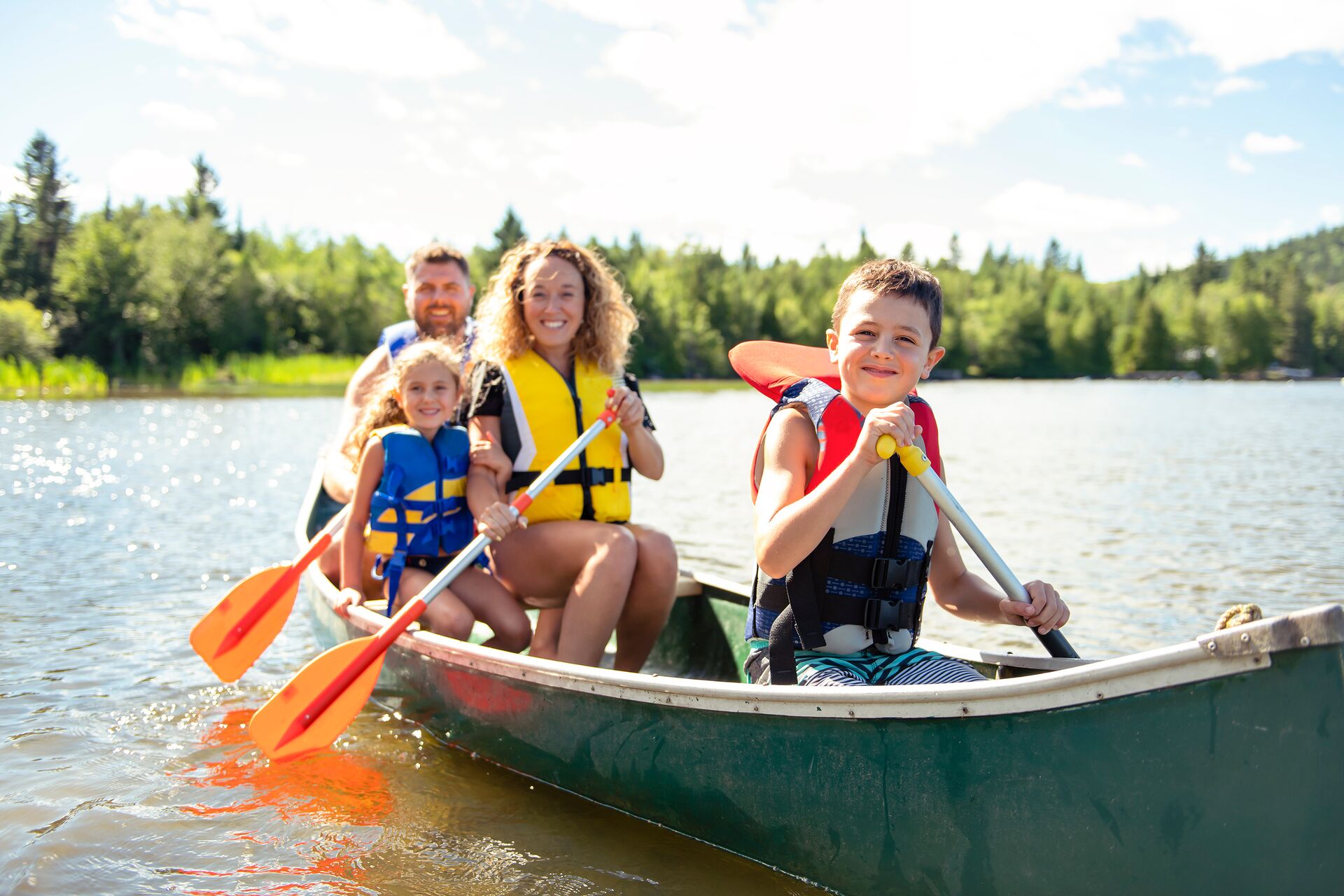
The type of life jacket you need depends on your activity and water conditions. Canoeing typically requires a Type III or Type V PFD for mobility and comfort while paddling, while general boating may require Type I, II, or III life jackets depending on water conditions and rescue likelihood.
Wearing a life jacket is crucial, no matter what kind of vessel you choose when you're on the water. These personal flotation devices (PFDs) ensure safety when engaging in water-related activities. Whether on a boat, in a canoe, or skating across the waves on a jet ski, you must be protected.
Here's what to consider when choosing the proper lifejacket for a day on the water in a canoe compared to operating a boat.
| Canoe vs Boat Life Jackets — Quick Facts | ||
| Best Canoe Lifejacket Type III or Type V | Best Boating Lifejacket Type I, II, or III | PFD Wear Required on Canoe No, but highly recommended |
On This Page
- What Are the Best Life Jackets for Canoeing?
- What Are the Best Life Jackets for Boating?
- Understanding Life Jacket Types and Buoyancy
- Do I Need Different Lifejackets for Different Activities?
- A Life-Saving Lifejacket Story
- Regulations and Standards
- Proper Fit and Maintenance
- Personal Preference and Usage
- Put Safety First
- Learn More About Canoe vs Boat Life Jackets with Boater Education
- Frequently Asked Questions (FAQs)
What Are the Best Life Jackets for Canoeing?
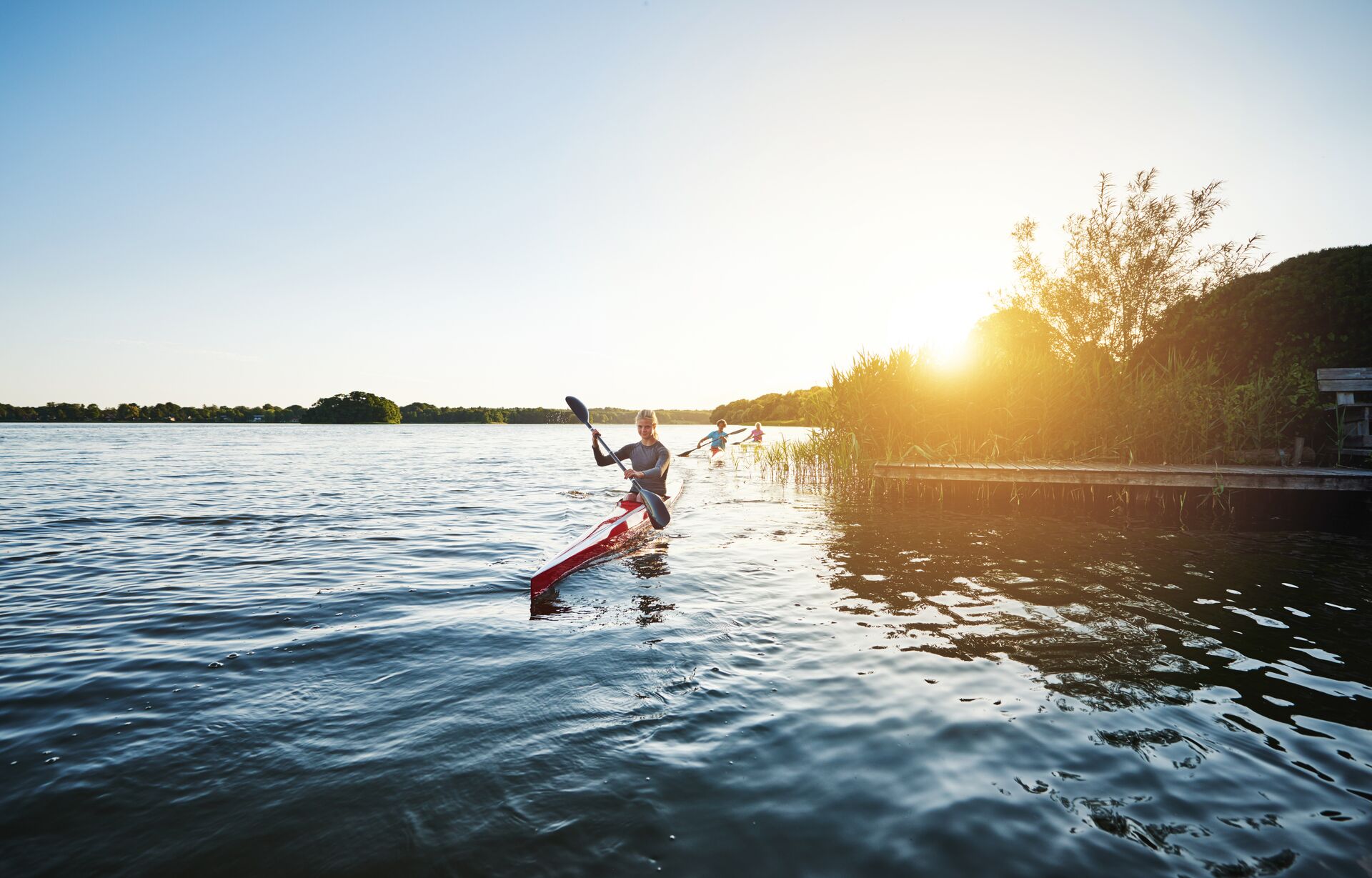
Canoeing requires a life jacket that offers mobility and comfort since you'll be paddling.
Most people choose Type III or Type V personal floatation devices for canoeing because they provide freedom of movement and are designed for calm, inland waterways, where you'll likely be rescued quickly.
When choosing a PFD, look for multiple adjustment points, large armholes, and pockets that give you easy access to gear. Be sure it also fits snugly.
What Are the Best Life Jackets for Boating?
You want a jacket with higher buoyancy for boating. That's especially true in larger bodies of water, where it could take a while for help to arrive. If you're somewhere that could mean a long time for a rescuer to reach you, added buoyancy is a crucial part of your life jacket choice.
Generally, the best life jackets for boating are Type I or Type II jackets. However, if you're wakeboarding, waterskiing, or engaging in other specialized activities, you might need a jacket focused on impact protection instead.
Understanding Life Jacket Types and Buoyancy
When choosing the right jacket for your adventures on the water, consider two specific areas: the type of life jacket and the buoyancy rating.
Types of Life Jackets — Quick View | ||
| Type I Rough Waters and Remote Areas. Turns wearer face up. | Type II Calmer Inland Waters. Likely to turn wearer face up (but not guaranteed) | Type III More comfortable. For water activities where quick rescue is possible. Good for canoeing. |
| Type IV Cushions and throwables. Not worn. | Type V Canoeing, kayaking, waterskiing, windsurfing, etc. | |
What Are the Types of Life Jackets?
There are several types of personal floatation devices, including Type I, II, III, IV, and V.
| Life Jackets By Type | |
| A Type I jacket is designed for use in rough waters and remote areas, where you may need to rely on it for hours before being rescued. It's bulkier than other options, but it's very buoyant, and it'll turn the wearer face up if that wearer is unconscious. | 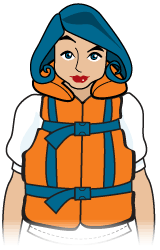 |
| The Type II jacket is intended for much calmer inland waters. It's not as bulky and should be used in areas where you're more likely to be rescued faster. While it might help turn a wearer face-up, that's not guaranteed. | 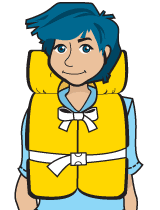 |
| A Type III jacket is much more comfortable than a Type I or II jacket, and it's made for water activities in places where a quick rescue is expected. These jackets are also designed to help you paddle or swim with little resistance, so that you can wear the life jacket for a long time with fewer issues. | 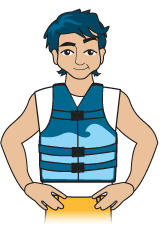 |
| Type IV floatation devices include cushions and throwable rings, and | 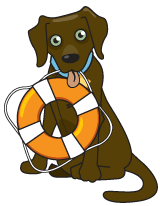 |
| Type V jackets are best for kayaking, waterskiing, and windsurfing to comply with U.S. Coast Guard regulations. | 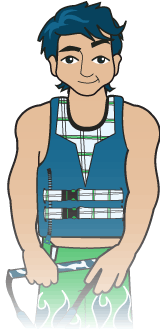 |
What Are Buoyancy Ratings for PFDs?
Proper buoyancy matters for any life jacket to work properly based on your water activities.
PFD buoyancy ratings typically range from 50N to 275N (Newtons) or about 15.5 to over 33 pounds of buoyancy, depending on usage. Higher numbers indicate more lift.
- 50N is for near-shore
- 150N+ is for offshore/rough water
Most recreational foam vests (Type III) provide at least 15.5 lbs of buoyancy for adults.
The buoyancy rating isn't the same for every jacket. Select the PFD that provides adequate support for your specific activity while allowing as much freedom of movement as possible.
Do I Need Different Lifejackets for Different Activities?
Generally, yes! Every kind of adventure on the water has specific safety requirements. Understanding and following those requirements is essential.
You want to protect yourself and others around you, which is far easier when you have the proper guidance and gear, including the best type of life jacket for your specific activity.
A Life-Saving Lifejacket Story
Kelly Liles is an avid canoer and kayaker. She shares a story of why it's so important to wear a lifejacket when on a canoe!
She says:
"While on a week-long canoe trip on the National Buffalo River in Arkansas with my outdoor youth group in Explore Austin, we expected the best and prepared for the worst.
We had practiced our canoe skills for 9 months in various Central Texas rivers leading up to our trip. Not once had we had a capsized canoe in the various drills we practiced going down rapids, over rocks, and navigating bends. Even still, we practiced what to do in the event of a capsized boat and how to stay safe.
After a 12-hour drive and a good night's sleep, we made it to our put-in spot. A week's worth of food, clothes, tents, and more were strapped down in each two-person canoe, and we set off down the Buffalo. Our most adventurous youth duo led the way and we called out reminders about paddling strokes, upcoming navigation directives, and to keep communicating with your partners.
It wasn't long until the reality of these reminders would be made after our leading canoe attempted the very first bend of our journey. The current increased, and the tail of their canoe started spinning out from behind them. Not only that but there was a large tree trunk submerged in the water they must avoid.
A quick panic of strokes and the canoe flips with both paddlers in the water, canoe and gear capsizing. While both paddlers were good swimmers, their life jackets kept them afloat while the canoe knocked against them as it continued down the river.
Our group proceeded to run a rescue mission to retrieve the shocked but uninjured paddlers and the rogue canoe. Once everyone was safe ashore, and canoe and gear were retrieved, we looked our group in the eye to make sure everyone felt safe to continue on.
With a confident "yes," we proceeded to journey downriver and have one of the best weeks of our lives, sans one shoe and any additional capsized boats."
Know the Regulations and Standards
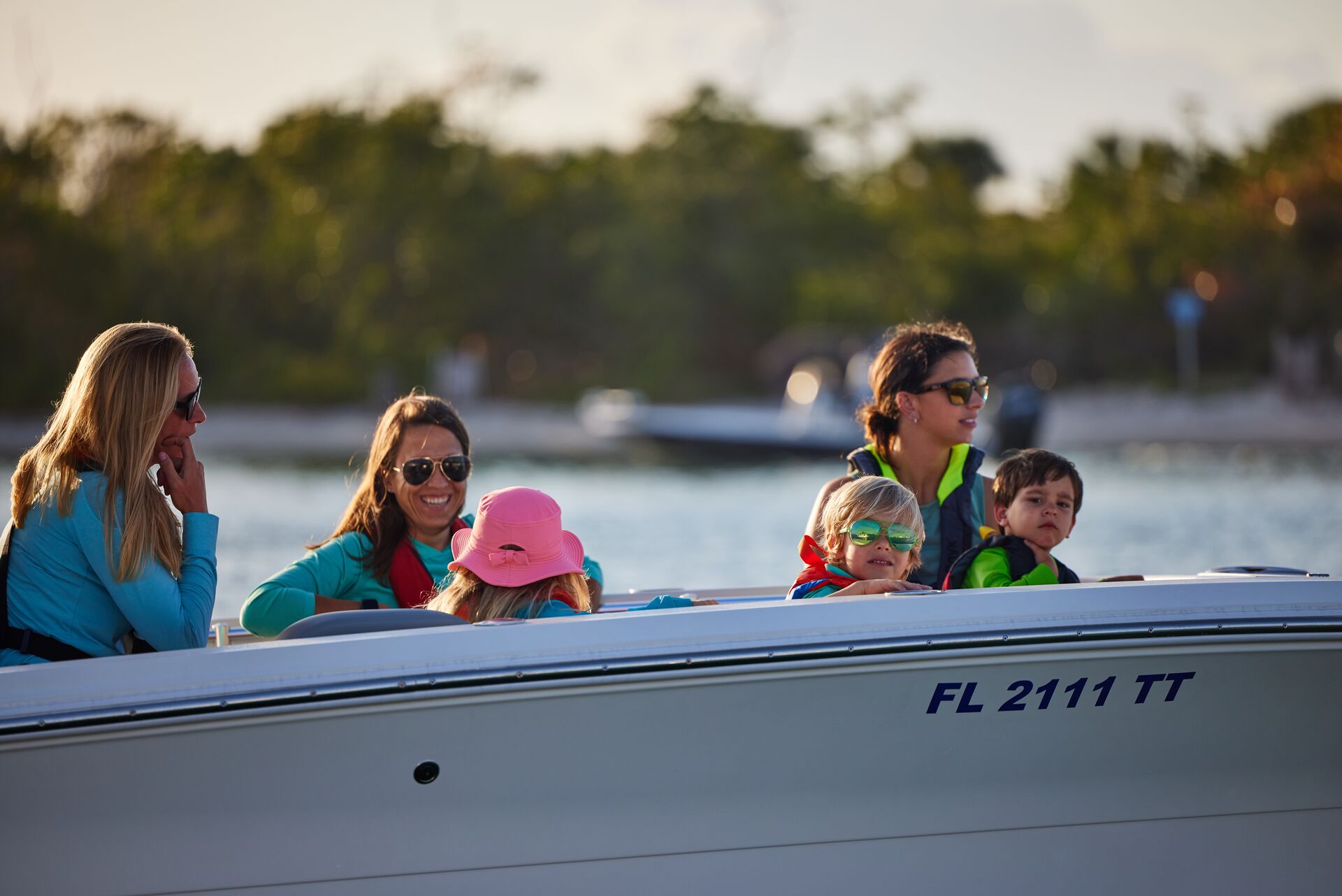
Legal requirements also matter when choosing a life jacket for your canoe or boat adventures. These requirements can differ depending on where you are, so take the time to ensure you understand what's required for your location and follow the rules for safer boating.
Part of those requirements involves the certification standards for any life jacket you choose, such as U.S. Coast Guard (USCG) or Transport Canada-approval. This ensures that your jacket meets stringent safety criteria and will fully protect you.
Additionally, states or Canadian provinces may have specific regulations for life jacket use.
Understand Proper Fit and Maintenance
A properly fitting life jacket is vital for comfort and safety. You must ensure you choose the right size for your frame and body type and know how to adjust it correctly for the best overall fit.
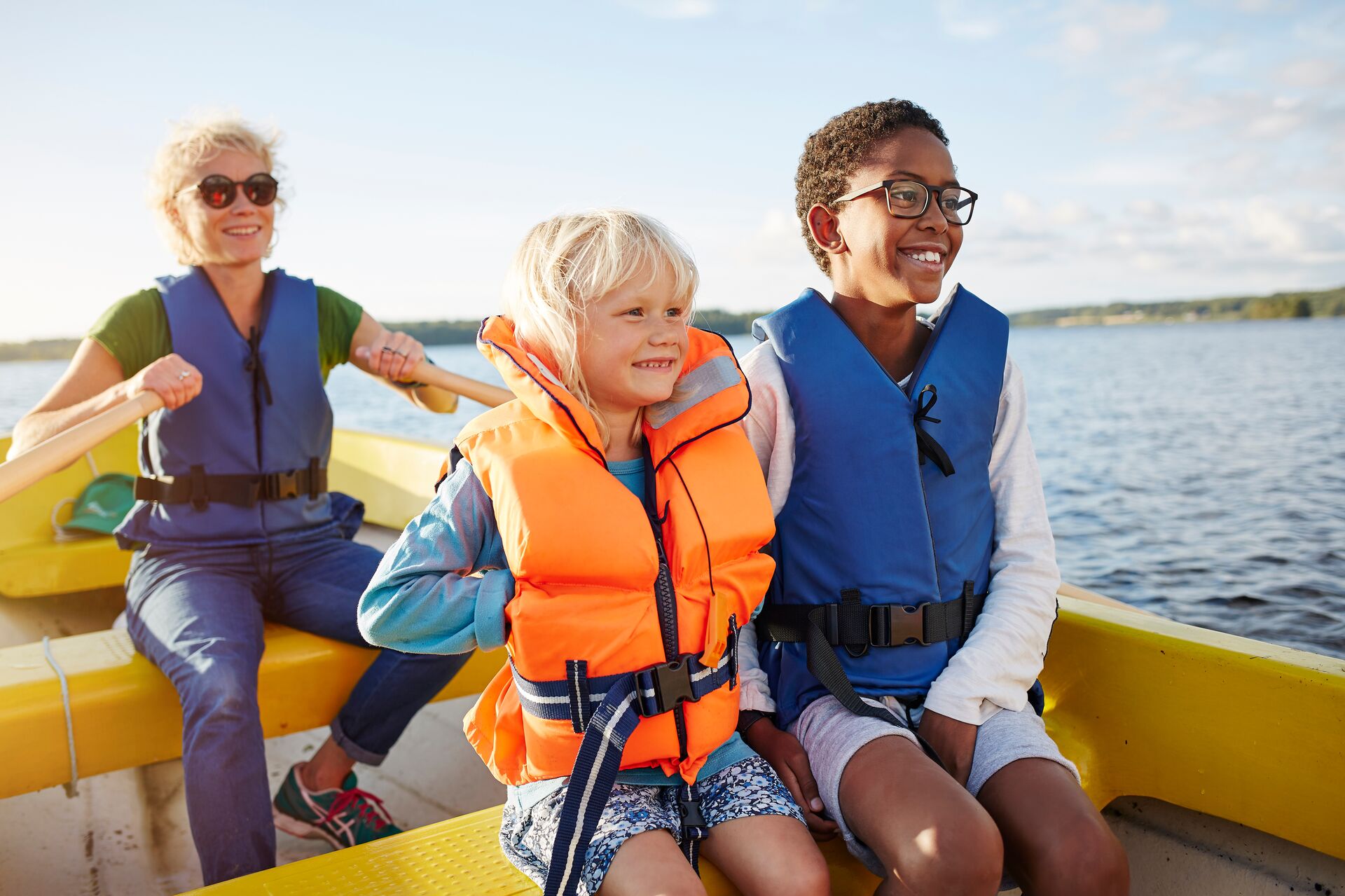
You must also regularly maintain and inspect your jacket to ensure it's in good condition.
Test its buoyancy and also check for wear and tear before heading out on the water for your first adventure of the season.
Prioritize Personal Preference and Usage
In addition to everything we've mentioned today as guidance toward the best lifejacket for your activity, your personal preference also matters.
The best life jacket is the one that's right for the way you'll use it and the one you like the best.
It should be comfortable and meet your preferences, but it should also be the best type for boating or canoeing adventures.
Put Safety First
Remember that safety should always come first when you're on the water.
Investing in a good-quality, appropriate life jacket is crucial for any water activity and should always be on your safety equipment list when preparing for a boating or canoeing excursion.
Learn More About Canoe vs Boat Life Jackets with Boater Education
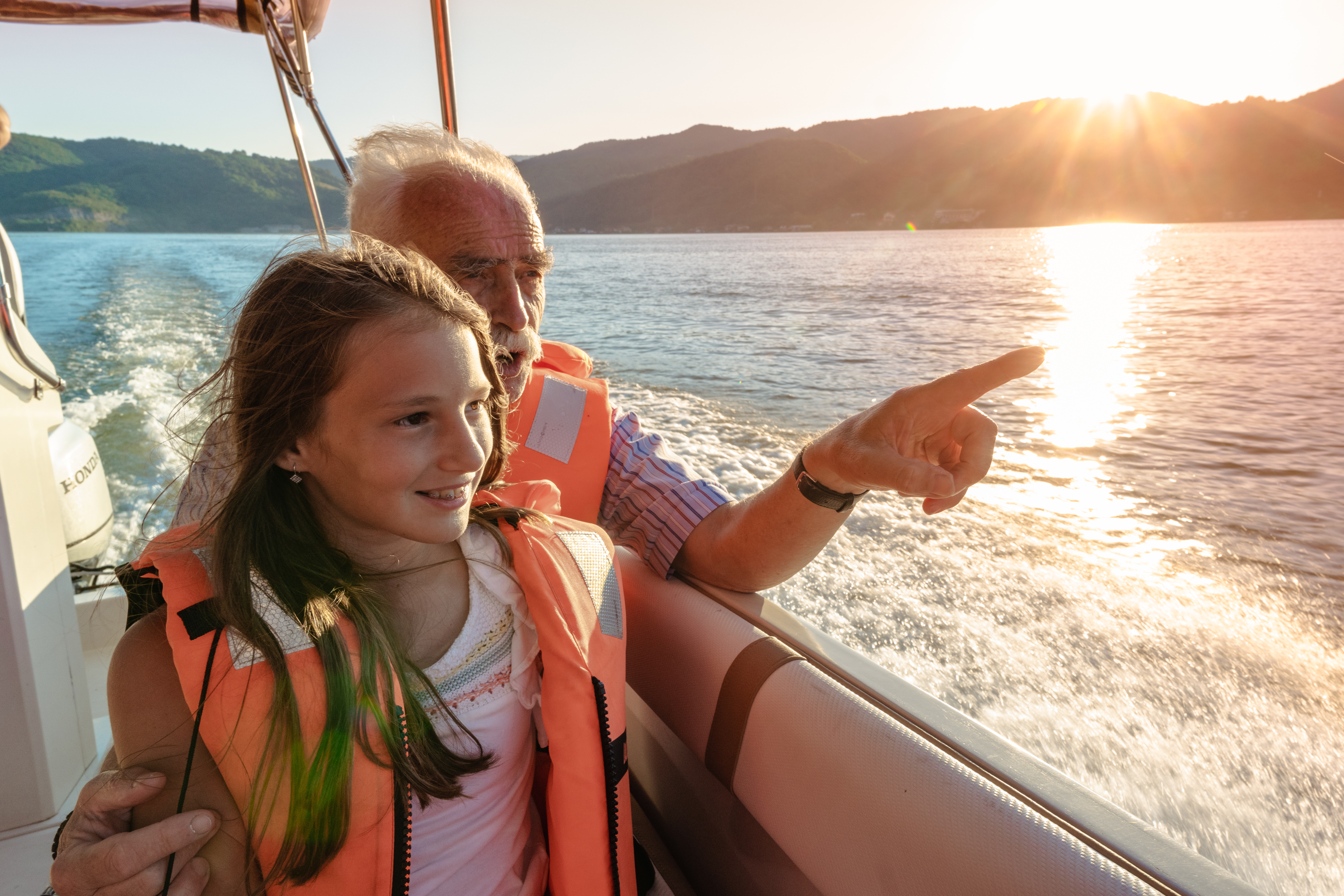
No matter how you enjoy the water — in a small vessel on a solo canoe trip on your favorite lake or on a pontoon boat with friends and family — wear a life jacket!
We also recommend taking a boating safety course to learn the essentials of navigating the waters safely and protecting yourself and others while on the water.
Getting safety certified before hitting the water is the right choice this boating season. Not only can it help you feel more confident in your abilities, but it will also increase your peace of mind and help you have more fun. Additionally, most states require boaters to pass a boating education course before getting a license to operate watercraft.
BOATERexam wants you to stay safe on the water, no matter how you enjoy it most! So, if you're a water enthusiast in the U.S., find the course for your state. In Canada, choose our Canada-approved course and get certified.
Frequently Asked Questions About Canoe vs Boat Life Jackets (FAQs)
Q: Do I need life jackets in a canoe?
A: Yes — by U.S. federal law, all vessels, including canoes, kayaks, and stand-up paddle boards, must carry at least one properly fitted U.S. Coast Guard-approved life jacket for each person on board. Children twelve years old and younger must wear a U.S. Coast Guard-approved life jacket at all times when underway in a vessel less than nineteen feet in length, unless they are in a fully enclosed area.
Q: How to tell if a life jacket is boat approved?
A: Life jackets must have a "U.S. Coast Guard-approved" or "Transport Canada" label with an approval number listed. You should also check that the jacket is in serviceable condition. All straps, buckles, zippers, and stitching must be intact, and the fabric should be in good condition. Additionally, each PFD must be the appropriate size for the person who wears it, with size, weight ranges, and recommended uses listed on the label.
Q: What type of PFD for canoeing?
A: Type III PFDs are buoyancy aids for active sports like kayaking, canoeing, SUP, and sailing — they come in a vast array of designs and are far more comfortable for paddling than the bulkier Type I and Type II vests. For calm water, a Type II life jacket might be sufficient, but for rougher conditions, a Type III is the better choice due to its comfort and freedom of movement. For whitewater canoeing, a Type V PFD with extra flotation and a rescue belt may be the better choice for added safety in more demanding conditions.
Q: What is the leading cause of death in kayaks?
A: The leading cause of death for kayakers and canoeers is drowning. Capsizing is the primary accident type in the majority of kayak and canoe incidents, often sending paddlers into cold or fast-moving water without warning. The number one contributing factor to kayak accidents is operator inexperience. This is defined as a lack of practical experience or knowledge in operating a vessel safely.
Q: What is the life jacket rule for boats?
A: All vessels, including canoes and kayaks, must have at least one U.S. Coast Guard-approved Type I, II, or III life jacket for each person on board. One U.S. Coast Guard-approved Type IV throwable flotation device must be on board vessels sixteen feet or longer, though canoes and kayaks are exempt from this particular requirement. State laws may add further requirements, such as mandatory wearing during certain seasons or for specific age groups, so it's worth checking the rules for your state.
Q: What safety equipment is required on every canoe?
A: Required safety equipment for nonmotorized vessels like canoes includes one U.S. Coast Guard-approved or Transport Canada-approved wearable life jacket for each person on board, a sound-producing device such as a bell, horn, or whistle that can be heard for at least one-half nautical mile, and lighting (one lantern or flashlight showing a white light) if operating between sunset and sunrise or when visibility is restricted. These are the federal minimums, and individual states may require additional gear.