How Do Life Jackets Work and Why Should You Wear One?
Life jackets work by providing buoyancy, which helps keep a person afloat in the water. They use foam or inflatable chambers to displace water and create an upward force that keeps your head above the surface, even if you are tired, injured, or unable to swim.
So, how do life jackets work? Here's what to consider when learning about these floatation devices and their importance on your boating safety checklist.
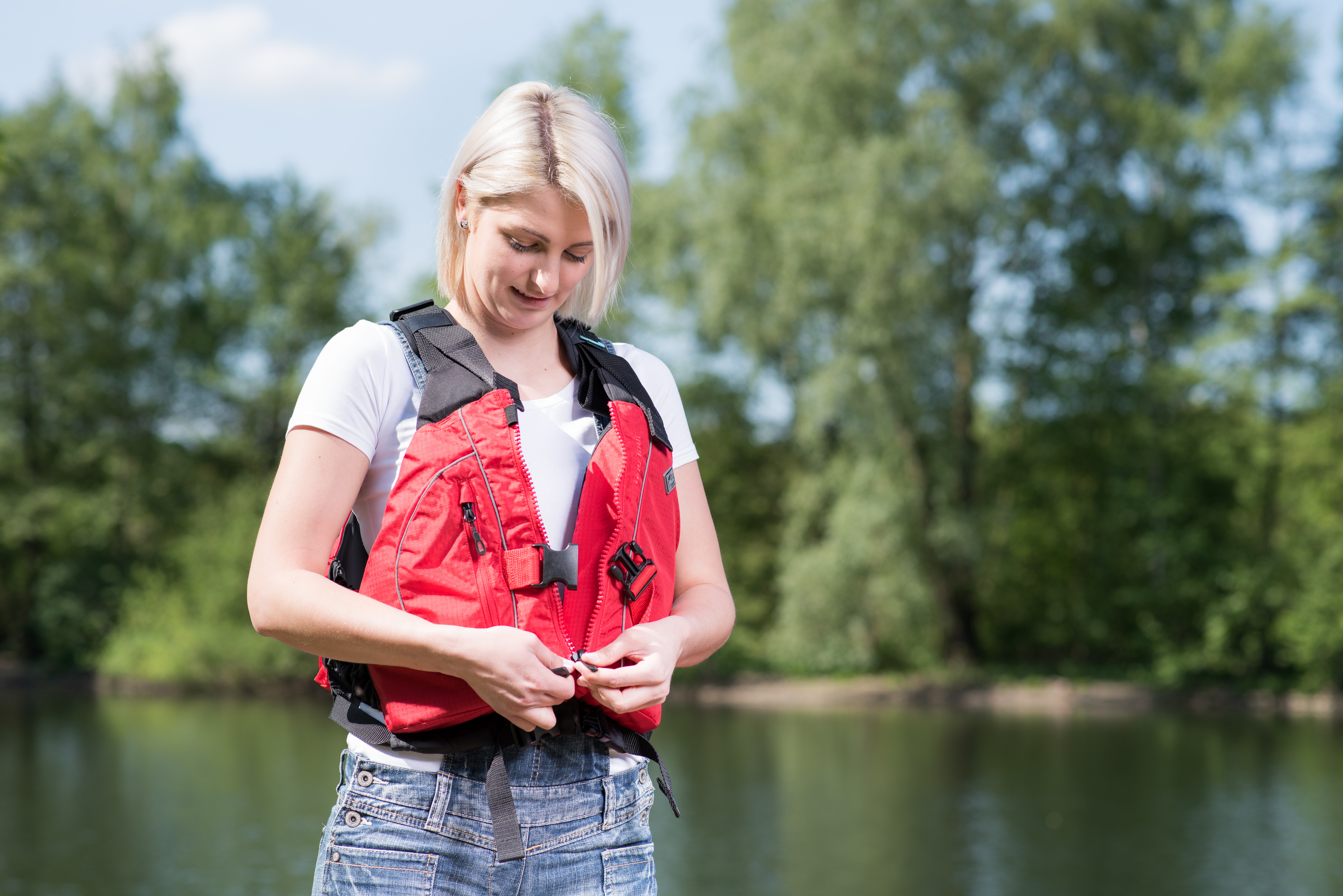
How Do Life Jackets Work?
A life jacket works by displacing more water than your body weight, creating an upward buoyant force that keeps you on the surface. This principle (known as Archimedes' principle) is the same reason a boat floats.
Your body is close to the density of water, so it only takes a small amount of added buoyancy to tip the balance and keep your head above the surface.
- Foam life jackets achieve this using closed-cell foam panels, typically made from a material called PVC or PE foam, which are permanently buoyant and cannot become waterlogged.
- Inflatable life jackets work differently. They use a CO2 cartridge triggered manually or automatically by a water-activated sensor to rapidly fill an air bladder, providing buoyancy on demand.
Before heading out on the water, it's crucial to know which life jacket is the right one for your activity. An inflatable lifejacket may be less bulky, but it also may not inflate quickly enough.
Turning Face-Up in the Water
Beyond just keeping you afloat, a well-designed life jacket is engineered to rotate an unconscious wearer face-up in the water. This is critical because a person who is incapacitated needs their airway kept clear without any effort on their part.
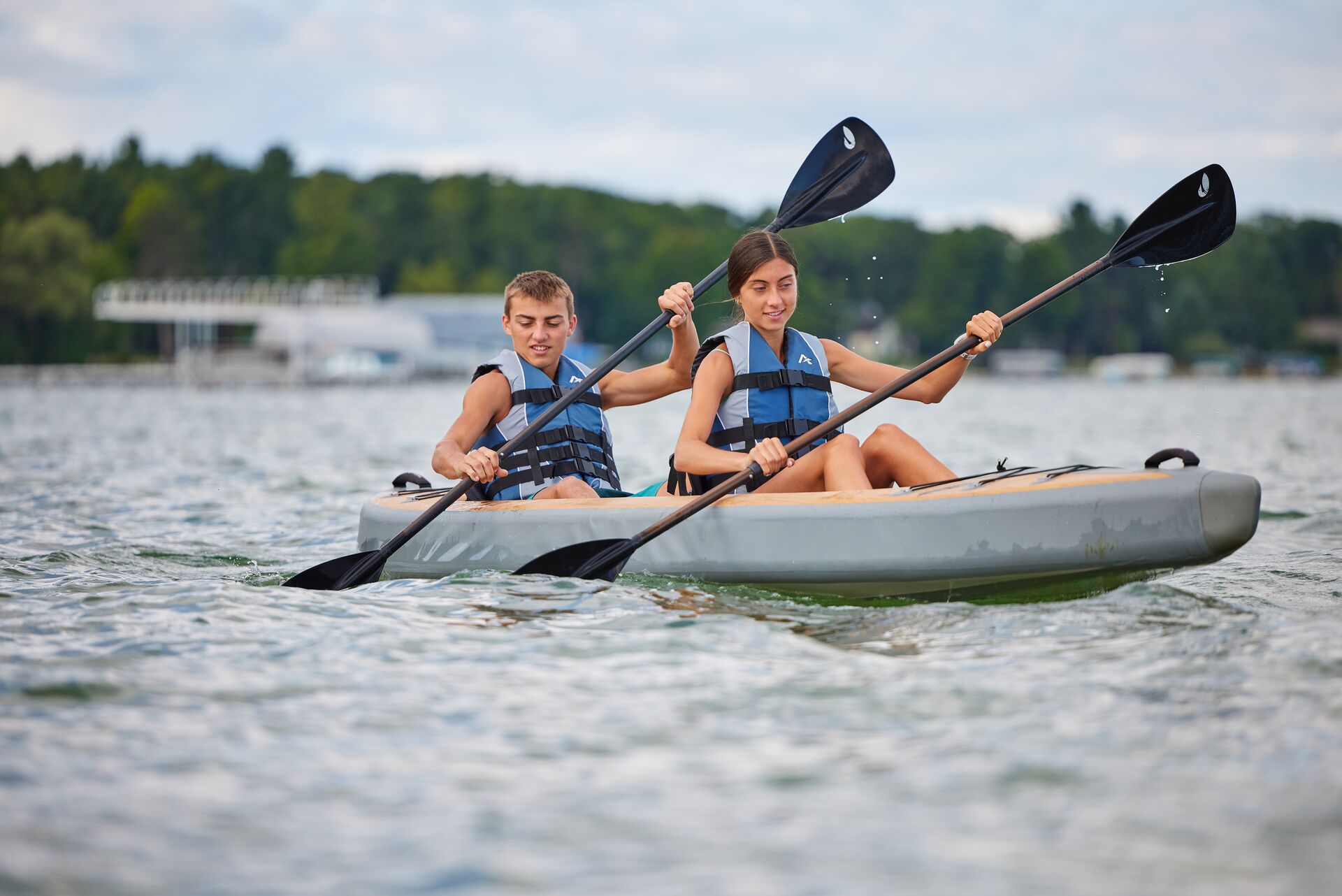
A life jacket doesn't just help you float. It works with the physics of water to actively protect your airway and buy you the time needed for rescue.
What is Buoyancy?
The most important thing about these jackets is that they work by providing buoyancy. That means they're designed to keep a person afloat in the water, and they do that by displacing the water around the person and providing an upward force. This makes it easier for the person in the jacket to stay above the surface.
Buoyancy can help prevent drowning and make it easier for someone in the water to be rescued. When looking for buoyancy in any floatation device, you should consider the size and weight of the person wearing it to make sure it will work properly for them.
Children, for example, need jackets that are different from those of adults.
Life Jacket Materials and Construction
Life jacket materials include inflatable chambers and foam. They're specifically constructed to provide buoyancy while allowing for comfort and mobility.
Foam jackets are still the most common, and they're the ones people typically think about when picturing what a life jacket looks like. However, many people like the inflatable chambers on some of the newer jackets because they're not as bulky when you're on the boat.
Less bulk can make it easier for you to safely enjoy fishing or even move around on the boat more easily. Much like the floatation device options on planes, these jackets are flat until they need to be inflated.
What Are the Types of Life Jackets?
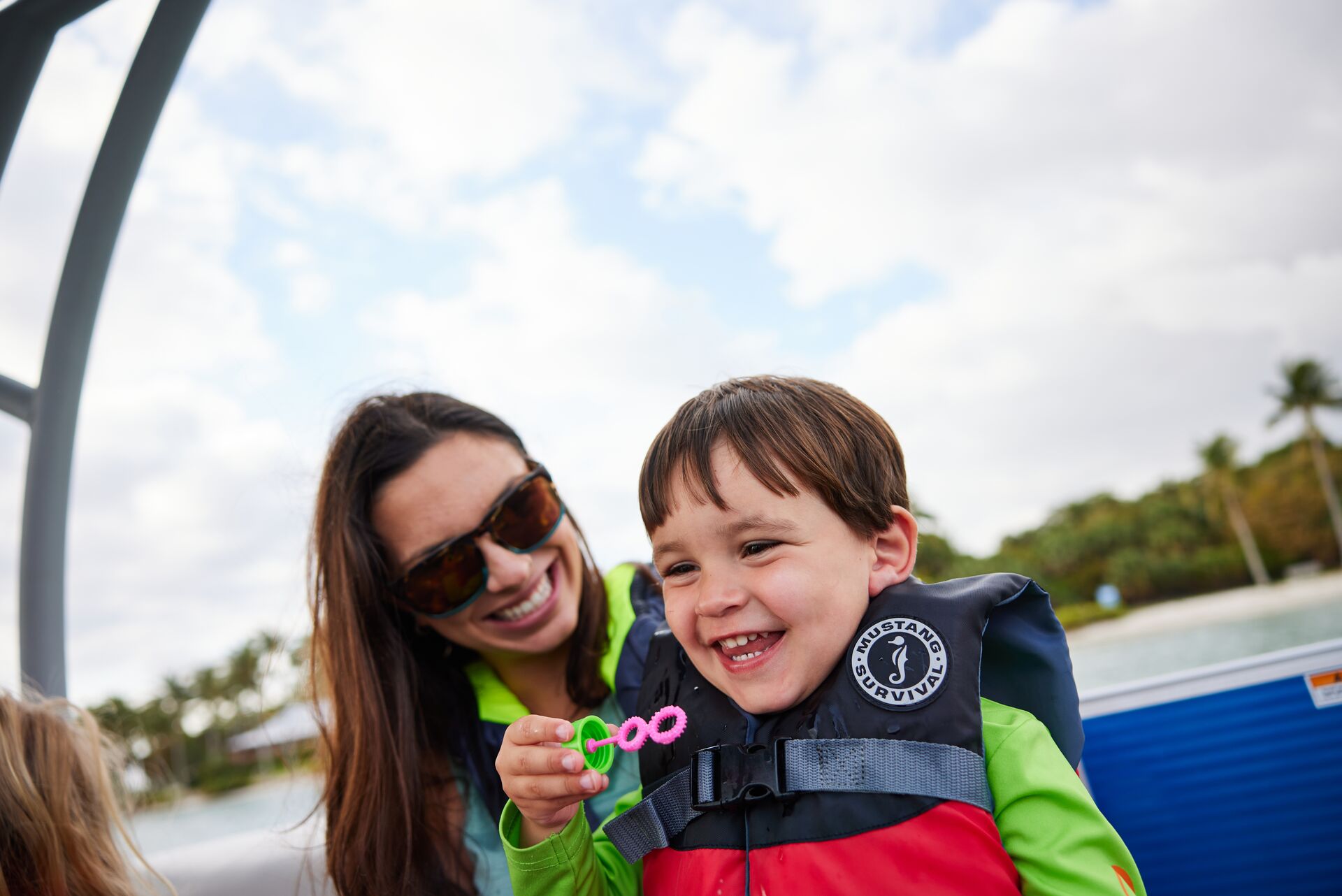
Several types of jackets are available for boating and water activities, including inflatable, foam-filled, and hybrid designs. Understanding their differences is essential so you know which ones to use for different activities and conditions.
Types of Life Jackets | |
Type I | Suitable in all water conditions. Offers the most buoyancy. |
| Type II | Slightly less buoyant than a Type I. Best for near-shore cruising where rescue is most likely. |
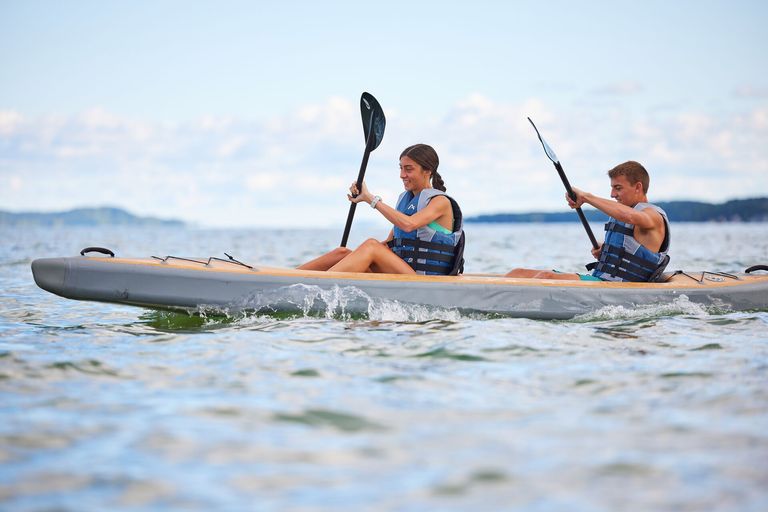
| Type III | Same buoyance as a Type II but allows more movement. Can be ideal for kayaking, canoeing, or paddleboarding. |
| Type IV | Not a wearable lifejacket. This is a throwable device intended to be tossed to someone needing help in the water. |
| Type V | Inflatable, hybrid, or specific-purpose life jackets. Buoyancy can vary. |
Foam-filled jackets will work as soon as they come in contact with the water, and inflatable options typically have a cord you pull to fill them rapidly with air. Hybrid designs can be semi-buoyant and have options for added inflation, making them a good alternative in many cases.
Who Sets Lifejacket Safety Standards?
When you choose a life jacket, ensure it meets safety standards set by organizations such as the U.S. Coast Guard. Meeting these standards ensures the jacket is reliable and effective in keeping you safe.
If you don't have a Coast Guard-approved jacket or it doesn't meet the safety standards of your local governing body, it's time to replace it with a different one.
Quality life jackets save lives! It's not worth it to choose a cheaper or poor-quality jacket just to check a box on your safety checklist.
Make Sure Your Life Jacket Fits Properly
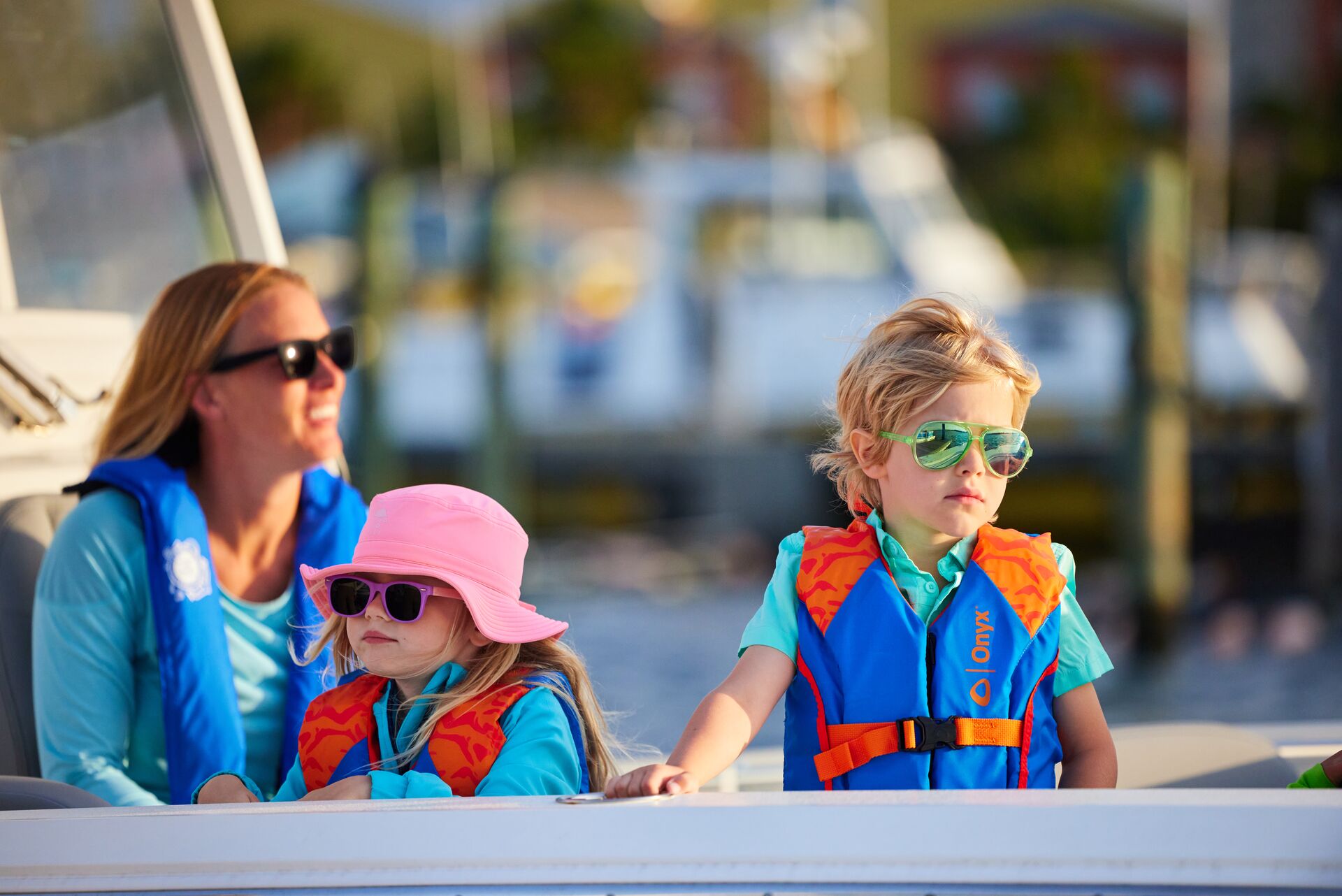
Another essential quality of a life jacket is a proper fit. It should fit snugly on your body without being too tight and uncomfortable, and you'll also want to adjust straps and buckles to get a secure fit you can feel good about.
If you can't adjust the jacket to where it's snug and doesn't slip off when you move, you need a smaller one. This is especially important for children and anyone who's not a strong swimmer.
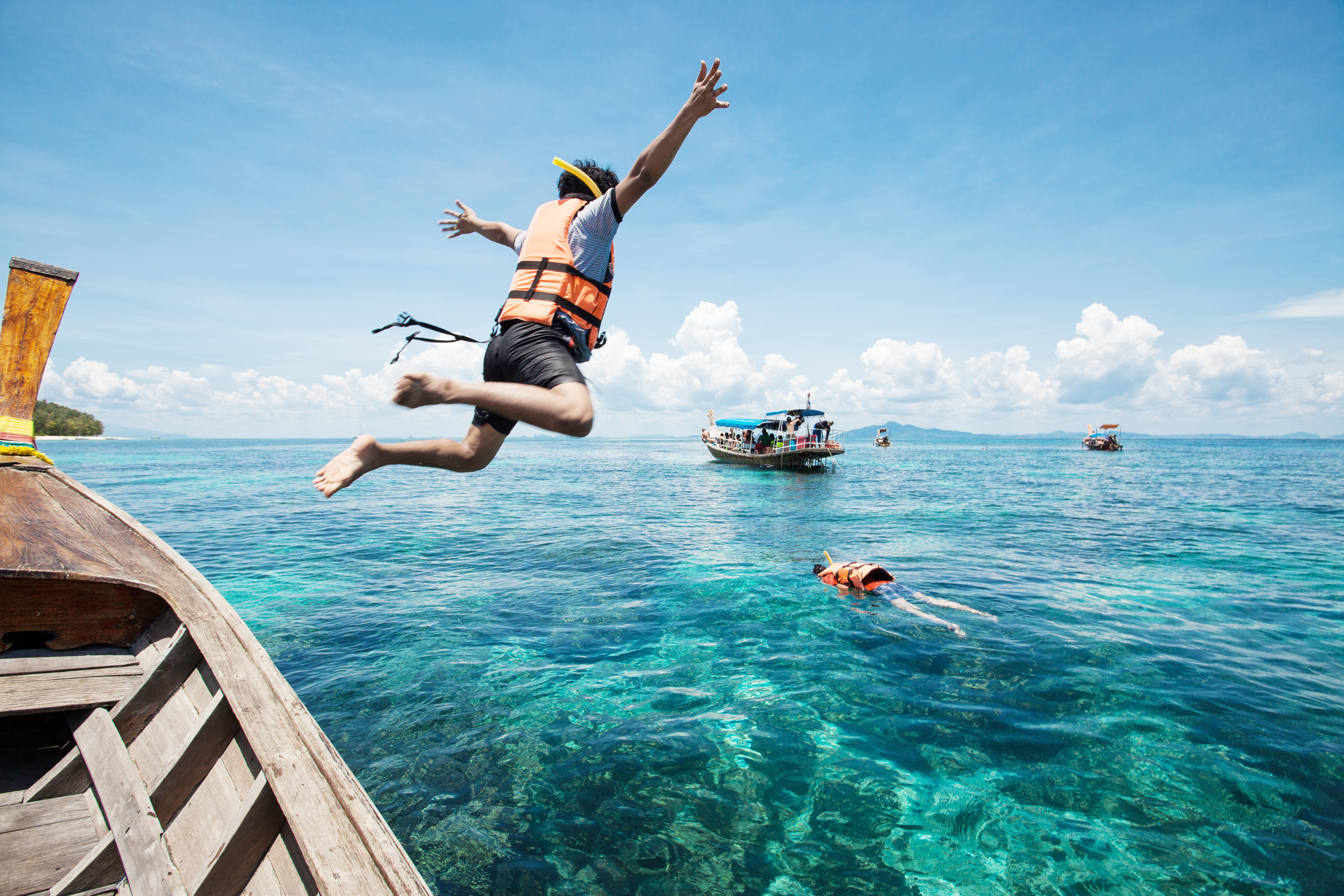
Life Jackets Have a Significant Impact on Drowning Prevention
Wearing a life vest can significantly reduce the risk of drowning in water-related activities such as boating, fishing, swimming, and kayaking. For example, U.S. Coast Guard statistics (reported through the National Safe Boating Council) for 2024 indicate that 87% of drowning deaths occurred without a life jacket.
The Royal Lifesaving Society Canada also reports that 9-in-10 boat-related drownings in Canada happen to people who aren't wearing a life vest. Again, having a personal floatation device saves lives.
Understand the Legal Requirements
Understanding the legal requirements for wearing life jackets, especially for children, is vital. When looking for and selecting the right jackets, both personal safety and compliance are involved.
For example, in the U.S., children under 13 must wear a life vest on a boat unless in an enclosed cabin or below decks. In Ontario, as another example, everyone needs a properly fitting life jacket available on a vessel.
Education and Awareness
Educating yourself about the importance of wearing life jackets matters.
When you take a course through BOATERexam, you'll learn about these jackets and other safety essentials to be more prepared out on the water. This knowledge helps you keep yourself and your passengers safe, allowing all of you to have more fun.

Learn More About Life Jackets and Boater Safety Before You Hit the Water
Why should you wear a life jacket? They save lives, and it's the law!
Taking a boater education course and getting safety certified is the right choice before you head out on the waterways. Not only will doing this help you understand and choose the right floatation options, but it can also give you important information about other safety and navigation requirements.
BOATERexam's online courses provide the safety knowledge required before you can operate a boat legally in the U.S. or Canada.
So, before you take the boat out on the water next time, make sure you've passed a safety course! BOATERexam makes it easy.


Frequently Asked Questions (FAQs)
Q: Will a life jacket keep you afloat if you can't swim?
A: Yes. A properly fitted life jacket will keep you afloat even if you're unconscious or unable to swim.
Q: What does 70 mean on a life jacket?
A: "70" on a life jacket refers to 70 Newtons of buoyancy force. It's enough to keep a conscious, calm adult afloat in sheltered, calm water.
Q: How do life jackets keep you afloat in water?
A: Life jackets use buoyant foam or inflatable air chambers that are less dense than water, creating an upward force that counteracts your body weight.
Q: Can you survive in the ocean with a life jacket?
A: Yes, you can survive in the ocean with a life jacket, though survival depends on water temperature, wave conditions, and how quickly rescue arrives. A life jacket significantly improves your odds but isn't a guarantee.
Q: Is it better for a life jacket to be loose or tight?
A: Neither — a life jacket should fit snugly but comfortably. Too loose and it can slip over your head; too tight and it restricts breathing.
Q: What are Type 3 life vests?
A: Type 3 PFDs are designed for conscious users in calm, inland water where rescue is nearby. They offer freedom of movement but won't turn an unconscious person face-up.
Q: What is a Level 100 life jacket?
A: A Level 100 jacket provides 100 Newtons of buoyancy and is designed to turn an unconscious person onto their back in open water, making it suitable for general offshore use.