The Basics of Riding a Jet Ski: Mastering Turns and Stops
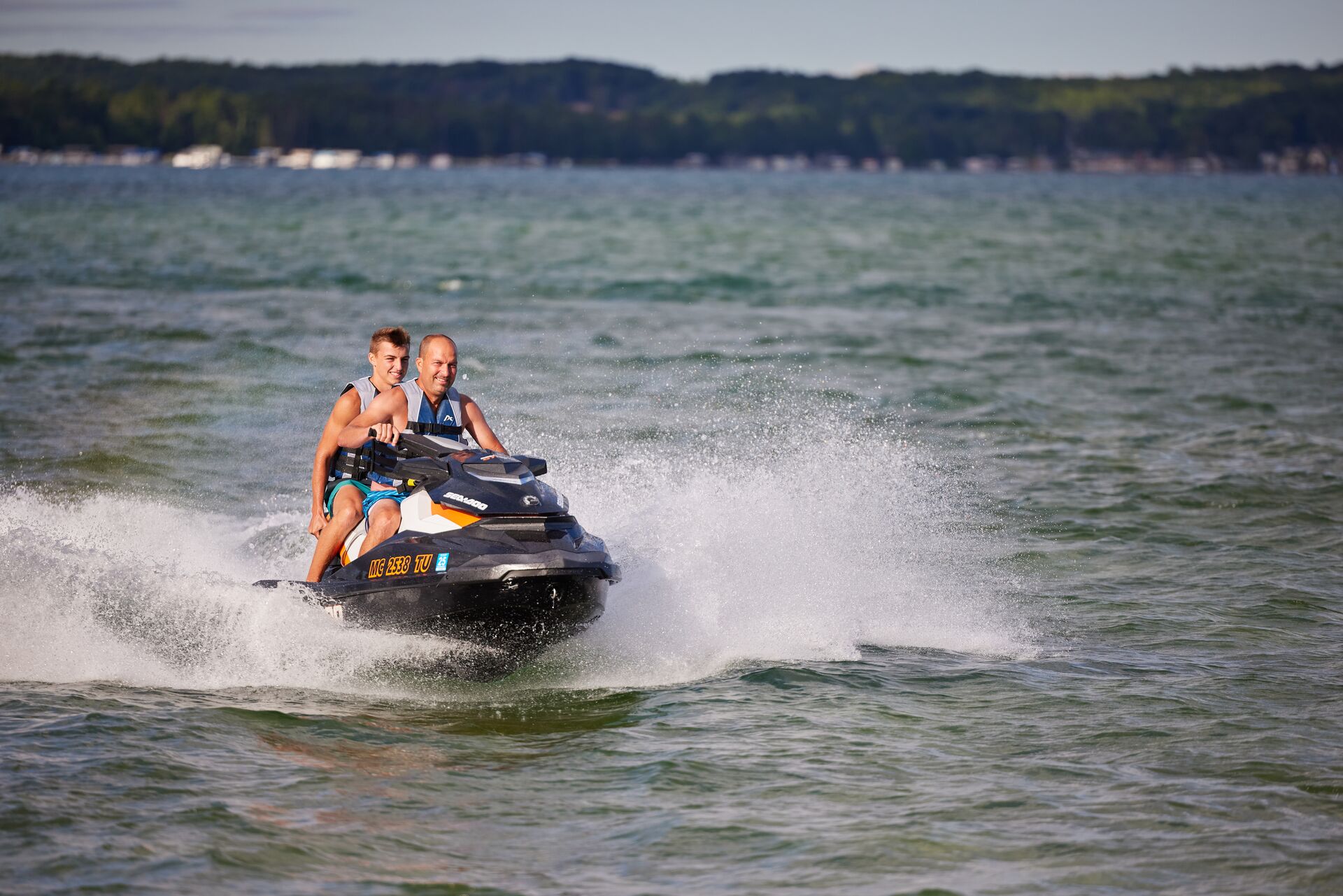
There are many great ways to have fun on the water, and one of them is by enjoying personal watercraft (PWC) like jet skis. Knowing the basics of riding a jet ski can make riding more fun and safer.
Along with making sure you wear a life jacket while on a jet ski, there are a few other key things to keep in mind to handle the machine safely. Two of the most important techniques to learn are turning and stopping.
Here's what you need to know!
Understanding the Basics of Riding a Jet Ski
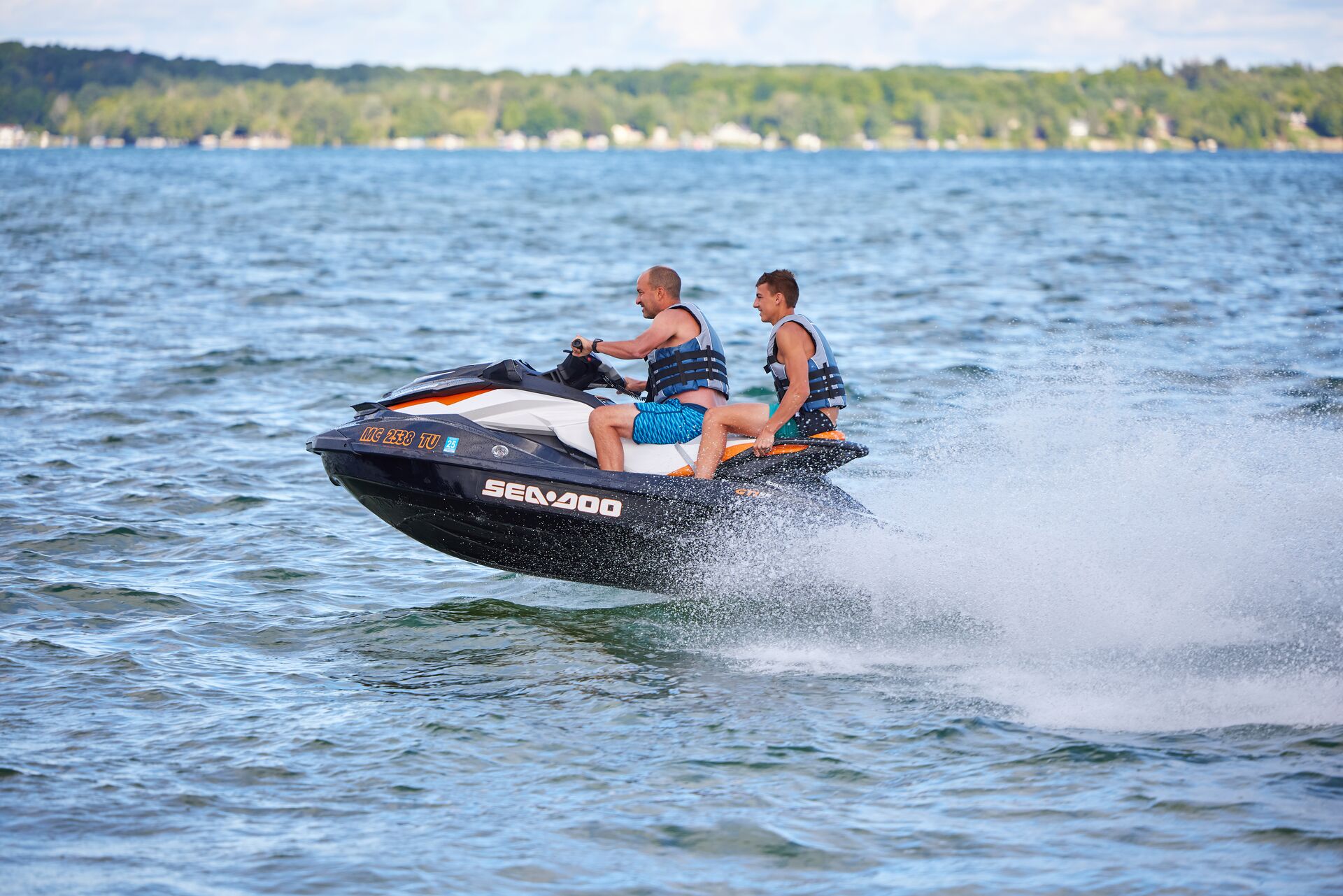
Before taking off across the waves on what's basically a water-based motorcycle, you'll want to familiarize yourself with the controls, throttle, and kill switch. You don't want to search for controls while riding, so knowing where they are before launching is essential.
You also want to understand how they work and how sensitive they are, so you don't put yourself or others at risk.
Some jet ski models have brakes and reverse, while others don't. Make sure you know which model you're using, as you don't want to be looking for a feature you need — but don't have — if you're in a tight spot.
Always Wear a Life Jacket and Use a Kill Switch
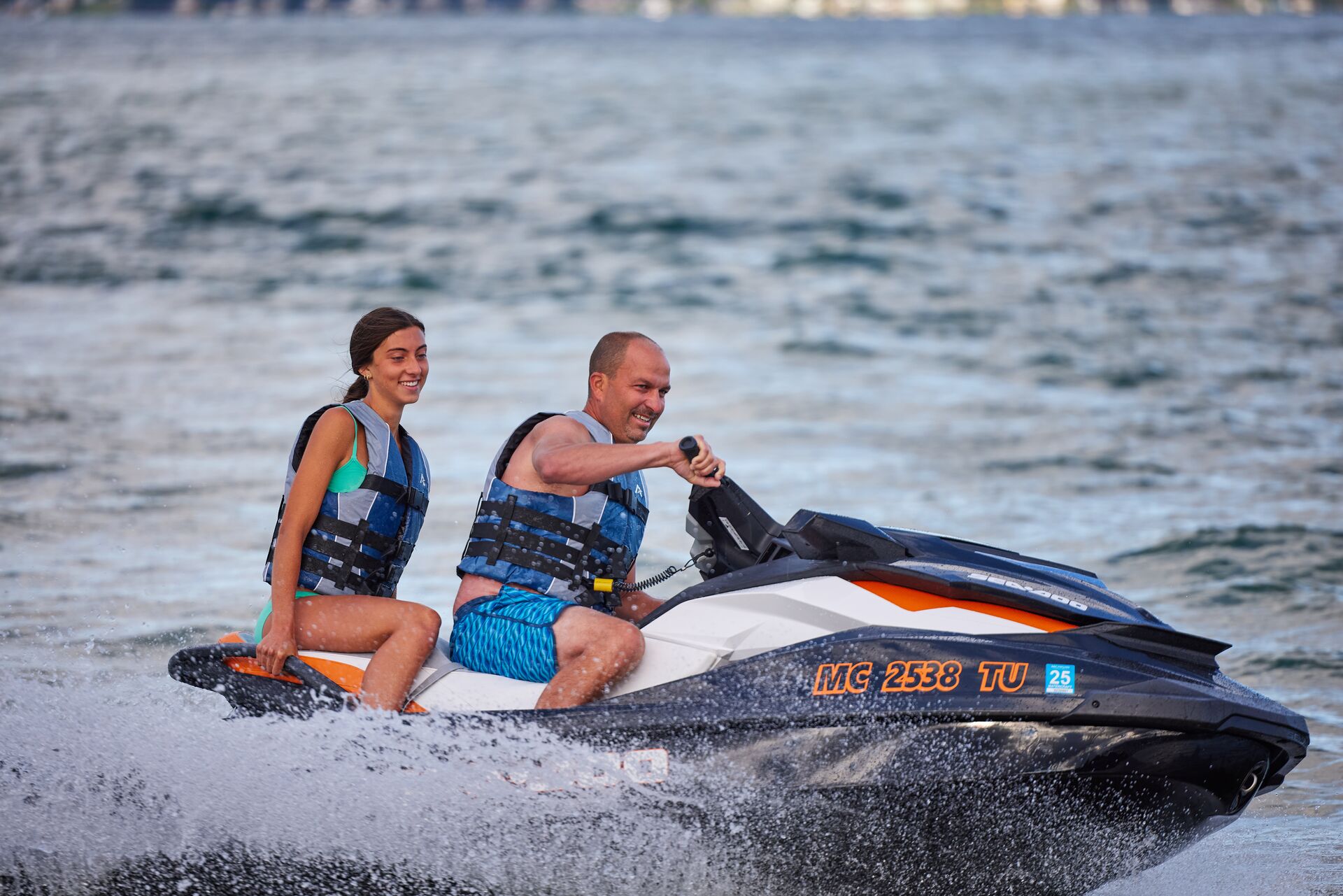
In addition to checking out the features of your PWC, make sure you're wearing a properly fitted life jacket.
Additionally, don't leave the dock until you securely attach the safety lanyard (kill switch) to your PFD or wrist. If you fall off the jet ski, the kill switch will disengage and shut off the machine, allowing you to swim to it safely.
Apply Critical Personal Watercraft Safety Tips
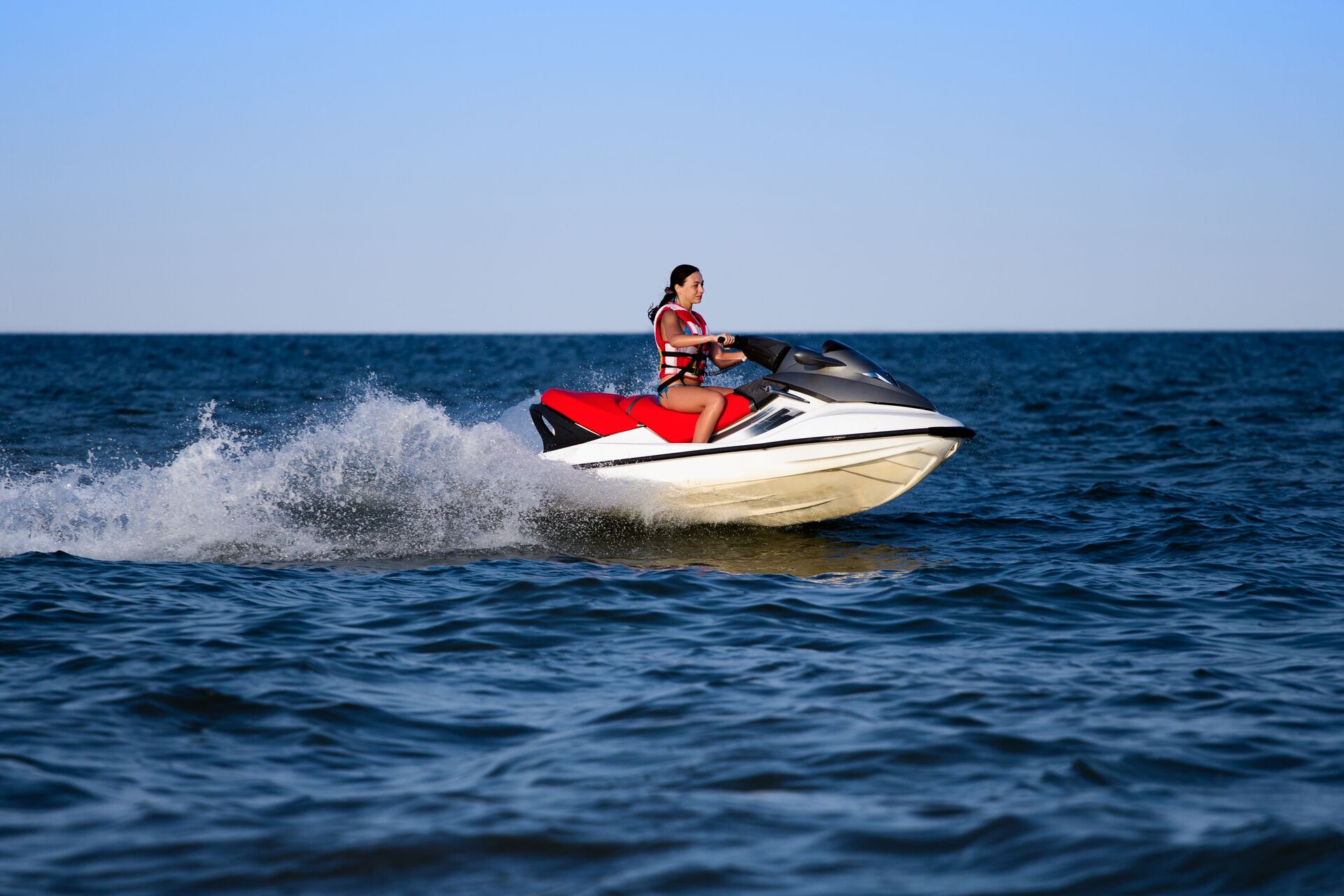
Taking personal watercraft safety seriously means following local laws regarding speed limits, no-wake zones, and age restrictions. Remember: most states consider jet skis to be boats, so it's crucial to follow all boating regulations in your area when operating a PWC.
Along with understanding those rules, always maintain a safe distance from other boats, swimmers, and obstacles. You don't want to take the chance of coming into contact with others who could get injured or an object that could damage the PWC.
Keep both hands on the handlebars and your feet planted firmly when riding your jet ski. Doing this will increase your stability and reduce any chances of falling off or losing control.
Stay aware of your surroundings, and don't ride beyond your limits. Also, avoid riding under the influence of alcohol or drugs. Not only is it illegal, but it's also dangerous.
How to Operate a Jet Ski: Starting and Stopping
Starting and stopping safely are the biggest basics of riding a jet ski.
Start the engine while in the water to be as safe as possible and protect the jet ski from damage. Keep the engine at idle speed until you're ready to accelerate.
There's no need to "rev" the engine. Engage the throttle gently to move away from the dock or ramp, especially if you're unfamiliar with that particular PWC.
When you're ready to stop, release the throttle. If available, you can use the brakes but remember that older models usually don't have brakes. Instead, rely on water resistance to slow down.
Mastering Turns and Maneuvering
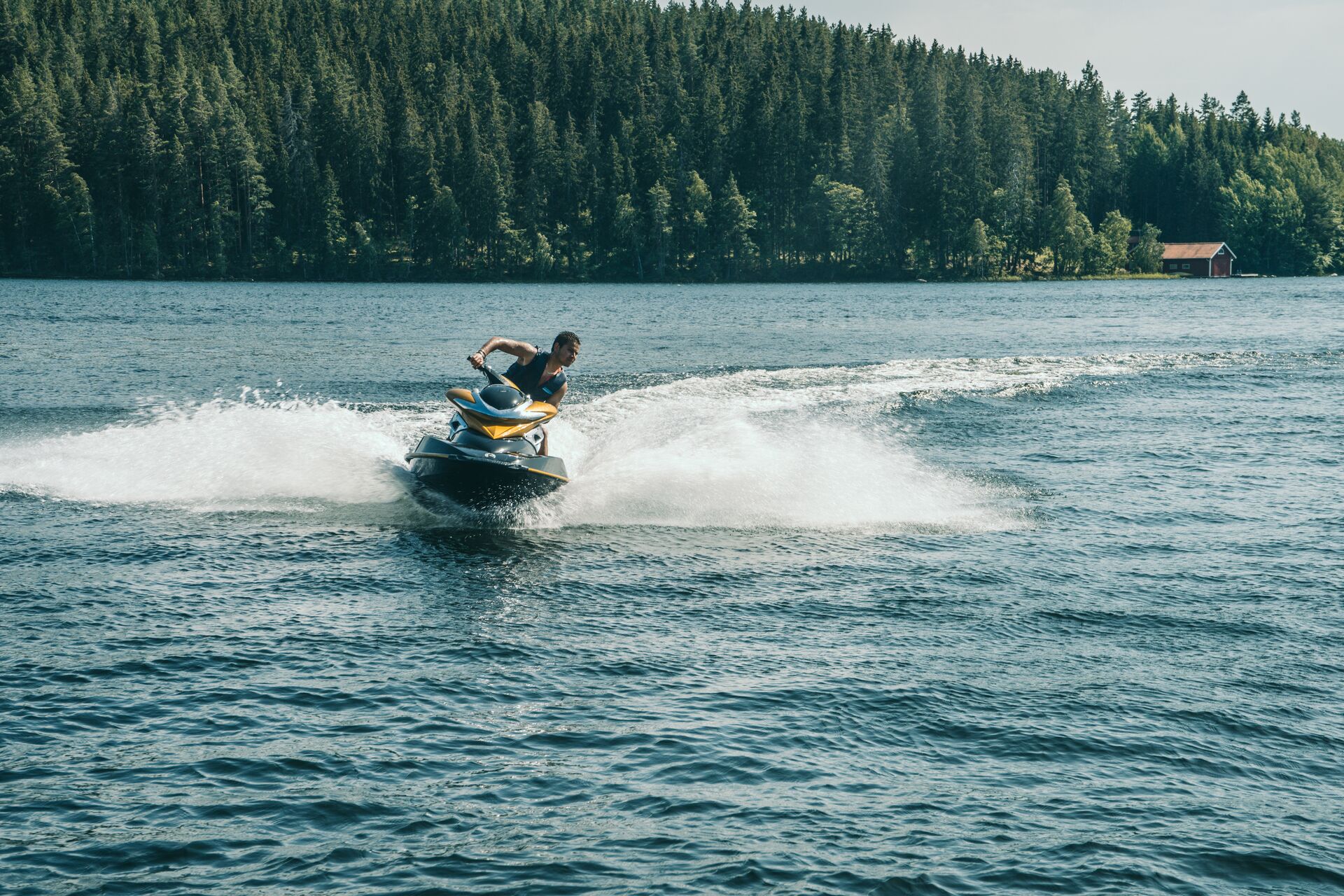
Jet skis need power to steer effectively. When you're turning, maintain throttle control. Lean into your turn and shift your weight slightly in the direction you're turning.
Avoid sharp, high-speed turns, as they could cause you to lose your balance or even flip.
Practice controlled turns at moderate speeds before attempting faster or more abrupt maneuvering. You'll feel safer and reduce the risk of accident or injury. You don't need to ride aggressively to have a good time on a jet ski.
What to Do If You Fall Off
If you fall off your PWC, stay calm and locate the jet ski. Most models will circle back around at idle speed, and you can generally swim to it if it doesn't return to you.
Then, approach it from the rear and use the reboarding step if it has one. Always remount your jet ski from the back to avoid flipping the PWC.
Final Tips for a Safe and Fun Ride
You're ready to ride when you understand how to stop, start, and turn a jet ski and know the local laws, but consider these final tips to feel more prepared:
- Check the weather before heading out, and avoid riding in rough waters.
- Never overload your jet ski beyond its weight or passenger capacity.
- Carry a whistle or waterproof communication device in case of emergencies.
- Take a boating safety course, even if you don't legally have to. However, most states and Canada require certification to operate a PWC legally.
Getting comfortable with how to operate a jet ski can take a little time, but practicing will make you safer and more confident.
Improve Your Safety on a PWC With a Boater Education Course
Ready to enjoy all your jet ski adventures? Learn the basics of riding a jet ski, then hit the water!
We also recommend taking a boater education course (if you haven't already). You will feel better about your abilities and have more knowledge about etiquette on the water, navigation, safety, and other PWC and boating specifics.
Plus, most states require jet ski operators to pass a course and have a boater education card — just like when operating a boat.
So, choose the course for your state, or take our course for Canadians before hitting the water on your jet ski!