Required Boat Safety Equipment Checklist (Canada & US, 2026)
Do you ever just hop on your boat and take off from the dock? When you're anxious to hit the water, it's tempting to skip a few steps to get out there sooner — but that can be dangerous.
However, responsible boaters know to pause and make sure their boats are ready for a safe day on the water before leaving the dock. That includes inspecting your vessel to ensure everything works and it's ready for the water. Additionally, you need to know what safety equipment is required on a boat so you can bring it with you to help protect yourself and your passengers.
Keep reading for our guide to the safety equipment every boat in the U.S. and Canada should carry.
Updated September 3, 2026
13 Essential Safety Items Every Boat Needs
As you already know, boating safety is essential to enjoying the water. Here's a list of vital safety items, why each one matters, and additional tips on correctly carrying safety equipment.
Boat Safety Equipment Checklist | |
🔲 Life Jackets/PFDs 🔲 Fire Extinquisher 🔲 Sound-Producing Devices 🔲 Navigation Lights 🔲 Visual Distress Signals 🔲 Emergency Radio or Communication Devices | 🔲 First-Aid Kit 🔲 Throwable Floatation Device 🔲 Anchor and Line 🔲 Bilge Pump or Manual Bailer 🔲 Charts, Compass, GPS 🔲 Carbon Monoxide Detector 🔲 Tool Kit and Spare Parts |
1. Life Jackets (Personal Flotation Devices)
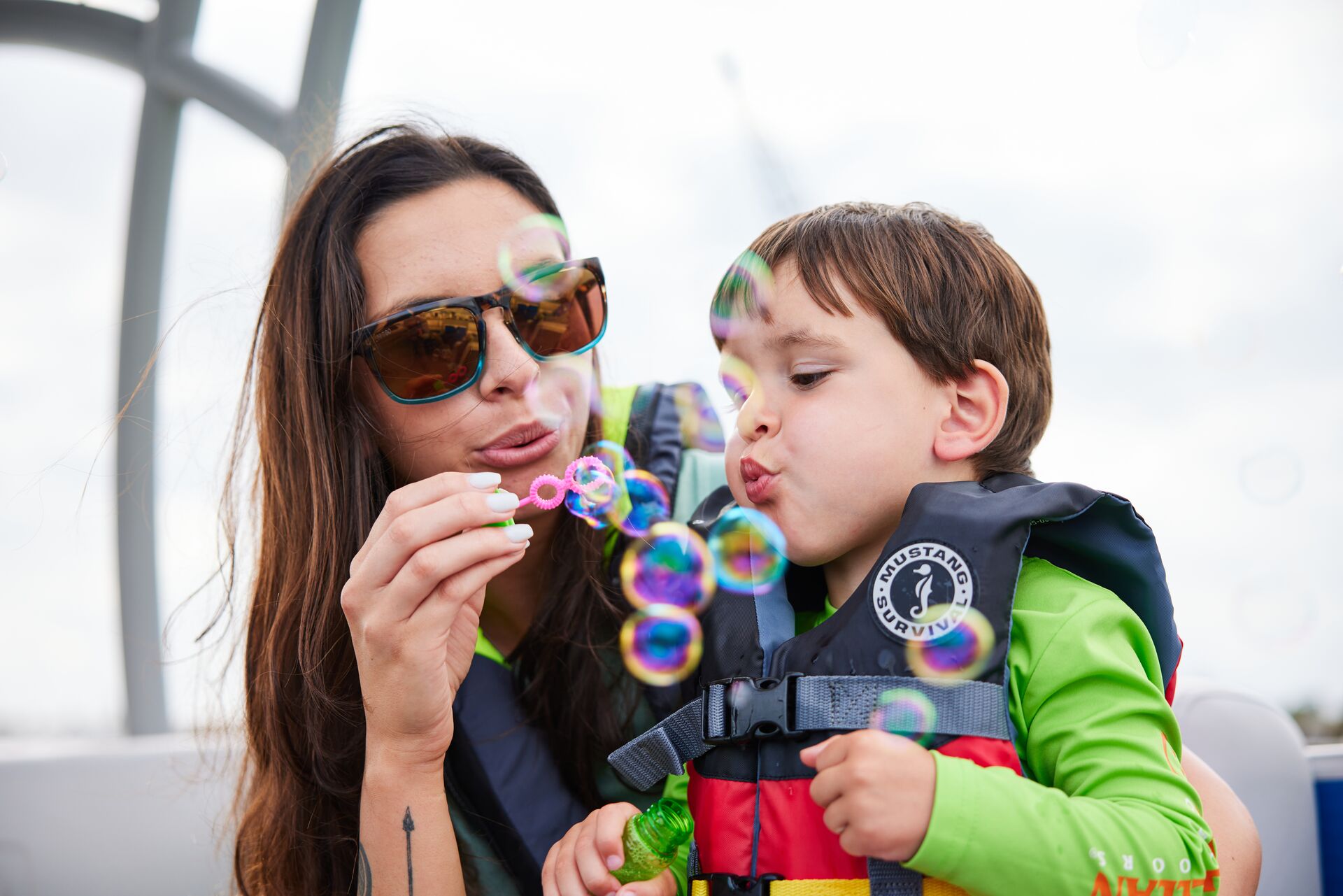
Personal Flotation Devices (PFDs) are essential lifesaving equipment, especially in emergencies like capsizing or falling overboard.
U.S. Coast Guard regulations require one PFD for each person on board. As an additional tip, you must ensure the life jackets on your boat are appropriate for the size and age of the passengers and are easy to access.
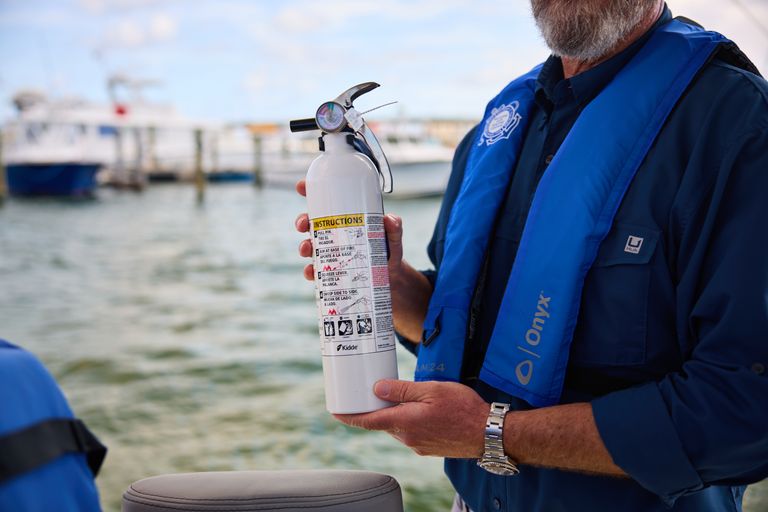
2. Fire Extinguishers
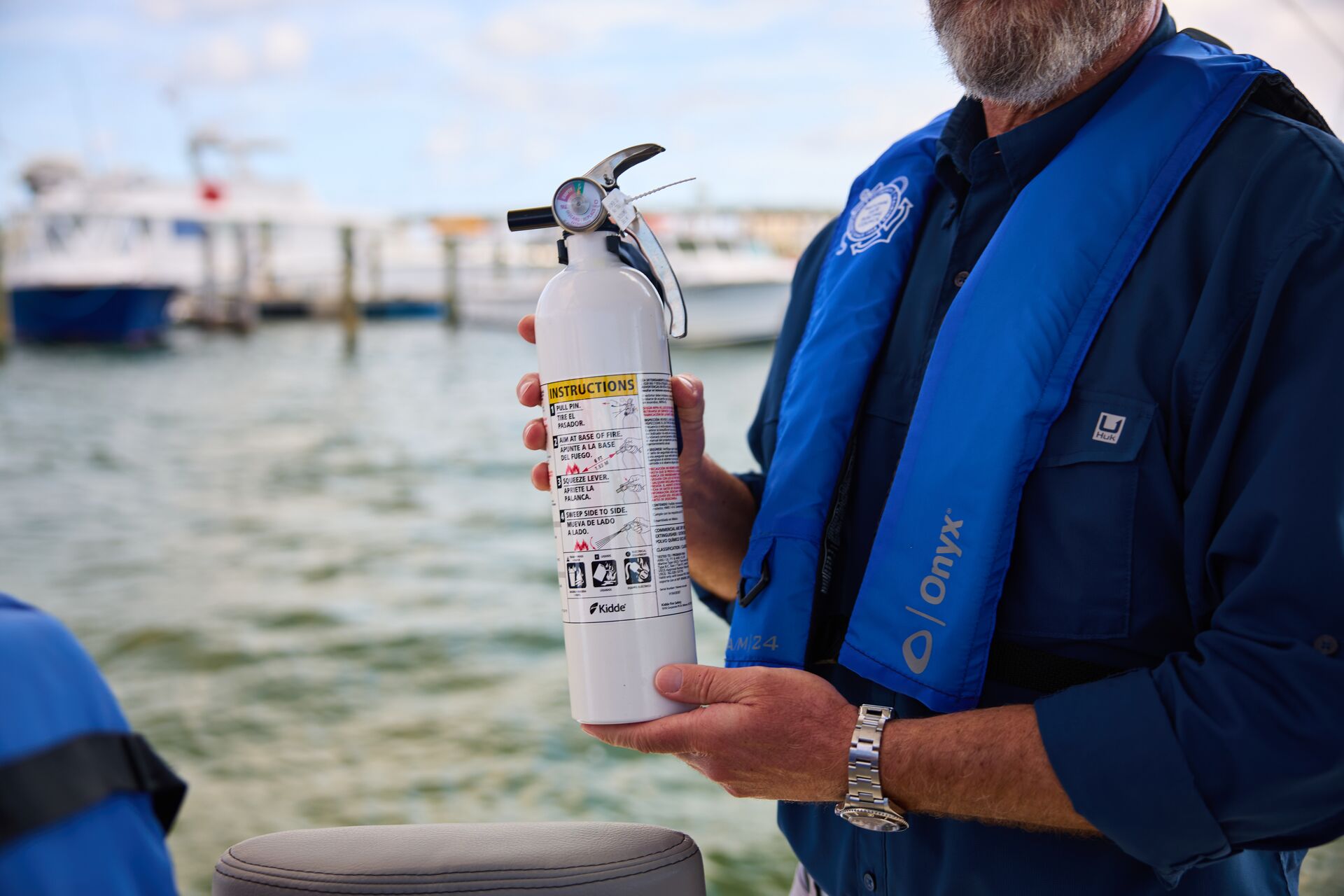
Another valuable piece of safety equipment is a fire extinguisher. Fires can spread quickly on boats, especially when there's fuel onboard.
When you have a Coast Guard-approved fire extinguisher on your boat, you have a much better chance of controlling or extinguishing a fire before it can grow.
Check the extinguisher's expiration date and ensure it's the right type. You'll need a Class B extinguisher for fuel-related fires.
3. Sound-Producing Devices (Whistles, Horns, or Bells)
You need to be able to signal other vessels, particularly in low-visibility situations like fog or at night. Whichever sound-producing device you choose, test it regularly to ensure it's working correctly and meets legal decibel requirements.
4. Navigation Lights
Navigation lights are essential on a boat. They improve visibility and help other boats identify your position and movement, reducing the chances of collisions at night or in low-light conditions.
Make sure to familiarize yourself with the required light configurations for different types of vessels and check that the bulbs are working.
5. Visual Distress Signals
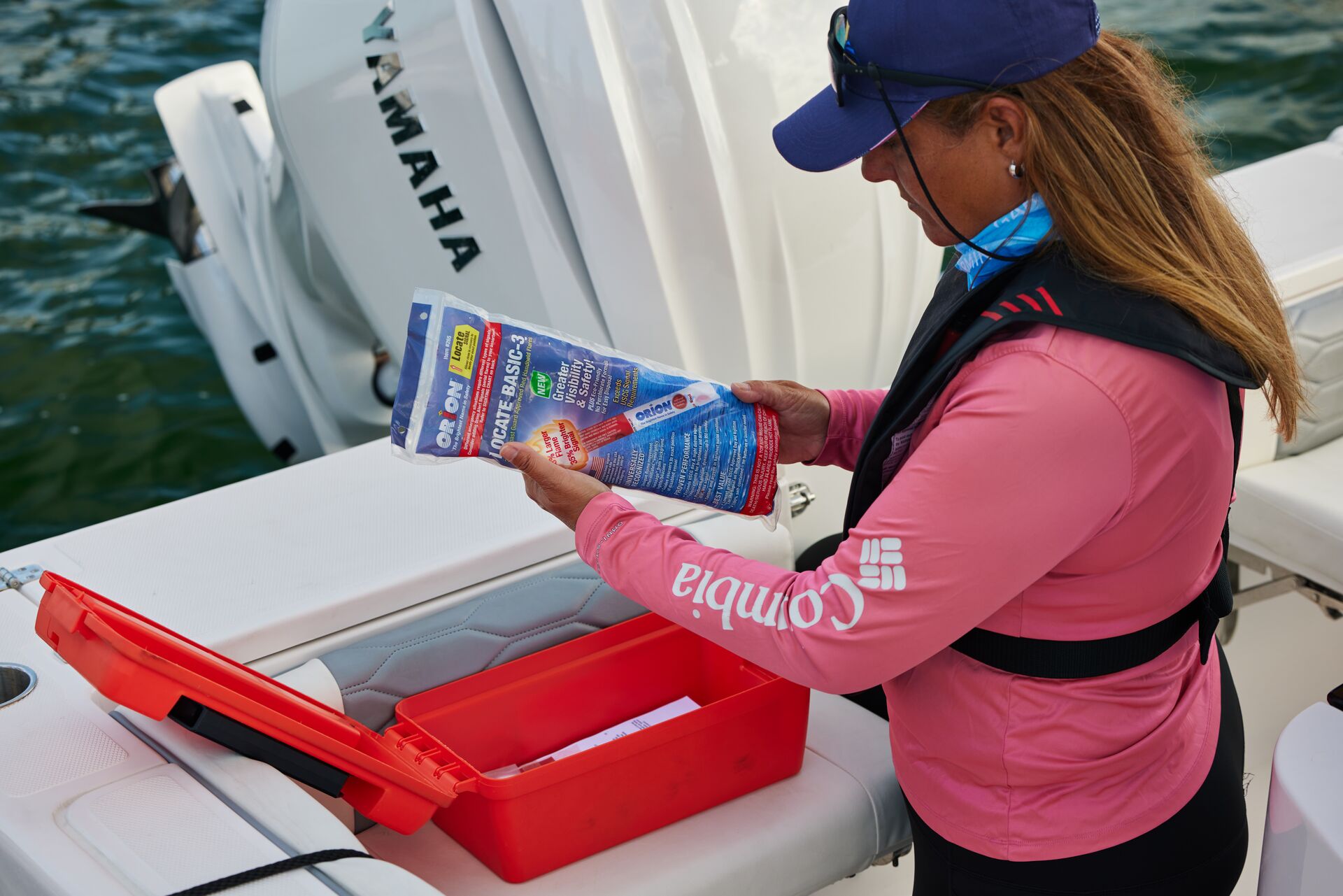
Flares or signal flags help alert others if you have an emergency, especially in remote or offshore areas where help might not be nearby.
Keep your flares up-to-date and know how to use them before emergencies. Otherwise, you might panic during an emergency or have flares that don't work.
6. Emergency Radio or Communication Devices
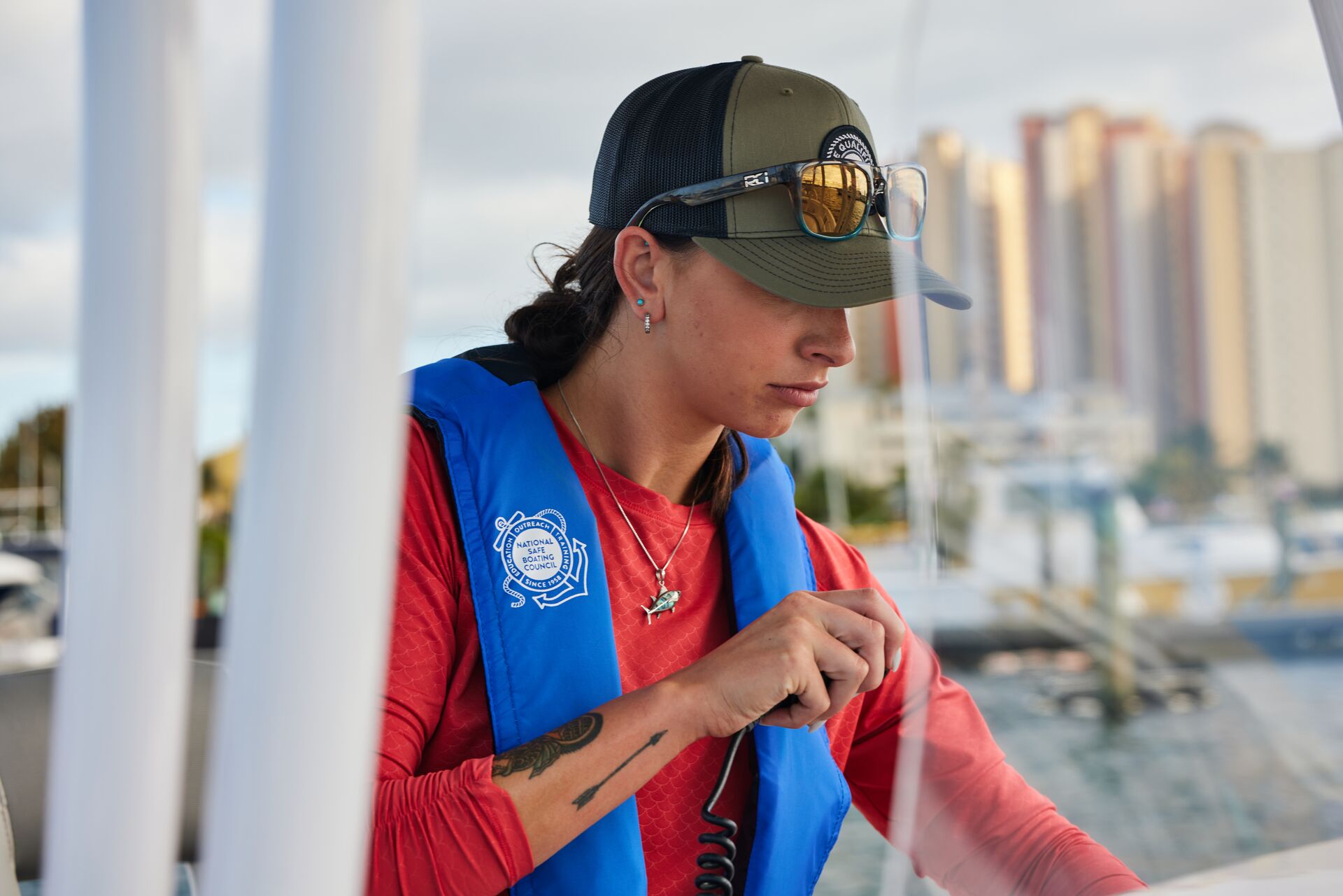
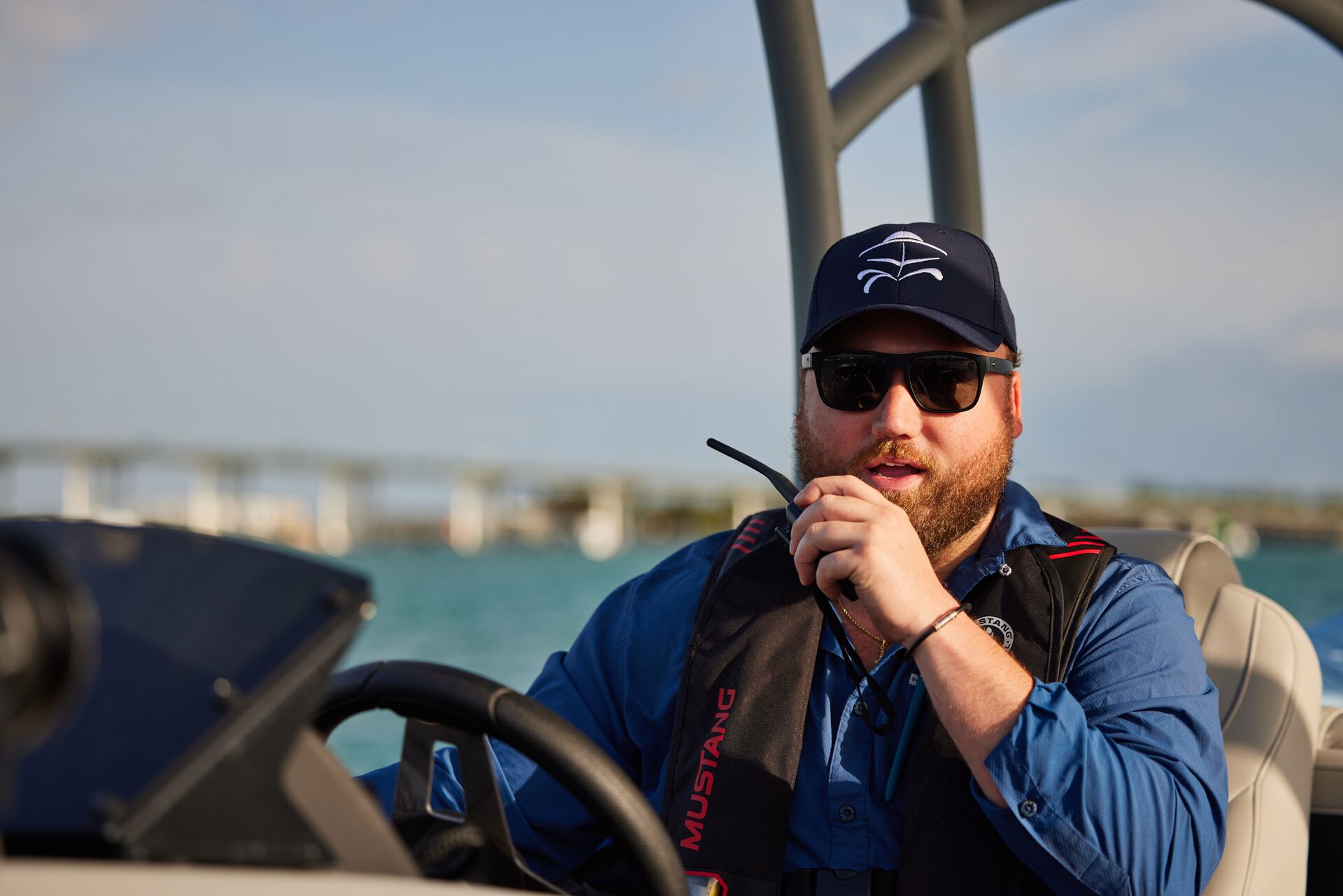
A marine VHF radio is critical for contacting the Coast Guard or other boats in an emergency. Cell phones can also help, but you might not have service, especially if you're far from shore.
As a quick tip, be sure to program emergency channels into your radio and conduct regular communication checks, so you have what you need if something goes wrong.
7. A First Aid Kit
Accidents can happen anywhere, including onboard a boat. With a well-stocked first aid kit, you can immediately treat various injuries until professional help arrives or you can get to shore.
Regularly check your kit for expired items and replenish it with bandages, antiseptic, and pain relievers.
8. Throwable Floatation Devices
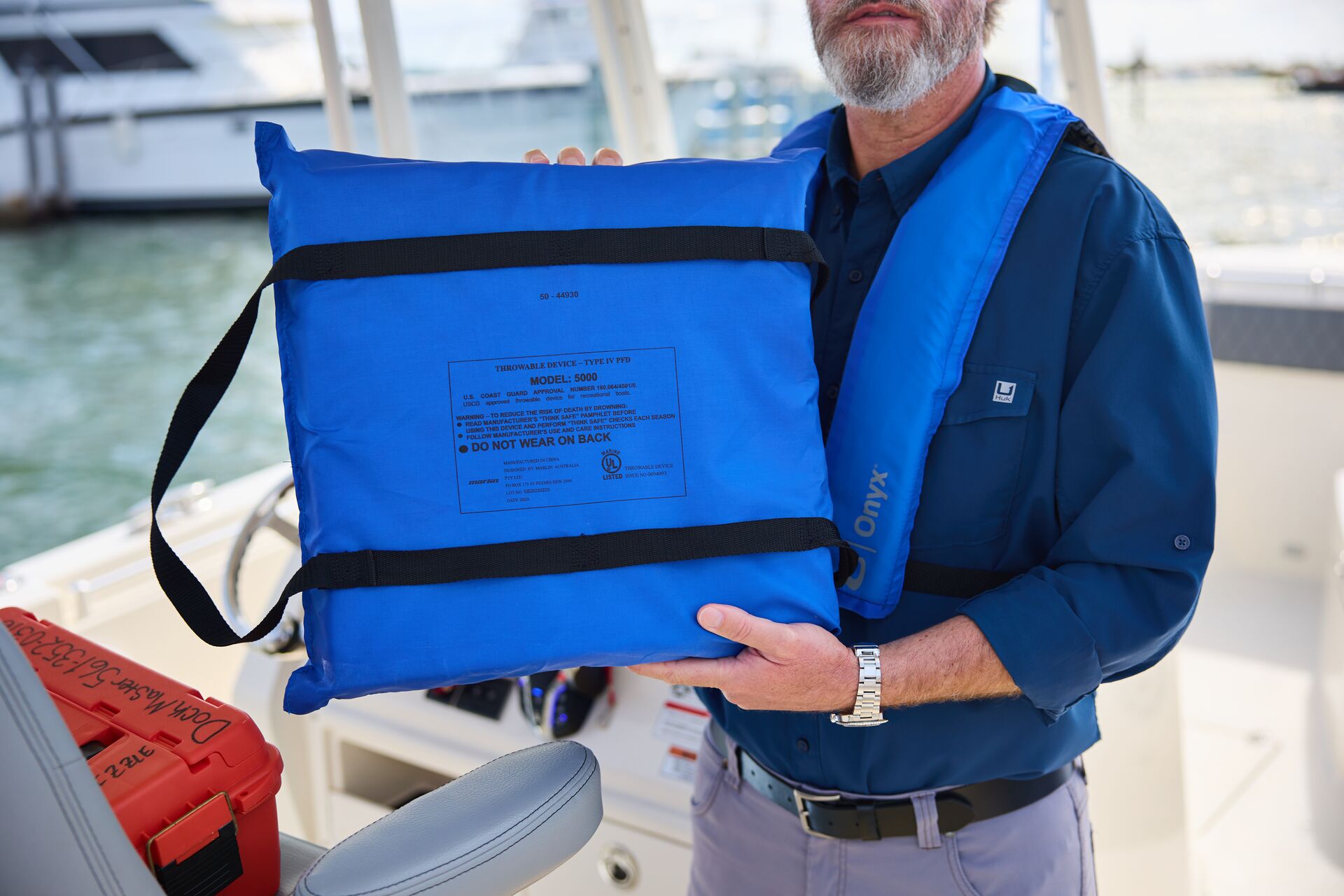
Throwable floatation devices (like life rings) are designed to be thrown to someone already in the water. That gives the distressed person a better chance of staying afloat until they can be rescued.
Make sure you keep your floatation devices easily accessible and that everyone onboard knows where to find them.
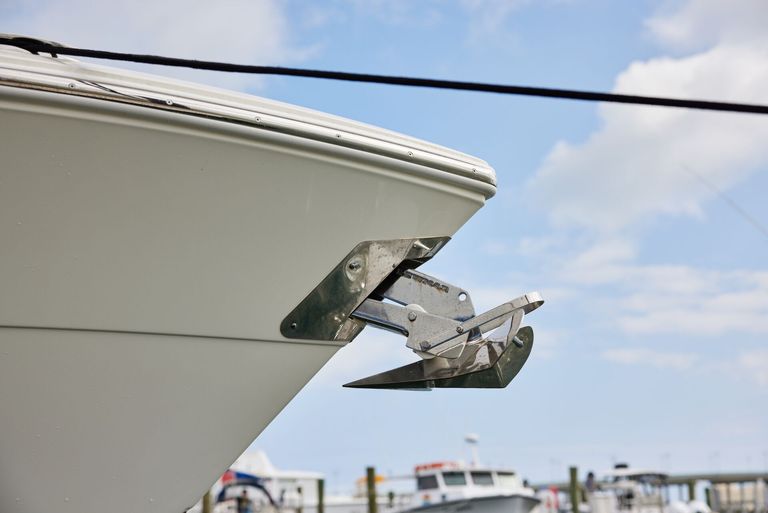
9. Anchor and Line
Anchors stop your boat from drifting, helping to keep it away from other vessels and dangerous areas. If your engine fails or you're in an area with strong currents, you want to be able to keep your boat in one place.
Choosing the correct type of anchor for the boating environment matters because you need the best one for the seabed in locations where you typically travel.
10. A Bilge Pump or Manual Bailer
A bilge pump helps remove water from the boat, reducing your risk of sinking if your ship springs a leak or you encounter heavy rain. A manual bailer also works, but it can be more challenging to use and may not be as efficient.
Inspect and maintain the bilge pump so it will work if needed.
11. Charts, a Compass, and GPS
Safe navigation is vital to boating, and these tools can help. While they're not things you need on a boat by law, they're critical if your electronic systems fail or you're in unfamiliar waters.
Even if you have a great GPS, always have a backup paper chart just in case. Apps like Wavve Boating are also a great option for navigating the waters.
12. A Carbon Monoxide Detector
If your boat has an enclosed cabin, carbon monoxide from engine exhaust can accumulate there. This odorless gas can be deadly.
Make sure you install carbon monoxide detectors and test them regularly, especially on motorized boats with cabins.
13. Tool Kit and Spare Parts
Small mechanical issues are easy to address if you have the right tools, which can prevent you from being stranded or ending up with a much bigger mechanical problem in the future.
Pro tip: Along with essential tools like screwdrivers and wrenches, carry duct tape and spare fuses on board.
Bonus Tips for Carrying Safety Equipment
Ensuring you have the proper safety equipment onboard is about more than meeting legal requirements. It's also about protecting and potentially even saving lives.
Inspect your boat and its safety equipment regularly to ensure functionality when needed.
Also, check your local boating regulations carefully and keep up with Coast Guard requirements for boats, as what safety equipment is required on a boat can vary by state, region, or from year to year.
Required Safety Equipment by Boat Length: US and Canada Compared
The 13 items we've highlighted cover what every recreational boat should carry. However, the U.S. Coast Guard and Transport Canada also scale specific requirements to your boat's exact length.
Larger boats need more fire extinguishers, distress signals, and lifesaving equipment than smaller ones, so a 15-foot runabout and a 35-foot cruiser answer to different rules. Use the table below to find the requirements that match your boat's length, whether you're boating in U.S. or Canadian waters.
Boat Safety Equipment Requirements by Length: US and Canada | ||
| Boat Length | US Requirements | Canada Requirements |
| Under 16 ft (up to 6 m / 19'8") |
|
|
| 16–26 ft (6–9 m / 19'8"–29'6") |
|
|
| 26–40 ft (9–12 m / 29'6"–39'4") |
| Same core equipment as the 6–9 m category, with fire extinguisher and distress signal requirements that scale up per Transport Canada's Safe Boating Guide. |
| 40–65 ft (12–24 m / 39'4"–78'9") |
| Same core equipment as smaller pleasure craft, with expanded firefighting, navigation, and distress-signal requirements set out in Transport Canada's Safe Boating Guide. |
Along With These Safety Things Needed on a Boat, Take a Boating Safety Course
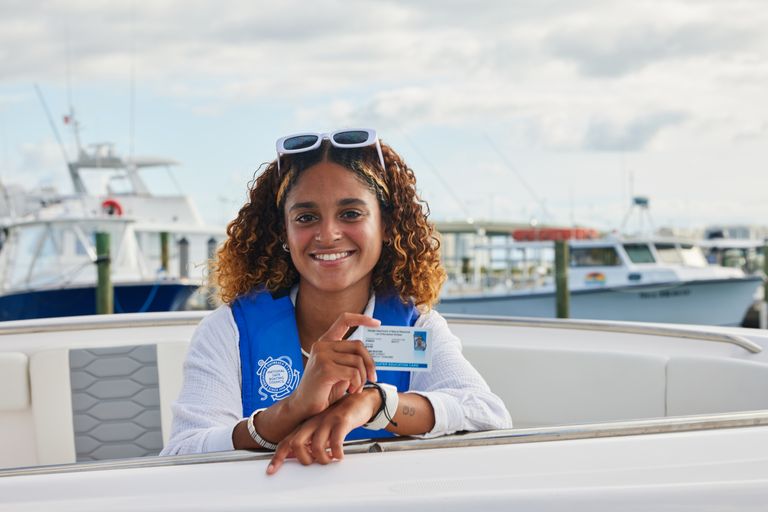
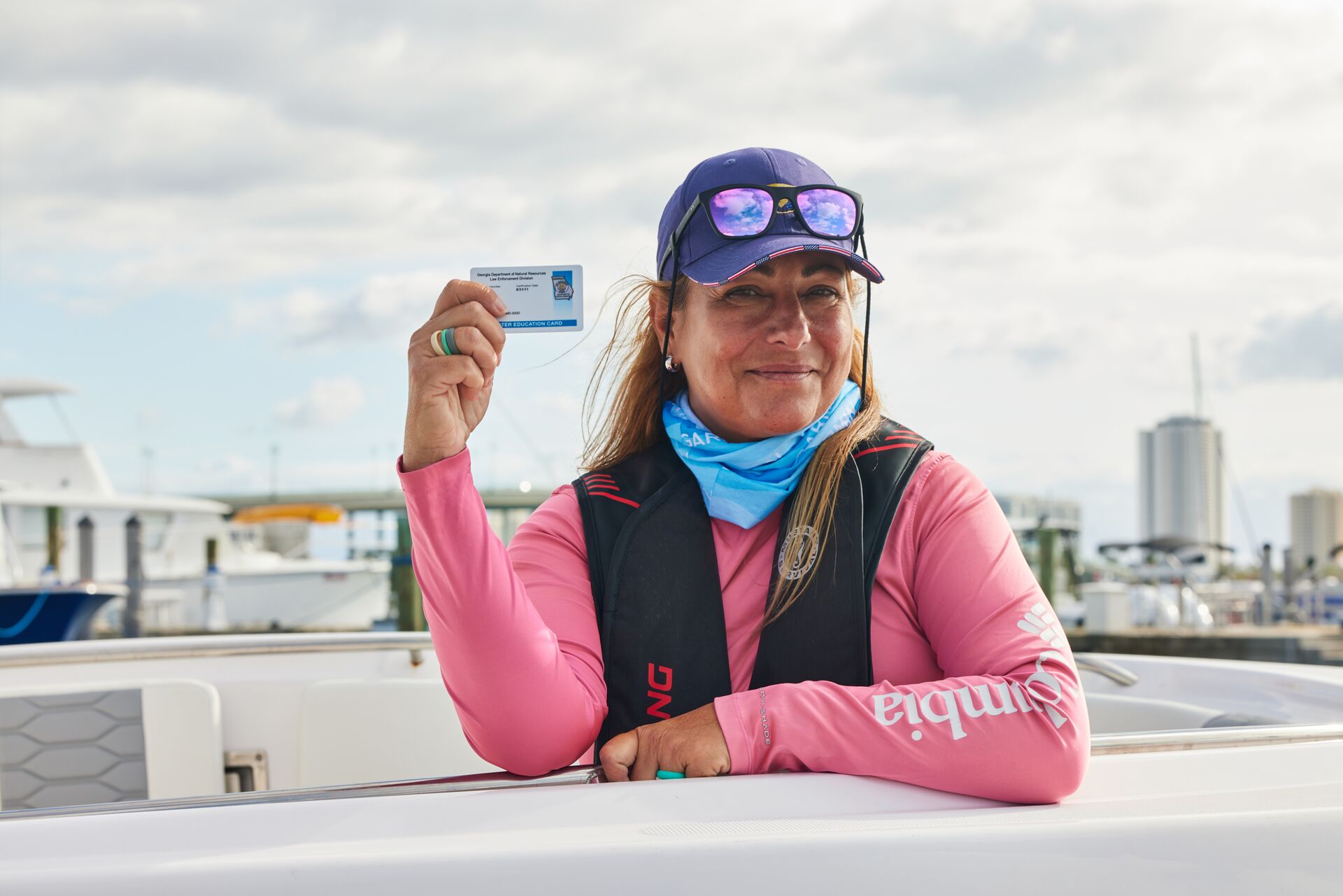
Along with what safety equipment is required on a boat, don't forget to carry the knowledge you'll gain in a boater education course. A state-approved or Canada-approved course can teach you about boating and water safety to increase your confidence and peace of mind.
BOATERexam delivers fun and engaging online courses for boaters in the U.S. and Canada! We make it fast and easy to learn everything you need to know to boat safely, including the equipment you need on board and what to do in an emergency.
Before hitting the water this season, make sure you've passed a course. In the U.S., choose the course for your state. In Canada, take our Canada-approved course!


Content most recently reviewed and updated September 3, 2026.
Frequently Asked Questions (FAQs)
Q: What safety gear is required on a boat in Canada?
A: Transport Canada requires every pleasure craft to carry a Canadian-approved life jacket or PFD for each person on board, along with equipment like a sound-signalling device, navigation lights, and a bailer or bilge pump. Boats with a motor also need visual distress signals, such as flares or a watertight flashlight, and most require a magnetic compass and radar reflector. The exact list of required equipment depends on your boat's length and whether it's motorized, so check the specific requirements for your vessel before heading out.
Q: What's required by boat size?
A: Transport Canada and the U.S. Coast Guard both scale safety equipment requirements to a boat's length, with larger boats needing more fire extinguishers, distress signals, and lifesaving gear than smaller ones. A boat under 16 feet (or up to 6 m in Canada) has the lightest requirements, while boats in the 40-to-65-foot range need multiple fire extinguishers, additional flares, and expanded firefighting equipment. Checking your boat's exact length against the official length categories is the easiest way to confirm what you need on board.
Q: Do I need a fire extinguisher on my boat?
A: Whether you need a fire extinguisher on your boat or not depends on your boat's size and fuel setup. In the U.S. and Canada, boats with an inboard engine, a fixed fuel tank, or a fuel-burning appliance need at least one approved fire extinguisher on board, and larger boats need more than one. Boats without an enclosed engine or fuel compartment, like many small outboards, are often exempt. It's still a smart item to carry.
Q: What happens if I don't have the required safety equipment on my boat?
A: Operating without the required safety equipment can result in a fine from the Coast Guard, Transport Canada, or a state or provincial marine enforcement officer. Beyond the legal risk, missing equipment leaves you and your passengers without the tools you need in an emergency, like a fire, a capsizing, or someone falling overboard. Checking your equipment before every outing helps you avoid both the fine and the danger.
Q: Are life jackets and PFDs the same thing?
A: Not exactly. Life jackets are designed to turn an unconscious person face-up in the water and offer a higher level of protection, while PFDs are more comfortable for everyday wear but don't provide the same automatic turning ability. Both types must be approved and sized correctly for each person on board, so choosing the right one depends on your boating activity and the water conditions you expect.
Q: Do I need a whistle or horn on a small boat?
A: Yes, nearly every boat needs a sound-signalling device like a whistle, horn, or bell to alert other vessels in low-visibility conditions or emergencies. Even small, human-powered boats like canoes and kayaks are required to carry one. Testing it before you leave the dock ensures it will work if you need it.