All About Boat Cleats (and How to Use Them)
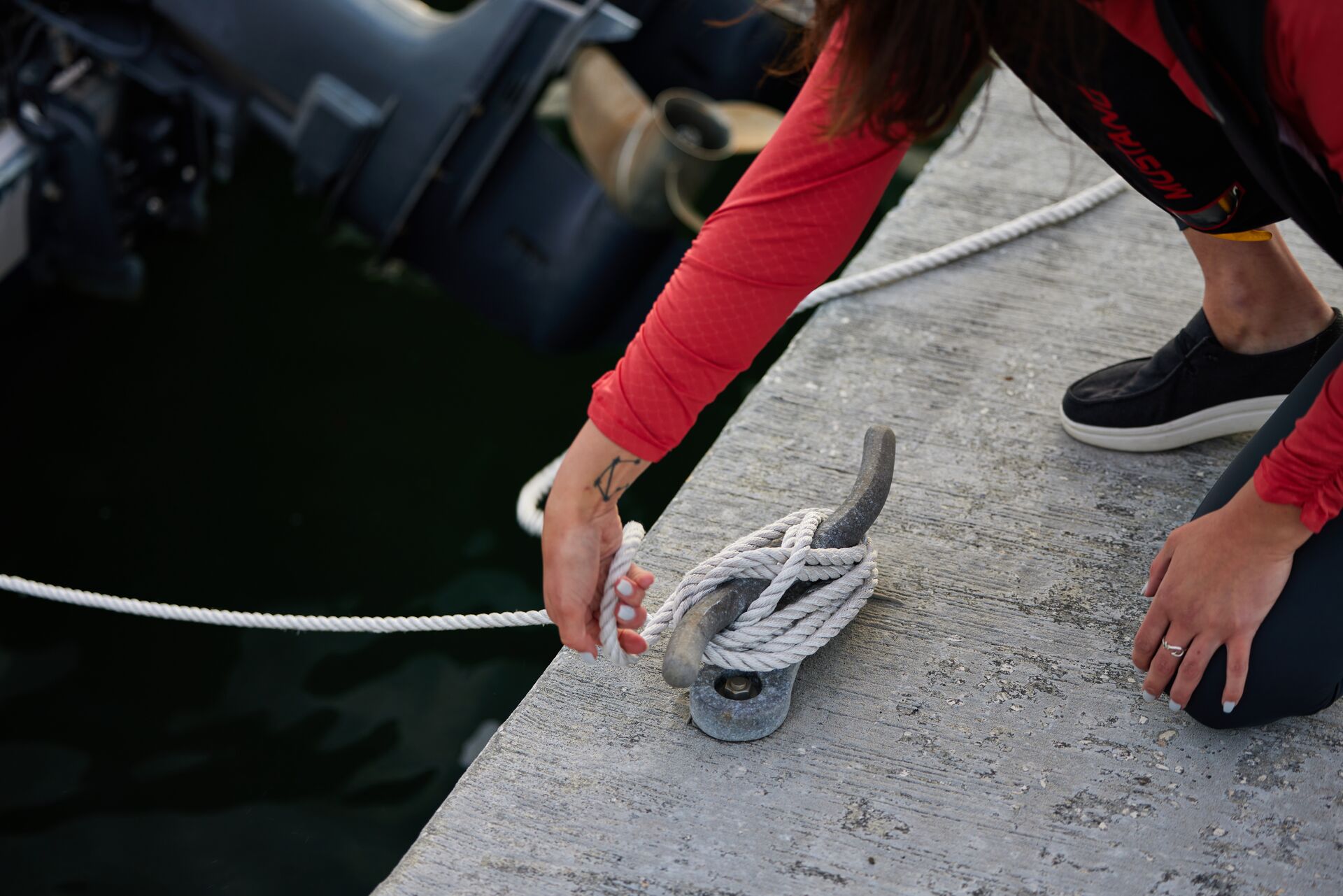
Just like knowing how to use a marine radio, understanding boat cleats (and how to use them) is an important aspect of boating safely. Cleats are crucial hardware required for safely docking your vessel.
Here's what to know about these essential fittings on your boat, how to use them the right way, and the different types you might see, depending on the vessel you have.
What Is a Boat Cleat?
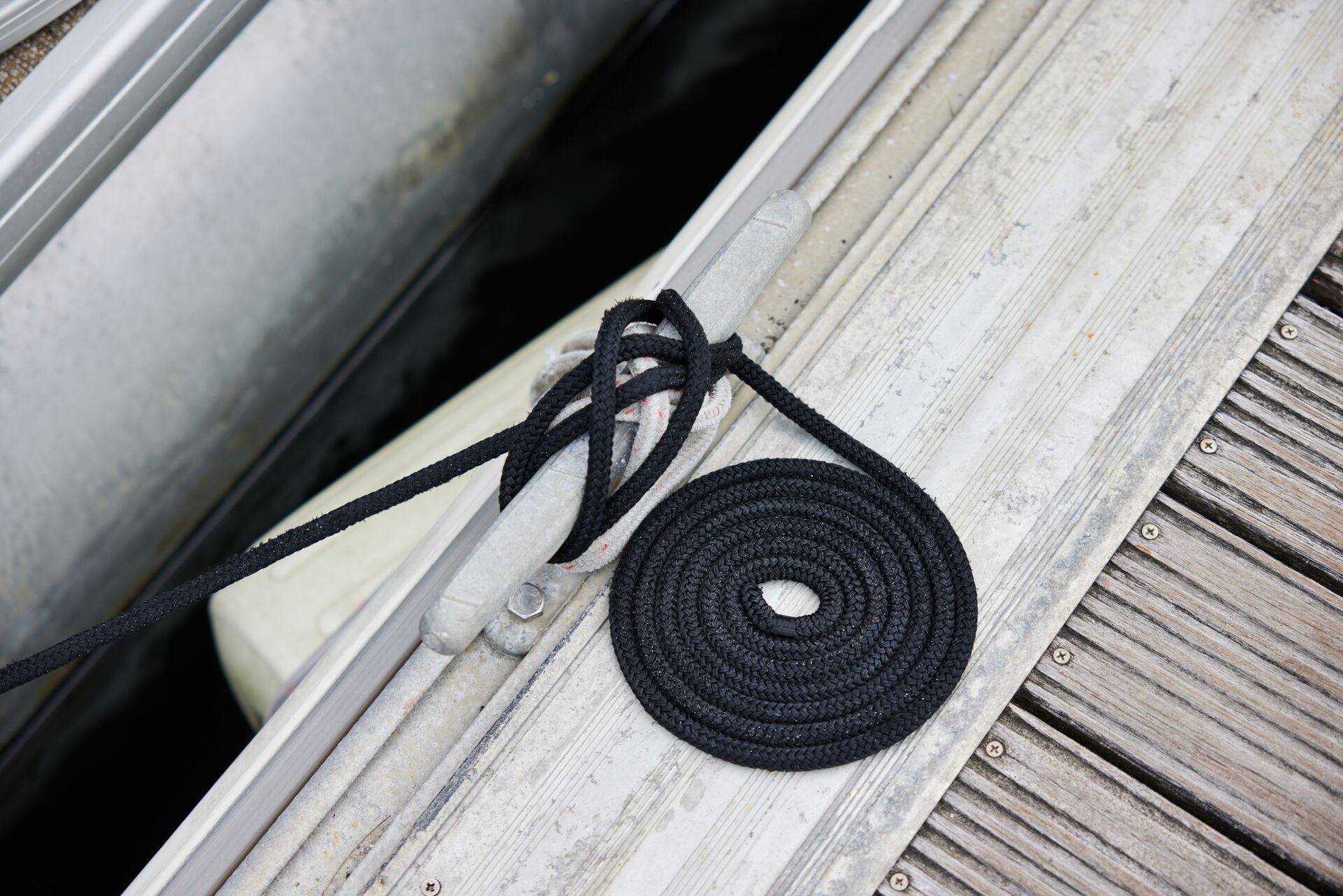
A boat cleat is a hardware fitting commonly found on boats and docks. It's usually made of stainless steel, galvanized metal, or nylon, so it can withstand the elements and last a long time.
You'll use cleats to secure lines (ropes) on your boat or the dock. This fitting acts as an anchor point to tie off dock lines, fenders, or anchor lines.
Using cleats is essential for safe docking, mooring, and line management on any vessel, regardless of size. Getting comfortable with using the cleats on your boat means you can tie it off quickly and efficiently, making docking easier and safer for you and others around you.
What Are the Types of Boat Cleats?
There are several boat cleat types, and understanding what each one does means you can choose the right one for your specific needs more easily. Over time, you'll become accustomed to all of them and know which one to use in every situation.
1. Horn Cleats
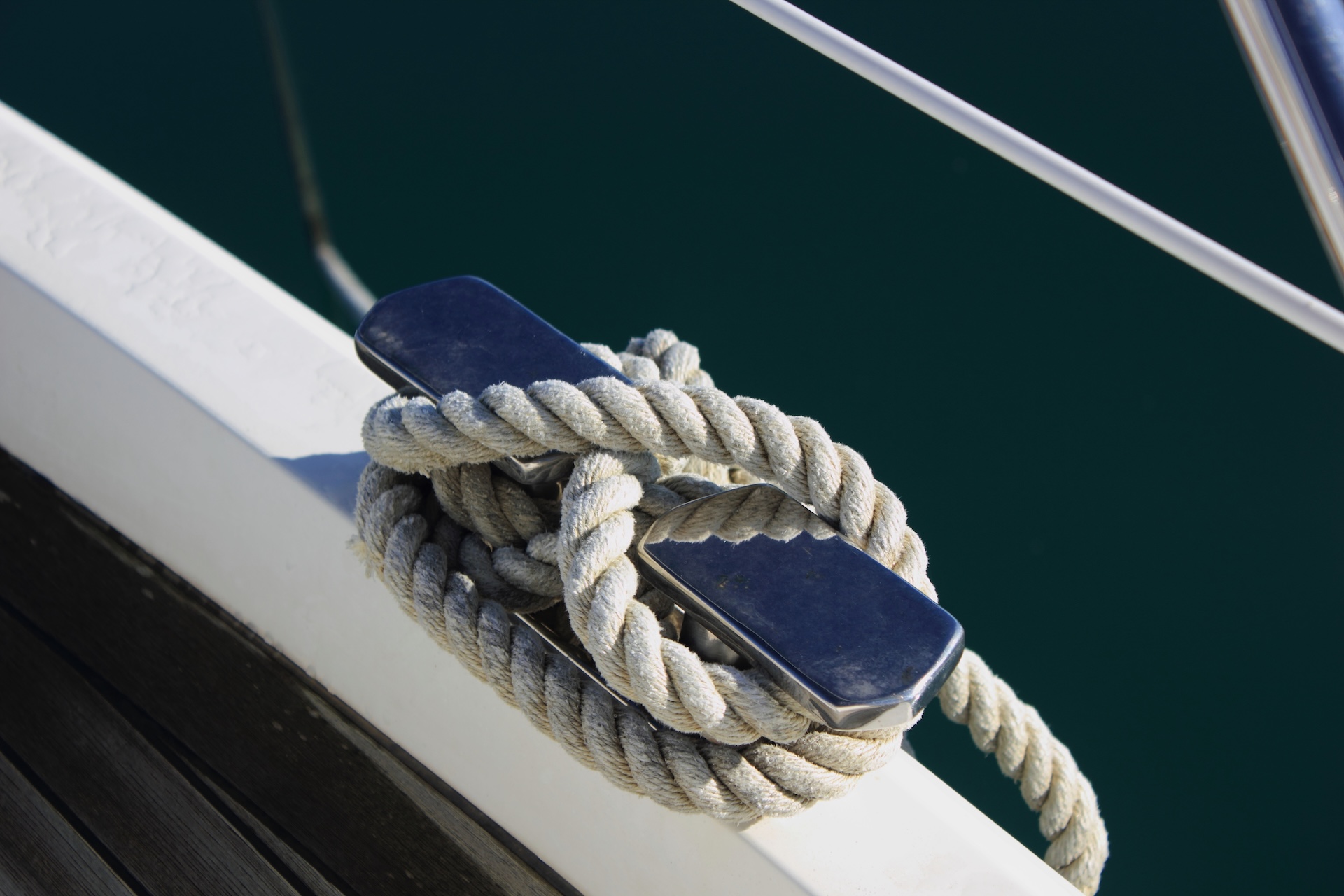
Horn cleats are the most common style. You'll see them on nearly every recreational boat and at almost every dock.
They're T-shaped with two "horns" used for wrapping and securing ropes. Not only are they common on boats and docks, but they're easy to use and one of the cleats you'll learn about first in a boating education course.
2. Pop-Up Cleats
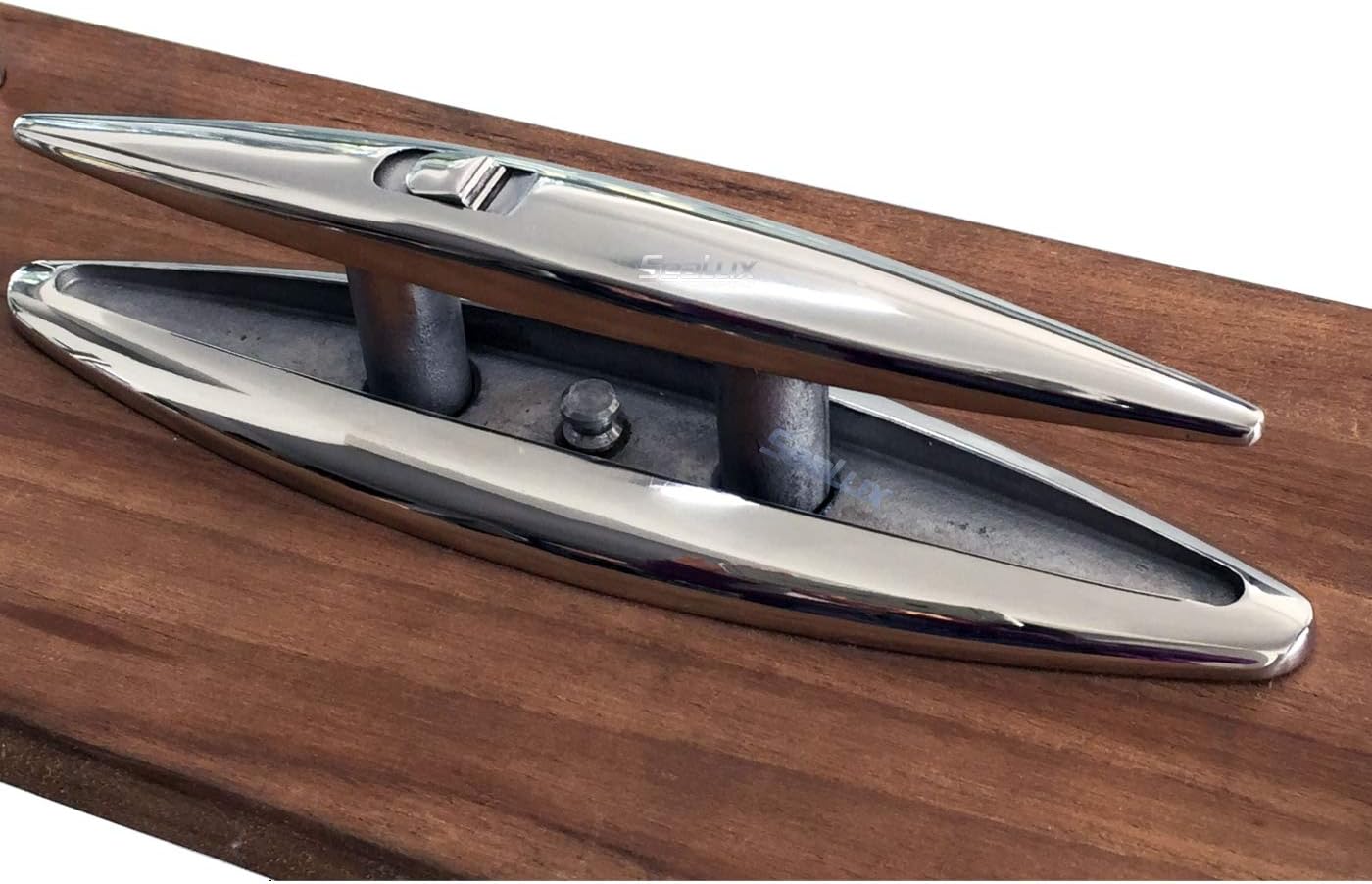
Pop-up cleats are different from horn cleats in that they're sleek, low-profile options that sit flush with the surface when not in use. These are ideal for high-end boats and also excellent choices for minimizing tripping hazards in locations where people may be entering and exiting the vessel.
3. Fold-Down Cleats
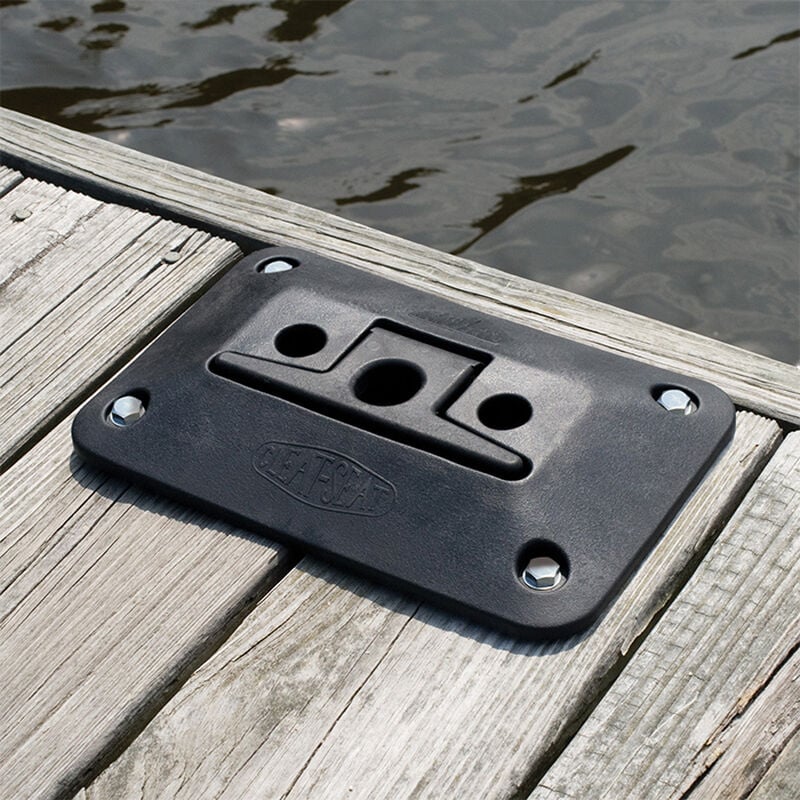
These cleats are similar to pop-ups, but instead, they fold up or down manually as needed. They're a practical option where deck space is limited, as you can access them when needed and tuck them away when they're not required, so they aren't in the way.
4. Clam Cleats / Cam Cleats
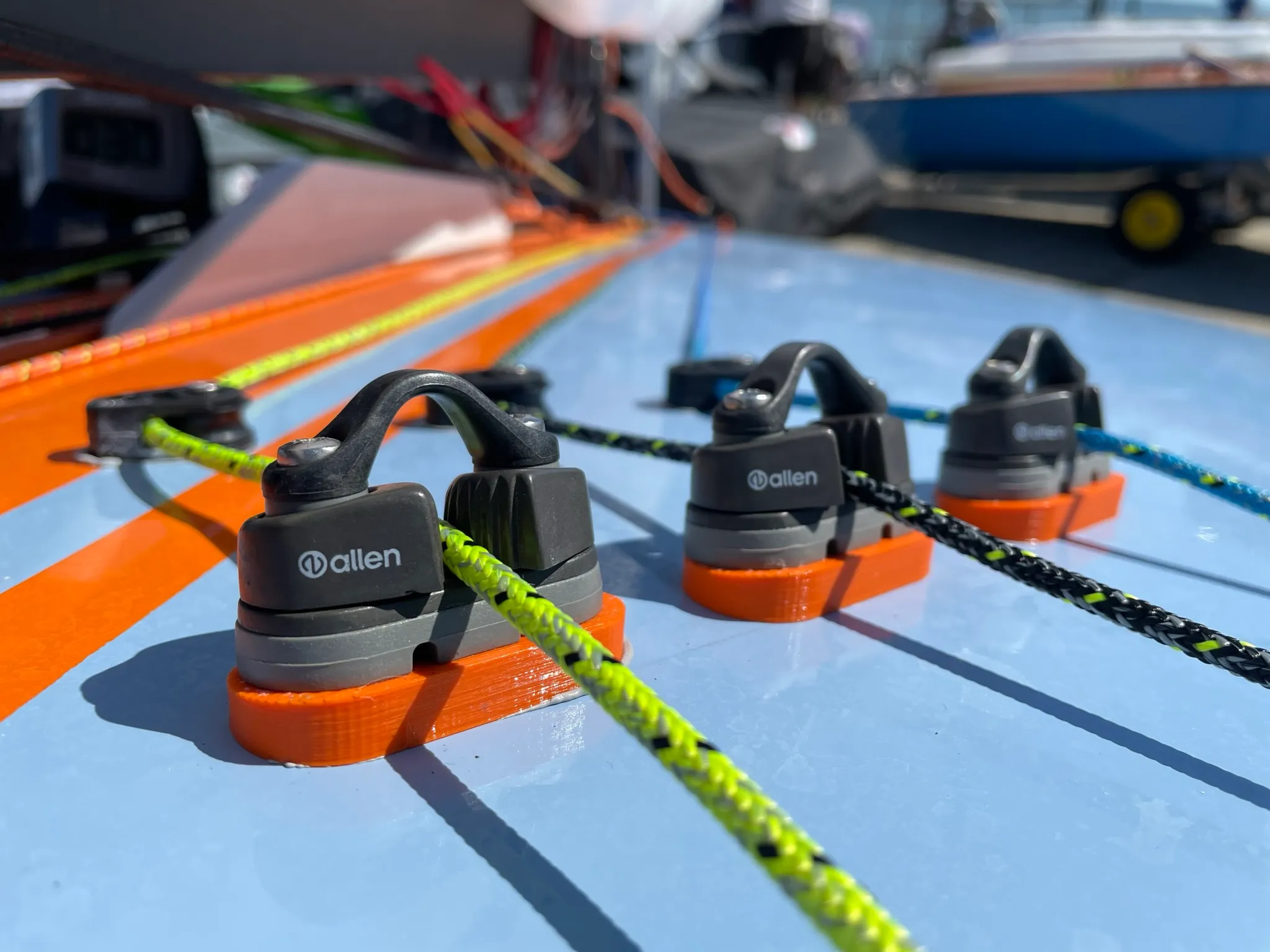
With these kinds of cleats, rope is pulled through and held in place with teeth or cams. They're not as common on motorized vessels, but are often used on sailboats, as they can be beneficial for quick-release control of sheets and halyards.
5. Open Base Cleats
An open base cleat makes fast line adjustments easy and is common on smaller boats. It's less secure than a closed base cleat for long-term mooring, but most small vessels don't require the extra strength of a closed base cleat and typically stay moored for only short periods.
6. Closed Base Cleats
These cleats are strong and secure, making them ideal for tying down heavier loads or using in rough water conditions. If you frequently travel in rougher waters or carry heavy loads on your vessel, you'll want to consider closed base cleats.
How to Use Boat Cleats
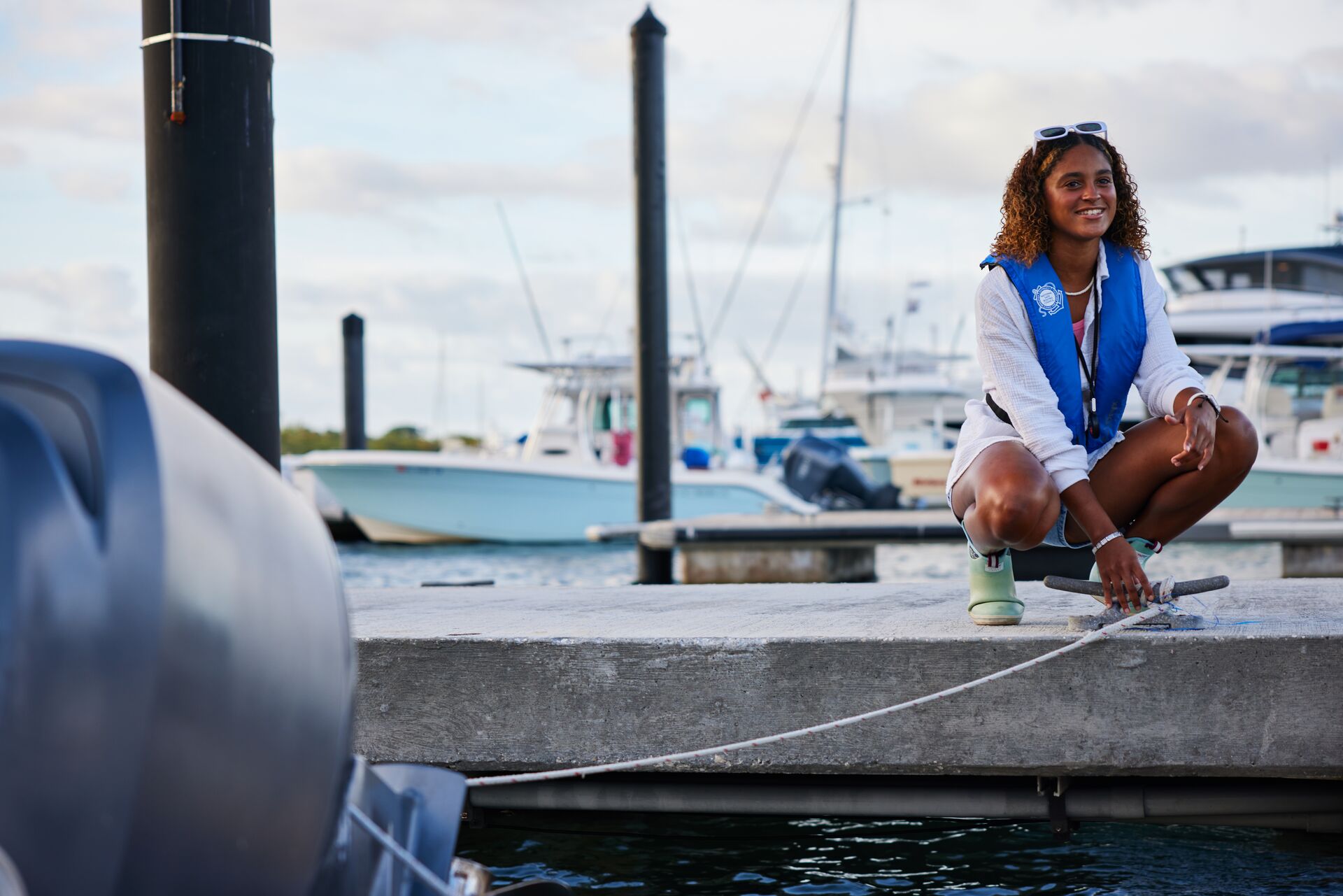
Now that you know a bit about different types of cleats, let's talk about how to use them. Here's the right way to use boat cleats for some specific kinds of activities.
Cleat Hitch Knot
This is an essential boating knot for securing a line to a horn cleat. To create it, start with a turn under the horn, then a figure-eight motion, and finish with a locking loop.
Securing Dock Lines
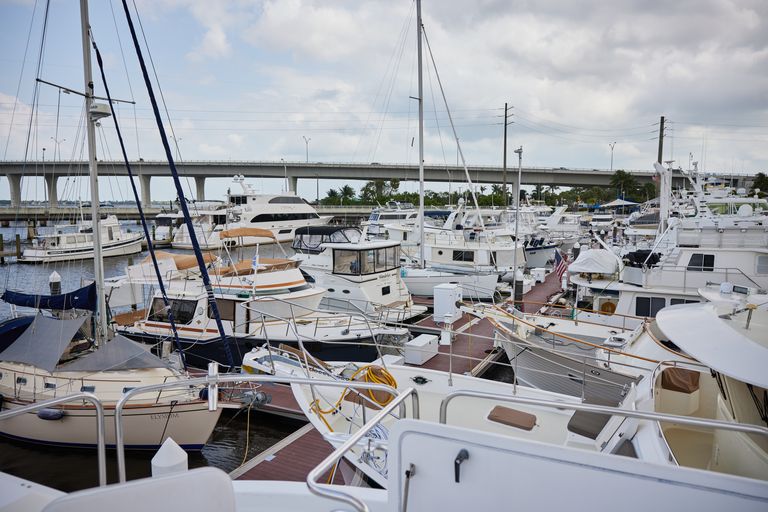
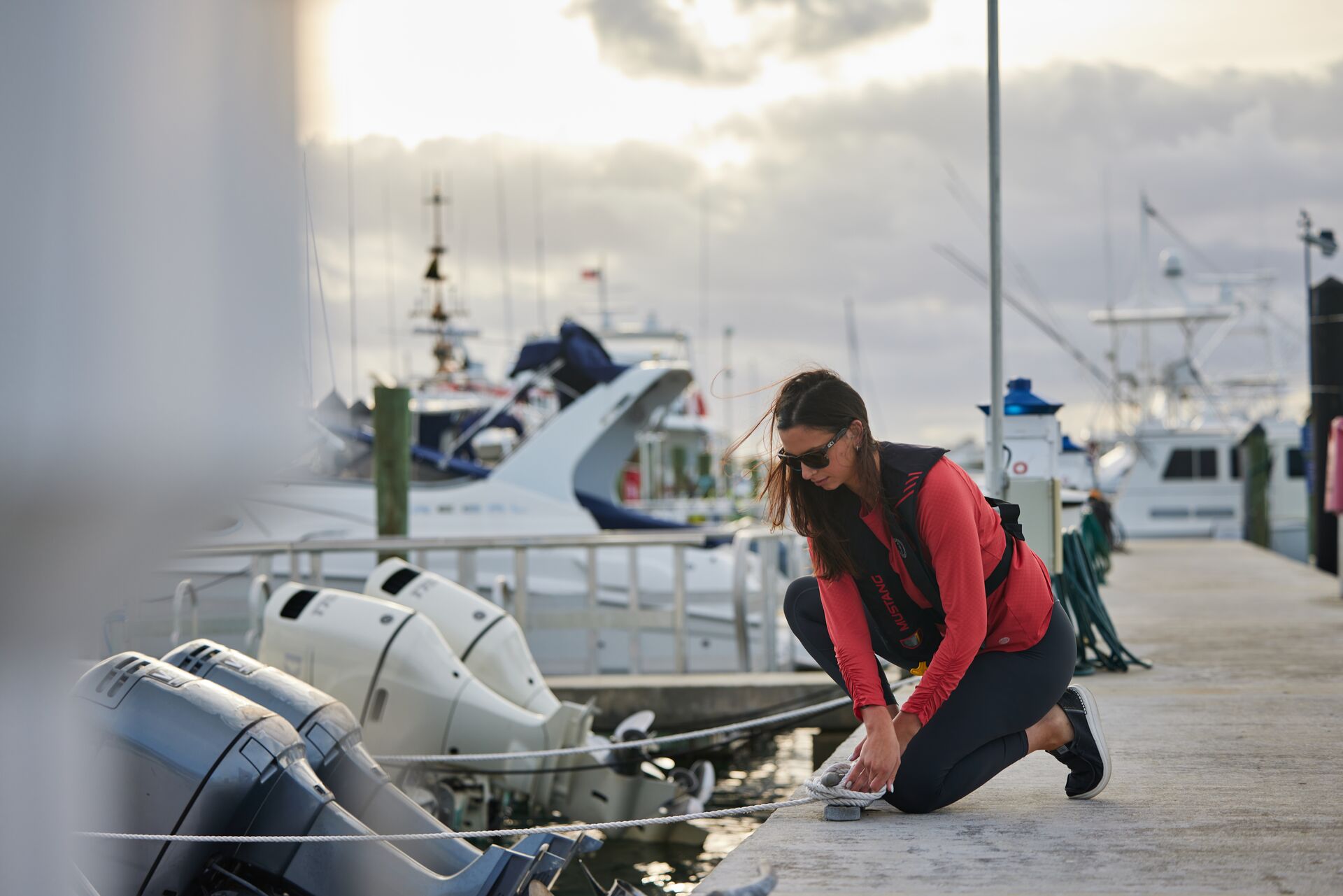
You should always approach the dock slowly and then tie bow, stern, and spring lines to cleats using cleat hitches. Maintain proper tension to avoid boat drift.
Temporary Ties vs. Long-Term Mooring
If you plan to moor for an extended period, use heavier lines and multiple cleats. However, if you're only tying off quickly for a short period, though, lighter lines or a single cleat may be sufficient.
Best Practices and Safety Tips
To reduce the chances of an accident, make sure that you don't overload a cleat. You'll want to use appropriately sized cleats and lines for your boat's size and weight. Also, regularly inspect cleats for corrosion, cracks, or looseness, and replace any that are damaged.
Keep your cleats clear of obstructions to prevent tripping hazards or line snags. Consider adding backing plates when installing new cleats. Doing this will give you more substantial support.
Learn More About Boat Cleat Types and Safety with BOATERexam
So, what is a boat cleat? Boat cleats may seem like simple hardware, but they're vital to safety and convenience on the water. Knowing the different types and how to use them properly ensures a smooth docking experience, secure mooring, and peace of mind on all your boating adventures.
Ready to add to your boating safety knowledge? Take a boater education course to learn more about boat cleats and other safety measures on the water. BOATERexam online courses help you build your confidence on the water by teaching the safety essentials you need. Plus, our courses are approved by the U.S. states and Transport Canada!
Boost your safety knowledge and meet your area's boater education requirements with BOATERexam! Take the course for your state or choose our course for Canadian boaters.
Frequently Asked Questions (FAQs)
Have questions about boat cleats? We have answers!
1. What is a boat cleat?
Boat cleats are fittings on boats or docks used to secure ropes or lines, typically for docking or mooring.
2. What are the types of boat cleats?
There are several types of cleats, including cam cleats, horn cleats, pop-up cleats, and flip-up cleats.
3. Why are cleats important?
Cleats safely secure the boat to anchors, docks, or moorings. This helps prevent drifting or damage.
4. What are boat cleats made of?
Cleats are typically made of aluminum, nylon, stainless steel, or galvanized metal, depending on the application.
5. How do you choose the right size cleat?
A general rule is that you'll need one inch of cleat length for every 1/16 inch of line diameter you use.