How to Handle Boats in Rough Seas [A Guide]
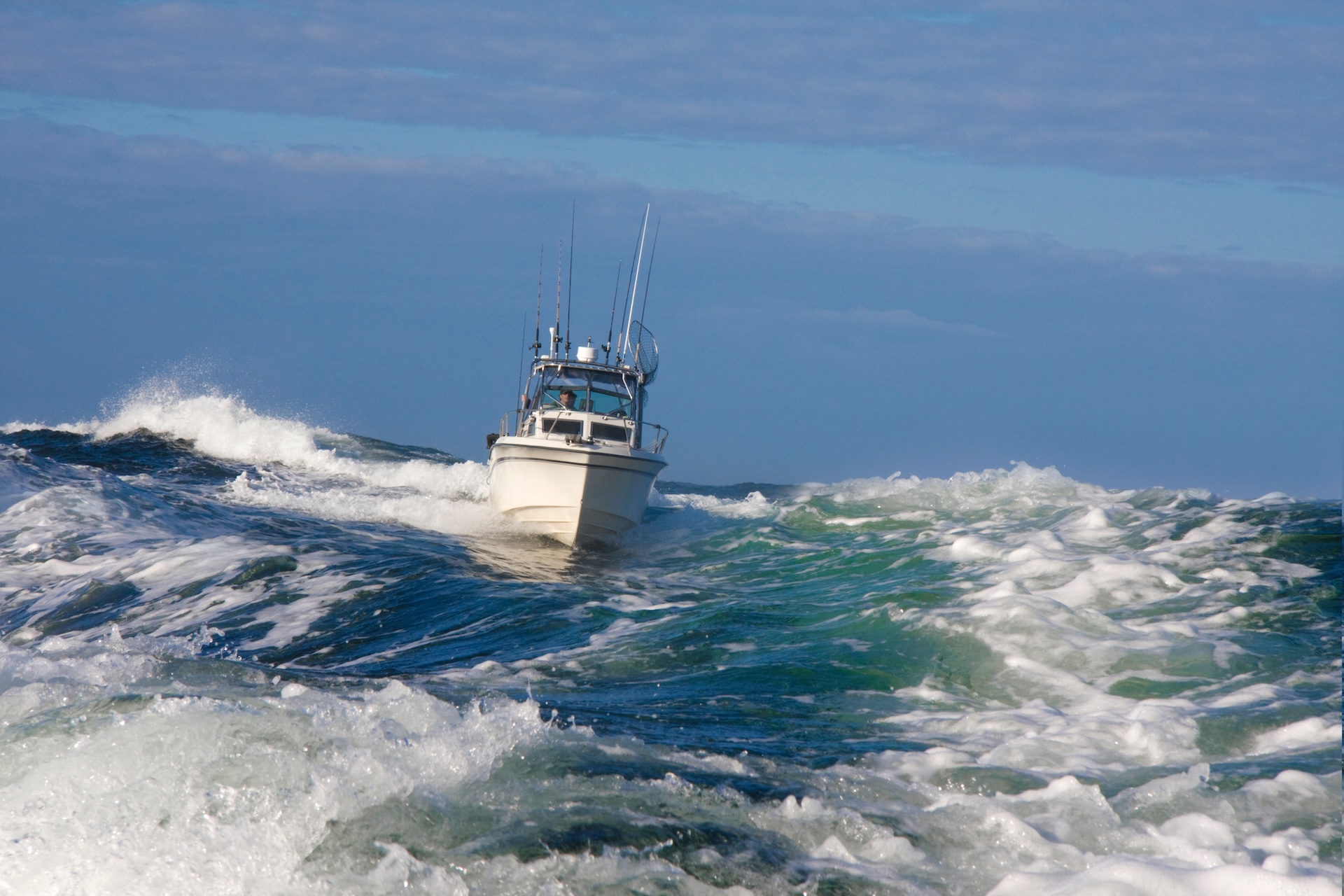
Boating in rough water can be dangerous, but experience, planning, and education can help boaters navigate safely when the weather turns.
Experience on the water will help you read the seas and approach waves at the optimum angle. Additionally, with the right insights, you will be able to evaluate different types of vessels, discover the best tactics for handling boats in rough seas, and learn to prioritize safety.
Consider this idea: “A smooth sea never made a good sailor.” It may sound like a contradiction. The message, however, is to embrace and learn from challenges, and to apply those experiences — along with preparations and training — when you are forced to navigate rough seas.
Let's help you become a good boater! Today, we cover tips for handling boats in rough waters.
What Shape of Boat Best Handles Rough Water?
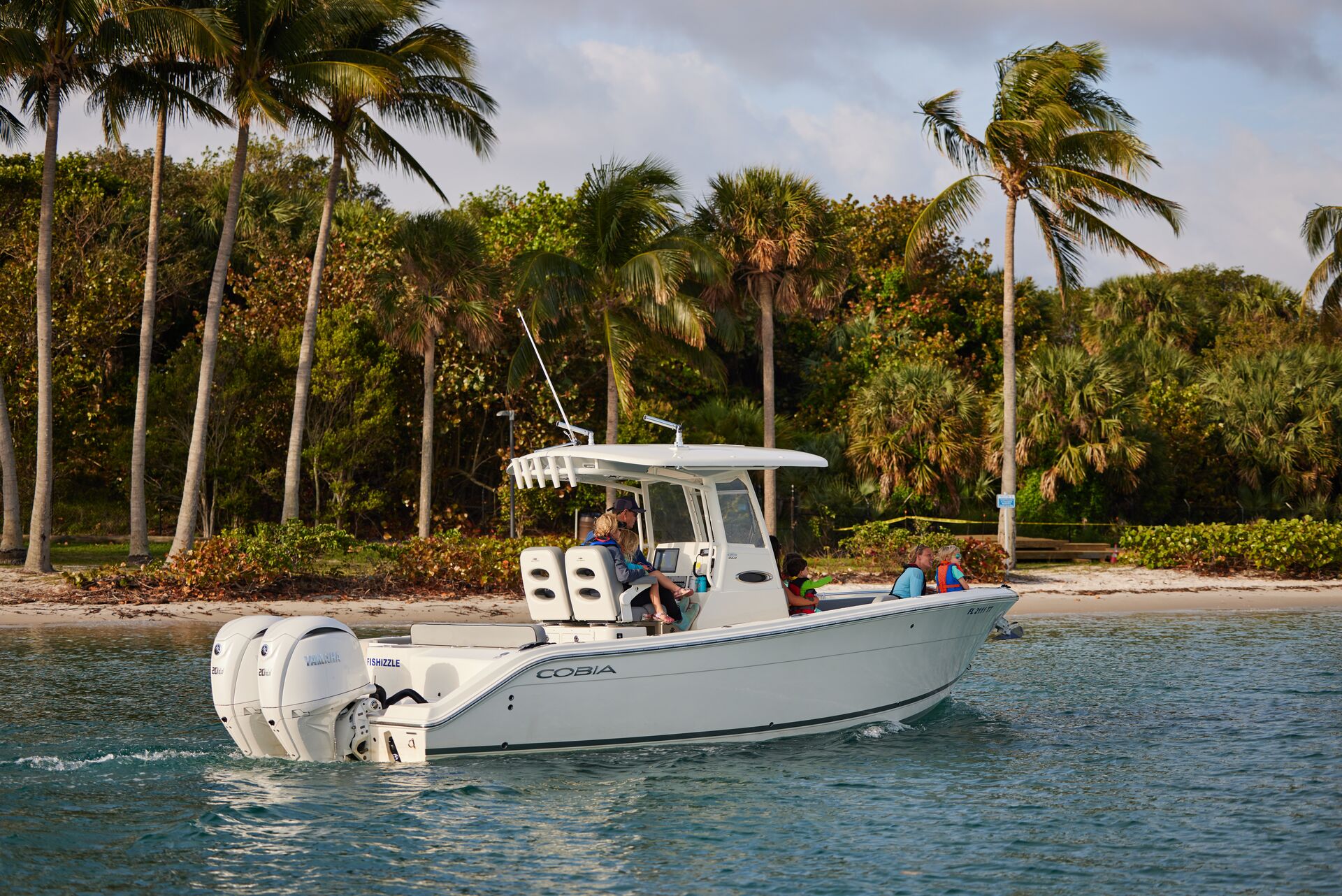
The design of your boat’s hull will influence the vessel’s stability, control, and maneuverability. This is true in all nautical conditions, but the effects are magnified in rough weather.
The hull design can be the difference between smoothly cutting through waves and being pounded, rolled, or swamped. It's important to know what shape of boat best handles rough water.
For example:
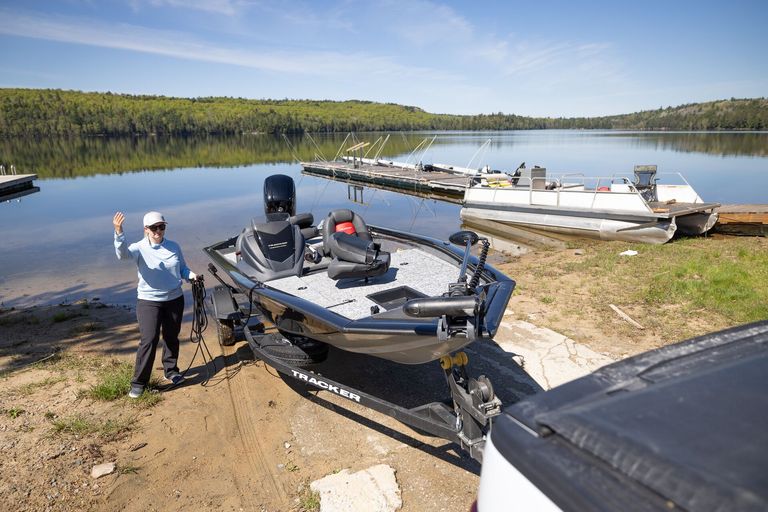
- Flat-bottom boats have their place in calmer water and are designed to access shallow areas. In rough seas, however, this hull design will lead to a jarring ride where the boat is slammed against waves. These boats may also have a lower gunwale, making it easier for water to enter the boat.
- In contrast, V-hull boats are designed to cut through the waves and provide a smoother ride. When evaluating these hulls, consider the deadrise, which is a measurement of the angle between the keel and the chine. A V-hull boat with a high deadrise (above 20 degrees) is designed to deliver wave-cutting performance, stability, and a drier ride in rougher water.
- Catamarans and other multihull boats can also offer better control and stability. These designs are less vulnerable to rolling in heavy seas and can be safer for passengers.
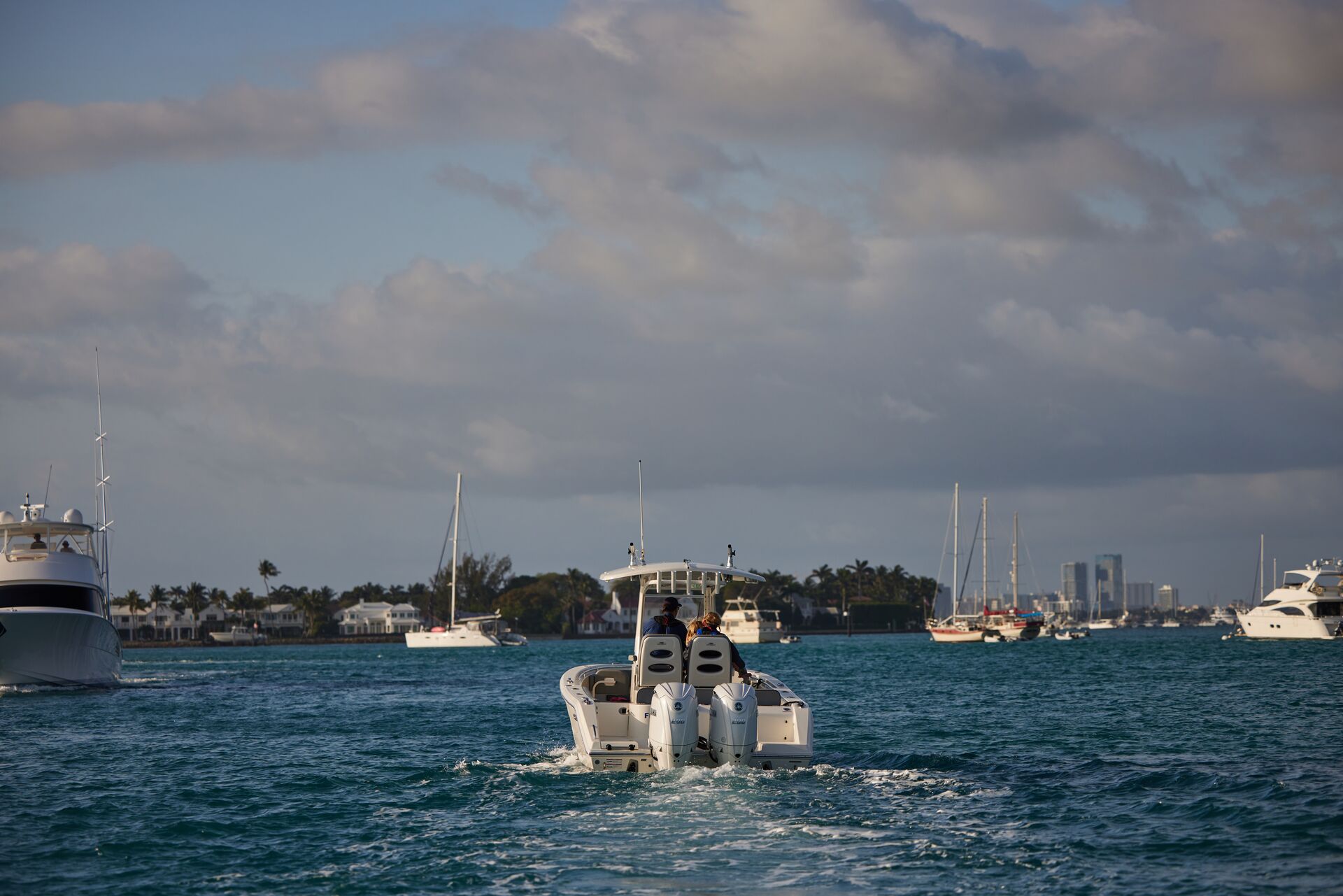
You don't need to choose a boat with a specific hull type solely based on how it will handle in rough waters. Just be sure you understand the correlation of the hull type and how it handles in different situations.
Watch the Weather
Checking the weather forecast is an important part of preparing for a boat outing on the water, but consider a few more factors than just the chances of an afternoon thunderstorm.
Wind direction, wind speed, and wave frequency are critical parts of the weather forecast in your specific location.
What is Wave Frequency?
Wave frequency is an underappreciated part of the marine forecast, and one that can have a dramatic effect on your boating experience. This is a measurement of the time between two crests or troughs of waves.
For example, conditions with five-foot waves every six seconds will lead to a rough ride in smaller boats since the waves will be rapidly smashing against the bow. In other conditions, perhaps fueled by an offshore storm, the wave frequency may be as long as 12-20 seconds. On those days, you’re likely to find a smoother ride on the swells.
Weather Can Change Throughout the Day
Local conditions will change throughout the day, so observe the signs of deteriorating weather. This can be as obvious as dark clouds in the western sky or a 180-degree shift in the wind.
Boaters must learn to take heed of warning signs like sudden temperature changes or falling barometric pressure. When the barometric pressure starts to drop quickly, it’s a sign of a low-pressure system that can bring clouds, rain, and wind.
Trim Your Boat Correctly for Boats in Rough Seas
In choppy water conditions, it's also important to understand how to trim your boat correctly.
"Trimminig" a boat means adjusting the engine angle and/or trim tabs to maintain the bow's position, enabling it to cut through waves efficiently. Move heavy gear and passengers to the boat’s center and keep the bow flat but high enough to prevent stuffing into waves.
Rough weather can magnify the effects of boat “porpoising,” where the bow rapidly bounces up and down. The root causes are often having too much weight in the stern and having the trim levels set too high.
Tackle Waves at an Angle
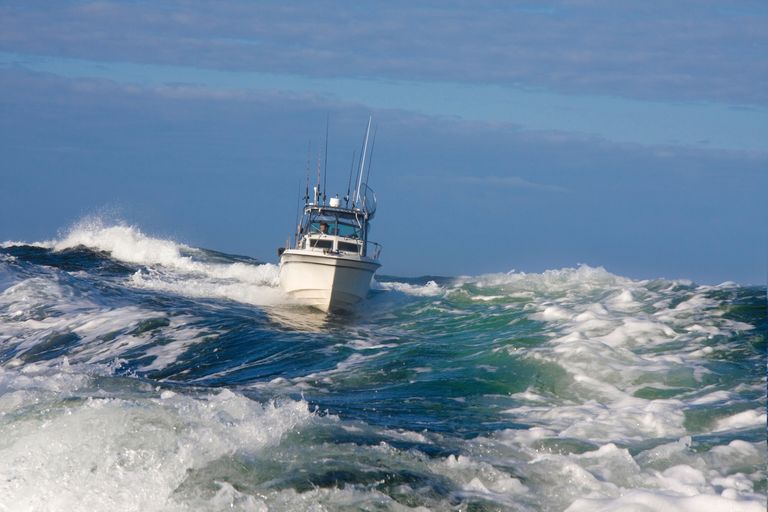
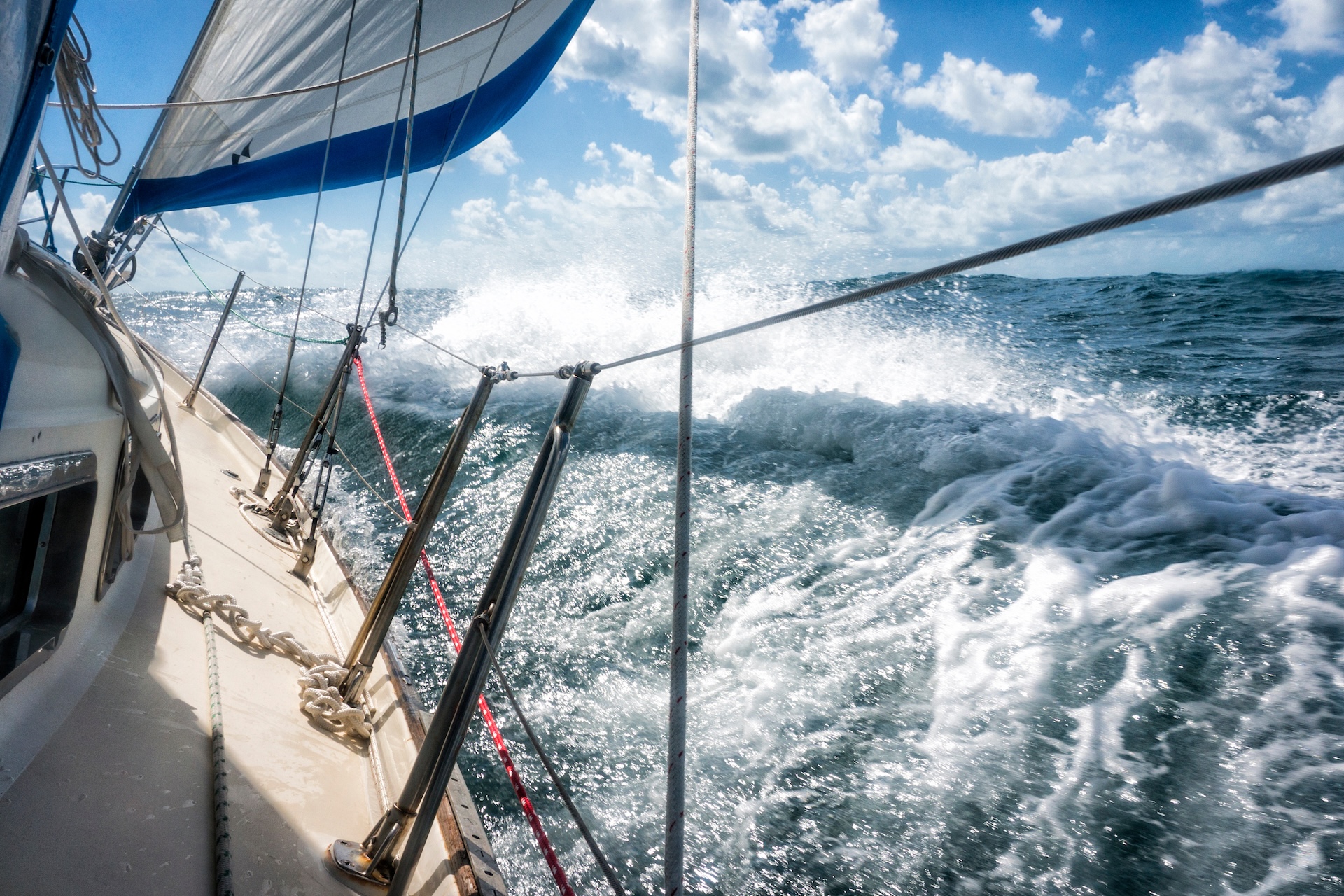
A head-on course into the waves will lead to heavy pounding against the bow. Even more dangerous is a broadside approach, parallel to the waves, which could lead to the boat capsizing.
The most effective strategy is to approach waves at a 30–45-degree angle. That may not be a direct path to your destination, so it may be necessary to use a tacking or zig-zag approach.
Should the seas become too dangerous, it may be necessary to adjust your route or pause heading toward your intended destination until conditions improve.
Boating in rough seas will require constant adjustments to your speed to ride the waves safely. Maintain a position about a third down from the crest of the wave, since this will give you more reaction time to avoid having waves break on your stern.
Slow Down and Stay Alert
Rough sea conditions may call for reduced speed. Remember, the priority is safety, and the force of pounding waves can damage the hull and cause injuries to passengers.
Also, remember that stormy weather brings multiple challenges. In addition to waves and choppy water, visibility is reduced. The storm or tidal surge can also churn up marine debris, making it more difficult to see or hear other vessels.
If possible, assign a lookout to help identify hazards.
Secure Loose Gear and Passengers
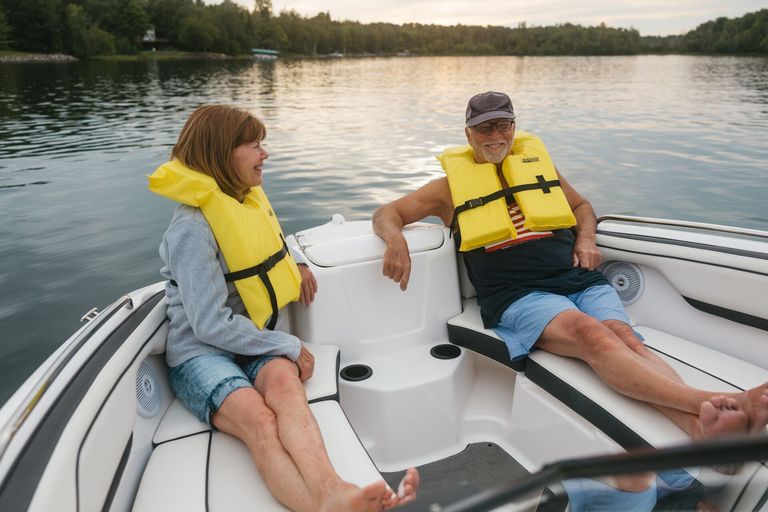
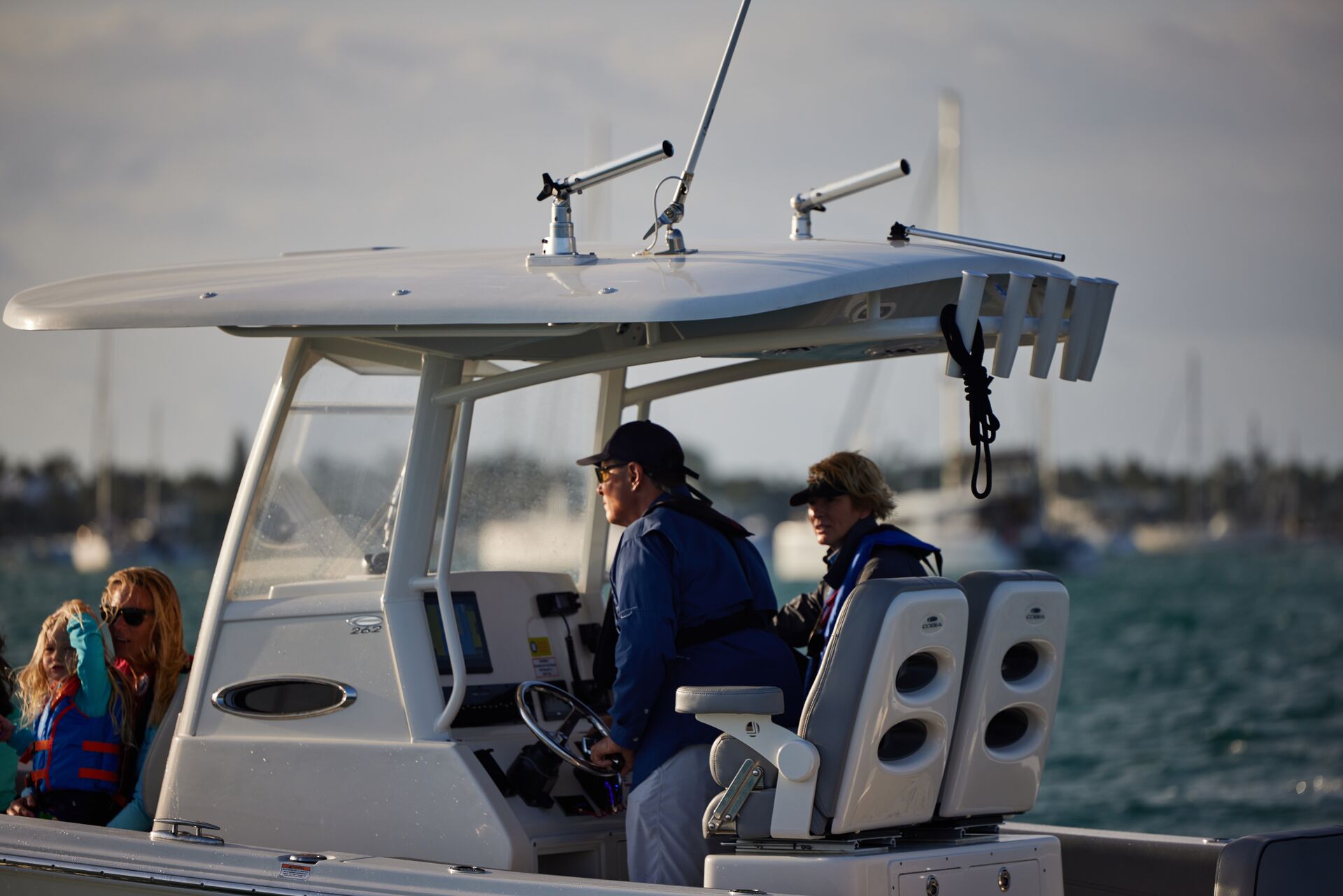
Don’t wait for an emergency to ensure everyone on board is wearing a properly fitted life jacket. Everyone should be wearing a life jacket while on board, even in calm waters.
Having loose gear aboard can also create hazards and lead to an unbalanced boat. Secure or tie down gear as part of your safety protocol.
If conditions worsen, passengers should remain seated and/or hold onto grab rails.
Be Prepared with a Boater Education Course
Before heading out for a day on the water, make sure you've taken a boater education course. These courses help build your knowledge for managing boats in rough seas. They provide a foundation in how to observe and predict the weather, properly navigate through waves, and perform emergency procedures.
Many states require boater education certificates. Plus, this certification can help lower your boat insurance costs.
Learn How to Stay Safe in Rough (or Calm) Waters with BOATERexam
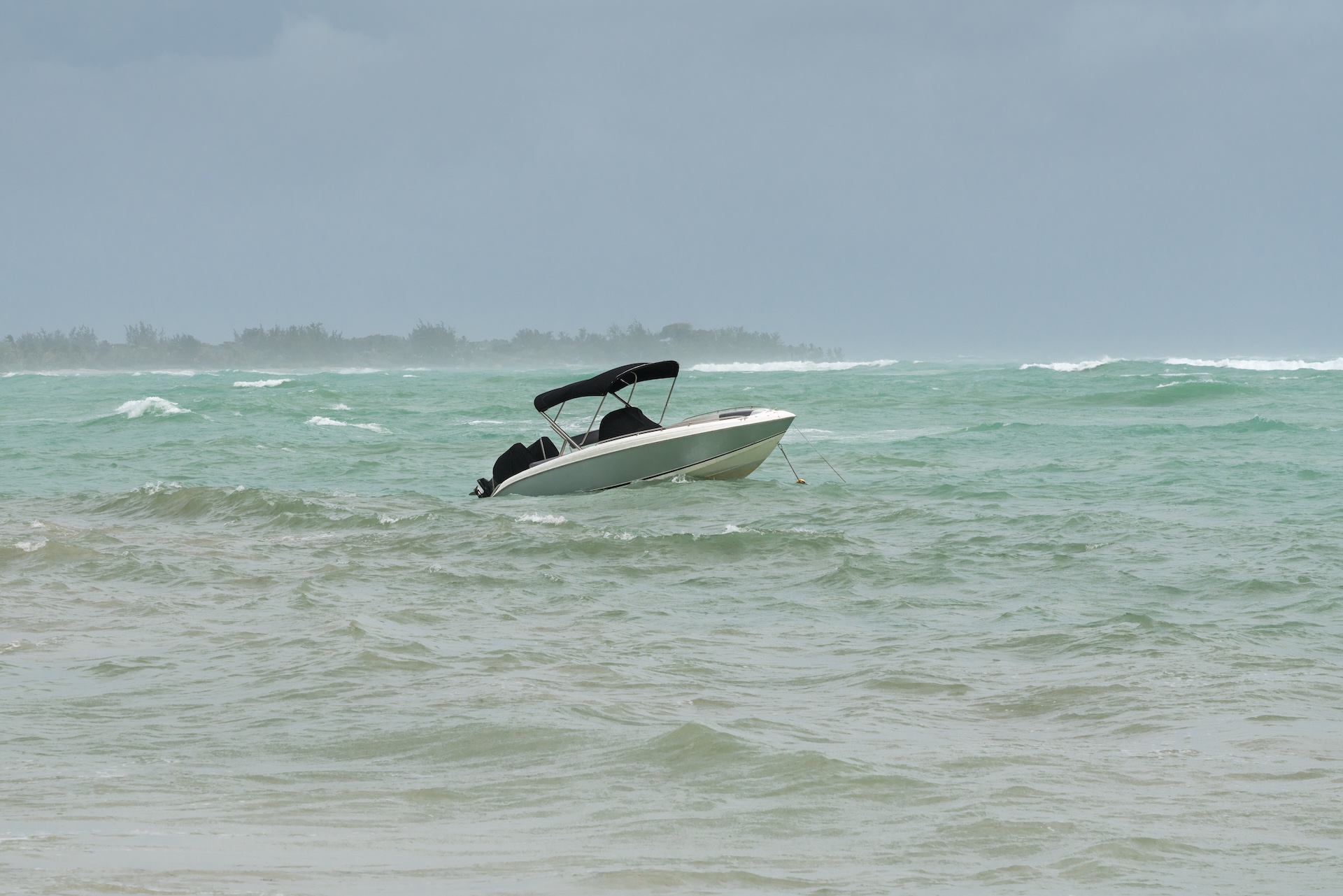
Don’t wait for a nor'easter to practice approaching waves at a 45-degree angle, matching your speed to a following wave, or finding the right spot in a set of waves to change course. By preparing for these scenarios, you will be more able to stay calm and focused when you’re truly faced with navigating boats in rough seas.
In addition to gaining experience with time on the water, a boater education course helps you learn more about tactics and maneuvering, boat hulls and other parts of a boat, and strategies to prioritize safety.
BOATERexam is here to help! Our online courses are approved by the U.S. states and Canada to meet the requirements for boater education.
So, before your next boating adventure on the waterways, make sure you've taken the course for your state or choose our course for Canadian boaters.
Frequently Asked Questions (FAQs)
Here's what to know about handling boats in rough seas!
1. How should I adjust my speed in rough waters?
Boat operators should slow down to maintain control and reduce the impact from waves. However, make sure you keep enough power to maneuver safely.
2. What’s the best way to approach large waves?
Approach waves at a 45-degree angle. Avoid a head-on or sideways approach to minimize the risk of capsizing.
3. Why is weight distribution important?
Evenly distributed weight helps keep the boat stable. Avoid sudden movements. Secure loose gear to prevent shifts.
4. What safety gear should I always have on a boat?
Whether you're in rough or calm waters, wear life jackets, check bilge pumps, have a working radio, and keep emergency flares or signaling devices easily accessible.