How to Stay Safe on Inflatable Boats, Canada Boaters
If you're looking into inflatable boats, Canada has some requirements you'll want to be aware of. Not only can understanding the requirements help keep you on the right side of the law, but it's a great way to protect yourself from accidents and injuries.
Because inflatable boats aren't as strong and sturdy as other types of vessels, it's essential to understand key safety tips and have the right boating equipment for your adventure.
Here's what to consider before heading out on the water. We'll cover:
- What Is An Inflatable Boat
- Safety and Safety Gear
- PCOC requirements (Pleasure Craft Operator Card)
- Navigation tips
- Emergency preparedness tips
What is an Inflatable Boat?
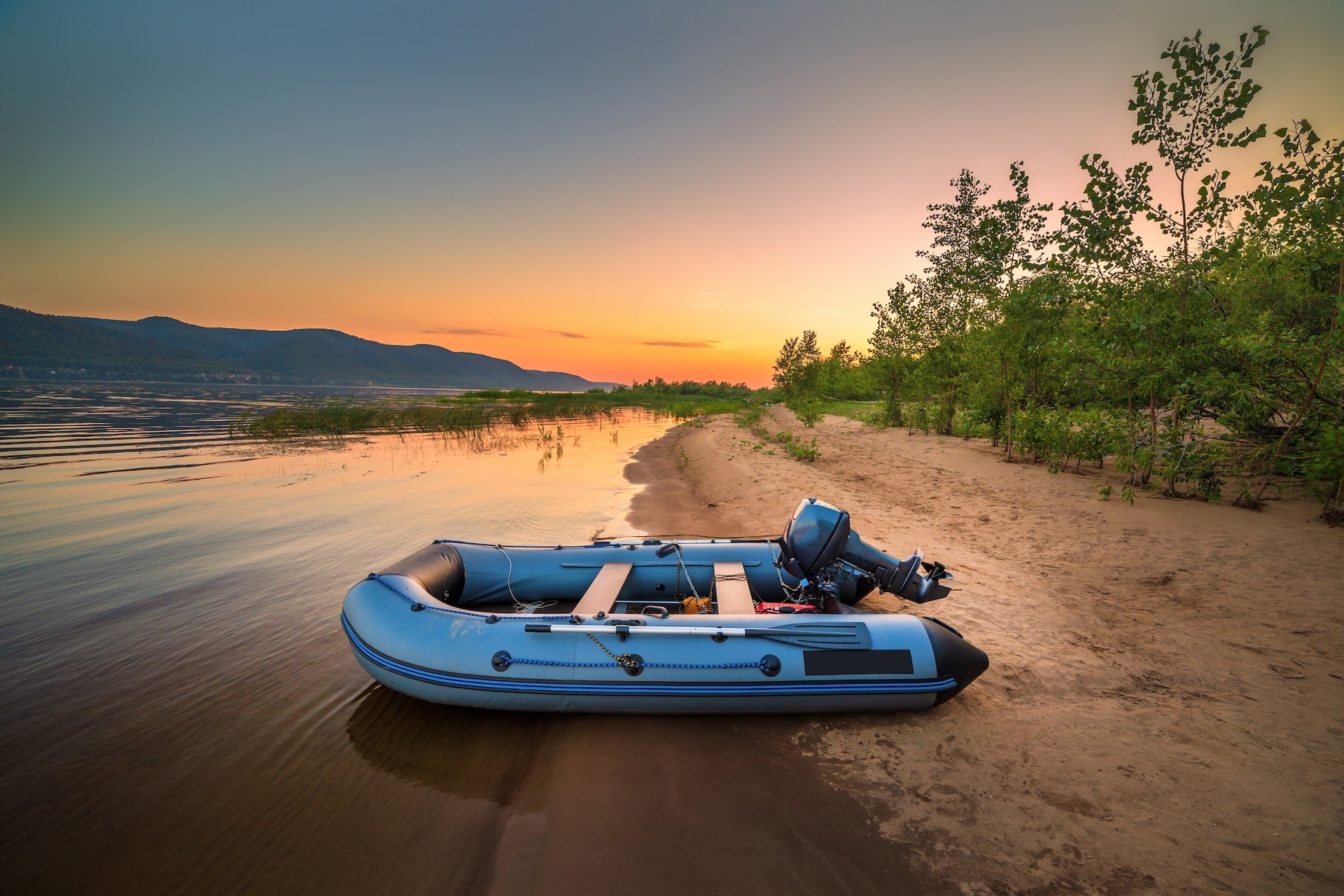
These boats are lightweight watercraft, often constructed with flexible tubes filled with pressurized gas. In many cases, inflatable vessels are made from durable materials like PVC or Hypalon, making it easy to deflate and store these boats for storage and transport.
Inflatable boats are popular for recreational use. They're also widely used for rescue operations and military applications because of their stability and portability on the water.
Some models feature outboard motors and transoms, or rigid floors, for enhanced performance and support.
What Are the PCOC Requirements in Canada?
If you operate a motorized inflatable boat in Canada, you're required to hold a Pleasure Craft Operator Card (PCOC). That's true even for electric motors with a power rating of less than 10 hp.
The PCOC demonstrates that you understand boating rules and regulations, emergency procedures, navigation options, and safety equipment, ensuring the safety of yourself and others. You can get your PCOC by taking an accredited online course (like the one we offer here at BOATERexam) and passing a Transport Canada-approved exam.
Why Inflatable Boat Safety Matters
Inflatable boats (including the ones used for fishing) are lightweight, portable, and great for Canadian lakes, rivers, and coastal areas. However, even though they're convenient, they also come with some safety concerns, especially in cold water or remote areas where help might be far away.
That's why it's crucial to know the best ways to keep yourself safe on these kinds of vessels, and also to look out for others who use inflatable boats as well. Handled correctly, these boats can be enjoyable and safe, but there's always the chance of something going wrong. If it does, you'll want to know what to do.
What Safety Gear Do You Need on Inflatable Boats?
When considering inflatable boats, Canada has requirements and recommendations for safety gear.
These include:
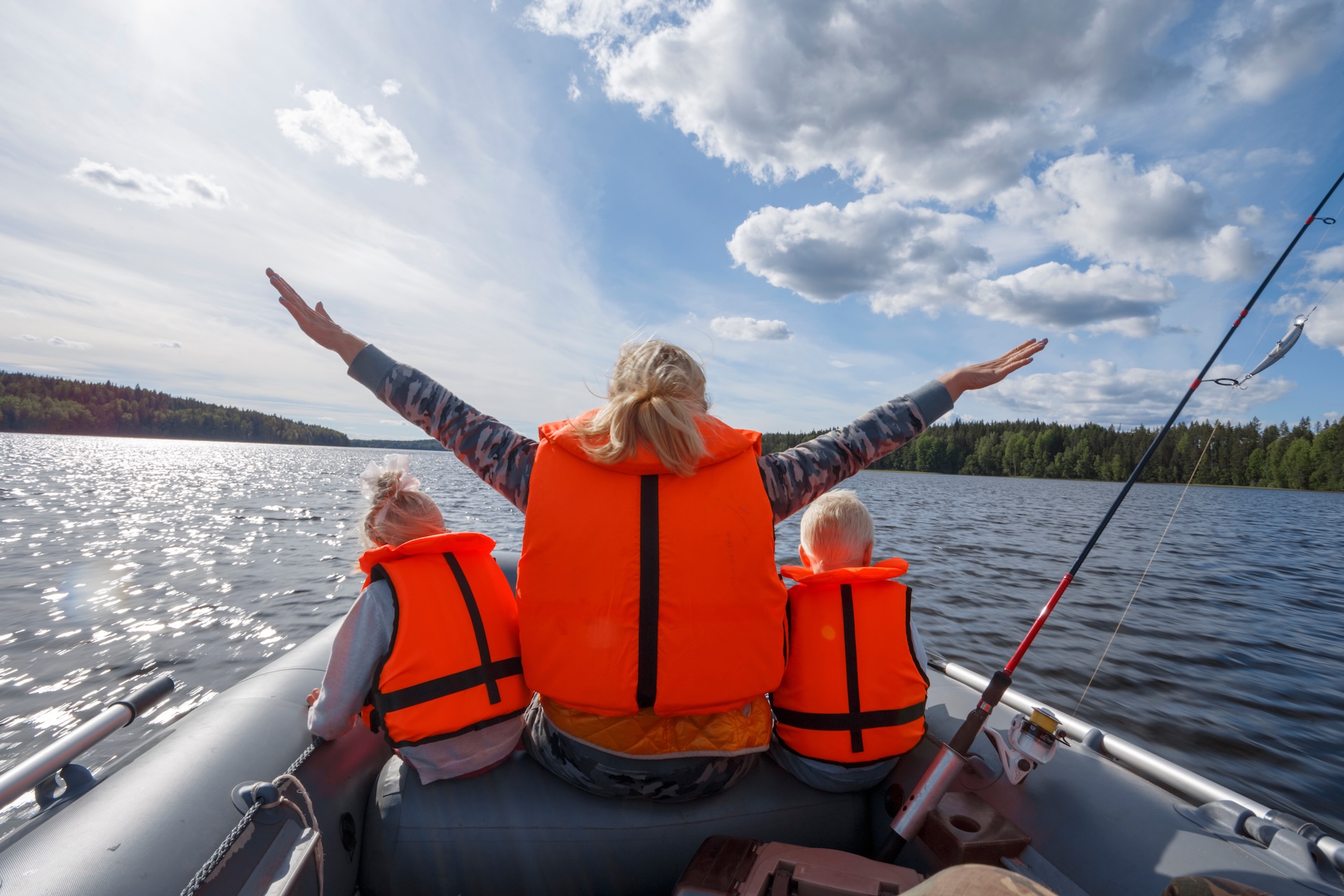
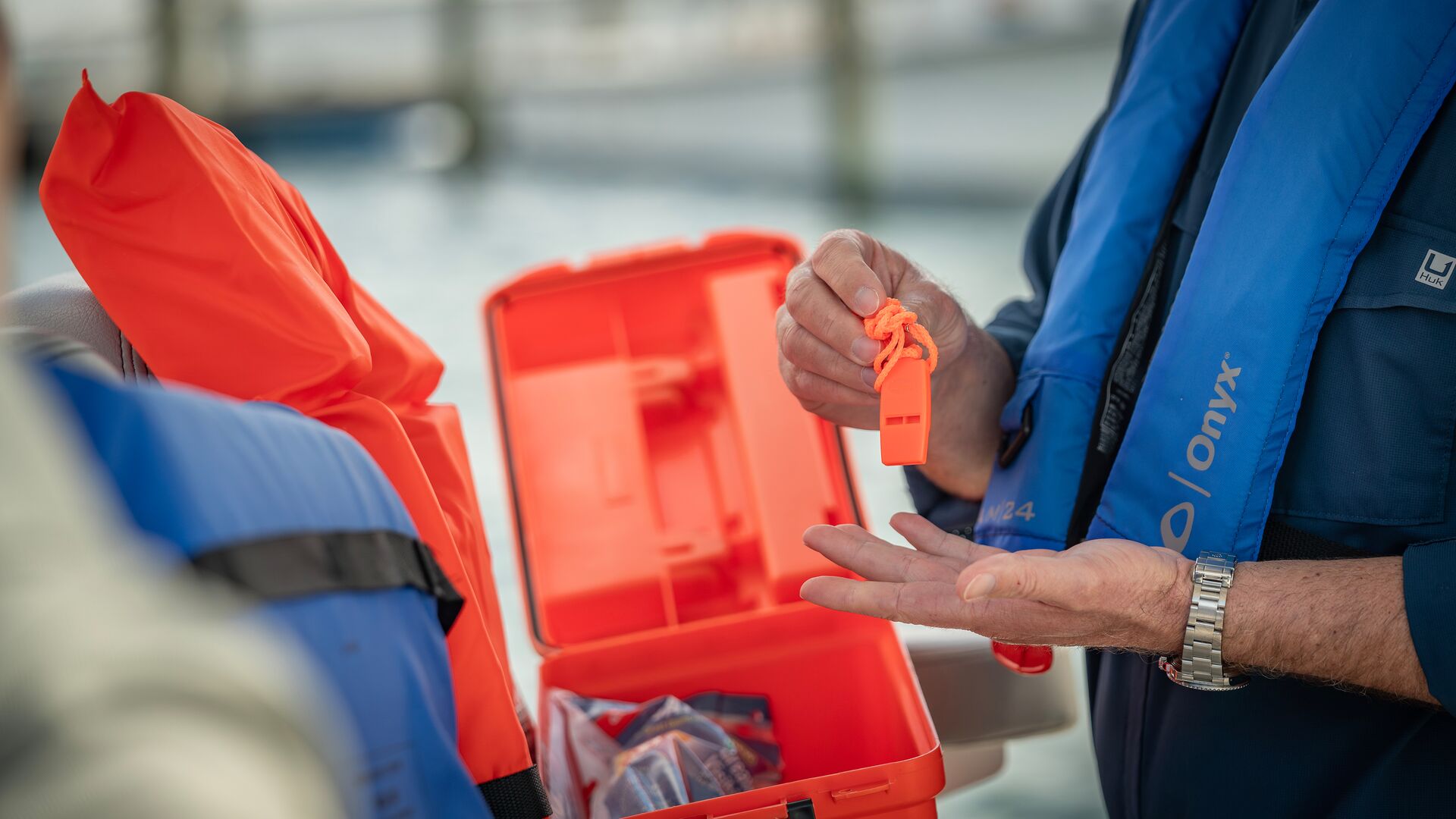
- Approved life jackets or personal flotation devices (PFDs) for each person, as inflatable boats can capsize more easily.
- A manual or electric bailer or bilge pump in case water enters the boat.
- A sound signaling device, such as a whistle or air horn.
- Navigation lights for boating at night or in low visibility conditions.
- A waterproof flashlight and a marine-grade first aid kit.
- An anchor and line to help secure your position during fishing or emergencies.
Make sure you have sufficient space on your inflatable craft to store these items correctly, as you don't want to head out onto the water without them. They could save your life or someone else's in an emergency, or help you escape a stressful or difficult situation due to weather, visibility, or other concerns.
Know the Water and Weather Conditions
Before leaving the dock, check the weather and wind forecasts to ensure a safe departure and avoid being caught in adverse weather conditions. As you navigate the waterways, steer clear of rough or fast-moving waters. These conditions can be dangerous in inflatable boats.
Launching and Docking Safely
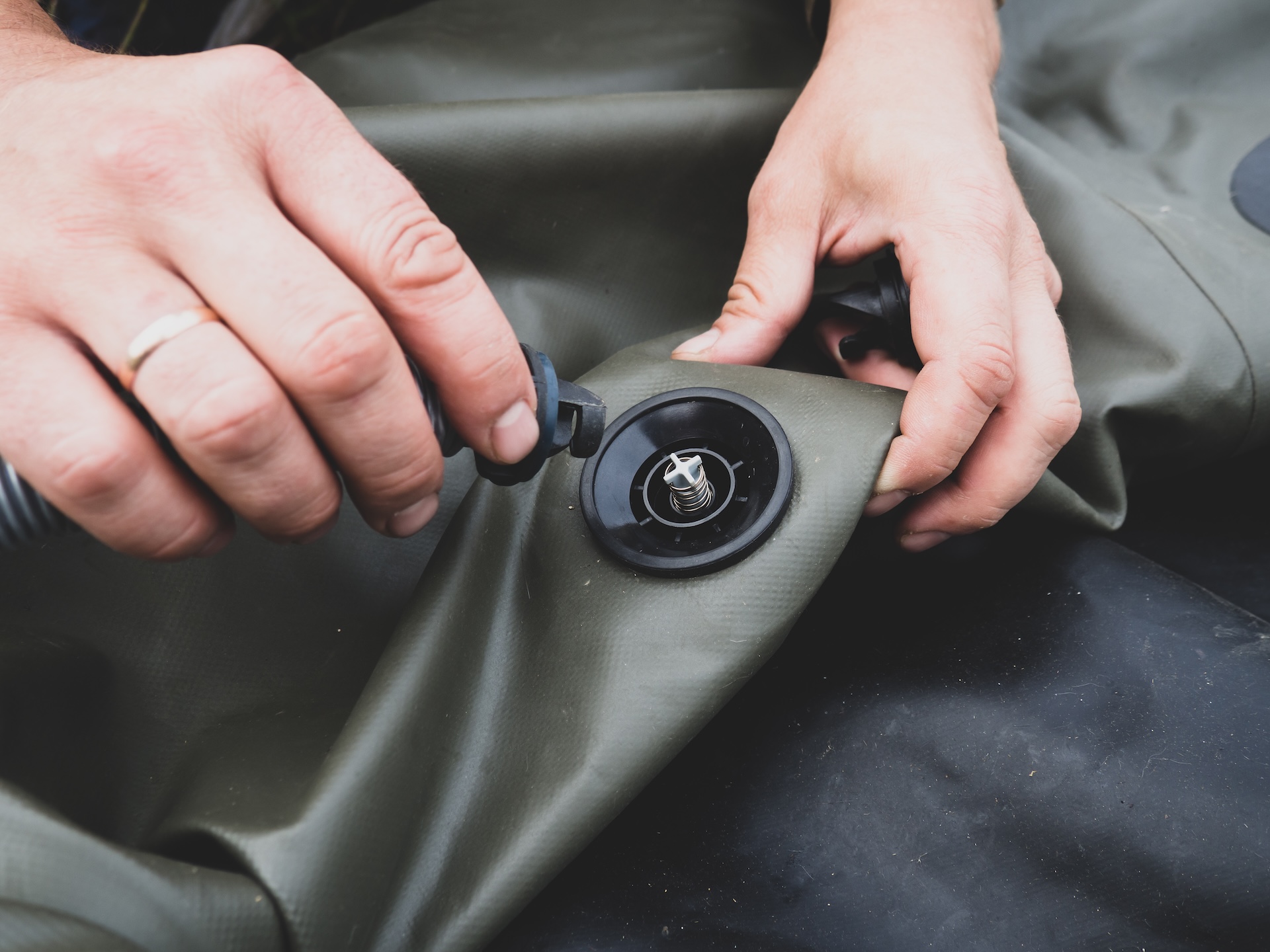
You'll want to use a soft surface or a boat ramp to avoid punctures from rocks or debris, and ensure you aren't overloading your boat. The boat's manufacturer will provide information about capacity and weight limits, and it's essential to follow these guidelines.
When you've docked your boat, secure it with a tether to keep it from drifting away. With many options for inflatable boats, Canada boaters can choose one that's the right size and offers valuable features to enhance their enjoyment of the boating experience.
Navigation and Communication Tips
Being able to navigate and communicate with others is another critical aspect of safety when operating an inflatable boat.
Carry a waterproof GPS or boating app to help with navigation, and always bring a charged cellphone in a dry bag or a VHF marine radio, especially if you're heading to a more remote region.
Be Prepared for Emergencies
To reduce risks while using an inflatable boat, it is essential to:
- Know how to patch a leak and bring along a repair kit specifically designed for your inflatable.
- Practice man-overboard drills, especially if boating with children or inexperienced passengers.
- File a float plan with a friend or family member who's staying on shore, and be sure to include your route and expected return time.
What About Safety for an Inflatable Fishing Boat, Canada Anglers?
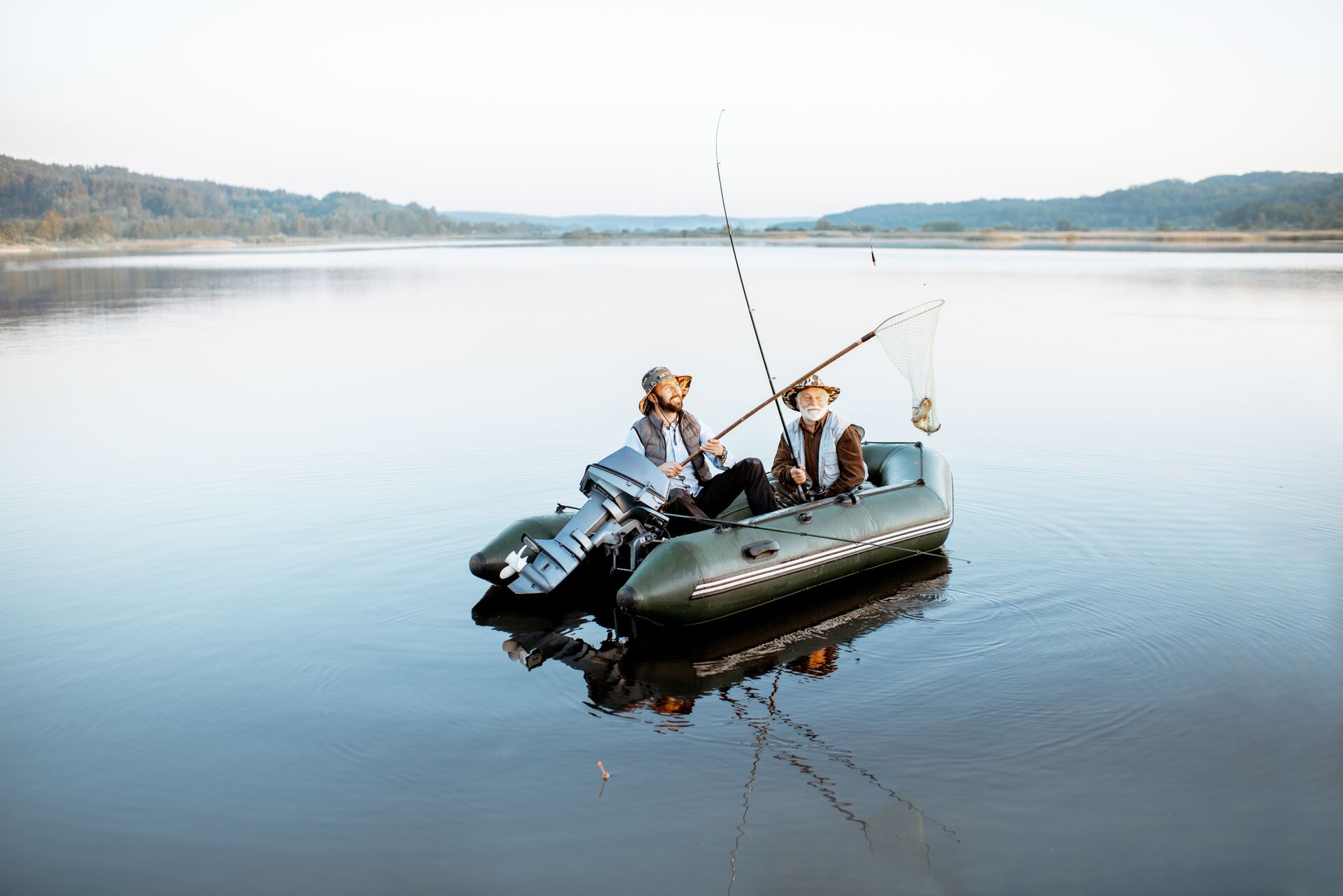
If you're planning to use an inflatable fishing boat, Canada has some recommendations for which options will be best. For example, you'll want to choose fishing-specific inflatable models with rigid floors and multiple air chambers for added stability.
Also, keep hooks, knives, and gear secured to avoid puncturing the boat. While these boats are durable, they can still be punctured by sharp objects and lose air quickly. To prevent clutter on your boat, install rod holders, storage nets, and gear straps.
When you catch a fish, remember to handle it carefully when you're near the inflatable sides. Any fish with sharp fins or teeth can damage the material of your boat and potentially lead to an air leak.
Boater Education Helps You Stay Safe on Inflatable Boats
Inflatable boats provide an affordable and accessible way to enjoy Canada's waters, but they require responsible handling to increase safety. Whether you're fishing or just cruising, following Transport Canada regulations, getting your PCOC, and staying prepared make for a safe and more enjoyable trip.
Before heading out with your inflatable boat, take some time to complete a boater education course. Our BOATERexam course for Canadians helps you learn how to stay safe on the water, including right-of-way rules, safety tips and equipment, choosing a life jacket, and what to do if something goes wrong.
Whether you enjoy an inflatable boat, a yacht, or a PWC, take the BOATERexam course for Canada, then hit the waterways safely and legally!