How to Start Jet Ski Watercraft (Safely)
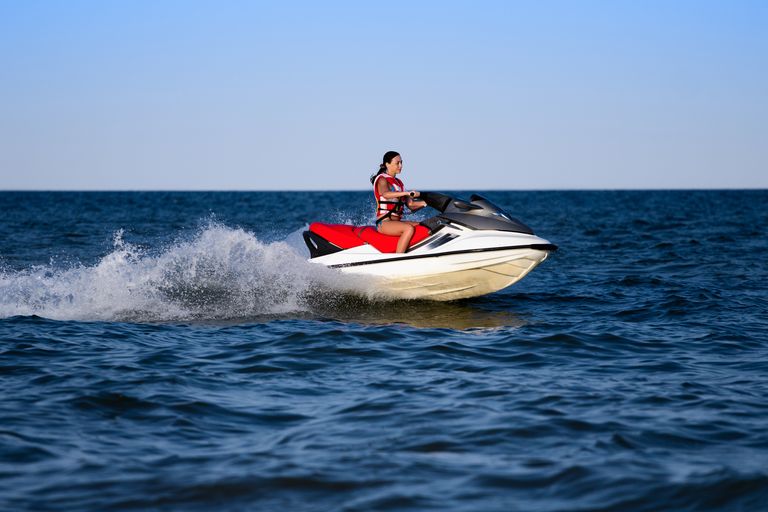
Getting on a jet ski or personal watercraft (PWC) for some fun on the water starts with learning how to start jet ski watercraft!
Making sure you can operate your personal watercraft safely is essential to having an enjoyable day on the water. Starting and stopping are among the most important aspects of having a good experience with your jet ski.
Fortunately, it's generally not difficult to start a jet ski and operate it as long as you follow some basic tips.
Today we'll talk about:
- Starting Your Jet Ski
- Safe Riding Tips
- Safety Equipment for Jet Ski Riders
- The Importance of Boater Safety Education for PWCs
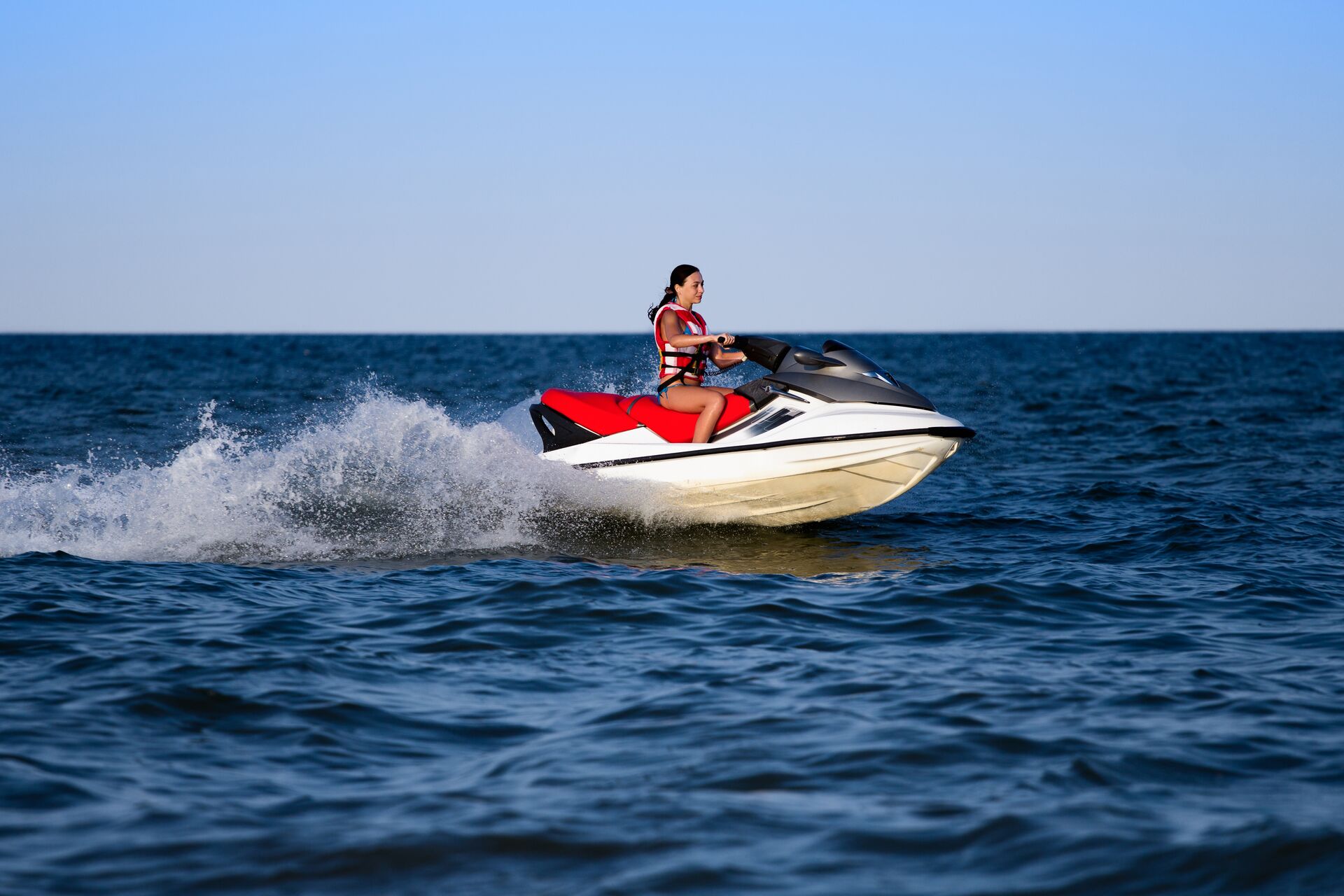
A Step-by-Step Guide to Getting Started the Right Way
The first step before operating your jet ski is to read the owner's manual. Every personal watercraft is different, and that means the startup procedures might not be entirely familiar to you.
Then, once you've read through the manual, it's just a matter of following the steps for that specific jet ski.
These generally include the following:
- Attach the Safety Lanyard: This is also known as the kill switch, and it clips to your wrist or life jacket to stop the engine in the event of a fall.
- Check Fuel and Oil Levels: Always ensure your jet ski is well-maintained and properly fueled before you ride.
- Mount the Jet Ski Properly: Climb onto your personal watercraft (PWC) from the back in shallow water or while tied up at a dock.
- Start in Enough Water: It's essential to start the engine in at least three feet of water to avoid sucking up debris or risking damage to the impeller.
- Use the Throttle Smoothly: Remember, jet skis don't usually have brakes, so proper acceleration and steering control are keys to safe operation.
You'll get more comfortable with your jet ski over time, but there's no need to rush the process. Learning as you go is part of the fun and can help make you a better, safer rider.
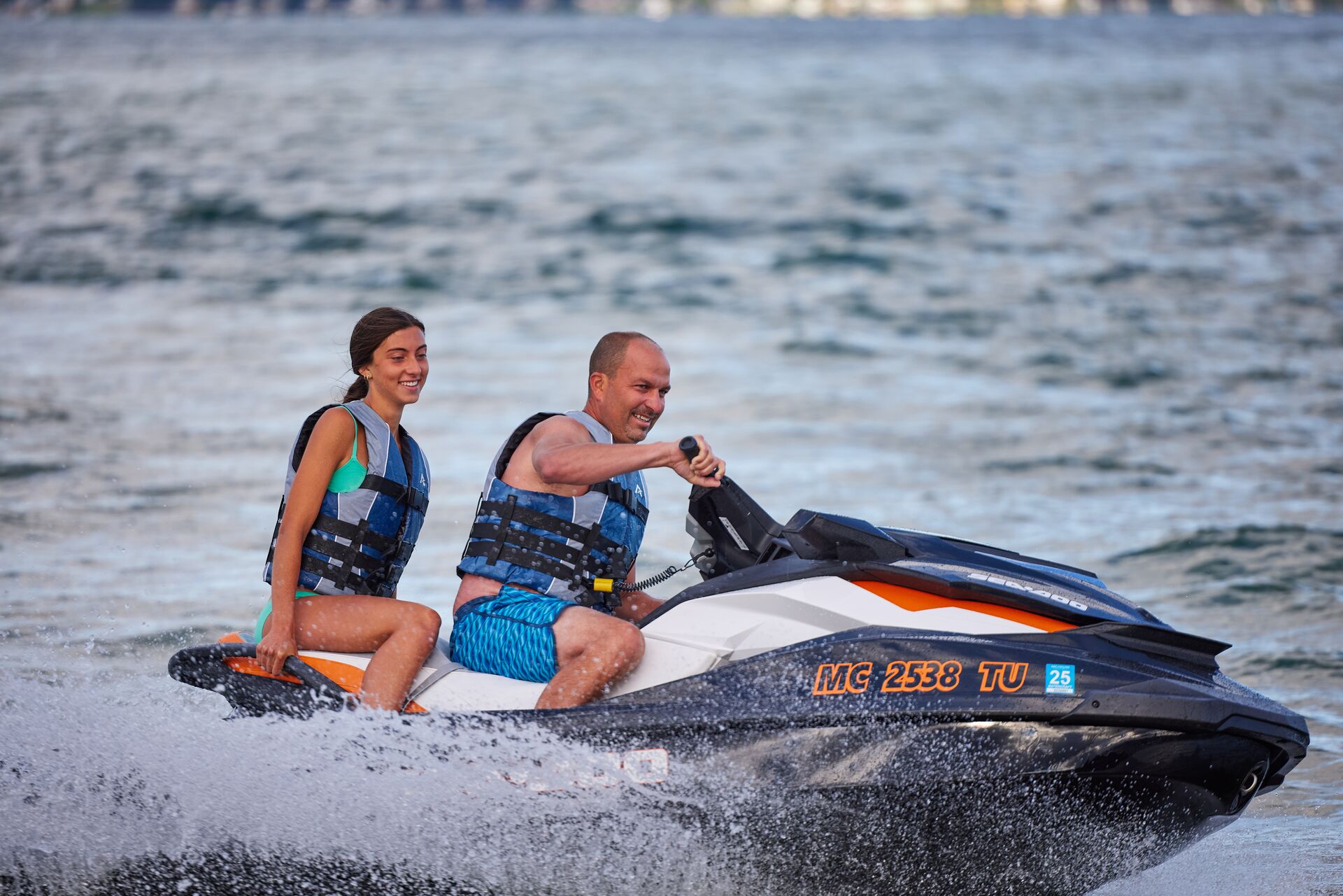
What Are Some Safe Riding Tips for Jet Ski Beginners?
Now that you've started it, you're ready to ride! Keep a few safety tips in mind as you venture out on the water.
To stay as safe as you can while riding your jet ski, wear a Coast Guard-approved life jacket. This should be non-negotiable for all types of water activities.
Also, know your limits. Start slowly, especially if you're new, and practice accelerating, stopping, and turning in a clear area where you have plenty of room to move.
You should always watch out for other vessels and maintain a distance of at least 100 feet from swimmers, docks, and boats. By riding during the day, you'll have good visibility, and you should avoid riding in low-light conditions or at night. In some locations, it's illegal to ride a jet ski at night due to the risk of not being seen.
Along with understanding how to start jetski vessels, stop them, and turn safely, ensure you're protecting yourself and others by avoiding alcohol. It's dangerous and illegal to operate a PWC while under the influence of alcohol or drugs.
Lastly, make sure you have a whistle onboard and understand basic PWC hand signals. This makes it much easier to ride in a group and communicate, or get attention in an emergency.
What Kind of Jet Ski Safety Gear Do You Need?
Before you hop on your PWC and take off, make sure you have the right safety equipment with you.
Some of the most essential considerations for your jet ski adventure include:
- A whistle or air horn to signal during an emergency.
- A fire extinguisher (it's the law in some states).
- A boater's license or safety card (some states require completion of a boater safety course).
- A float plan shared with a friend or family member on shore.
- Knowledge of weather conditions, including strong winds, storm warnings, or big waves.
Taking the time to be adequately prepared can make all the difference in your day.
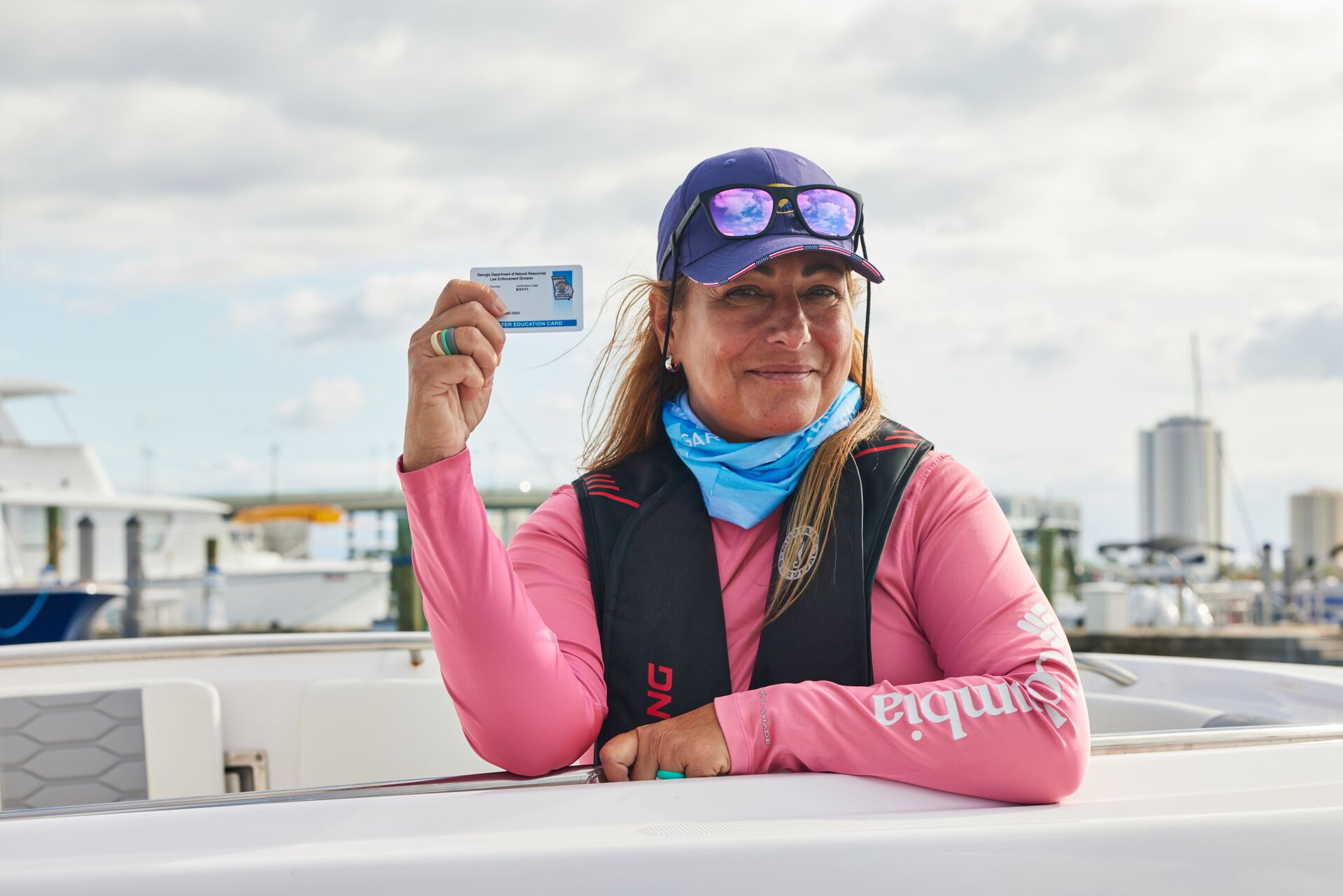
Why Should You Take a Boater Education Course Before Learning How to Start Jet Ski Vessels?
A boater education course can do much more than help you cross "how to start jetski vessels" off your list. Here are seven great reasons to take one before using a PWC.
1. It's Required in Most States
The majority of states (including New York) require a boater education certificate, also known as a boating "license," to legally operate a personal watercraft, such as a jet ski. If you don't take a course, you can be fined, and your ride might be cut short by law enforcement.
2. Understand the Rules of the Water
Boater education courses provide you with crucial information, including navigation rules, right-of-way laws, and PWC-specific regulations. Having this knowledge can help you avoid accidents and confusion when riding near other vessels.
3. Learn How to Handle Emergencies
By taking a boating course, you'll learn how to respond to capsizing, engine failure, or man-overboard situations, along with how to use safety gear and emergency signals. These are crucial pieces of knowledge if you run into trouble offshore.
4. Know PWC-Specific Safety Techniques
The vast majority of PWCs steer only with the throttle. Unlike boats, they have neither rudders nor brakes.
A boater education course will help you learn how to safely steer, stop, and avoid hazards, especially in crowded areas or wakes.
5. Boost Your Confidence on the Water
Knowing the basics makes you safer and more confident, especially in rough conditions or on busy waterways, and can help reduce panic during unexpected situations.
6. Save Money on Insurance
Many insurance companies offer discounts to riders who complete a certified boating safety course. Comparing insurance quotes can help you understand the value of course completion.
7. Be a Responsible Rider for Others' Safety
Personal watercraft are fast and agile, which makes them fun (but also increases risk).
When you take a boater education course, you learn to ride respectfully and responsibly. That can make a significant safety difference when sharing the water with swimmers, kayakers, or anglers.
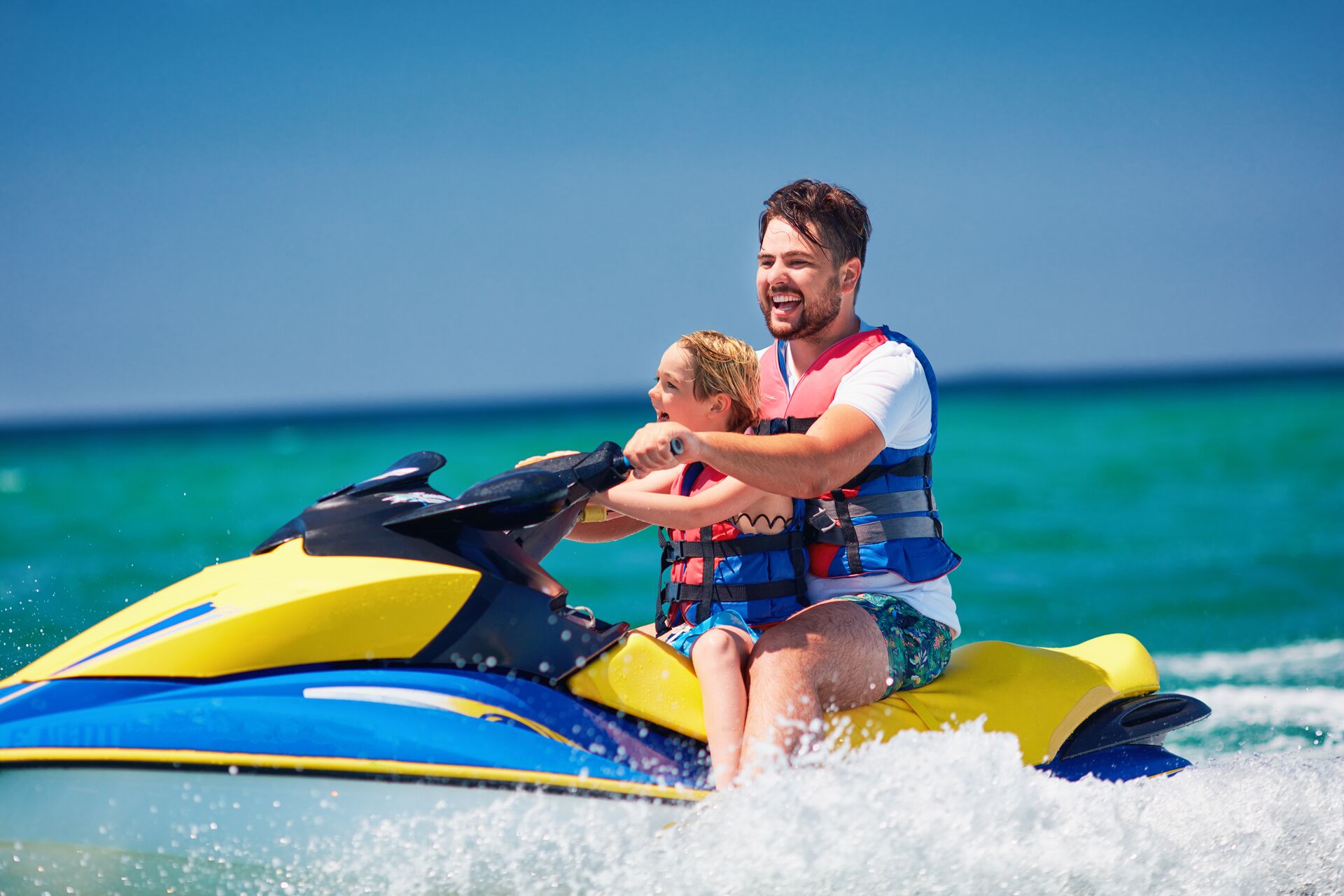
Ride Smart and Stay Safe with BOATERexam
Riding a jet ski is a thrill, but safety should always be the top priority from the beginning of learning how to start jet ski watercraft! Apply the tips we provided today every time you take off on a PWC.
When you also invest your time in a boater education course (even if you only ride jet skis), it helps you comply with state laws. It gives you practical safety knowledge that could save a life, including potentially your own. BOATERexam makes it easy to learn boater safety essentials in a fun and engaging way through our online courses.
Plus, our courses meet your state's and Transport Canada's boater education requirements! So, before you start your jet ski this season, take the course for your state or choose our course for Canadians.
Frequently Asked Questions (FAQs)
You have questions? We have answers!
1. How do I start a jet ski?
Insert the key and attach the safety lanyard. Then, press the start/stop button, and the engine should start.
2. Do I need to be in the water to start a jet ski?
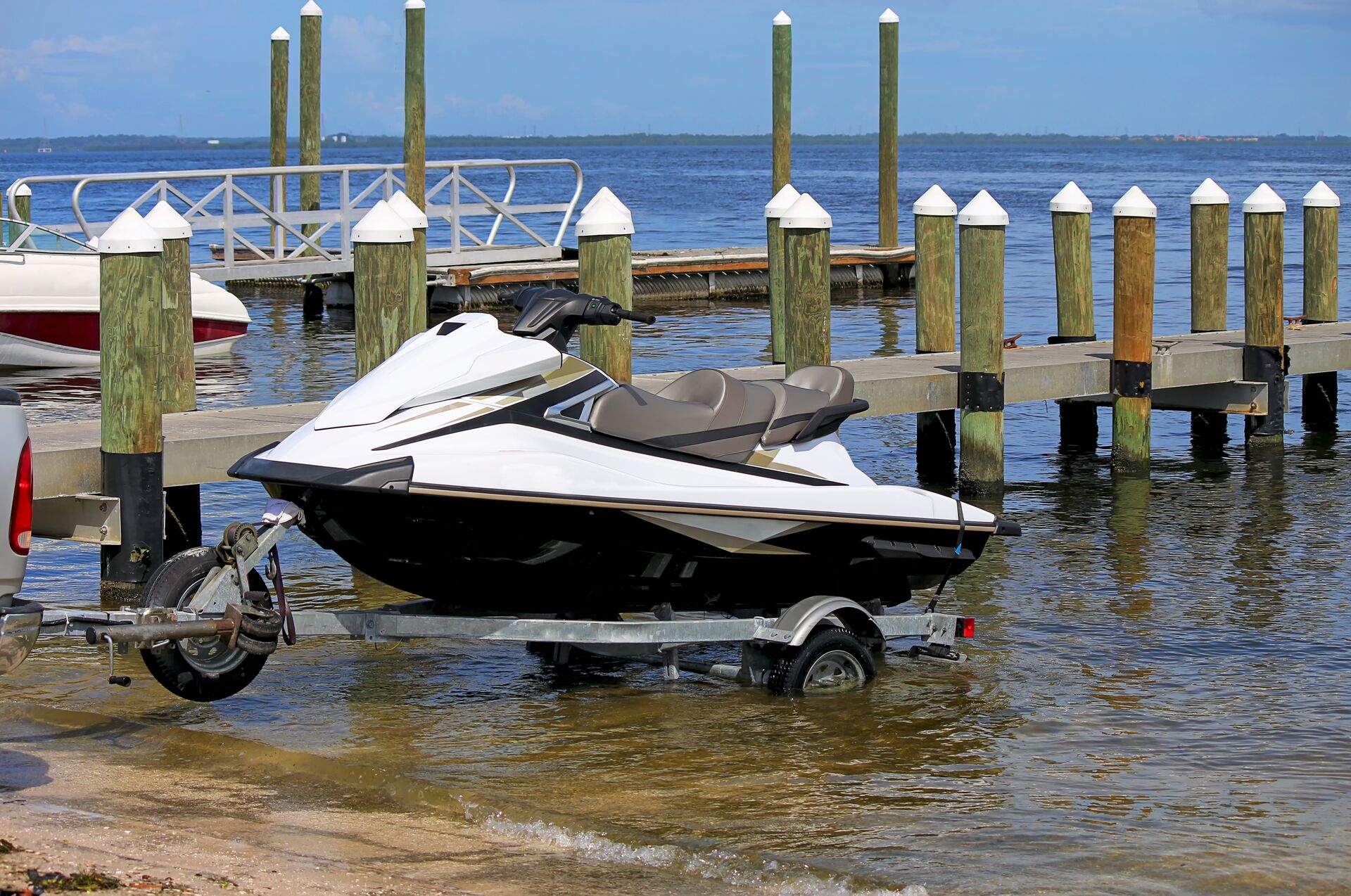
Yes! Jet skis should be in the water to prevent engine damage from overheating. Do not start it on land or on a trailer.
3. What is a safety lanyard (and why is it important)?
The safety lanyard (or kill switch) is a cord that connects you to the ignition. If you fall off, it kills the engine for safety.
4. What should I check before starting a jet ski?
Check fuel level, oil, and battery charge. Also, make sure the intake is clear of debris.