How to Call for Help On a Boat [Emergency Preparedness Tips]
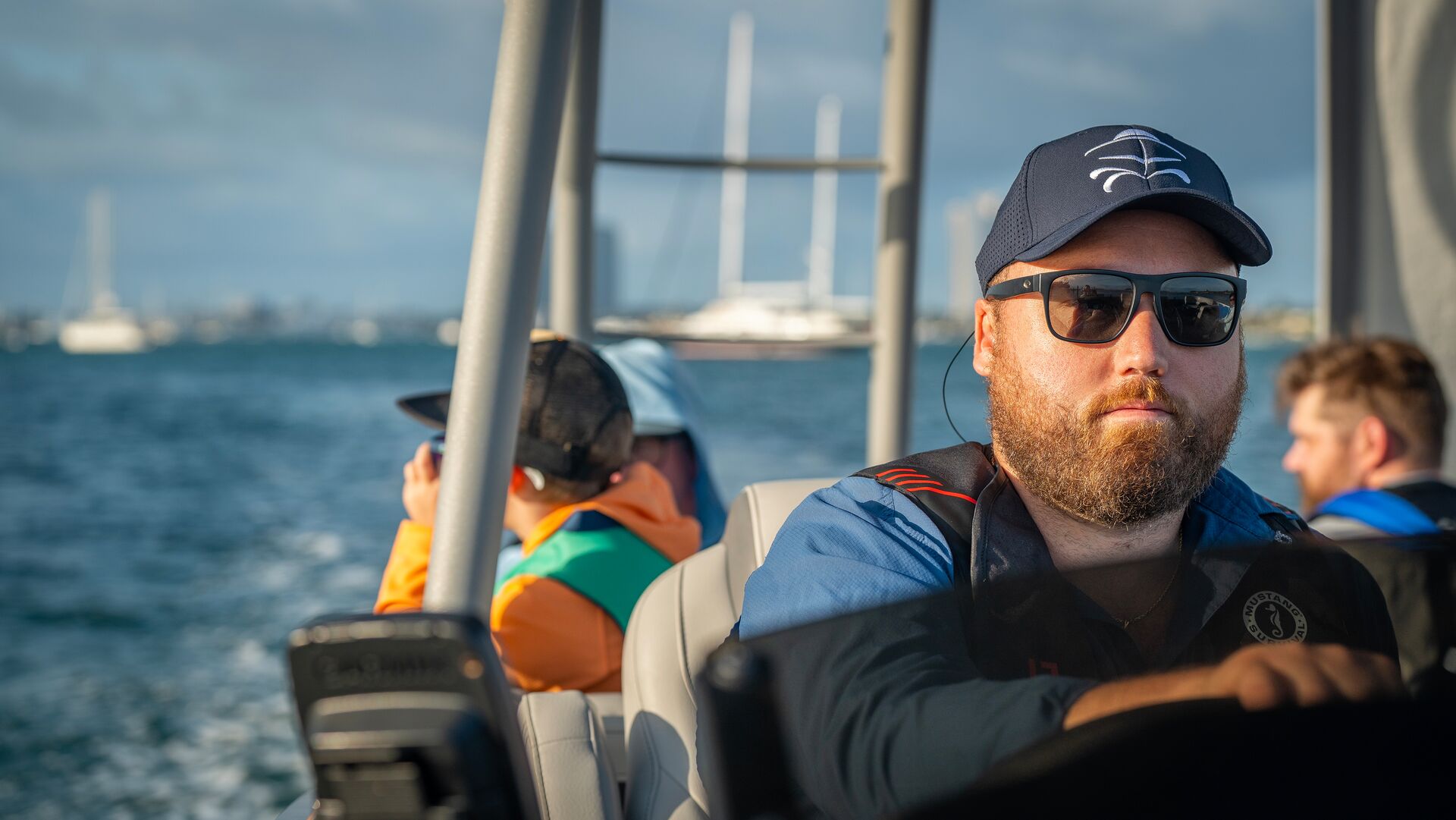
While we always launch for a day on the water, hoping everything goes smoothly (especially the water), understanding how to call for help on a boat is crucial, just in case.
In short, being prepared to call for help can save lives in a boating emergency. Just like knowing how to use a fire extinguisher, read a navigational chart, and wear a life jacket properly, knowing distress signals and communication methods before heading out can help keep you and your passengers safe.
Here's what you need to know!
How to Call for Help on a Boat
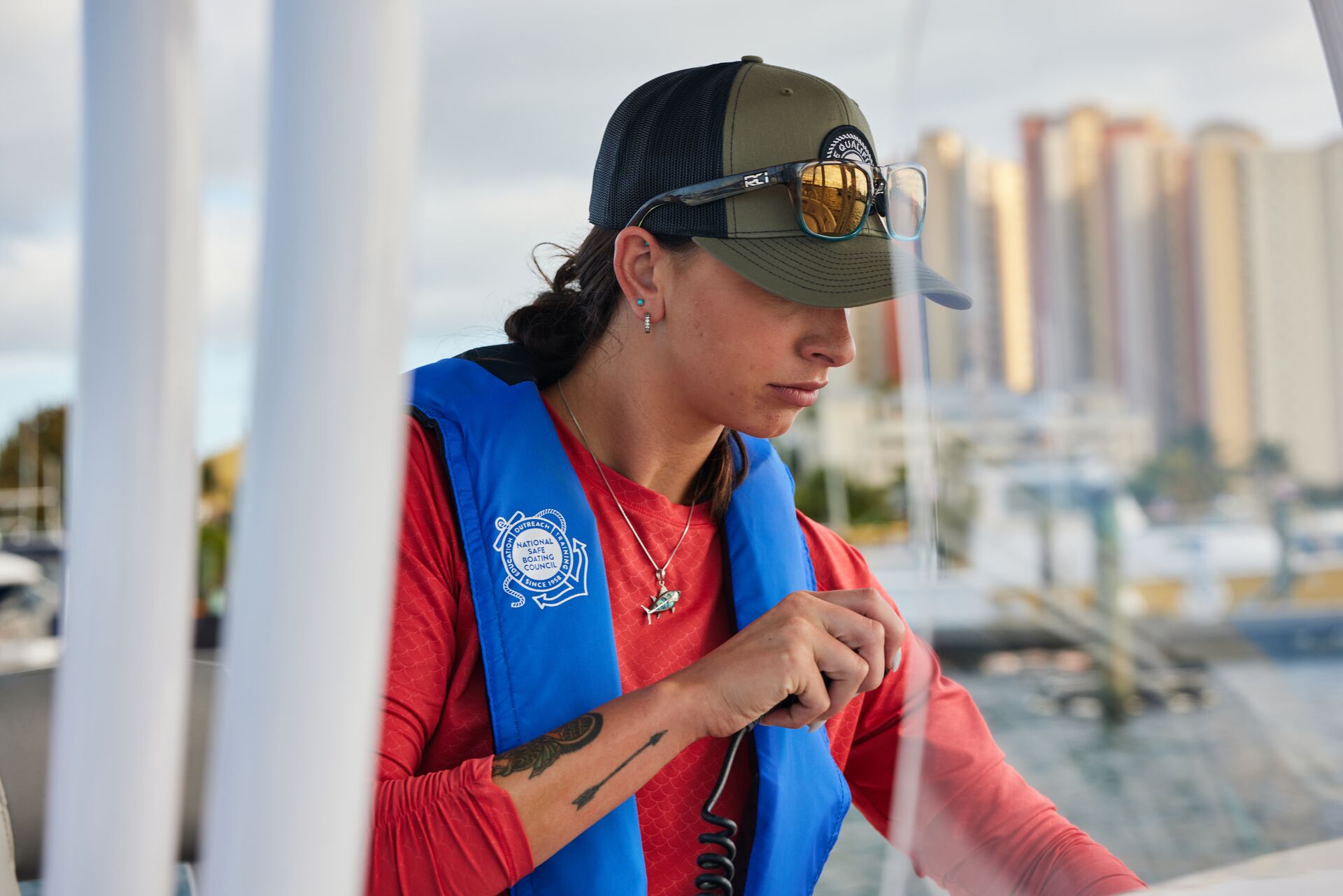
The best way to call for help on a boat is through a VHF marine radio or cell phone. Other options include using a locating beacon, flares, or visual signals. Here's how each one works.
VHF Marine Radio
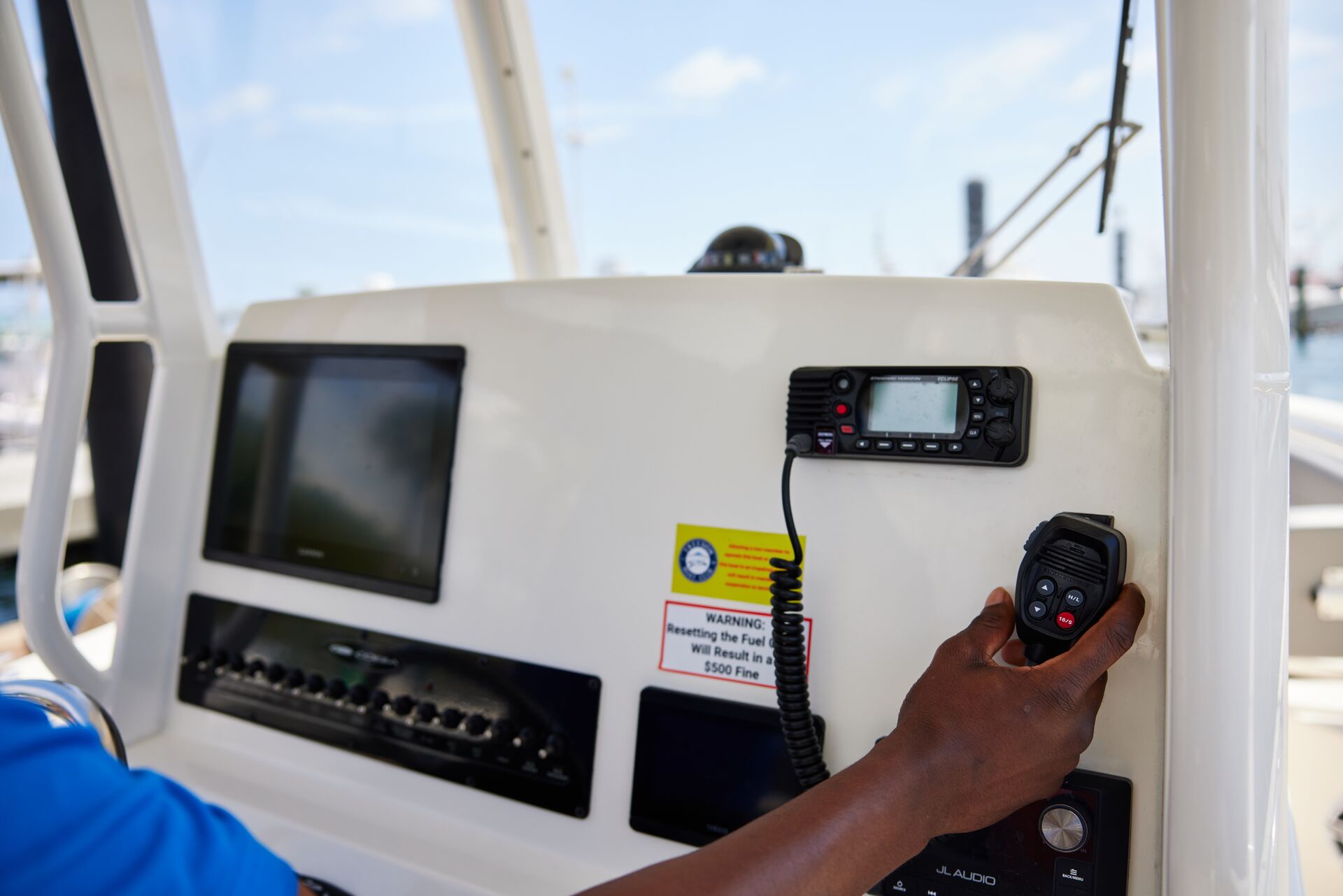
Using a VHF marine radio is the most reliable way to call for help on the water.
Channel 16 is the emergency channel for the U.S. Coast Guard and will provide you with a quick response. If you have a true boating emergency, use this option if it's available.
Cell Phone
Calling 911 or the U.S. Coast Guard can get you fast, responsive help, but you may not have a cell phone signal. This is particularly likely if you're far offshore or in a remote area.
EPIRBs (Emergency Position Indicating Radio Beacons)
These beacons alert search and rescue teams via satellite. If you can't get in touch with anyone through VHF radio or cell phone, or you've already contacted someone but have an EPIRB on board, using it can help rescuers find you faster.
Flares and Visual Signals
Flares or visual signals are the best options when communication devices fail and you need emergency help. Depending on your location and the types of signals you're using, these can attract the attention of other boaters and may also be spotted by people on shore or in aircraft.
What Is a Mayday Call?
A Mayday call is an internationally recognized distress signal for life-threatening emergencies. It is used when a vessel is sinking, on fire, or in immediate danger.
It's essential to take this call seriously. Never use it unless you're experiencing a true emergency, but don't be afraid to use it when needed. That's what it's there for.
So, what is a Mayday call, and how do you make one? The proper Mayday format is to say "Mayday" three times. Then, state the name of your vessel and its position.
Once you've provided those details, describe the emergency and say how many people are onboard. If you don't receive a response, continue to repeat your Mayday call and information until help replies. You may be asked for additional details, but stick to the facts and keep things direct.
The goal is to get rescuers to you as quickly as possible and help them understand the situation.
What Is the Difference Between Mayday and Pan Pan?
Both Mayday and Pan-Pan (pronounced pahn-pahn) are distress calls, but they don't carry the same weight. Knowing the difference between Mayday and Pan-Pan is crucial to using them correctly and helping rescuers understand the problem.
- Mayday should only be used for immediate, life-threatening emergencies
- Pan-Pan should be used for urgent but non-life-threatening situations, such as engine failure or running aground.
Both calls should be made on VHF Channel 16 for the best chance of reaching rescue authorities, but you can also try other channels or even a cell phone if you can't reach rescuers through Channel 16 for any reason.
Additional Emergency Preparedness Tips
Along with understanding how to call for help on a boat and what to say, make sure your equipment is in good working order and you have backup options if needed.
It's essential to know how to use your VHF radio before you need it. A sinking ship or one on fire is not the time to figure out how your radio works. Practice with it beforehand so you can use it automatically if you face a boating accident or emergency.
Additionally, keep an emergency communication plan handy. Every boater should know how to make a distress call, and it's a good idea to ensure your passengers also know how your radio works and what to say. If you are incapacitated for any reason, someone else should be able to call for help.
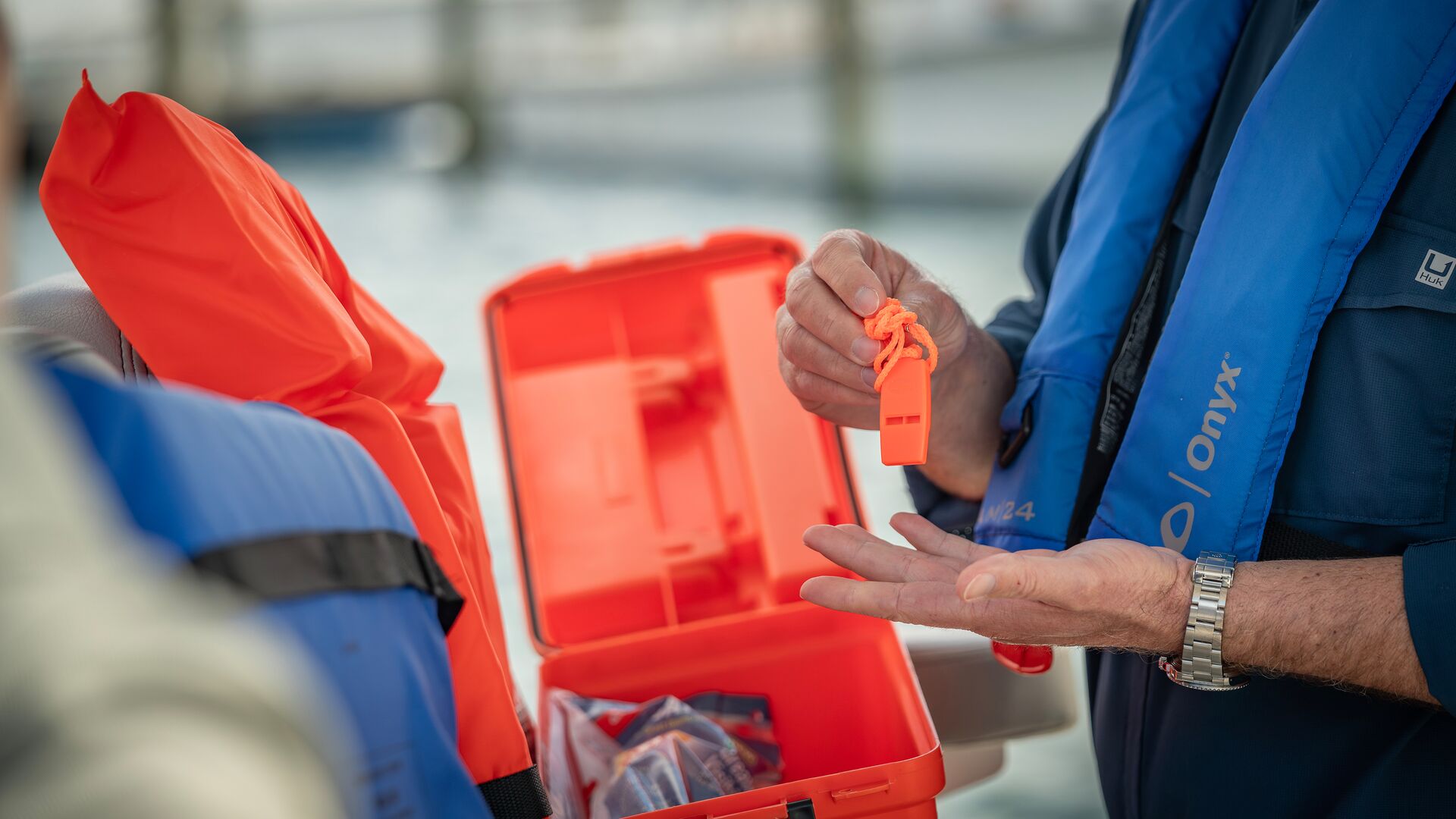
You also need backup emergency signaling devices like air horns, mirrors, flares, and whistles. If your radio doesn't work and you don't have cell phone service in your location, you'll want other ways to attract attention and get the help you need.
Be Prepared on the Water with BOATERexam
We hope you never have to call for help on a boat! However, the insights we shared today and what you'll learn in a boating safety course can help you learn more about emergency protocols.
BOATERexam is here to help you stay safe on the water and respond appropriately if something goes wrong. When you sign up for our online boater education course, you get essential information about handling emergencies, proper boating etiquette, avoiding accidents, and much more.
Plus, most states in the U.S. and Canadian officials require boat operators to take and pass a course, then carry a boater education card on the boat.
So, before you head out for your next boating adventure, make sure you've taken the BOATERexam course for your state or our course for Canadians!