Boat Safety Certification: Why Every Boater Needs It
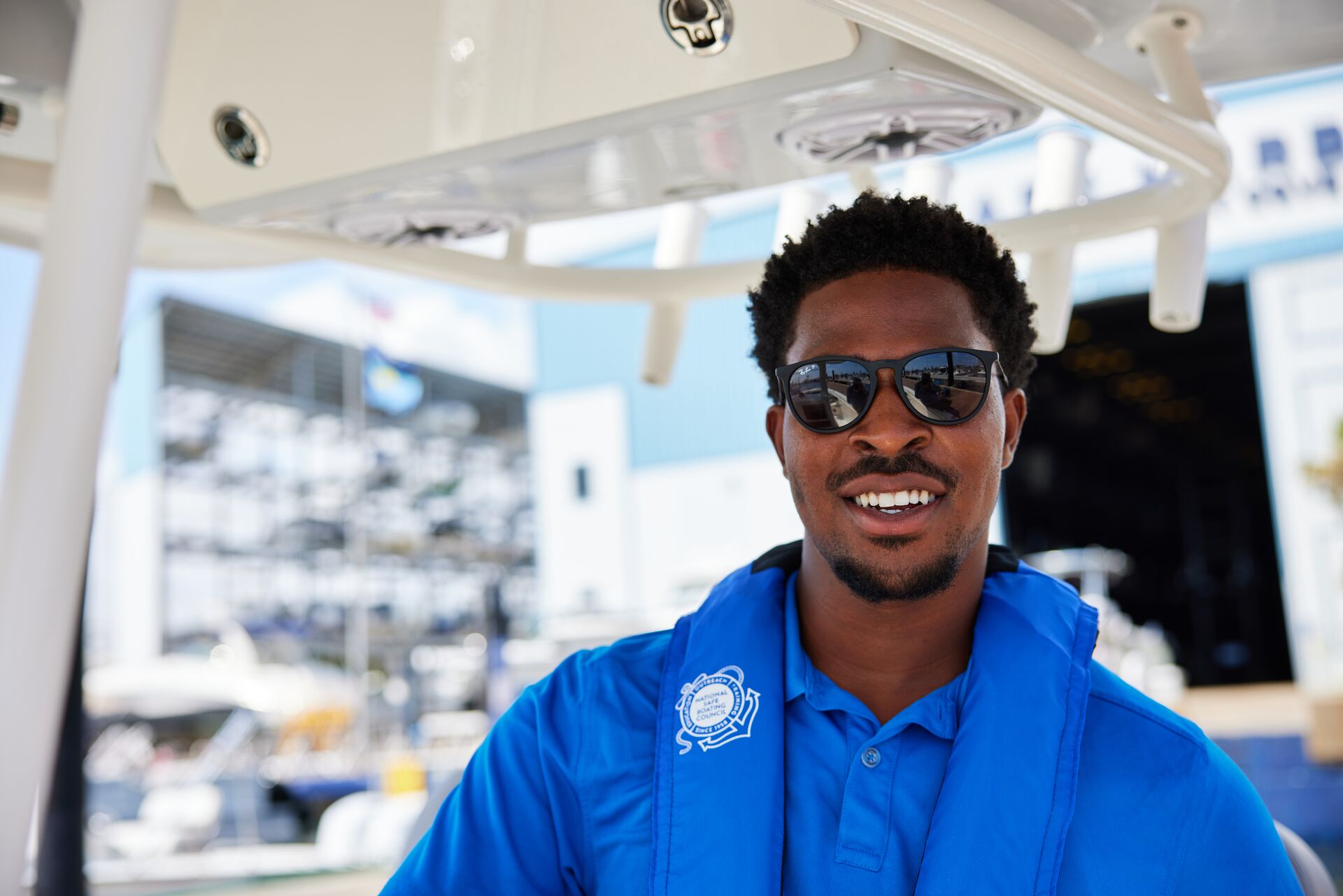
If you're interested in boating, consider how you can do your part to make the waterways safer. Safe boating includes your safety, as well as that of your passengers, boaters on nearby vessels, swimmers, and anyone else on the water.
One of the best ways to protect yourself and others is with a boat safety certification. Here's what you need to know about who needs a boat license, how to get one, and how having one improves safety on the water.
What Is a Boat Safety Certification?
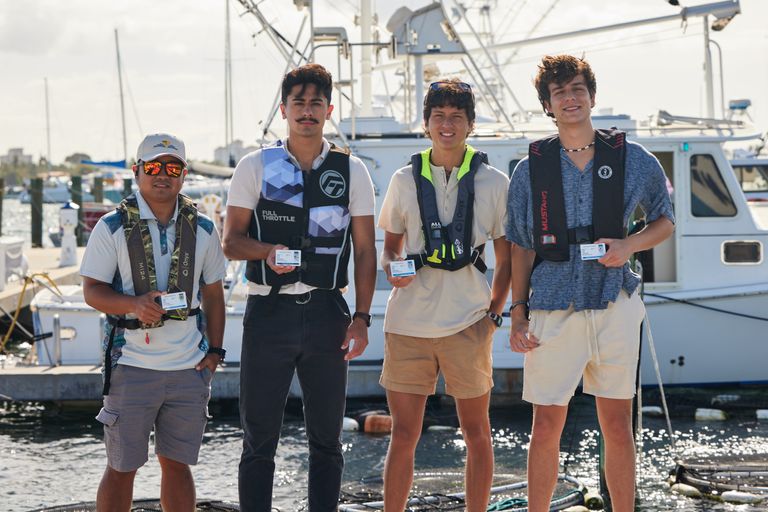
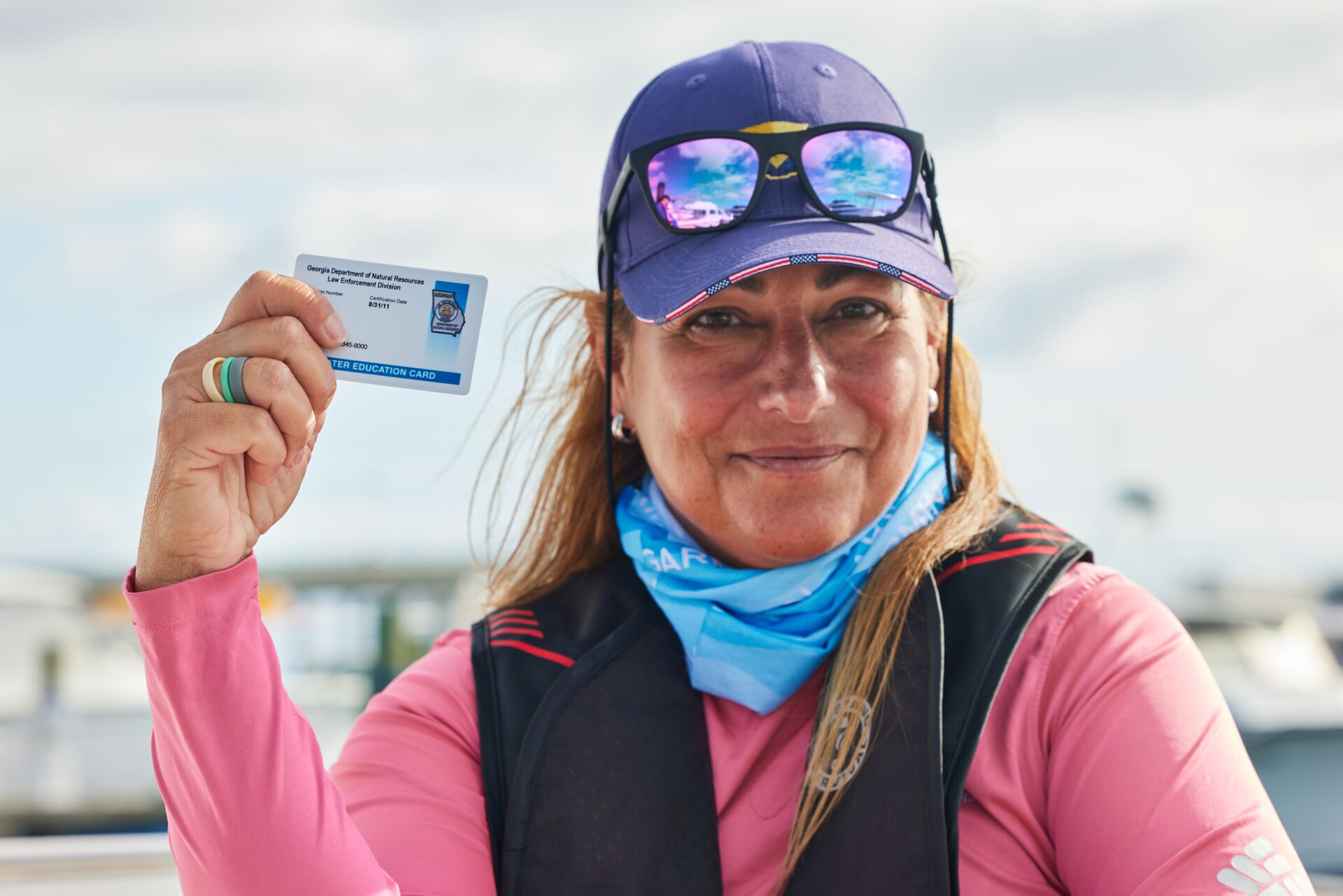
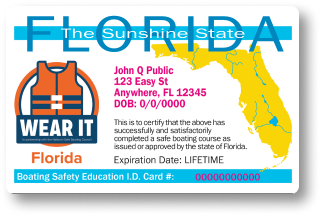
Having a safety certification is proof that you've completed a state-approved boating safety education course. It tells others that you know safe boating practices, navigation rules, equipment requirements, and emergency procedures.
This certification is often called a boating safety card, boater education card, or boat license, and the terminology varies by state. In Canada, it's called the Pleasure Craft Operator Card (PCOC).
In most locations, a safety certification serves as a lifetime credential, meaning it won't expire, and you don't have to worry about renewing it.
Is Boating Safety Certification Mandatory?
Most areas require boating safety certification. However, the rules vary by state, the boater's age, and the type of watercraft. Most states require certification for anyone operating a motorized boat, a personal watercraft (PWC), or a vessel with an engine of a particular horsepower.
Some U.S. states make this certification mandatory only for younger operators (e.g., under 18 or 21), but more states are beginning to require cards for all boat operators. Canada requires a boater safety card (PCOC) for all motorized boat operators, regardless of their age or location within the country.
Certification is a good idea for your safety, even when it's not legally required. It may also help you save money on your boat insurance.
Reasons Certification Is Required
Here are some of the many reasons to have a boat safety certification.
- Safety: Boating knowledge reduces the risk of accidents and fatalities.
- Knowledge: A Coast Guard boating safety certificate or Canadian PCOC helps ensure operators understand navigation rules, signals, and right-of-way laws.
- Preparedness: A boater education course teaches emergency response and proper equipment usage.
- Legal compliance: Many jurisdictions require a safety card to operate certain vessels.
- Insurance benefits: Some insurers offer discounts for certified boaters.
Whether you're learning about New York watercraft laws or other boating requirements specific to your location, obtaining certification is an essential step in responsible boating.


How Long Does a Boat Safety Course Take?
The time commitment to get your PCOC or other boater safety card depends on local requirements and the provider of the safety course.
- An online boat safety course (like the courses we offer here at BOATERexam) is typically self-paced and takes around 3–6 hours to complete.
- A classroom course usually takes one full day, though some courses are spread across evenings, making it easier for those who work during the day to get their certification.
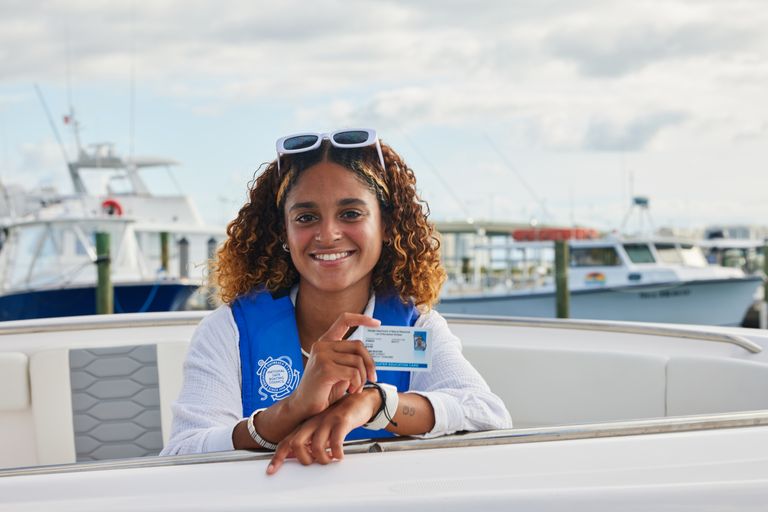
Once you pass an exam at the end of the course, you'll get a temporary certificate immediately. In most states, your permanent card will arrive by mail.
You're legally required to carry your card anytime you're boating, and the Coast Guard or another governing body may ask to see it if they make contact with you for any reason.
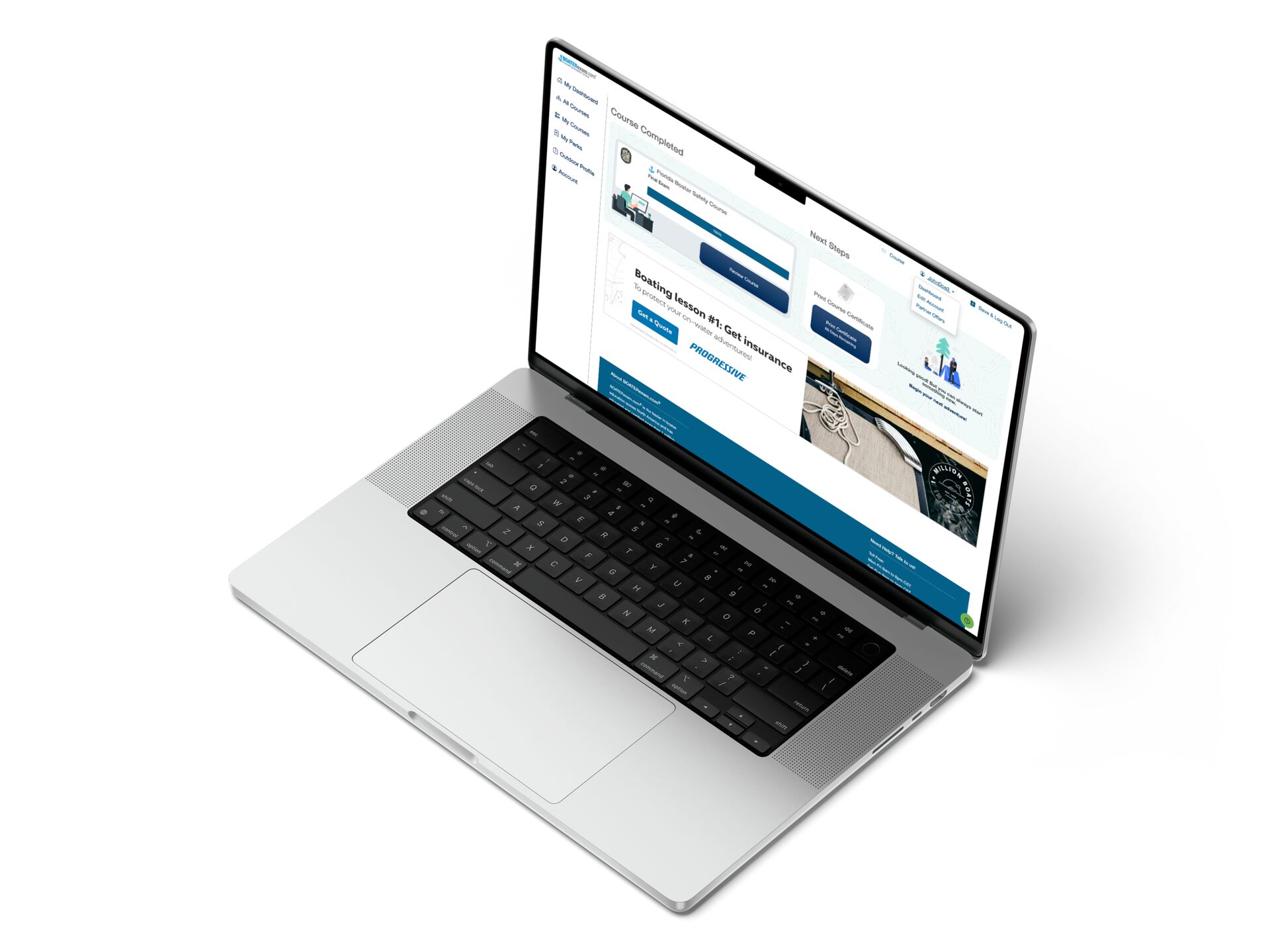
Can I Take a Boater Education Course Online?
In most cases, yes, you can take a boater education course online. The majority of states accept online boating safety courses from approved providers.
Online options are convenient and flexible! You can study at your own pace or pause the course and resume it later without losing your place or your progress.
Online vs Classroom Certification
Before you decide whether to get your certification online or in a classroom, consider which one will provide you with the best experience.
Online boating safety courses are self-paced and accessible anywhere. They're also often less expensive and faster to complete, and they're an excellent choice for independent learners.
Classroom options are instructor-led with opportunities for Q&As and a hands-on or group learning environment, which may be better for your learning style. Some states may prefer—or even require—you to complete your boater education in person.
State-by-State Certification Requirements Vary
Each U.S. state and Canada sets its own laws on who must be certified, age restrictions for certification, and accepted courses. Some areas have universal requirements, meaning all operators must be licensed. Other regions only require certification for specific groups or engine sizes.
Remember to consider reciprocity when getting your boater education card. Most states honor boating safety cards from other states, but you need to be sure you're properly licensed if you're boating while traveling.
Check official boating law websites for accurate requirements. This way, you can get verifiable answers to a wide range of questions, such as whether your Ontario boat license expires or if you need to attend an in-person class to get a Coast Guard boating safety certificate.
A Boater Education Course Is Vital for Safety and Compliance
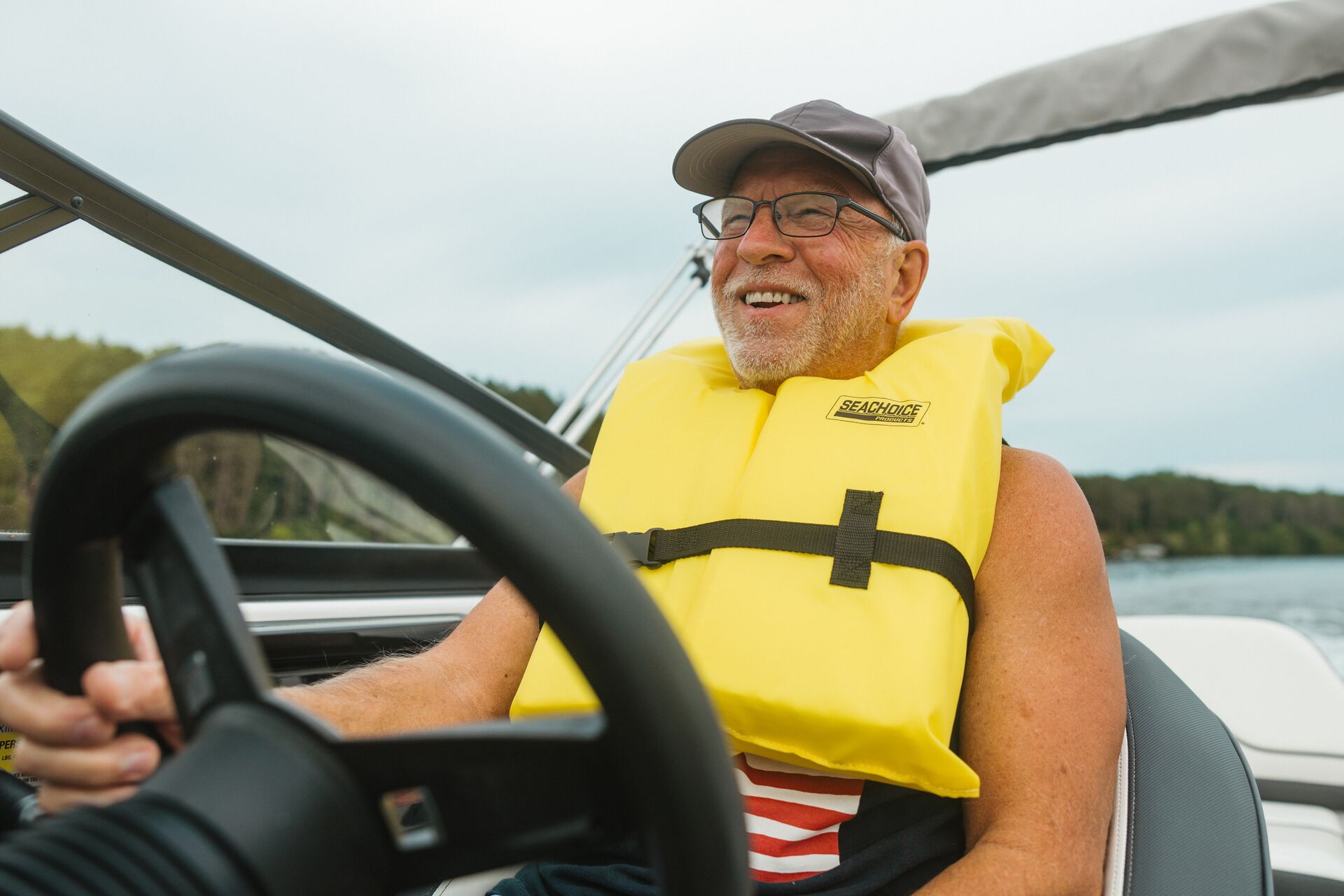
Before heading out on the water, check to see if your state or region requires boaters to carry a boater safety certification. Make sure you comply with the rules in your area to boat safely and legally!
However, taking time for a boater education course, even if your area doesn't require it, is time well spent. What you'll learn in a boater education course saves lives! You'll learn about safety, emergency procedures, navigation, and more, so you can boat more confidently and take extra steps to protect yourself and those around you.
BOATERexam makes it easy to get your certification through our online courses, whether you boat in the U.S. or Canada.
Frequently Asked Questions (FAQs)
We have answers to some of the top questions about boat safety certification!
Q: What is boat safety certification?
A: Boat safety certification is proof that you’ve completed a boating safety course covering navigation rules, safety equipment, emergency procedures, and responsible operation.
Q: Is boating safety certification mandatory?
A: Yes, boat safety certification is mandatory. Many states and Canada require it, especially for certain ages, boat types, or engine sizes. Requirements vary by location.
Q: How long does a boat safety course take?
A: Most boat safety courses take about 3–6 hours to complete, depending on the provider and your pace.
Q: Can I get boat safety certification online?
A: Yes, you can get your boating safety certification online. Many approved providers (like BOATERexam) offer fully online courses that let you study at your own pace and receive certification after passing the exam.