Boating License Requirements: Do You Need One In Your State?
Boating is more than just a fun adventure on the water. It also requires compliance with legal requirements, such as obtaining a license.
Most states require boaters to have a boating license (or boater safety card) before operating a motorized vessel, but the requirements vary by state.
Whether you're curious about California boating licenses or if you live in New York, Washington, North Carolina, or another state, here's how to ensure you're meeting boating license requirements and operating your vessel safely and legally.
What Is a Boating License?
Following state boating license laws may require proof of completing an approved boater education course. These courses help you demonstrate knowledge of safe boating practices, navigation rules, and state-specific regulations.
With a boating license, you can help promote safety on the water and reduce the chance of accidents.
What Is the Difference Between a License and a Boater Card?
The term "boating license" is often used interchangeably with "boater education card." In most states, a boating license is not a true license (like a driver's license).
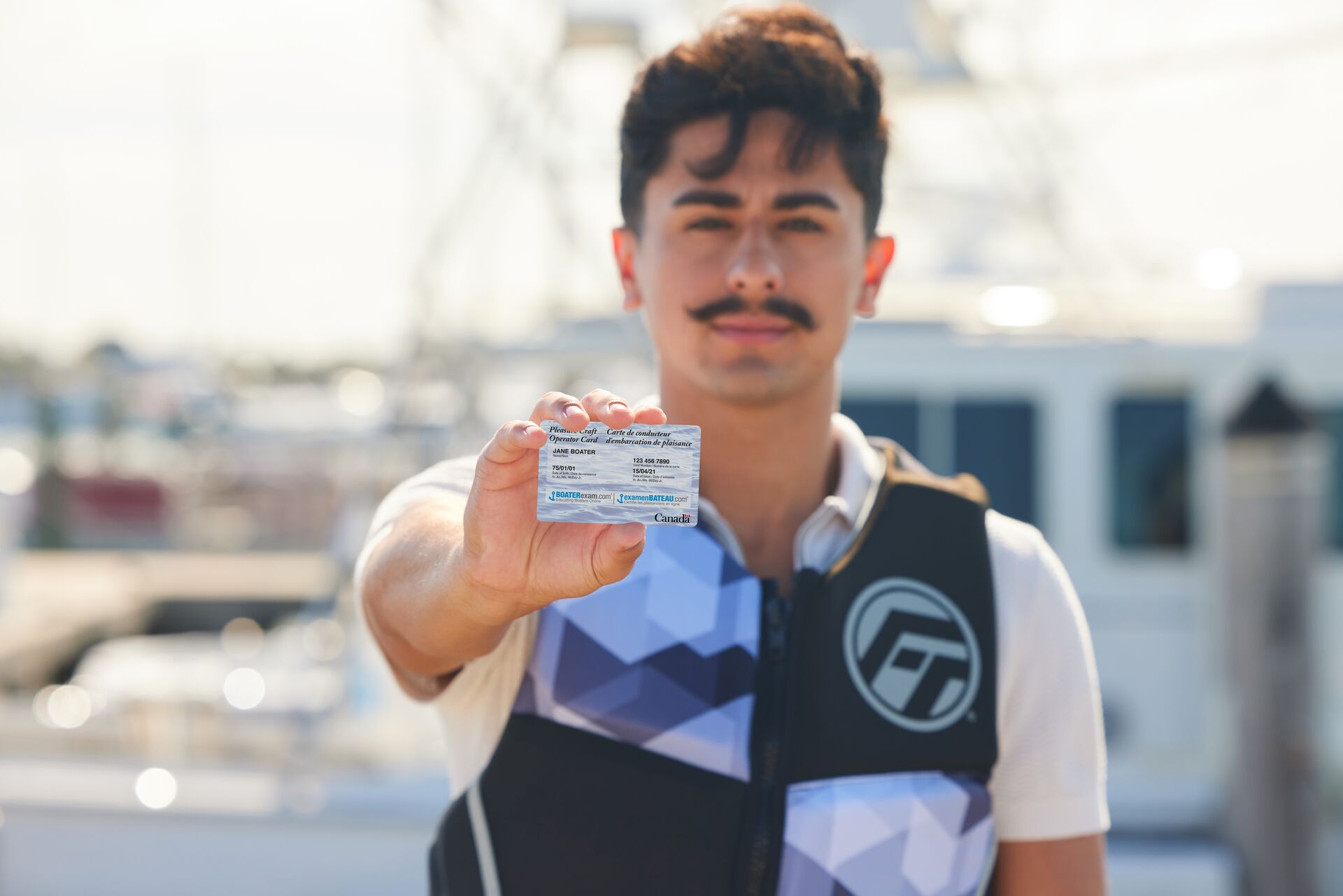
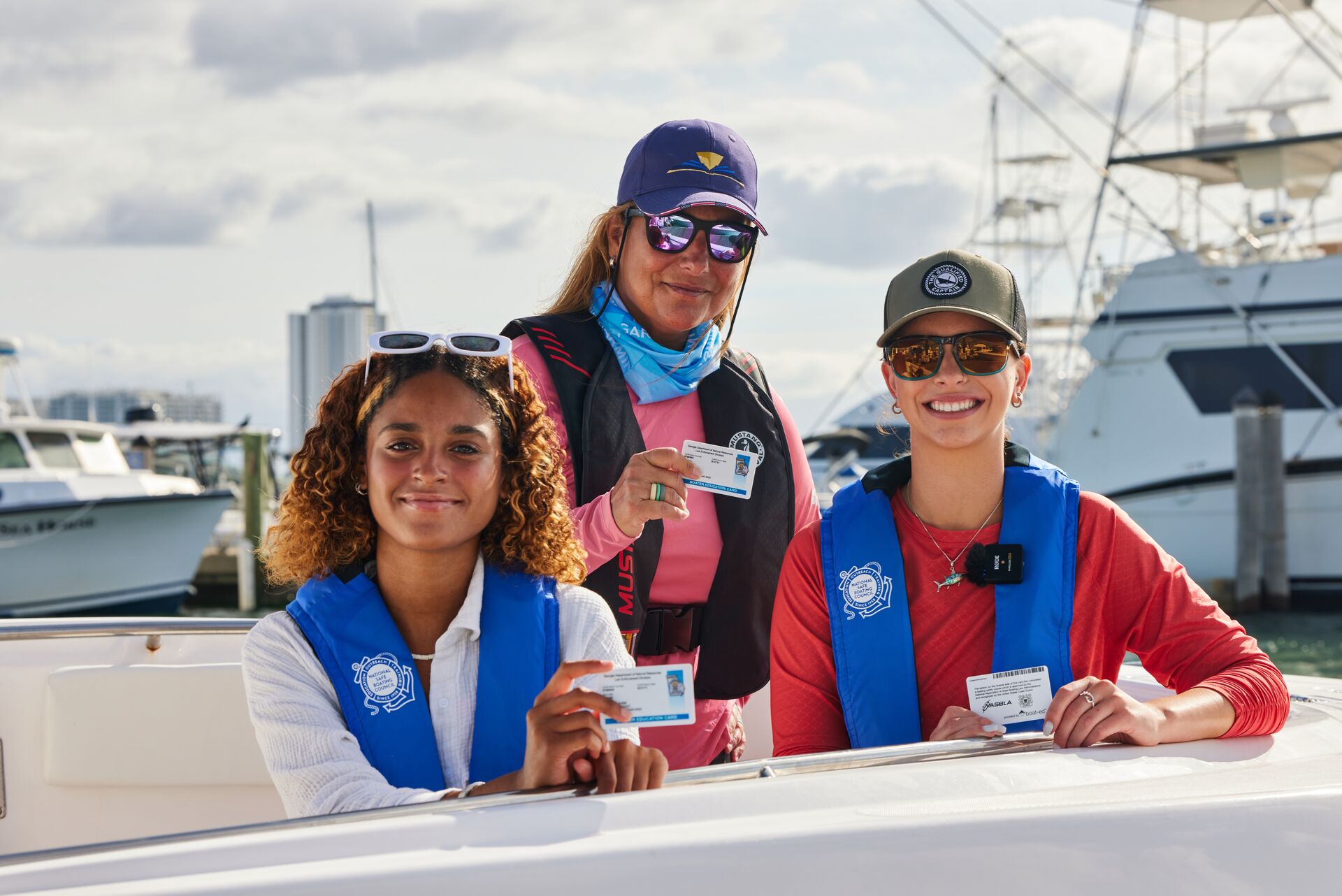
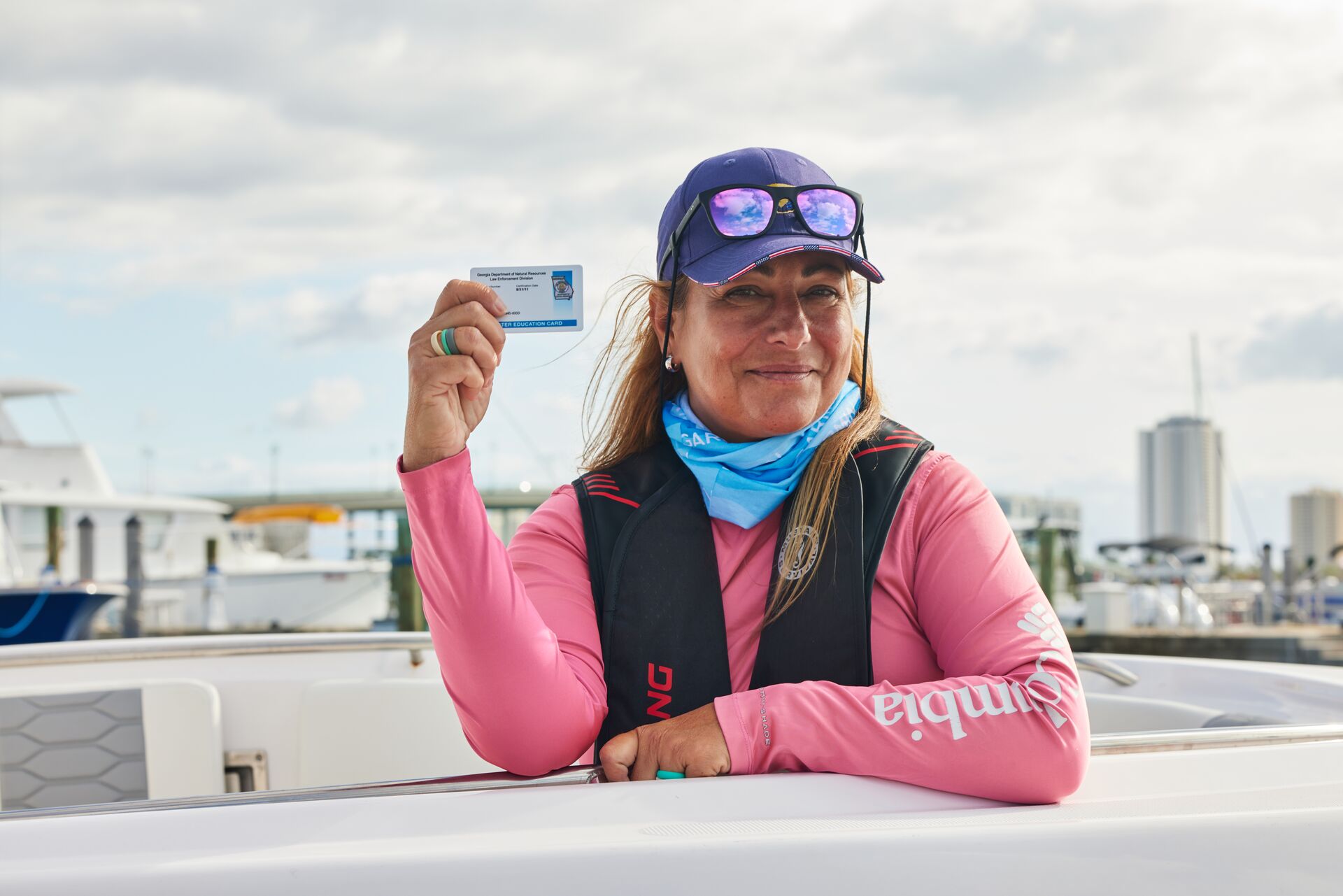
A boater education card or boater safety card is the official proof you carry after you've completed a state-approved boating safety course.
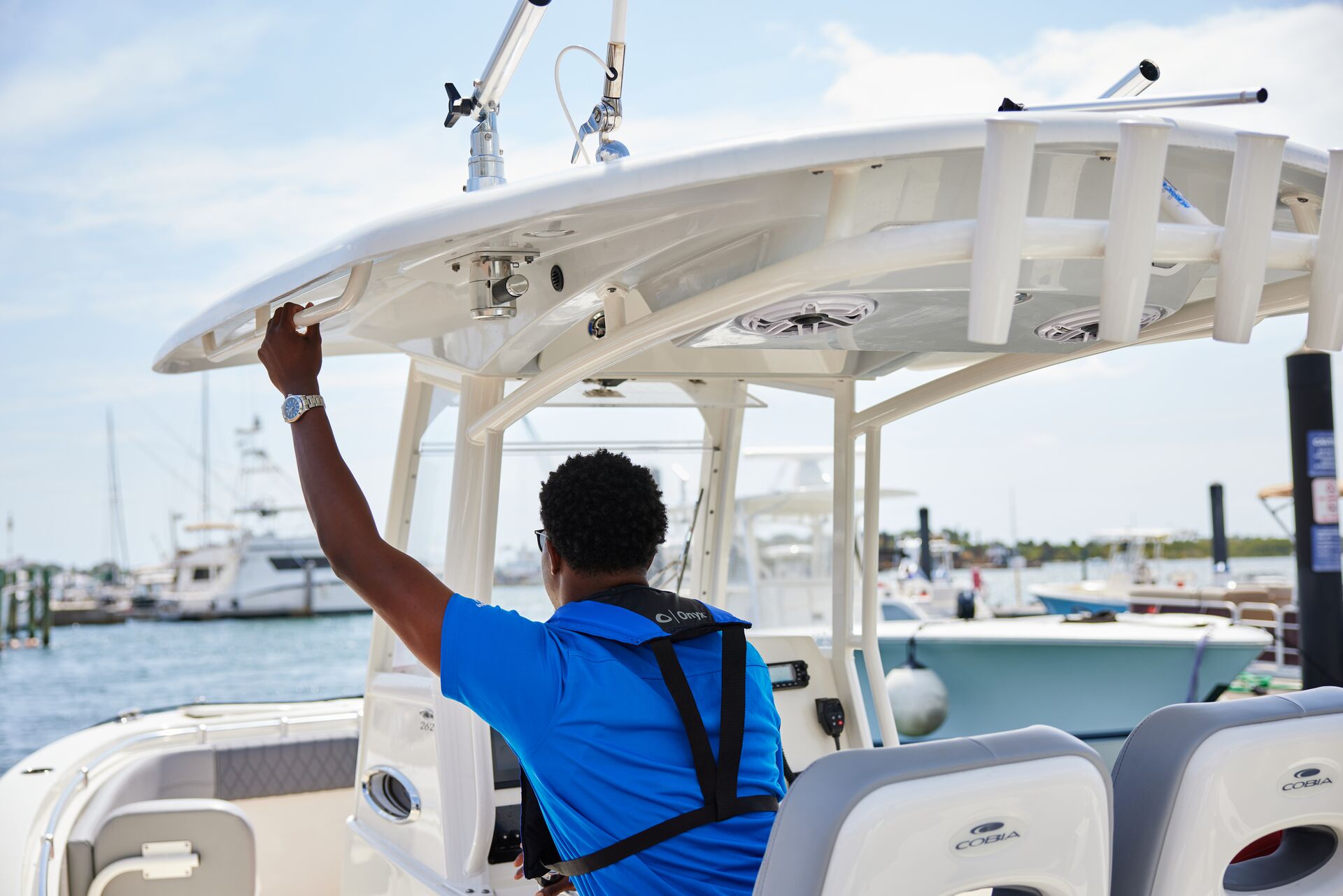
The difference between a boating safety card vs license is mainly in the terminology. Many states use terms such as "boater card" or "boater safety certificate" instead of "license." No matter what you call it, once you receive it, it's usually valid for life; you don't need to renew it annually, as you would with a driver's license.
Do All States Require a Boating License?
Not every state has the same boating license requirements. Some states require all operators to carry a boater card, and others require only a boater education course for specific age groups or powerboat operators.
A few states don't have any mandatory boater education requirements.
Is a Boating License Good in All States?
It's crucial to ask, "Is a boating license good in all states?" if you're traveling between states and plan on boating in a state where you don't reside.
Most states with mandatory boating education requirements—including New York, which recently began requiring licensing—offer reciprocity with other states.
If you've taken and passed a course approved by NASBLA, the National Association of State Boating Law Administrators, your boater education card will generally be valid in other states. However, you must always check your state's specific regulations before boating, as age restrictions and exemptions may vary, even among reciprocal states.
States That Require a Boating License | |||
| Alabama | Iowa | Nebraska | Rhode Island |
| Arkansas | Kansas | Nevada | South Carolina |
| California | Kentucky | New Hampshire | Tennessee |
| Colorado | Louisiana | New Jersey | Texas |
| Connecticut | Maine | New Mexico | Utah |
| Delaware | Maryland | New York | Vermont |
| District of Columbia | Massachusetts | North Carolina | Virginia |
| Florida | Michigan | North Dakota | Washington |
| Georgia | Minnesota | Ohio | West Virginia |
| Hawaii | Mississippi | Oklahoma | Wisconsin |
| Illinois | Missouri | Oregon | |
| Indiana | Montana | Pennsylvania | |
States That Do Not Require Boater Education | ||
| Alaska | Idaho | Wyoming |
| Arizona | South Dakota | |
Note: Even if your state doesn't require boater education, we highly recommend it! Boater safety education saves lives.
Who Needs a Boating License?
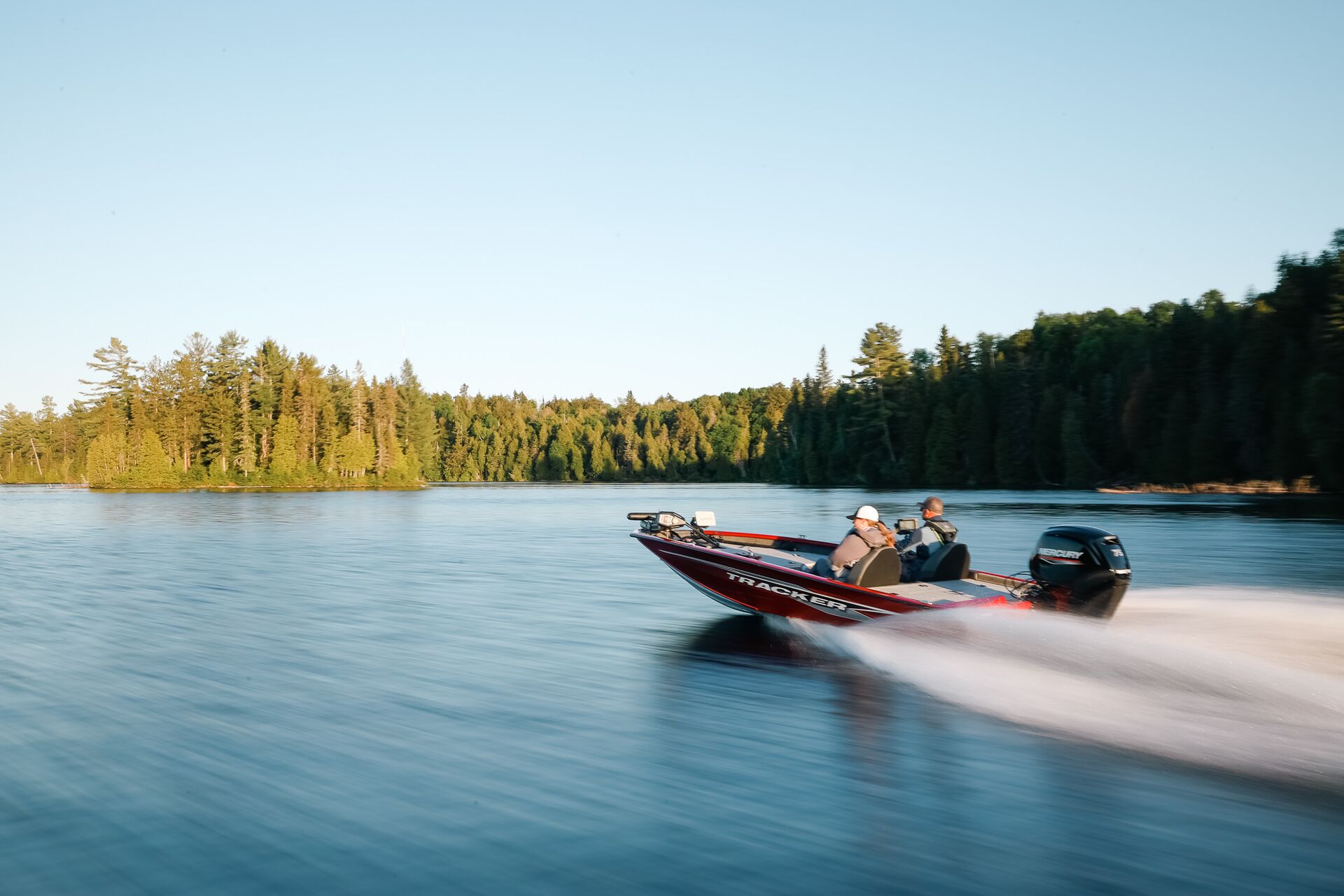
If you're operating a motorized vessel such as a powerboat, PWC, or jet ski in states that require boater education, it's a good idea to have a boating license.
Age restrictions may apply. If you're a younger operator, you might be required to carry a card, whereas older operators may be "grandfathered in" and exempt. To increase safety, more states are changing their laws to require everyone to have a card.
In some states, every boater needs a card regardless of their age. If you're a visitor, you'll have to comply with local laws while boating, even if those laws are different from those of your home state.
Why Is Meeting Boating License Requirements Important?
A boater education card can be highly valuable, even if your state doesn't require it. Here are a few benefits of a boater education card.
- Safety knowledge: A license demonstrates your understanding of navigation rules, safe operation practices, and emergency procedures.
- Accident prevention: Being licensed supports responsible boating by reducing the risk of collisions, injuries, and fatalities.
- Legal requirements: In many states, it's mandatory to have a boater education card to operate motorized vessels. Without it, you could face fines or other penalties.
- Lifelong credential: Your boating license is valid for life with no renewal required.
- Reciprocity: Most states that require boating education will recognize your boating license, making it easier to boat when you're traveling.
- Confidence on the water: Being licensed builds boating skills and increases your awareness, especially if you're a new boater.
- Protecting others: Boating education cards promote respect for other boaters, swimmers, and the environment.
- Lower insurance rates: Some insurers offer a discount to those who have completed safety education.
Boating license costs vary by state, so research your local costs in advance.
How Do I Get a Boating License in My State?
The good news is that it's easy to comply with your state's boater card requirements. You don't even have to get on the water or own a boat to get your card!
Follow the few steps below to get your license before hitting the water in your state.
Check your state’s requirements: Check your state boating agency’s website (or wildlife agency) to confirm age rules, required courses, and accepted certifications.
Choose an approved boater safety course (like BOATERexam): Select an in-person or online course that is approved by your state and NASBLA. BOATERexam is approved by NASBLA and most states!
Complete the course lessons and quizzes: Study topics such as navigation rules, safety equipment, emergencies, and environmental laws to learn the required material. Pass in-course quizzes as required.
Pass the final exam: Most states require completion of a multiple-choice test. But don't worry, when you take your course through BOATERexam, you have multiple opportunities to retake the test (for free) if you don't pass it the first time.
Receive your temporary certificate: Many providers issue an immediate printable or digital proof of completion. This means you can hit the water immediately after passing the final exam!
Get your official boating license or card: Your state or the course provider mails or issues a permanent card once requirements are fulfilled.
Carry your card whenever you operate a boat: Keep your license or education card with you as required by law. You never know when state officials could request to see your card while you're on the water.
That may seem like a lot of work, but when you take your course through BOATERexam, you can complete the course in as little as three hours!
Meet the Boating License Requirements in Your State with BOATERexam
The best time to make sure you meet the boating license requirements in your state is before the season begins! When the weather warms up, you'll be ready to hit the water legally and safely.
If your state is on the list above for requiring a boating license (i.e., a boater safety card), now is the best time to complete a boater education course with BOATERexam. Through your state-specific online course, you'll learn about safety, navigation, and what to do in emergencies so that you can boat with more confidence and comply with your state's regulations for boater safety education.
Before boating season begins, take the BOATERexam boater education course for your state.
Frequently Asked Questions (FAQs)
We have answers to your questions about boating license requirements!
Q: Do all states require a boating license?
A: No, not all states require a boating license. Most states require some form of boater education, but not all require a formal “license.” Requirements vary by age, boat type, and state.
Q: What states accept boating licenses from others?
A: Many states accept NASBLA-approved boater education cards from other states. If your card is NASBLA-certified, it’s generally valid nationwide.
Q: What is the difference between a license and a boater card?
A: A boating license often refers to state authorization to operate a vessel, while a boater education card proves you completed a safety course. In practice, many states use the terms interchangeably.
Q: Are boat licenses easy to get?
A: Yes, boating licenses are easy to get. You can get one by completing an online or in-person safety course and passing a basic exam.
Make sure you meet your state's boating license requirements!
Take the BOATERexam boater education course for your state.