Does a Canadian Boating License Work in the US?
Yes, a Canadian boating license, also known as a Pleasure Craft Operator Card (PCOC), is generally valid in the United States under reciprocity agreements. Most U.S. states recognize Canadian boating certifications for visiting boaters. However, you must still follow state-specific boating laws and safety requirements.
This includes understanding any differences in navigation aids, life jacket requirements, the safety equipment you'll need on board, and other boating requirements.
Following the rules will reduce any risk of legal complications and keep yourself and other boaters safer so you have more fun when traveling through international waters.
So, what should you know about your Canadian boating license being valid in USA waters? Here's what you need to know.

Updated April 20, 2026
Does a Canadian Boating License Work in the US?
Yes. If you want to visit the USA and enjoy boating while you're there, you're in luck. Many U.S. states honor the PCOC for visiting boaters under reciprocity agreements.
In other words, many U.S. states have an agreement with Canada that they will honor one another's boating licenses and safety certificates.
To make sure you're choosing a state with reciprocity, though, be sure that you take the time to verify local regulations in the state (or states) where you plan to boat. You don't need a U.S. license for temporary visits as long as the PCOC demonstrates adequate knowledge and is accepted by the U.S. state.
However, it's essential to remember that state-specific requirements might still apply. These can include age restrictions, additional permits, and other details. The best way to be safe and prepared is to research the details beforehand. Then, you can confidently boat in waters throughout the U.S. and have peace of mind about the legality of your adventures.
U.S. Boating Regulations to Be Aware Of
Each U.S. state sets boating laws, and no universal national license exists. That means some states will have stricter rules than others, and you'll want to pay close attention to detail if you plan to boat in more than one state's waters.
Some of the most common regulations include:
- Safety equipment requirements such as life jackets and fire extinguishers.
- Navigation rules specific to certain waterways.
- Mandatory boating safety education for particular age groups or vessel types.
Checking state regulations in advance is the right way to reduce risk and stay safe on the water. When you head out to have fun on your boat or PWC, you don't want to worry about whether your PCOC is enough or if you need something else. Planning ahead is always the right choice.
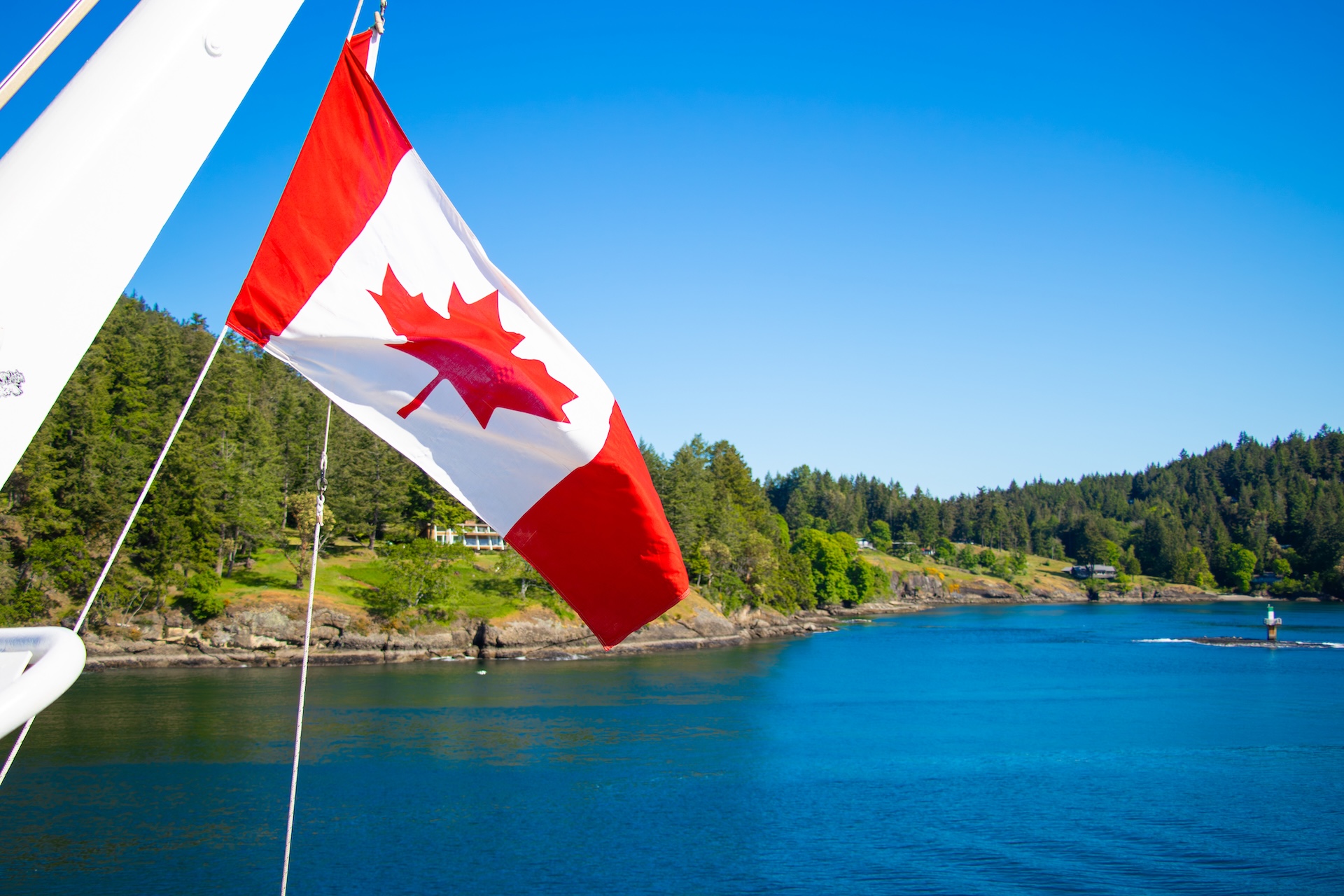
What is the Canadian Boating License?
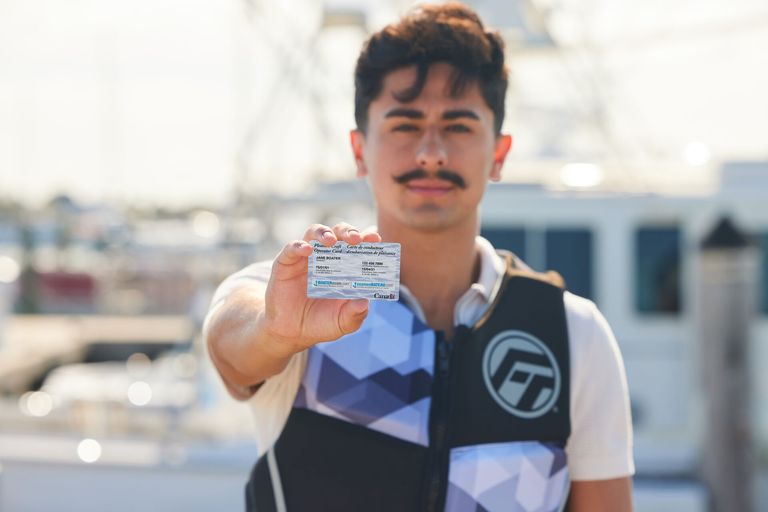
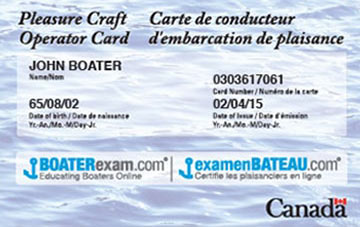
What most people think of as the Canadian boating license is officially called the Pleasure Craft Operator Card (PCOC). This card is mandatory for anyone operating motorized recreational boats in Canadian waters.
You must show proof of competency under Canada's Competency of Operators of Pleasure Craft Regulations to get one of these cards. You can do this by taking the online Canadian course through BOATERexam and passing the final exam.
It's important to note that the PCOC is technically not a "boating license" but a certificate proving knowledge of safe boating practices. Once you receive your card, it's valid for life, and you don't need to renew it or worry about it expiring.
Canadians Must Put Safety First On the Water
The Pleasure Craft Operator Card Canada offers is extremely important for promoting safety on Canadian waters. The requirements for this card apply to Canadian residents and visitors using motorized recreational vessels.

How to Get a Canadian Boating License
If you don't have your PCOC yet (your Canadian boating license), here are the steps to get it! With your PCOC, you are ready to boat legally and safely on Canadian and USA waterways.
1. Make Sure You Actually Need It
You most likely need one.
In Canada, anyone operating a motorized boat (including small ones with electric motors) must carry a PCOC. This rule is enforced by Transport Canada.
2. Choose an Approved Course Provider
You must take a boating safety course from a provider accredited by Transport Canada, like BOATERexam. These are widely available online and usually cost around $30–$70.
The course covers:
- Boating rules and right-of-way
- Navigation markers and buoys
- Safety equipment requirements
- Emergency procedures
- And other boating safety essentials
Not only is the PCOC a requirement to operate your motorized vessel, but it's the best way to learn the safety information you need to keep yourself and others safe on the water.
3. Study the Material
Most courses are self-paced and take about 3–6 hours total. With BOATEexam, you can use any device that connects to the internet for our online course, and you can stop and resume anytime.
4. Pass the Boating Safety Test
After learning the material, you're ready to take the final (required) exam. It's typically 50 multiple-choice questions, and you'll need to score at least 75% to pass.
Don't worry if you fail the test the first time! You can retake the test if needed. BOATERexam offers unlimited free tries.
5. Get Your Temporary License
Right after passing, you’ll get a temporary PCOC (valid for 60 days). You can print and use it immediately.
6. Receive Your Permanent Card
Your official plastic PCOC will be mailed to you from Transport Canada. It doesn’t expire and is valid for life.

Tips for Canadian Boaters Visiting the U.S.
As a Canadian boater visiting the USA, there are a few specifics to focus on.
Here are the most important tips to consider to help keep you safe and make your boating time more enjoyable:
- Carry your PCOC while boating in U.S. waters to demonstrate compliance with competency requirements.
- Familiarize yourself with U.S. Coast Guard regulations governing federal waters (oceans, Great Lakes, and some rivers) — especially where they may differ from Canadian boating regulations.
- Observe differences in navigational markers or signage between Canada and the U.S.
- Be mindful of wildlife and conservation rules in protected areas.
By following these tips, you can stay safe, feel more secure, and have more fun while boating and exploring the United States!
Cross-Border Boating Etiquette and Safety
When crossing into U.S. waters, it's essential to always comply with customs and immigration rules. You should report your arrival and have proper identification, such as a passport or NEXUS card, readily available.
Also, remember to respect local boating rules and practices to ensure a safe and enjoyable experience.
Get Your Boating License Before Boating in USA Waters
Does a Canadian boating license work in the US? Yes! The PCOC is widely recognized and sufficient for most recreational boating in U.S. waters. However, as we've noted, some states have additional requirements or offer less reciprocity. So, to confirm if your Canadian boating license is valid in USA waters, you'll want to double-check specific state requirements before traveling.
No matter where you boat, responsible boating is essential — and its value lies in enhancing safety and protecting waterways on both sides of the border. By following safe boating practices and legal requirements, you can help keep the waterways safe for everyone.


Content most recently reviewed and updated April 20, 2026.
Frequently Asked Questions (FAQs)
We have answers to your questions about if your Canadian boating license works in the US!
Q: Can I use my Canadian boating license in the US?
A: Yes, you can usually use a Canadian boating license in the US. A valid PCOC issued under Transport Canada is accepted in many U.S. states for visiting boaters. However, some states have their own rules, so it’s smart to check local requirements before you go.
Q: Is a Canadian boating license permanent?
A: Yes. The PCOC is issued for life and does not expire, as long as it was obtained through an approved provider recognized by Transport Canada.
Q: How hard is the Canadian boating license test?
A: The Canadian boating license test is fairly easy. The test is multiple-choice, based directly on the course material, and most people pass on their first try. You can usually retake it if needed.
Q: How much does a Canadian boating license cost?
A: The cost of a Canadian boating license is typically between $30 and $70 CAD, depending on the course provider. This usually includes the course, exam, and your permanent card.