Captain's License Canada: How to Get One in 2026
To get a captain's license in Canada for commercial vessel operation, you must get a Certificate of Competency from Transport Canada. Earning this certificate required formal training, a marine medical certificate, documented sea service time, and marine emergency duties training.
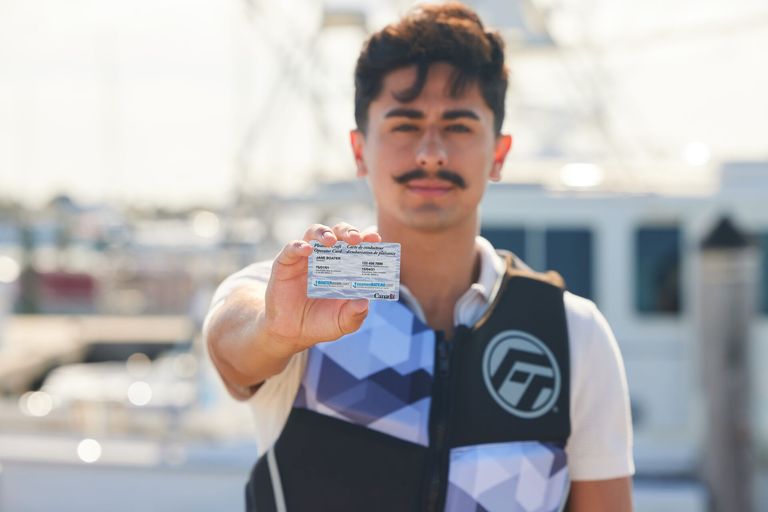
Note that a captain's license is different from the recreational Pleasure Craft Operator Card (PCOC).
Ready to get your boat captain license, Canada? Here's what you need to know about getting a marine certification to follow local laws and boat safely to protect yourself and your passengers while on the water.
Captain's License Canada: Understanding What It Is
You need a captain's license to operate a commercial vessel or carry passengers for hire in Canadian waters. This document differs from the Canada boating "license" or Pleasure Craft Operator Card (PCOC), which is required for non-commercial purposes.
In other words, if you're boating recreationally, you need a PCOC, and if you're boating for hire, you need a captain's license.
What Are the Types of Marine Certifications?
Depending on the type and size of commercial vessel you're operating, several different marine certifications are available. Getting the right one is crucial to following the law and maintaining compliance when operating your boat.
- A Small Vessel Operate Proficiency (SVOP) certification is required if you're operating a vessel that's under 12 meters in length.
- The Master Limited Certification allows you to operate commercial vessels under 60 GT (gross tonnage) in sheltered waters.
- If you need to get out onto less-sheltered water in larger vessels, you'll need the Master 150 Gross Tonnage (GT) certification. This gives you legal status to operate vessels up to 150 GT anywhere within domestic waters.
There are also Fishing Master certificates available if you operate a commercial fishing vessel.
Eligibility Criteria
To get a boat captain's license, Canada boaters, you must meet the eligibility criteria in Canada.
For example, you must be at least 18 since minors can't get a captain's license. You also need to hold a valid Marine Medical Certificate, which shows you're in good health and physically capable of operating the vessel for which you'll be licensed.
Additionally, you'll need to have experience on the water or at sea. How much experience you need varies depending on the license you're applying for.
Once you meet all these requirements, the next step is to complete the required training courses and certifications based on the license you want.
Sea Hours
Some licenses require a certain number of sea service hours to be logged in a marine environment. Without the necessary number of hours, you may not have enough experience to handle your vessel safely. The Master 150 GT is the highest-level license and has the strictest requirements for hours of experience.
If the license type you're applying for requires service hours, you'll need to prove you have those and meet all other requirements before you can receive your captain's license.
Training and Medical Requirements
The training and medical requirements for getting a captain's license have to be met through Transport Canada-accredited schools.
You can enroll in approved courses such as:
- Marine Emergency Duties (MED) A1, A2, or A3
- SVOP Course
- Simulated Electronic Navigation (SEN)
The specific courses you'll need depend on the certification you're applying for. All options for the yacht captain's license Canada offers require you to understand boating safety, maritime laws, and proper navigation.
You'll also undergo a Marine Medical Examination to ensure you meet the necessary health and fitness standards to handle any vessel you're licensed to operate safely.
How to Apply
You'll also need to pay the associated fees at that time.
Testing and Certification
Written exams are mandatory for most certifications. These exams assess your knowledge of seamanship, navigation, and safety. Practical assessments of your skills and abilities may also be required depending on the license you're applying for.
Once you receive your boat captain license, Canada will honor it for five years. At that time, it has to be renewed, which requires proof of continued medical fitness to operate a vessel. You may also need additional testing or training, which can vary depending on your license type.
Career Opportunities After Certification
With your captain's license, you have several career options. Some of the most common are:
- Commercial Fishing Operations
- Passenger Tour Boats and Ferries
- Transport of Goods by Water
These can be great careers for anyone who loves boating and wants to spend much of their time on a vessel.
Not Going Commercial? Take a Boater Education Course through BOATERexam!
If you're not planning on operating commercial vessels or carrying passengers on tour boats, you probably don't need a captain's license, Canada. There's a simpler way to get licensed to operate a vessel on Canadian waterways.
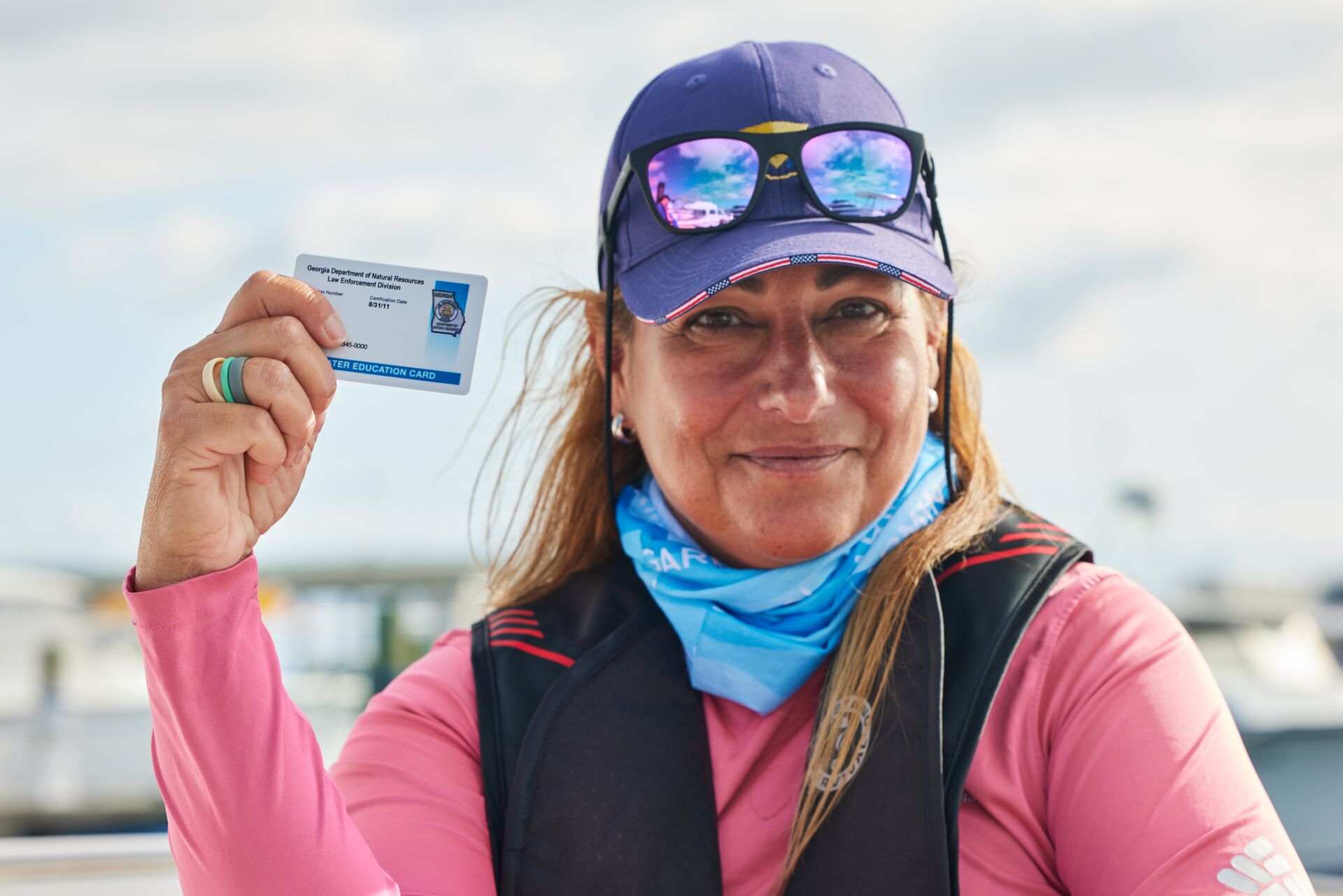
Recreational boaters can take a boater education course to get their PCOC (boating license). A boating course through BOATERexam will teach you about safety on the water so you can protect yourself and others while boating.
Our online courses are the best way to get certified! The material meets Transport Canada's requirements for boater safety, so once you finish the course and pass the exam, you'll get your boater card. Then, you take your recreational vessel out on the water safely and legally!
It's easy to get started. Just click below to sign up for our Canadian course, then start learning.

Frequently Asked Questions (FAQs)
We have answers to your questions about how to become a shop captain in Canada.