Do You Need a Licence for a Canoe with a Trolling Motor in Canada?
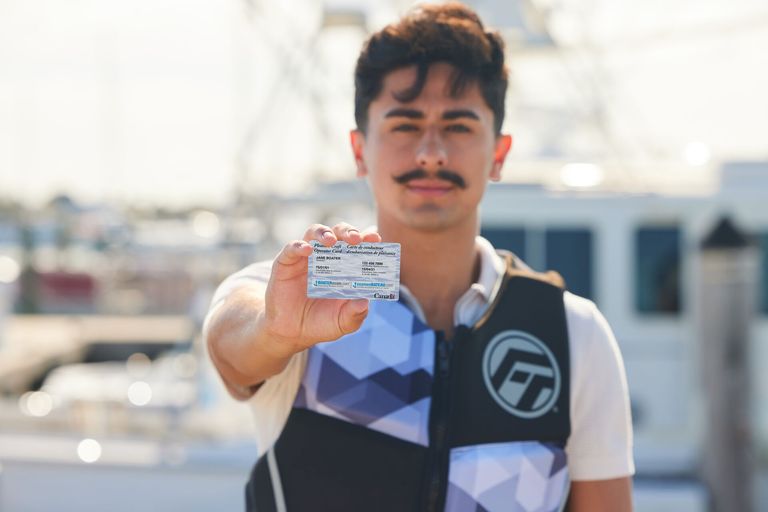
If you have a canoe with a trolling motor in Canada, you need a licence to operate it. That's because attaching any motor, gas or electric, regardless of horsepower, makes your canoe a motorized vessel. To operate a motorized vessel on Canadian waters, you need a Pleasure Craft Operator Card (PCOC).
Remember the PCOC and PCL (Pleasure Craft Licence, which is the vessel registration) aren't the same. You only need the PCL for motors of 10 hp/7.5 kW or more, a higher threshold that won't affect most canoe trolling motors.
Anglers often add trolling motors to canoes to position for casts, cover more water, and reduce paddling fatigue. Unfortunately, they often think a small electric motor doesn't count, which can lead to fines and other disciplinary action.
Here's what to know about the PCOC/PCL rules, gas vs. electric motors, and how the safety gear list changes once you add a motor and fishing gear to your canoe.
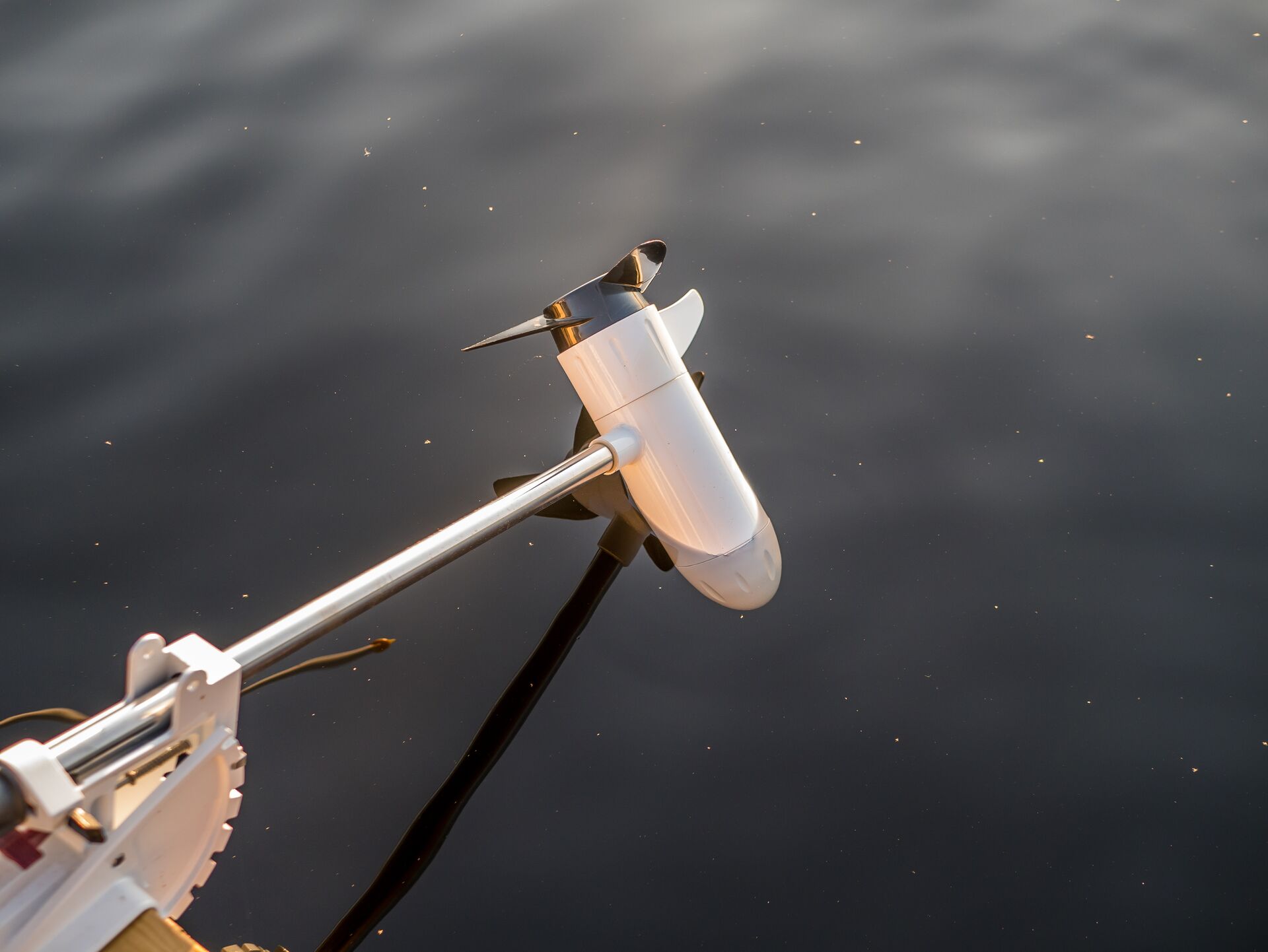
Does a Trolling Motor Make Your Canoe a Motorized Vessel?
Yes. Under the Canada Shipping Act, 2001, attaching a motor to a canoe reclassifies it as a motorized vessel.
The motor type or horsepower doesn't matter, so the PCOC requirement applies. The motor can be quiet, small, or even rarely used, but attaching it to your canoe is enough to change its classification.
In short, if your canoe has a motor mount, you'll need proof of competency, the Pleasure Craft Operator Card, to use it. If you're stopped on the water with a motorized canoe and no PCOC, you could face fines, even if you're not using the motor for that particular outing.
That's different from paddle-only vessel requirements, where you don't need a PCOC or PCL to operate legally. This is a common point of confusion for anglers, who might add a small transom- or bow-mount motor for positioning and assume they'll be exempt from licensing or registration requirements.
How to Legally Operate a Canoe with a Trolling Motor in Canada
If you plan to use a motorized canoe, this step-by-step compliance checklist can help you stay safe and legal before you leave the dock.
- Confirm that any motor you attach to your canoe makes it a motorized vessel under Transport Canada rules.
- Take a Transport Canada–accredited boating safety course.
- Pass the exam and get your PCOC.
- Check the PCL requirements to see whether your motor requires registration based on the horsepower threshold (10 hp/7.5 kW).
- Make sure your canoe has all required safety gear, including fishing gear.
- Keep your PCOC onboard at all times, even when you're not using the motor, so you can show it to law enforcement if asked.
If you skip any of these steps, you could face fines, even if you're a paddler with years of experience in an unmotorized canoe.

Do You Need a Pleasure Craft Licence for a Canoe Trolling Motor?
To need a Pleasure Craft Licence, you have to meet the 10 hp (7.5 kW) threshold. Most canoe trolling motors are rated in thrust rather than horsepower, and they're well under this threshold. For example, about 70 to 75 pounds of thrust equals one horsepower, so a canoe would need a pretty big motor to get close to the 10 hp requirement for a PCL.
Because of that, you generally don't need a PCL for your motorized canoe. However, you still need a PCOC because it's required regardless of your motor's horsepower. Only the PCL has a separate, higher threshold. PCL rules changed on December 31, 2025, so these licences now expire. They have an attached service fee and must be renewed every five years.
PCOC and PCL Requirements by Canoe Setup | |||
| Canoe Setup | PCOC Required? | PCL Required? | Notes |
Paddle only (no motor) | No | No | Exempt from proof-of-competency and licensing |
Electric trolling motor, any wattage | Yes | No (unless motor reaches 10 hp/7.5 kW) | Applies even if motor is off or unused during the trip |
Gas outboard, under 10 hp | Yes | No | Same PCOC rule as electric (horsepower doesn't affect PCOC) |
Any motor, 10 hp (7.5 kW) or more | Yes | Yes | PCL number must be displayed on both sides of the bow |
Gas vs. Electric Trolling Motors for Canoes: Does It Matter?
For PCOC purposes, Transport Canada doesn't distinguish between gas and electric motors. The motorized status and proof-of-competency requirement apply to electric trolling motors just as much as to gas-powered options.
The motor's size and type matter only for the 10 hp PCL threshold and the age-based horsepower restrictions for underage operators. Per the Vessel Operation Restriction Regulations, anyone 12 or younger operating a motorized vessel can use only one that's 10 hp or under, and operators aged 12 to 15 can use only vessels with 40 hp or less.
If you're planning to get a trolling motor for your canoe but aren't sure which type, electric motors are lighter, quieter, and easier to mount on a transom or gunwale, and canoe anglers are increasingly choosing them over gas motors.

Required Safety Gear for a Motorized Canoe in Canada
Because of the Small Vessel Regulations, adding a motor to your canoe changes the safety equipment you must carry. Also, using the canoe for fishing increases the items you need to carry. For a motorized canoe, you'll need:
- A Canadian-approved canoe PFD or life jacket in the right size, with one for every person on board
- A sound-signaling device, such as a horn or pea-less whistle
- Manual bilge-pumping equipment or a bailer
- A buoyant heaving line that's at least 15 meters in length
- A watertight flashlight if you're operating your canoe after sunset, before sunrise, or in low visibility conditions
- A reboarding device, unless your freeboard height is 0.5 m or lower
If you're fishing from your canoe, there's some specific gear worth adding. While it's not legally mandated, it can be very practical. Consider including:
- An anchor and line to hold your position while casting
- A dry bag or waterproof case to hold a phone, your PCOC, and tackle
- A spare paddle or paddle leash, in case your motor fails
- A PFD that's built for mobility when casting and paddling, not just flotation
Some equipment requirements are reduced when everyone on board wears a PFD, but don't assume your motorized canoe has the same exemptions as a paddle-powered one.

Get Your PCOC Before You Add a Motor to Your Canoe
Any motor mounted to your canoe, no matter how small, means you need a PCOC to operate it. If your motor is 10 hp (7.5 kW) or higher, which is very unlikely on a canoe, you'll also need PCL registration. Anyone who's planning to add a trolling motor to their canoe should get their PCOC before their first motorized outing, to reduce the risk of fines and penalties.
Getting certified quickly is easy with our BOATERexam Canada course, and you'll be ready to get out on the water in just a few hours.

Frequently Asked Questions (FAQs)
Q: Do you need a license for a motorized canoe in Canada?
A: Yes. A canoe equipped with a gas or electric motor is considered a motorized vessel in Canada. Operators must carry a valid Pleasure Craft Operator Card (PCOC), regardless of the motor's horsepower or how often it's used.
Q: Does a canoe with a trolling motor need to be registered?
A: Not necessarily. A Pleasure Craft Licence (PCL) is required for motorized canoes with engines rated at 10 hp (7.5 kW) or more. Most canoe trolling motors fall below this threshold, so they don't require a PCL. However, you still need a PCOC to operate the canoe.
Q: What horsepower trolling motor requires registration in Canada?
A: A motor rated at 10 hp (7.5 kW) or higher requires a Pleasure Craft Licence (PCL) in Canada. This threshold applies to the combined power of all engines on the vessel. Smaller trolling motors generally don't meet the registration requirement, but they still trigger the PCOC requirement.
Q: Is a canoe with a trolling motor treated the same as a fishing boat?
A: For boating safety and operator competency requirements, yes. A canoe fitted with a trolling motor is treated as a motorized pleasure craft, even if it's primarily used for fishing. You must carry the required safety equipment and proof of competency. Fishing doesn't exempt you from these rules.
Q: What safety equipment is required on a motorized canoe?
A: A motorized canoe must carry the safety equipment required for a power-driven pleasure craft. For a typical canoe under 6 meters, this includes navigation lights, a Canadian-approved PFD or lifejacket for each person onboard, a reboarding device, a buoyant heaving line at least 15 meters long, a bailer or manual bilge pump, a manual paddle or an anchor, a sound-signaling device, a magnetic compass, and a watertight flashlight or three approved distress flares.
Q: Can you operate a canoe with a trolling motor without carrying a PCOC if the motor is only used occasionally?
A: No. Canadian regulations require proof of competency whenever you operate a pleasure craft fitted with a motor, even if the motor is switched off. This means you need a PCOC when paddling a canoe with a trolling motor attached, regardless of how often you use it.
Q: What happens if you're caught operating a motorized canoe without a PCOC or PCL?
A: You could receive a $250 fine for operating a motorized pleasure craft without proof of competency or failing to carry it onboard. If your canoe requires a Pleasure Craft Licence and is unlicensed, operating it can also result in a separate $250 fine.