Do You Need a Licence to Kayak or Canoe in Canada? (Paddling Rules)
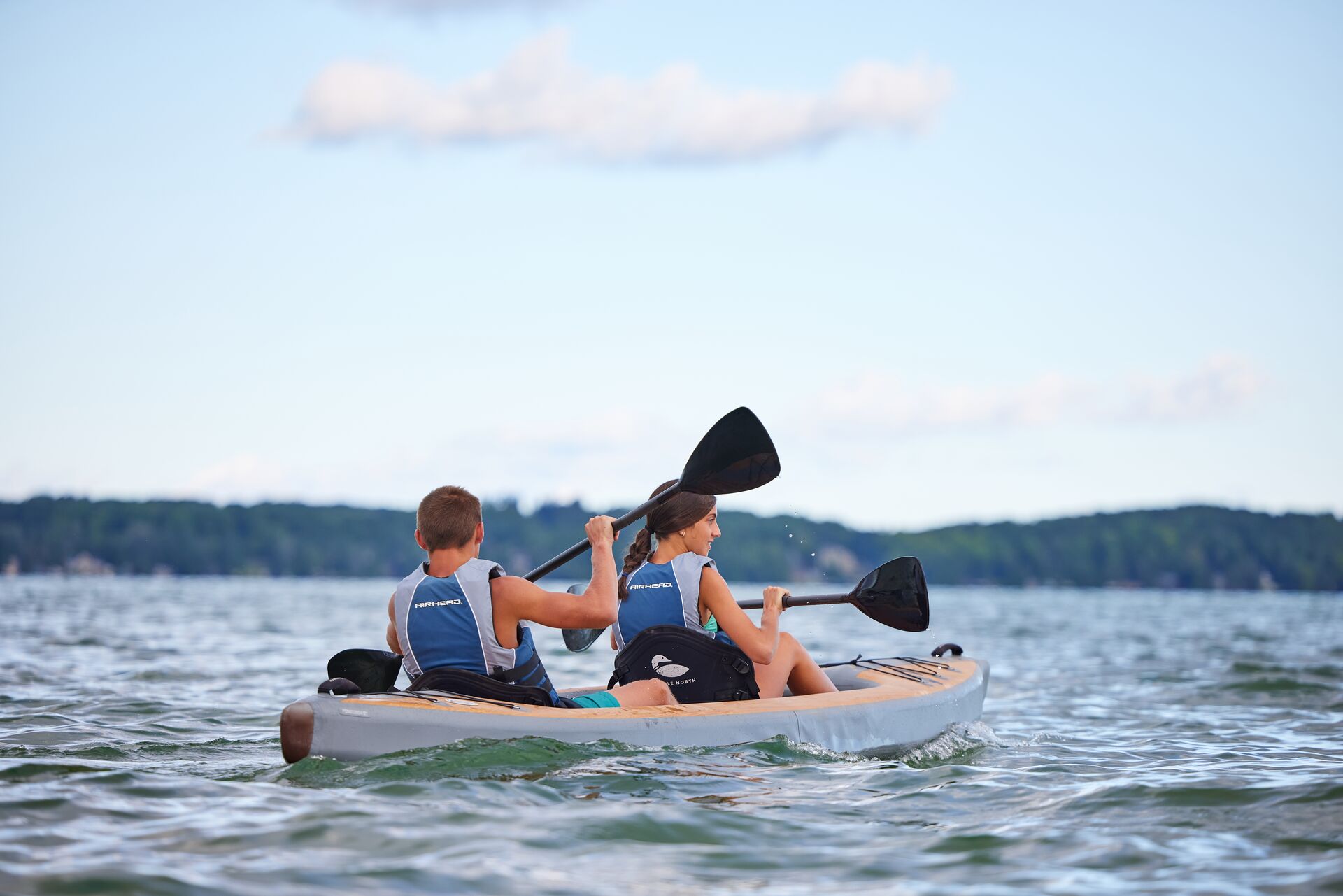
If you're planning to paddle a canoe or kayak in Canada, you technically don't need a Pleasure Craft Operator Card (PCOC). That's because the requirement to have a PCOC only applies to motorized boats.
However, Transport Canada’s rules for safety equipment still apply to paddlers as well as motorized vessel operators, so it's a good idea to get your Canadian boating licence and ensure you have the required knowledge to travel the nation's waterways.
Some people use motors on their canoes or kayaks, but we'll focus on non-motorized, human-powered kayaking and canoeing.
So, do you need a licence for a kayak or canoe? No, for either. But it's still a good idea to take a safety course and get your PCOC. Let's learn more about it today.
Do You Need a Licence for a Kayak or Canoe in Canada?
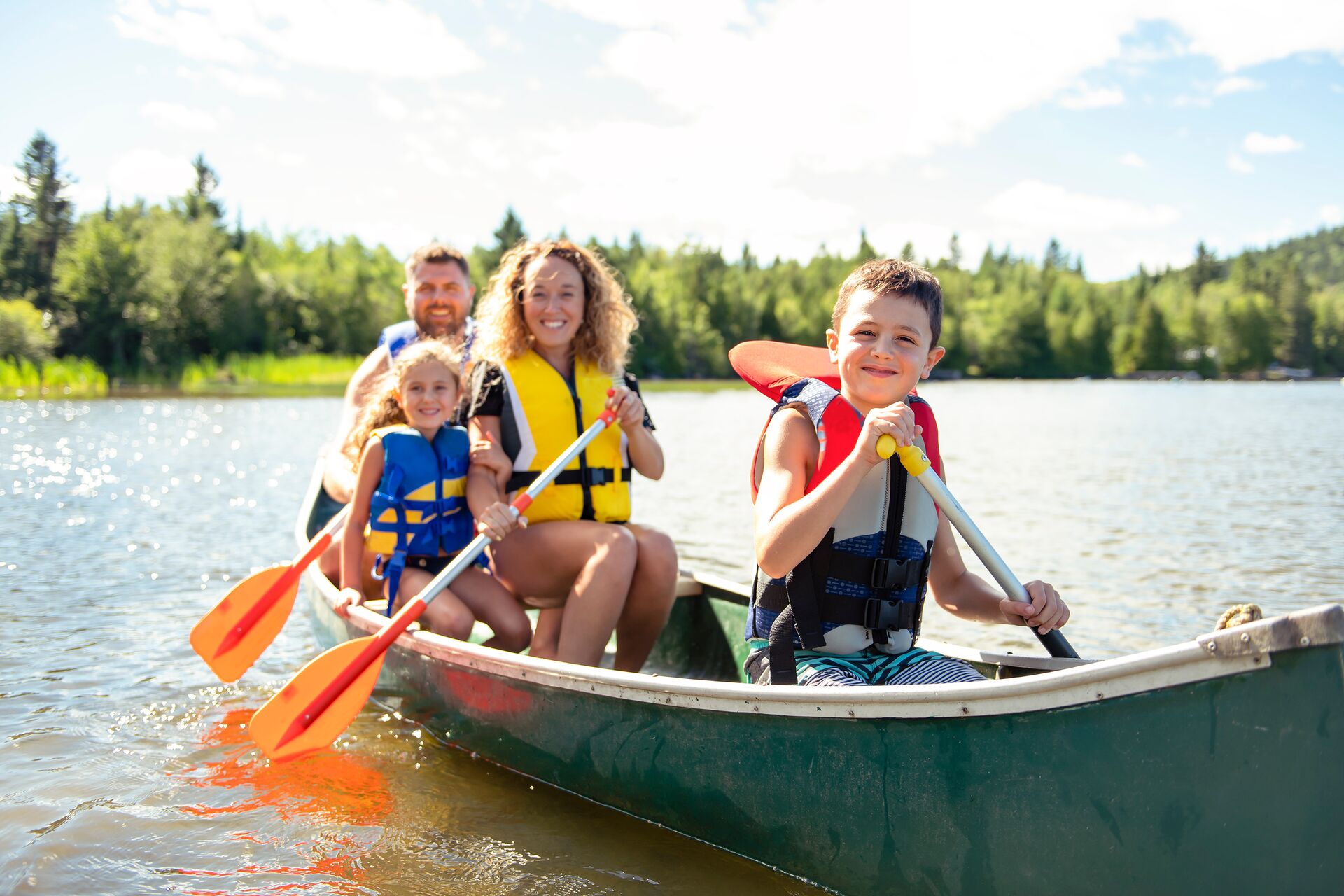
Do you need a licence for a canoe? The short answer to this question is no, because the Competency of Operators of Pleasure Craft Regulations focus on motorboats and other powered pleasure craft, such as jet skis. That means operating a human-powered craft doesn't require a PCOC.
The PCOC provides proof of competency to operate motorized vessels, so it doesn't apply to people who paddle kayaks and canoes. “Do you need a licence for a canoe or kayak?” is a common question, but the bottom line is this: If your vessel is self-propelled, you don't need to pass a course or carry a card to use it.
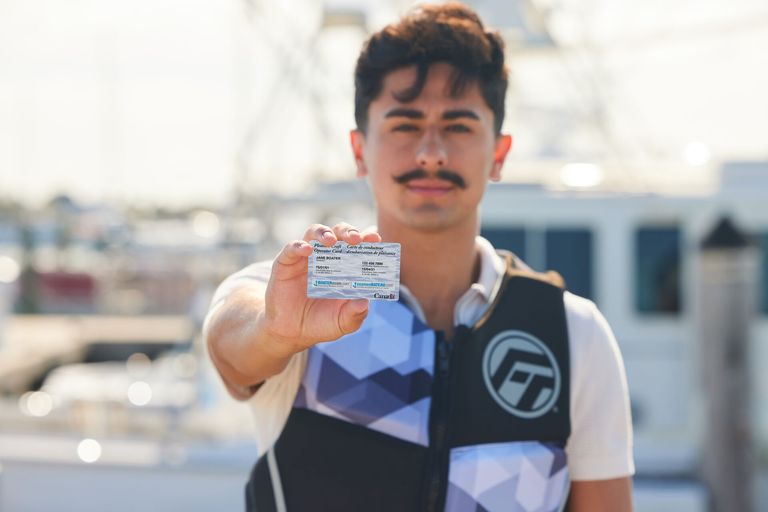
If you decide to get your PCOC anyway, it's a low-cost licence for life, and provides important safety information for anyone who enjoys the water.
What If Your Canoe or Kayak Has a Motor?
If you've got a canoe or kayak with a motor of any kind, whether it's permanently affixed or just temporary or portable, that counts as a motorized vessel under the Small Vessel Regulations of the Canada Shipping Act, 2001.
This is true even if you're not using the motor, because the mere presence of it is enough to reclassify your pleasure craft.
When you add a motor to your kayak or canoe, you'll need to get a PCOC and carry it with you anytime you're on the water.
This is true no matter the size of your motor, and whether it's gas-powered or electric. So, do you need a licence for a kayak? Generally no, but if it has a motor, yes, you do.
Keep in mind that a motorized kayak or canoe may also be subject to Pleasure Craft Licence (PCL) requirements for a vessel registration number. But it depends on its size and horsepower.
Motorized vs Non-Motorized Paddlecraft: What the Law Requires | ||
Requirement | Non-Motorized (Kayak/Canoe/SUP) | Motorized (Any Motor Attached) |
Pleasure Craft Operator Card (PCOC) | Not required | Required for all operators |
Pleasure Craft Licence (vessel registration) | Not required | Required if motor is 10 hp (7.5 kW) or more |
| Canadian-approved PFD for each person | Required | Required |
Sound signalling device (whistle/horn) | Required | Required |
| Bailer or manual pump | Required (exceptions allowed for sealed-hull designs) | Required |
| Buoyant heaving line (15 m) | Required | Required |
| Re-boarding device | Required unless all persons wearing a PFD | Required unless all persons wearing a PFD |
| Navigation lights or watertight flashlight | Required after sunset or in restricted visibility | Required after sunset or in restricted visibility |
| Magnetic compass | Not required within sight of navigation marks or for craft 8 m or under | Not required within sight of navigation marks or for craft 8 m or under |
| Minimum operator age | No minimum | 16 years old for PWC (varies by vessel type for other motorized craft) |
Required Safety Equipment for Kayakers and Canoeists in Canada
While you don't need a licence for a self-propelled canoe or kayak in Canada, you do need safety gear. It's legally required and non-negotiable, regardless of how much paddling experience you have.
The Small Vessel Regulations and the Transport Canada Safe Boating Guide specify the safety equipment that human-powered craft must carry.
- PFD or Life Jacket: Each person on board must have a Canadian-approved PFD that fits them properly and is the correct size. You can use an inflatable PFD as long as you're not traveling in whitewater areas. If you don't have a properly sized PFD, you can be fined $200, plus an additional $100 for each missing PFD.
- Sound signaling device: All paddlers must have a whistle or pea-less horn.
- Bailer or manual pump: This is used to remove water from the cockpit, but sealed-hull or sit-on-top kayaks may be exempt in some cases, depending on their design.
- Re-boarding device: You'll need one of these unless everyone is wearing a PFD while underway.
- Buoyant heaving line: Your line must be at least 15 metres long.
- Navigation lights or watertight flashlight: If you're operating after sunset, before sunrise, or in periods of low visibility, you'll need this. A watertight flashlight meets the requirement on a small, human-powered craft.
- Magnetic compass: This is required only if you're not paddling within sight of navigation marks or if you have a craft longer than 8 metres.
Check your gear before each adventure on the water to ensure everything is in good working order. Having the right safety equipment can mean the difference between returning home safely on your own and needing rescue, and can make rescue easier if it's ever necessary.
What About Canoe and Kayak Registration?
Paddling Smart: Tips for Staying Safe on the Water
Stay safe when paddling on the water is easier when keeping a few additional tips in mind.
These tips include:
- When you're on the water, wear your PFD — don't just carry it. And make sure you understand the difference between life jackets for boats and canoes.
- Check your local conditions before launching, as choppy water, windy conditions, or an incoming storm may mean you should stay on shore.
- Always tell someone your float plan so they know where you're going and when to expect you back.
- Respect no-wake zones near motorized traffic, and take the time to understand right-of-way rules when you're sharing the waterways.
Get on the Water the Safe Way with Your PCOC
There's no licence required for non-motorized kayaks and canoes, but that doesn't mean you're off the hook when it comes to safety. You'll need to carry the right gear with you to stay safe and comply with the law.
If you're looking to operate a motorized vessel and need a PCOC, check out our BOATERexam courses for Canada. You'll learn the basics of waterways, navigation, boating safety, and emergency procedures, so you can feel confident and enjoy your vessel to the fullest.

Frequently Asked Questions (FAQs)
Q: Do you need a licence to kayak in Canada?
A: No. You don't need a Pleasure Craft Operator Card (PCOC) to paddle a non-motorized kayak in Canada because it's powered by you, not an engine. However, you must still carry the required safety equipment, such as a properly fitting Canadian-approved PFD and other mandatory gear.
Q: Do you need a licence to canoe in Canada?
A: No. A non-motorized canoe doesn't require a PCOC. Even without a licence requirement, canoeists must follow Transport Canada's safety equipment rules and carry the required gear while on the water.
Q: Does a kayak need to be registered in Canada?
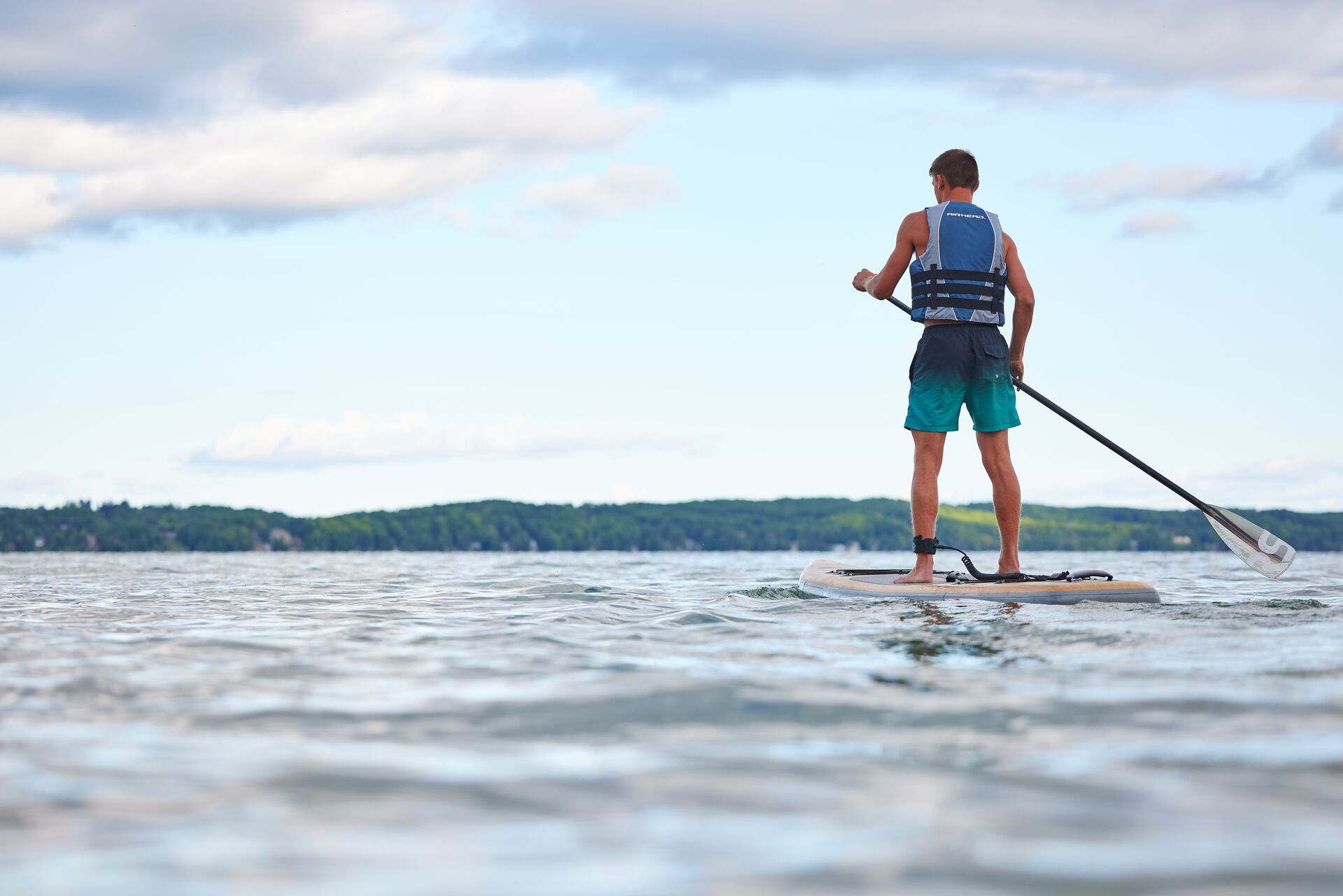
A: A non-motorized kayak doesn't need a Pleasure Craft Licence (PCL) or registration in Canada. If you add a motor, licensing requirements may apply depending on the motor's power and the vessel's classification.
Q: What safety gear do you legally need on a kayak or canoe in Canada?
A: At minimum, you'll generally need a Canadian-approved PFD or life jacket for each person, a sound-signaling device like a whistle, a bailer or manual pump (unless your kayak is exempt by design), a 15 metre buoyant heaving line, and additional equipment such as a watertight flashlight if paddling after dark or in low visibility. Some requirements vary depending on your vessel and where you're paddling.
Q: Can a child paddle a kayak or canoe in Canada without a licence?
A: Yes. Because non-motorized kayaks and canoes don't require a PCOC, children can paddle them without a boating licence. Adults should still make sure young paddlers wear a properly fitted PFD and have the skills needed for the conditions.
Q: What is the fine for not having a life jacket on a kayak in Canada?
A: If you don't have a properly sized Canadian-approved PFD or life jacket for each person on board, you can face a $200 fine, plus an additional $100 for each missing PFD. Wearing your PFD while paddling is the safest choice, even when it's only required to be carried.
Q: Do you need a boating licence if you add a motor to your canoe?
A: Yes. Once you attach a motor to your canoe, it's treated as a motorized pleasure craft under Canadian regulations. That means the operator must carry a valid Pleasure Craft Operator Card (PCOC), even if the motor is small or isn't being used at the time.