Do You Need a Licence for a Kayak with a Trolling Motor in Canada?
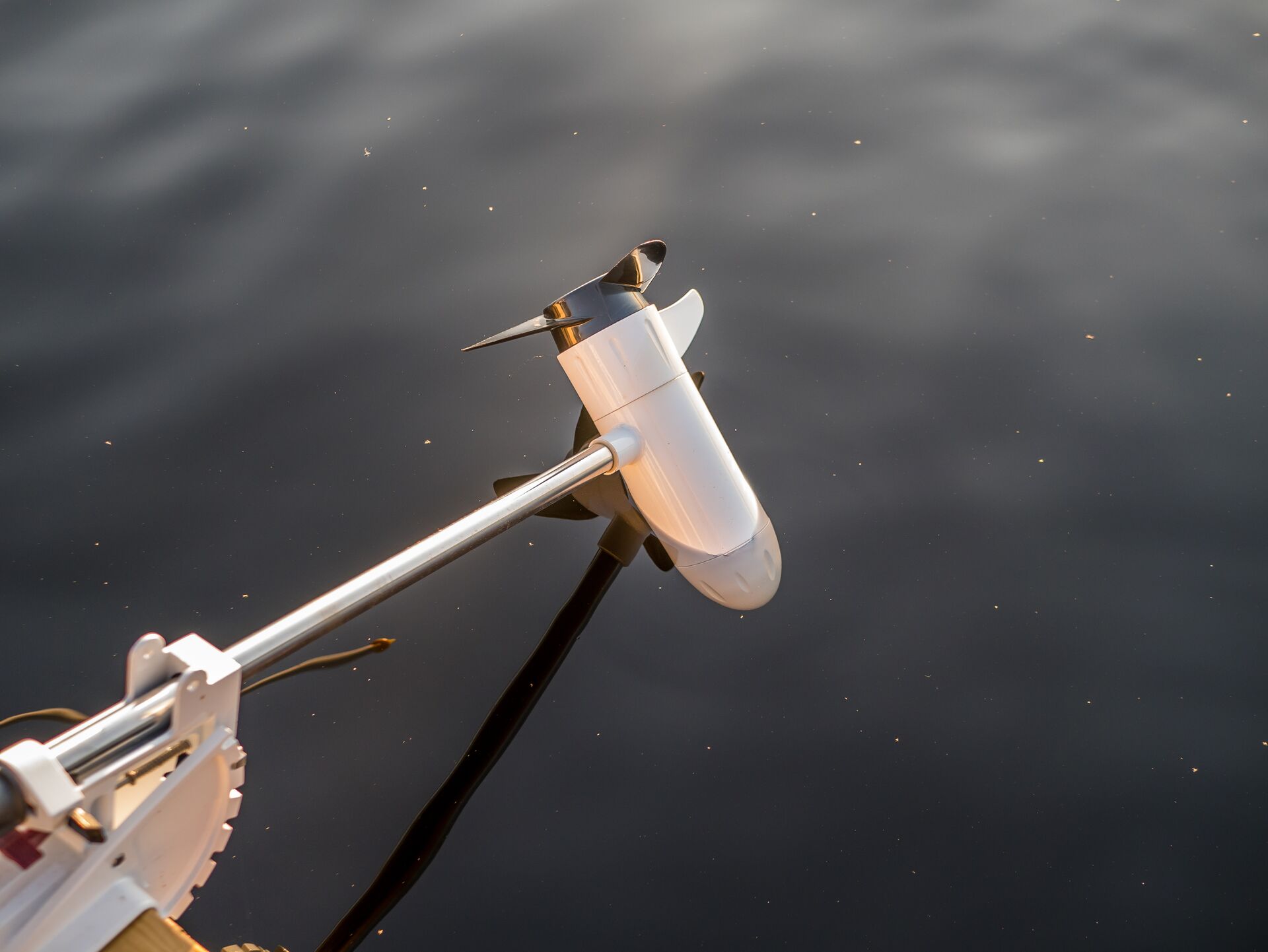
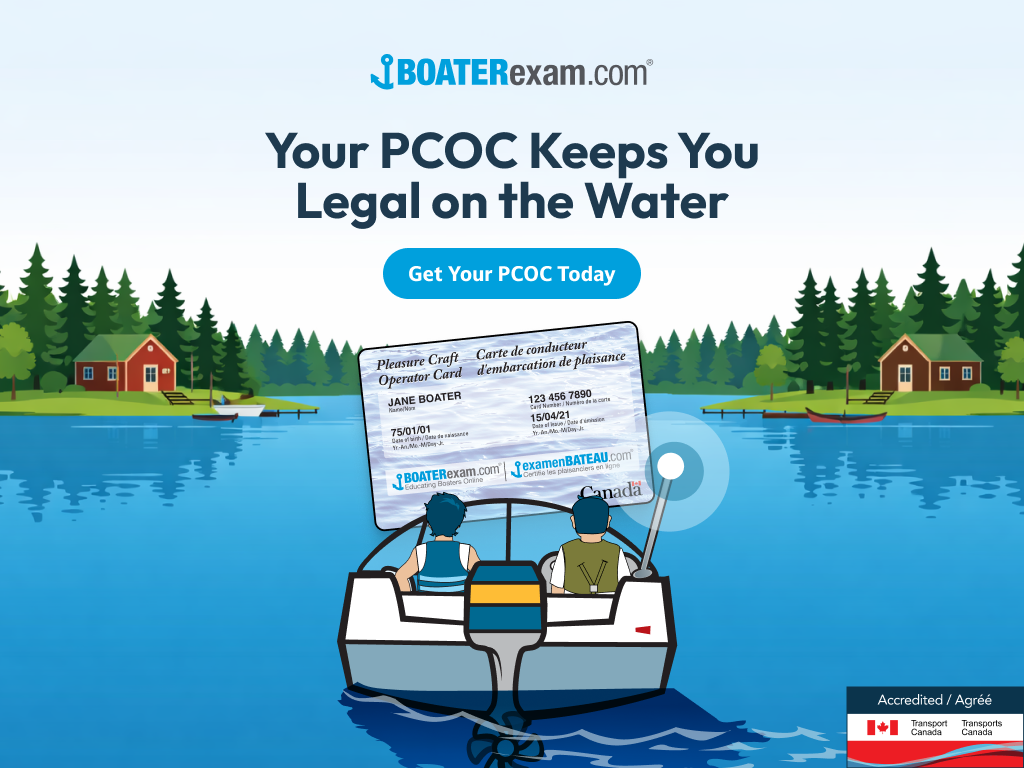
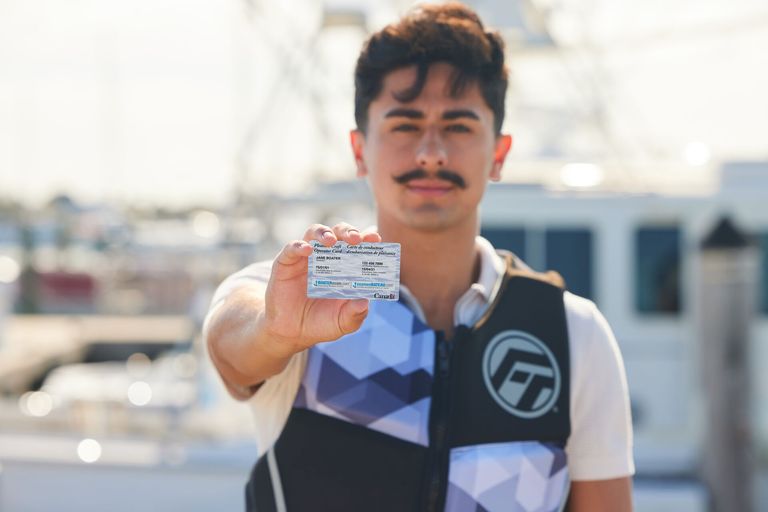
Adding a trolling motor to a kayak, regardless of size or whether it's gas or electric, creates a motorized vessel under Transport Canada rules, so you need a Pleasure Craft Operator Card (PCOC) to operate it. A Pleasure Craft Licence differs from a PCOC and is only needed if the motor has 10 horsepower or greater, which is much higher than most kayak trolling motors.
Additionally, you'll need different safety gear when you have a motor on your kayak. Here's what's required, from the PCOC to mandatory safety equipment, so you can decide whether adding a trolling motor to your kayak is right for you.

Does a Trolling Motor Make Your Kayak a Motorized Vessel?
Any motor of any horsepower attached to your kayak, gas or electric, reclassifies your kayak as a motorized pleasure craft under the Canada Shipping Act, 2001. Even if you rarely use the motor or remove it for a trip, any kayak that's "fitted" with a motor requires a Pleasure Craft Operator Card to operate.
This contrasts with a plain, unmotorized kayak, which doesn't require a PCOC or a Pleasure Craft Licence (PCL).
Many anglers who use kayaks are surprised by this rule, as they often assume a small, quiet electric motor, or a gas motor under 10 horsepower, is exempt from proof-of-competency requirements.
How to Legally Operate a Kayak with a Trolling Motor in Canada
Taking Transport Canada rules seriously and staying compliant isn't complicated, but it's important. Before heading out, follow this step-by-step compliance checklist for safety and peace of mind.

- Confirm that attaching a motor to your kayak makes it a motorized vessel under Transport Canada rules.
- Take a Transport Canada-accredited online boating safety course.
- Take and pass the exam at the end of the course to get your PCOC.
- Determine whether your kayak's motor horsepower requires a PCL. The threshold is 10 hp (7.5 kW).
- Ensure your kayak has the right safety gear, including a PFD, a bailer or manual bilge pump, and a sound-signaling device.
- Carry your PCOC at all times when you're in your kayak, even if you're not using the motor or it's been temporarily removed.
If you skip any of these steps, you could get fined if you're stopped on the water. Even if you consider yourself an experienced boater, you still need a PCOC for a motorized kayak, and it's better to stay legally compliant while traveling Canadian waterways.

Do You Need a Pleasure Craft Licence for a Kayak Trolling Motor?
A Pleasure Craft Licence (PCL) differs from a PCOC, and you only need a PCL for your kayak if its motor is 10 hp (7.5 kW) or greater. Most kayak trolling motors are far below that threshold. Because motors are often rated in pounds of thrust instead of horsepower, it's essential to know how to convert between the two.
One horsepower is roughly equal to 70-75 pounds of thrust, so you'd need an unrealistically large motor for your kayak to get 10 horsepower or more. Remember, you still need a PCOC if you have a trolling motor on your kayak, regardless of horsepower, but a PCL has a higher threshold and is only needed for motors of 10 horsepower or more.
The PCL used to be good for life, like the PCOC, but the Pleasure Craft Licence rules changed on December 31, 2025. Now, these licences expire and need to be renewed every five years. That comes with a small service fee. The PCOC, however, is still valid for life and doesn't expire.
PCOC and PCL Requirements by Kayak Setup | |||
| Kayak Setup | PCOC Required? | PCL Required? | Notes |
Human-powered only (paddle) | No | No | Exempt from proof-of-competency and licensing |
Electric trolling motor, any wattage | Yes | No (unless motor reaches 10 hp/7.5 kW) | Applies even if motor is off or unused during the trip |
Gas outboard, under 10 hp | Yes | No | Same PCOC rule as electric (horsepower doesn't matter for PCOC) |
Any motor, 10 hp (7.5 kW) or more | Yes | Yes | PCL must be displayed on both sides of the bow |
Gas vs. Electric Trolling Motors: Does It Matter?
Transport Canada doesn't distinguish between electric and gas trolling motors for PCOC requirements. That's because trolling motors work similarly regardless of their power source, and every motorized vessel used on Canadian waters needs an operator who can prove competency.
You won't need to worry about motor specifics unless you're reaching or exceeding the 10 horsepower PCL threshold or dealing with age-based restrictions for younger operators. For example, restrictions include no more than 10 horsepower for anyone under 12 and no more than 40 horsepower for anyone ages 12 to 15, per the Vessel Operation Restriction Regulations.
Although motor type doesn't change the PCOC requirement for your kayak, gas and electric motors differ in practice. For example, electric motors are lighter, quieter, and easier to mount on the hull, so more paddlers choose them over gas motors.
Required Safety Gear for a Motorized Kayak in Canada
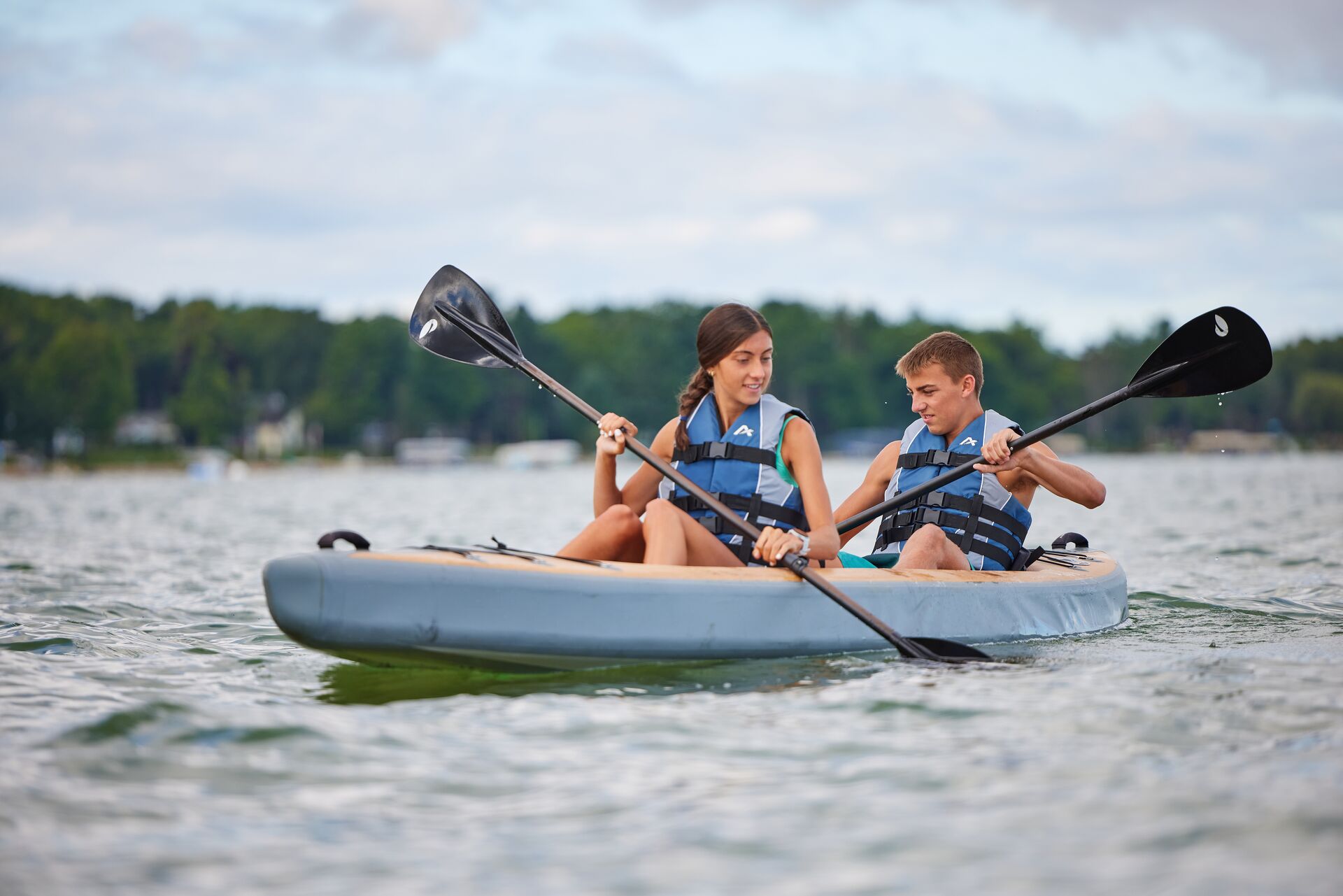
Adding a motor to your kayak doesn't just trigger the PCOC and PCL rules. You also change the required safety equipment under the Small Vessel Regulations. With a motorized kayak, you'll need:
- An approved PFD or life jacket, in the right size, for every person on board.
- A sound-signaling device, such as a horn or pea-less whistle.
- A bailer or manual bilge pump.
- A buoyant heaving line that's at least 15 meters long.
- A watertight flashlight if you're operating your kayak in low visibility conditions, before sunrise, or after sunset.
- A reboarding device to get back into your kayak, unless your freeboard height is 0.5 m or under.
Some requirements are reduced for kayaks where everyone on board wears a PFD, but motorized kayaks still don't have the same exemptions as those that are only human-powered
Required Safety Equipment for Motorized Kayaks in Canada | ||
| Equipment | Required When | Note |
PFD or life jacket | Always, one per person | Must be Canadian-approved and properly sized |
Sound-signalling device | Always | Whistle, horn, or similar |
Bailer or manual bilge pump | Always | Unless vessel has sufficient natural buoyancy/reserve |
Buoyant heaving line (15 m) | Always | Can double as a rescue or tow line |
Watertight flashlight | After sunset, before sunrise, or low visibility |
|
Reboarding device | If freeboard exceeds 0.5 m | Not typically needed on most kayaks |
Get Your PCOC Before You Add a Motor to Your Kayak
Any motor on your kayak requires a PCOC, and if it's 10 horsepower (7.5kW) or higher, you also need a PCL. If you plan to add a trolling motor to your kayak, get your PCOC before your first outing to avoid a fine.
You can get certified online quickly and easily with our BOATERexam Canada course, so you'll be ready for all your motorized kayak adventures.

Frequently Asked Questions (FAQs)
Q: Do you need a license for a kayak with a trolling motor in Canada?
A: Yes. You need a Pleasure Craft Operator Card (PCOC) to operate a kayak fitted with a trolling motor, regardless of the motor’s horsepower. You don't need a Pleasure Craft Licence (PCL) unless the motor produces at least 10 hp (7.5 kW).
Q: Does a trolling motor need to be registered?
A: Most recreational kayaks with trolling motors don't need formal vessel registration. However, a Pleasure Craft Licence is required if the motor produces at least 10 hp (7.5 kW), unless the vessel is registered instead. Most kayak trolling motors fall below this threshold.
Q: What size trolling motor requires a PCOC?
A: There is no minimum motor size. Any trolling motor fitted to a kayak triggers the PCOC requirement, regardless of horsepower or thrust rating. The 10 hp (7.5 kW) threshold applies to the Pleasure Craft Licence, not the PCOC.
Q: Is an electric trolling motor treated differently than a gas motor?
A: No. Transport Canada requires proof of competency for a kayak fitted with either an electric or gas motor, regardless of power output. You need a PCOC even if the motor is small or switched off.
Q: What safety gear is required on a motorized kayak?
A: A motorized kayak must carry an appropriately sized, approved personal flotation device (PFD) or lifejacket for each person, a sound-signaling device, a bailer or manual bilge pump, and a buoyant heaving line at least 15 meters long. You also need a watertight flashlight for low visibility or between sunset and sunrise. You must carry a reboarding device unless the kayak's freeboard is 0.5 meters or less.
Q: Can you operate a kayak with a trolling motor without carrying a PCOC if you only use the motor occasionally?
A: No. If your kayak is fitted with a motor, you must carry proof of competency even when the motor is switched off or temporarily removed. Occasional use doesn't exempt you from the requirement.
Q: What happens if you're caught operating a motorized kayak without a PCOC or PCL?
A: You could receive a $250 fine for not carrying proof of competency or for operating a kayak that requires a Pleasure Craft Licence without one. Additional fines may apply for missing required safety equipment.