PCOC vs Pleasure Craft Licence: What's the Difference in Canada?
If you're in Canada and not sure about the difference between the Pleasure Craft Operator Card (PCOC) and Pleasure Craft Licence (PCL), the PCOC is for you as the operator, and the PCL is for your vessel. As a Canadian boater, you may need both, depending on your vessel's propulsion system.
These are two separate documents, and both are federally required. They serve very different purposes, but the two are often confused. Most of the confusion comes from people referring to both documents as a "boating licence," so others may not always know which one is being discussed.
Here's what to know about getting a licence for your vessel and a Canadian boat operator's licence, what they cost, and how the rules around them work.
What Is the PCOC (Pleasure Craft Operator Card)?
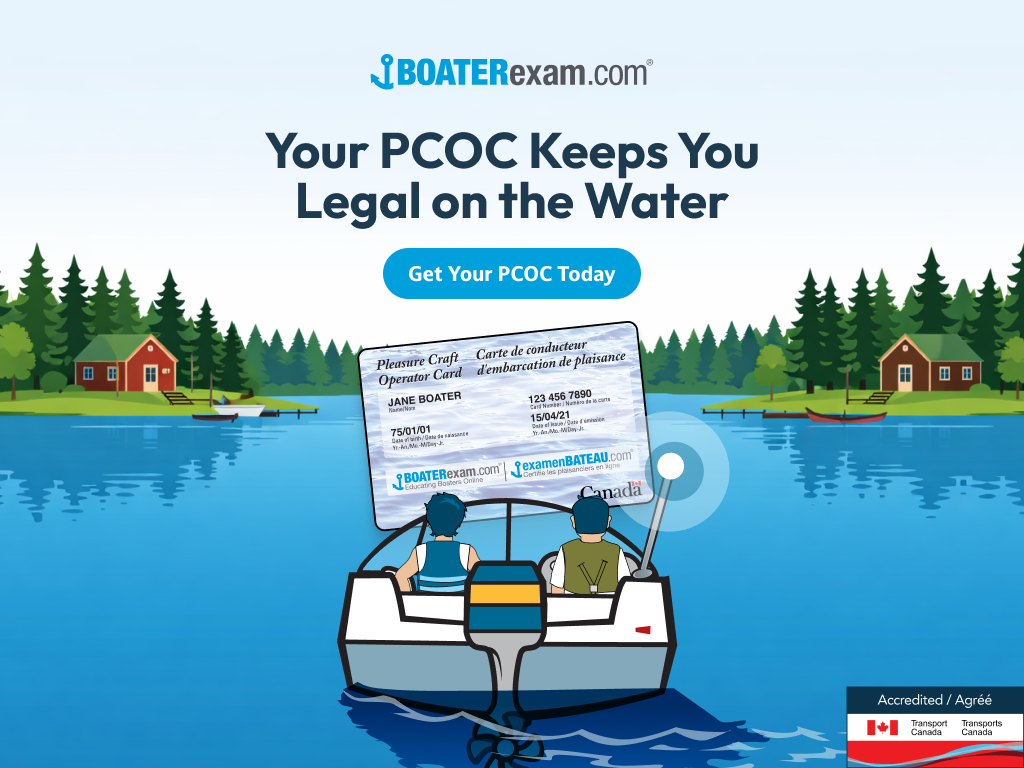
A PCOC is a proof-of-competency document that shows you know how to operate a motorized vessel on Canada's waters. While it's often called a "boating licence," it's technically an operator certification card. If you're going to operate any motorized pleasure craft, regardless of the horsepower or engine size, you'll need your PCOC.
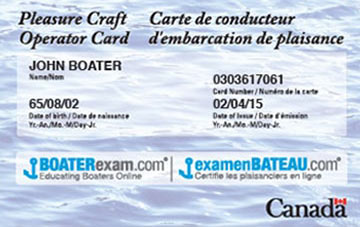
Transport Canada issues this card, and you must complete an approved boating safety course and pass the final exam to get one. Once you get your PCOC, it's valid for life, and you don't have to worry about renewing it.
When you're operating a vessel, you have to carry the physical card with you, as law enforcement won't accept digital or paper copies if they ask to see your Pleasure Craft Operator Card.
Remember, this applies to you as the operator, not to your vessel. Once you have a PCOC, you're covered on any motorized vessel you operate throughout all provinces and territories.
What Is a Pleasure Craft Licence (PCL)?
In contrast to the PCOC, the PCL is a unique identification number assigned to your boat, much like a vehicle's licence plate. It's issued to the vessel's owner, regardless of who's operating it.
You'll need a Pleasure Craft Licence if you have a recreational boat with a total of 10 horsepower (7.5 kW) or more, regardless of the number of engines. You're required to clearly display your PCL on both sides of your vessel's bow, and you must use a specific size and format to meet Transport Canada guidelines.
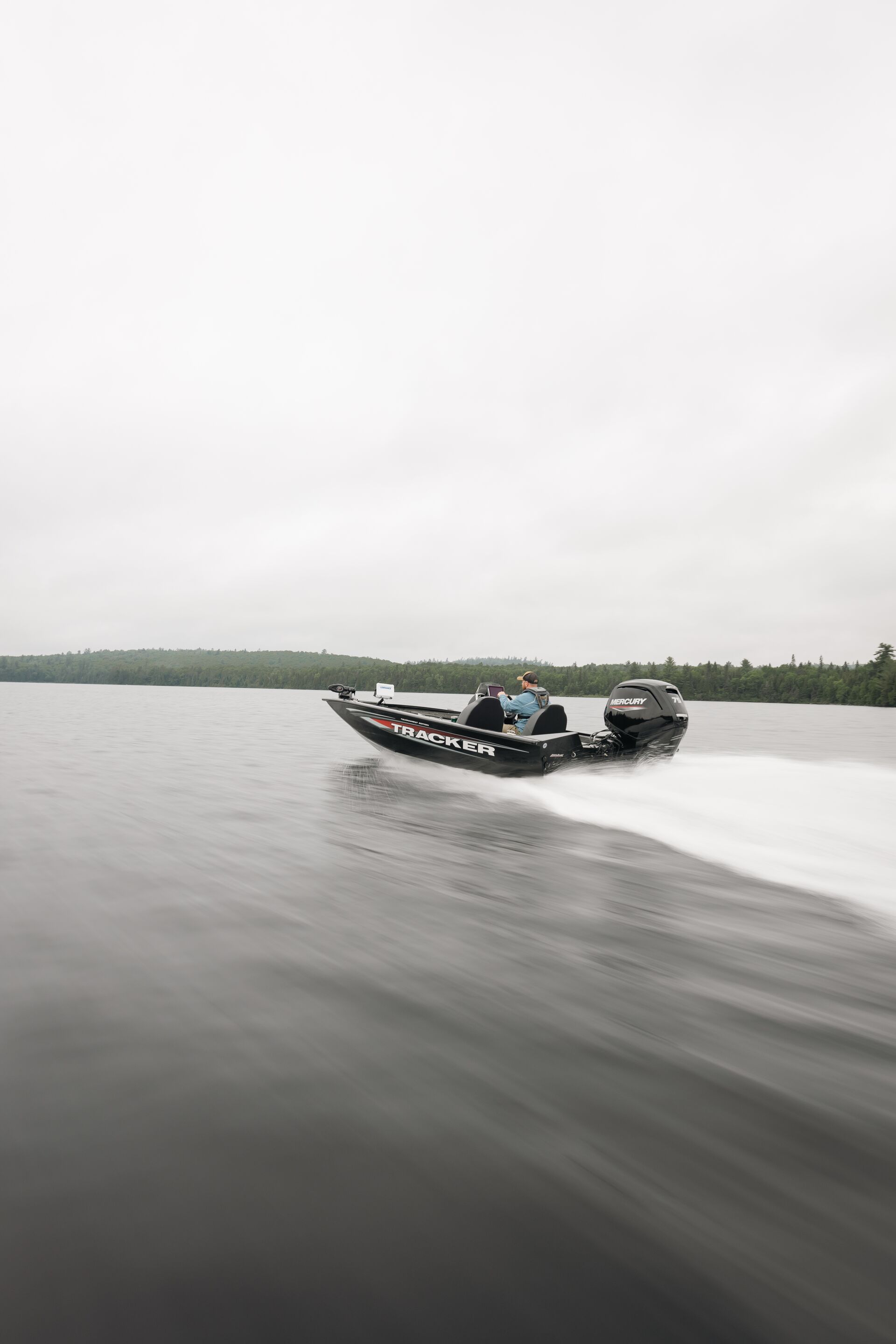
Additionally, you must keep a copy of your PCL on board your boat at all times. This helps authorities identify it in accidents, emergencies, enforcement stops, and theft situations.
What Changed With the PCL in 2026?
Transport Canada updated PCL requirements as of Dec. 31, 2025.
- New and transferred PCLs are valid for five years.
- 10-year and lifetime licences won’t be issued any longer.
- Any previously issued lifetime licences are being phased out and will need to be renewed. This is happening on a rolling basis, so they won't all be adjusted at the same time.
You can renew your PCL online through Transport Canada's Pleasure Craft Licensing system for approximately $24 CAD. If you're an Indigenous person exercising your treaty rights, there's no PCL fee.
Also, keep in mind that you need to update personal or vessel information when changes occur. You'll have 30 days from the date of the change to do that. These changes don't affect your PCOC, which is still valid for life with no required renewal.
PCOC vs. Pleasure Craft Licence: Side-by-Side
Understanding the differences between the Pleasure Craft Operator Card and the Pleasure Craft Licence is essential for staying legally compliant. Here's a great way to compare the two.
Pleasure Craft Operator Card vs. Pleasure Craft Licence | ||
| PCOC (Pleasure Craft Operator Card) | PCL (Pleasure Craft Licence) | |
What It Covers | The operator | The vessel |
| Purpose | Proves you're qualified to operate a motorized pleasure craft | Identifies the boat to federal authorities |
| Who It Applies to | Anyone operating a motorized pleasure craft in Canada | The owner of any motorized recreational vessel with 10 hp or more |
| Vessels Required | All motorized pleasure craft, regardless of engine size or horsepower | Motorized vessels with a combined engine power of 10 hp (7.5 kW) or more |
| Validity | Valid for life (no renewal required) | Valid for five years (must be renewed) |
| How to Get It | Complete a Transport Canada-approved boating safety course and pass the exam | Apply or renew online through Transport Canada's Pleasure Craft Licensing system (no course required) |
| Cost | $30–$70 CAD (one-time fee) | $24 CAD per five-year renewal period |
| Fine for Non-compliance | $250 | $250 |
Do You Need Both?
Most Canadian boaters need both the PCOC and the PCL, as one is used to operate a vessel legally, and the other is designed to identify it legally.
For example, if you own and operate a motorized boat with 10 hp or more, you'll need a PCOC to drive it and a PCL to register it. If you're operating someone else's boat, you'll still need your own PCOC, but the PCL will be registered to the vessel owner.
There's one exception: Vessels that are registered (rather than licenced) with Transport Canada. They don't require a PCL, because registration is different from licensing. Registering your boat is required if you have a marine mortgage or want a vessel name.
Remember, a PCL doesn't substitute for a PCOC, and having one doesn't satisfy the requirement for the other one. You can't get a PCOC and avoid the PCL, or get your vessel's PCL and ignore the PCOC regulation.

How to Get a PCL or PCOC
Follow the steps to get your PCOC or renew your PCL. Remember that you’ll have to pass a boating safety course before you can get your PCOC.
To get your PCOC:
- Complete a Transport Canada-approved boating safety course, like the one you can take online through us at BOATERexam.
- Pass the final exam to get a temporary operator card you can print out right away.
- Receive your permanent PCOC in the mail in the following weeks. You can expect to pay between $30 and $70 CAD as a one-time fee for your boating licence.
To get or renew your PCL:
- Go through Transport Canada's online Pleasure Craft Licensing system.
- Confirm that the owner information and vessel details are accurate.
- Display the licence number on both sides of the bow, as required by law.
Renew your PCL every five years for approximately $24 CAD.
Don't Launch Without Your PCOC and PCL This Season
The PCOC certifies you as an operator, while the PCL identifies your vessel. You may need both to operate a boat on Canadian waters legally. 2026 PCL changes make it more important than ever to understand both documents and how to stay legally compliant.
Getting your PCOC is straightforward, affordable, and valid for life when you take the Canada boating safety course through us at BOATERexam. Then you can get out on the water with confidence, knowing you comply a vessel operator.

Frequently Asked Questions (FAQs)
Q: What is the difference between a PCOC and a Pleasure Craft Licence in Canada?
A: A Pleasure Craft Operator Card (PCOC) belongs to the person operating the boat and proves they've passed a Transport Canada-approved boating safety course.
Q: Do I need both a PCOC and a Pleasure Craft Licence to boat in Canada?
A: Usually, yes. If you operate a motorized pleasure craft, you'll generally need your own PCOC. If the boat has a combined engine power of 10 hp (7.5 kW) or more, it will also typically need a Pleasure Craft Licence unless it's federally registered instead of licenced.
Q: Does the 2026 PCL renewal rule affect my Pleasure Craft Operator Card?
A: No. The 2026 rule changes only apply to Pleasure Craft Licences. Your PCOC is still valid for life once you've completed an approved boating safety course and don't need to renew it.
Q: How often does a Pleasure Craft Licence need to be renewed?
A: Under the current rules, new and transferred Pleasure Craft Licences need to be renewed every five years. Older lifetime licences are being phased into the new renewal system over time.
Q: What happens if I operate a boat without a PCOC or an expired PCL?
A: You could receive a fine if you're required to carry a valid PCOC or if your boat is required to have a current Pleasure Craft Licence but doesn't. Staying up to date with both documents helps you remain compliant with Transport Canada requirements.
Q: If I operate someone else's boat, do I need my own PCOC?
A: Yes. Your PCOC stays with you, not the boat. Even if you're borrowing or renting someone else's motorized pleasure craft, you must carry your own valid PCOC. The boat owner remains responsible for the vessel's Pleasure Craft Licence, if one is required.
Q: Can I use a digital copy of my PCOC or Pleasure Craft Licence on the water?
A: No, you must carry the original physical card while operating a motorized pleasure craft, as digital or paper copies aren't accepted. For a Pleasure Craft Licence, you must keep a copy on board the vessel.