How Old Do You Have to Be to Get a Pleasure Craft Operator Card?
Anyone can get a Pleasure Craft Operator Card (PCOC) in Canada, and there's no minimum age requirement. Even children can get a PCOC if they are old enough to take a safety course and pass a Transport Canada-accredited exam at the end.
If you're asking, "How old do you have to be to get a Pleasure Craft Operator Card?" the answer is "old enough to understand the material and take the exam." Other than that, there aren't any age requirements. Here's what to know about the PCOC, otherwise known as a Canadian boating license, and how to get one.
| Pleasure Craft Operator Card (PCOC) — Quick Facts | ||
| Age to Get a PCOC No minimum age requirement | Who Needs One Anyone operating a motorized vessel in Canada | How to Get One Take a Transport Canada-approved boater education course |
| Validity Good for Life | ||
On this Page:
How Old Do You Have to Be to Get a Pleasure Craft Operator Card?
There's no minimum age requirement to get a Pleasure Craft Operator Card. However, that doesn't mean anyone, regardless of age, can operate all types of motorized vessels. Transport Canada has some age restrictions for horsepower and other factors.
Age and Horsepower Restrictions for Boating in Canada
The age and horsepower restrictions are critical for safe boating and legal compliance, but some people misunderstand them.
| Age Restrictions for Boating in Canada: |
If your child is:
|
Ensuring you and your children understand the rules helps keep everyone safe while reducing the chances of fines and other penalties.
Important Rule for All Ages
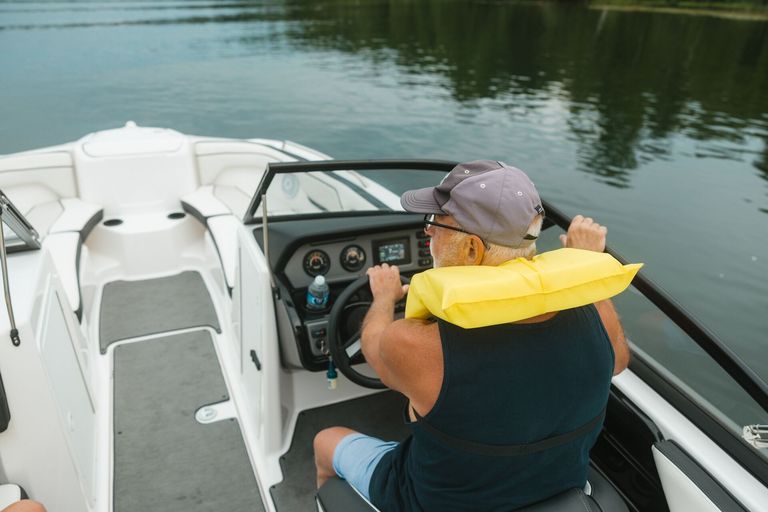
If you're operating a motorized boat on Canadian waters, you must carry your PCOC with you at all times, so you can show proof of competency if law enforcement stops you. This rule applies to every motorized vessel, including those with electric trolling motors.
What Is a Pleasure Craft Operator Card (PCOC)?
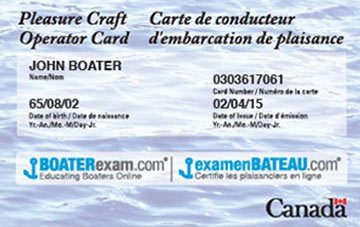
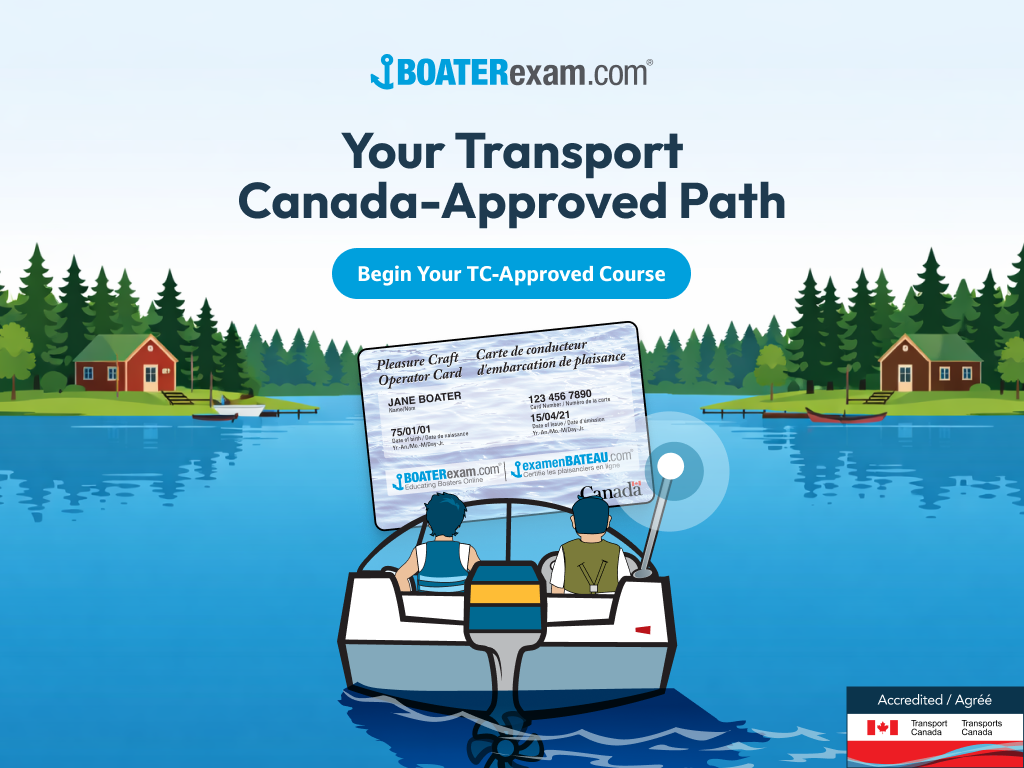
Earning this card proves you understand navigation basics, boating safety rules, Canadian boating laws, and emergency procedures.
Who Needs a PCOC?
Anyone operating a motorized pleasure craft in Canada must have a PCOC. This requirement applies to both residents and visitors, with some exceptions based on the length of the visit and for those with boating safety cards from US states with reciprocity.
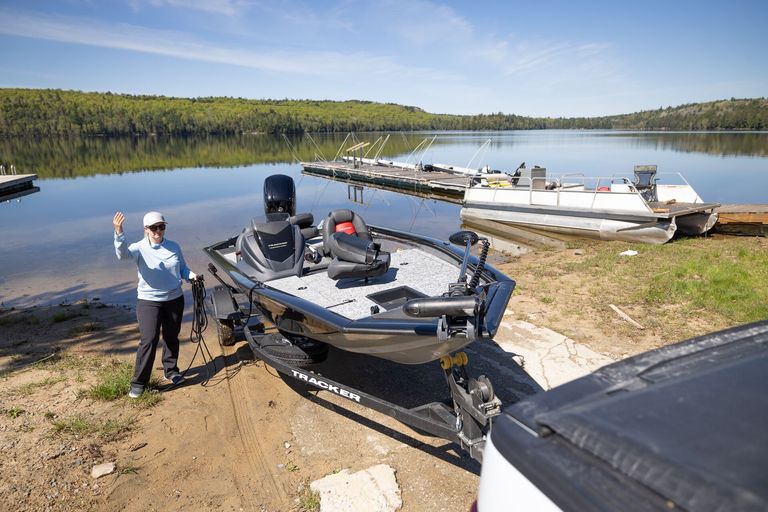
Besides asking, "How old do you have to be to get a Pleasure Craft Operator Card?" you may also wonder what the Pleasure Craft Operator Card covers. This card is valid for fishing boats with motors, powerboats, PWC, and boats with electric trolling motors. If you're using a sailboat without a backup motor, a canoe, or a kayak, you don't need a PCOC.
Why Is the PCOC Important?
There are multiple reasons to get a PCOC. No matter your age, if you intend to operate a motorized vessel, this document is essential for boating in Canada.
Safety First
Having a PCOC helps prevent accidents by ensuring boaters understand marine weather conditions, safe speeds, right-of-way rules, equipment requirements, and other crucial details.
Legal Requirement
The PCOC is also a legal requirement for boating on Canadian waters. You could be fined and face other penalties if you operate a motorized vessel without one.
Confidence on the Water
Earning your PCOC can make boating more enjoyable because you'll know what you're doing on the water. Increased confidence can help you feel better about your boating experience and encourage you to explore.
How to Get a Pleasure Craft Operator Card
It's a simple process to get a Pleasure Craft Operator Card, and you can do it in an afternoon or evening. Once you find an approved course provider and pay your course and license fee, you'll be able to get started learning right away.
Step 1: Study Boating Safety Material
Your first step is to review the course modules and ensure you understand the material. You can find an online course through an approved provider, such as BOATERexam, and learn in the comfort of your own home.
Step 2: Take the Exam
Once you complete all the course sections, you'll need to pass a Transport Canada–accredited exam.
This test generally consists of 50 multiple-choice questions, and you need to answer around 75% correctly to pass.
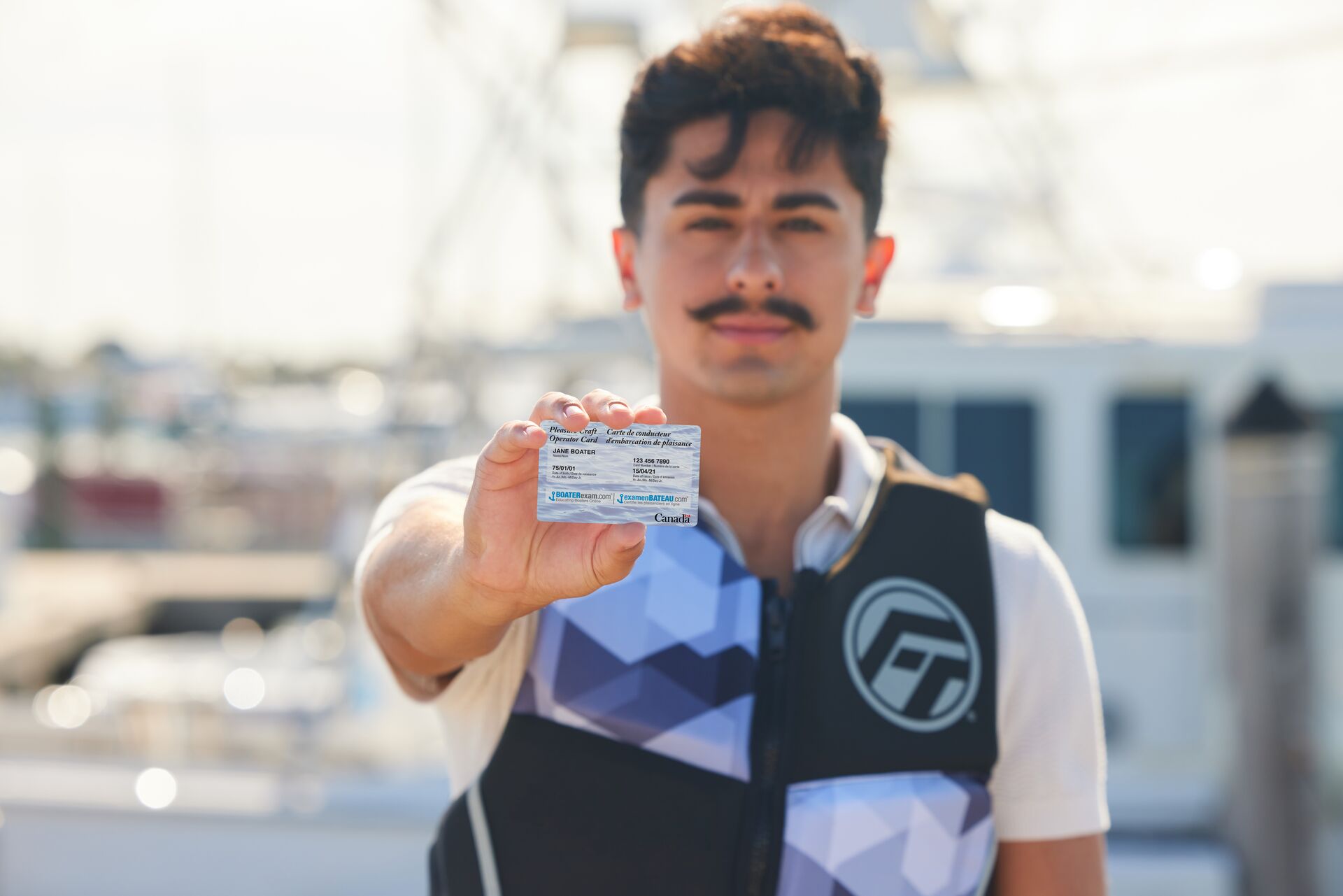
Step 3: Receive Your Card
Passing the test means you'll get your temporary certificate issued immediately, and you can print it out and start boating right away.
Your permanent card will arrive in the mail a few weeks later.
Step 4: Carry It Onboard
Don't forget the most important step: always carry your PCOC with you when operating any motorized vessel.
If you lose your card, you can get a replacement PCOC through your course provider or by contacting Transport Canada.
Get Your PCOC with BOATERexam Before Hitting the Water
Getting your PCOC is important for safety and legal compliance. Before heading out on the water, visit BOATERexam to get certified for confidence and peace of mind. It's a quick, straightforward process that lets you learn the basics of boating safety before you hit the water.
Frequently Asked Questions about the Pleasure Craft Operator Card (FAQs)
Q: How much does it cost to get a PCOC in Canada?
A: The cost of a PCOC varies by course provider, but most charge between $30–70 CAD. This fee typically covers the boating safety course, the Transport Canada exam, and the card itself. Some providers offer packages as low as $29.95 with no hidden fees, while backup cards can be ordered for as little as $6.95 each.
Q: Does a pleasure craft license expire in Canada?
A: It's important to distinguish between the two different documents here. Your PCOC (Pleasure Craft Operator Card) (the card that proves you're qualified to operate a motorized boat) is valid for life. However, as of December 31, 2025, the Pleasure Craft Licence (PCL) (the unique identification number displayed on your boat) must now be renewed every five years, and existing lifetime licences have been assigned new expiry dates based on when they were originally issued.
Q: Do I need a license to operate a boat in Canada?
A: In Canada, if you operate a boat with a motor and use it for recreation, you need proof of competency, or something that shows you have a basic understanding of how to operate your boat safely and know what to do in an emergency. All motorized boat operators are required by law to have a Pleasure Craft Operator Card (PCOC), regardless of age, length of boat, or engine horsepower. Failure to carry your PCOC when operating a powered pleasure craft risks a $250 fine.
Q: How big of a boat can I drive with a pleasure craft license in Canada?
A: A PCOC allows you to operate any motorized boat or jet ski for recreational purposes, regardless of the size or horsepower of the boat. There is no limit to the size of vessel you can operate, from a 10-foot dinghy to a 300-foot yacht. However, the boat must be used exclusively for recreational purposes, as it is illegal to operate a commercial vessel in Canada with only a PCOC.
Q: How hard is the Canadian boating license test?
A: The boating license exam is generally not hard. It includes a multiple-choice, open-book exam of about 50 questions. You need a 75% passing score to pass. Most providers report that 97% of clients pass the exam on their first try, and exam retries are typically free.