What Does a Small Craft Advisory Mean?
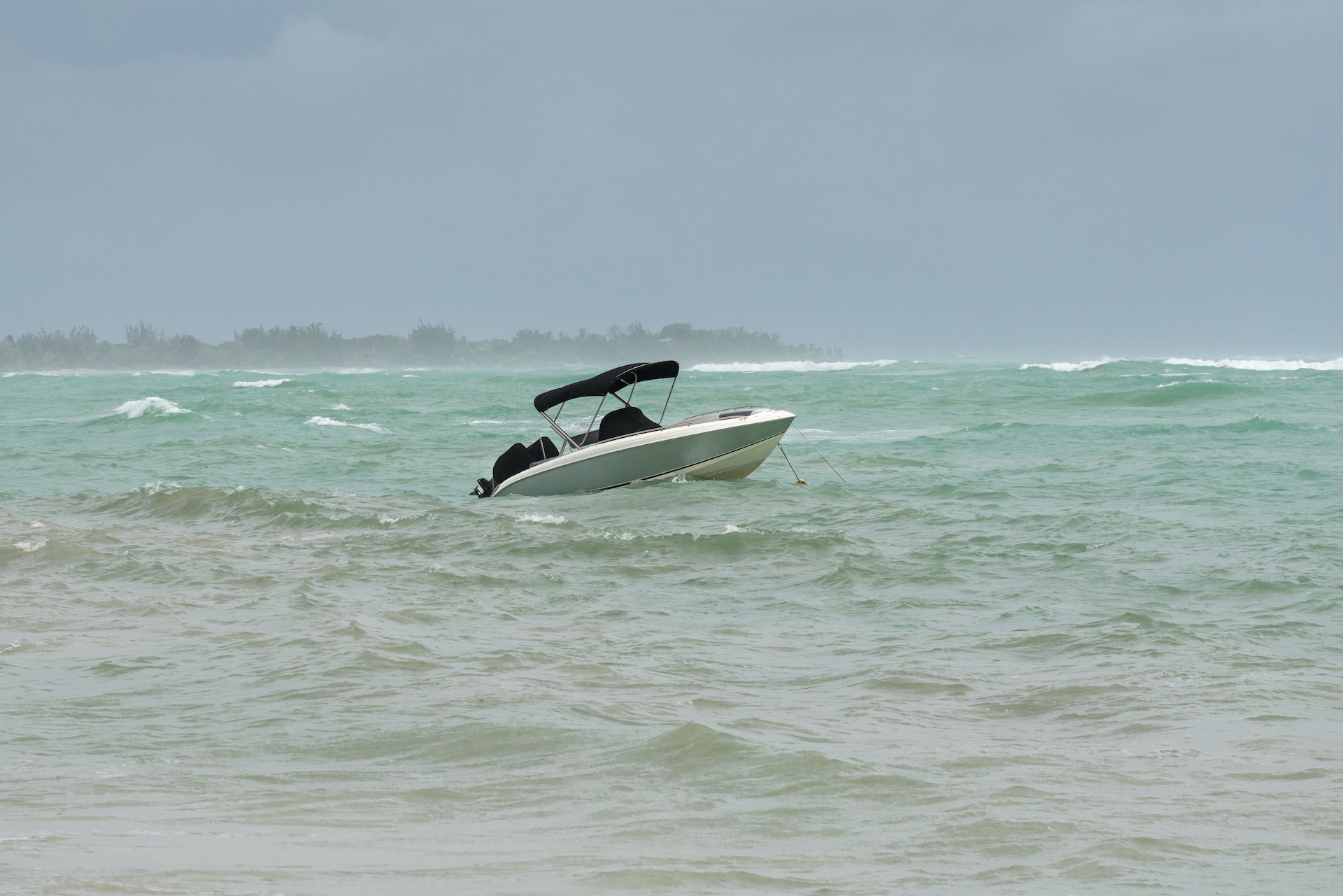
Boating in bad weather can put you and others at risk, but not every boater knows what to look for in the weather forecast. If you're under a small craft advisory—which can indicate rough seas and choppy conditions, along with wind and rain—you might want to stay on shore.
Boating on rough waters can be tricky, and it's best to avoid the water during turbulent weather. Here's what boaters should know about weather advisories and what to do when they're issued.
What Does a Small Craft Advisory Mean?
The National Weather Service (NWS) issues a small craft advisory when winds or seas are hazardous for smaller boats.
The small craft warning meaning is clear: mariners should be aware of potentially dangerous conditions. Inexperienced operators of vessels that are 65 feet or less in length should take particular care to follow small craft advisories.
If you're planning a day of boating and a weather advisory is in effect, it's worth taking extra precautions or reconsidering your plans. Staying on shore and waiting for better weather can make the difference between an enjoyable trip and a serious risk to life and property.
What Wind Speed Triggers a Small Craft Advisory?
The NWS generally issues this advisory when sustained winds reach 20–33 knots (23–38 mph).
However, wind isn't always the cause of the alert. A small craft advisory can also be issued if there are rough seas or hazardous wave conditions, even if the wind speed doesn't reach the required criteria.
It's also important to note that thresholds for marine advisories can vary slightly by region and local weather offices. If your local area issues this advisory, take it seriously and consider changing your boating plans.
Can You Boat During a Small Craft Advisory?
It's technically not illegal to boat during a small craft advisory, but it's strongly discouraged. Even if you're an experienced boater, you could face challenges with handling, reduced control of your vessel, and an increased risk of capsizing, posing dangers to yourself and others.
Recreational boaters, anglers, and sailors should avoid venturing onto the water until conditions improve and the advisory ends.
Before you board your boat, always file a float plan with a trusted person on shore. If you're on the water during adverse conditions, a float plan can help emergency personnel locate your vessel.
Safety Actions for Boaters When Advisories Are Issued
There are a few things you can do as a vessel operator during boating weather warnings.
- Check forecasts frequently before your departure.
- Avoid going on the water if an advisory is in effect, especially in smaller vessels.
- If you're already on the water, head back to port or sheltered waters immediately, and wear your life jacket at all times.
Additionally, secure your gear, keep your communication devices ready, and share your float plan with someone on shore.
The best course of action is to stay off the water during bad weather, but it's not always possible for every boater. Taking the appropriate actions to protect yourself and let others know your location can reduce your risk if you must travel in hazardous weather.
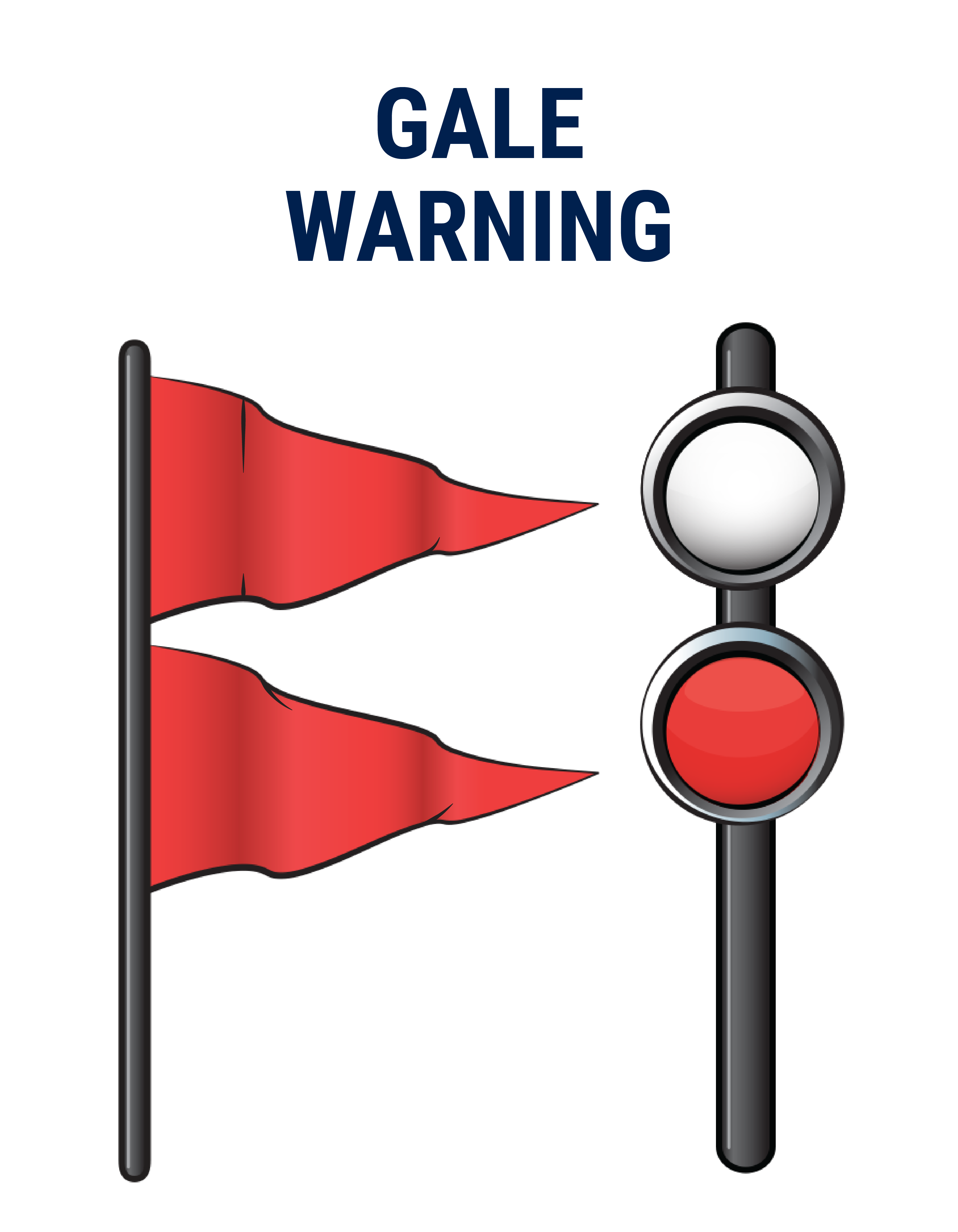
Gale Warning vs Small Craft Advisory: What's the Difference?
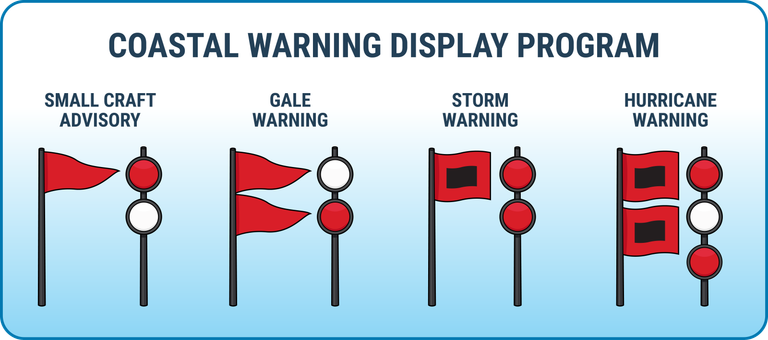
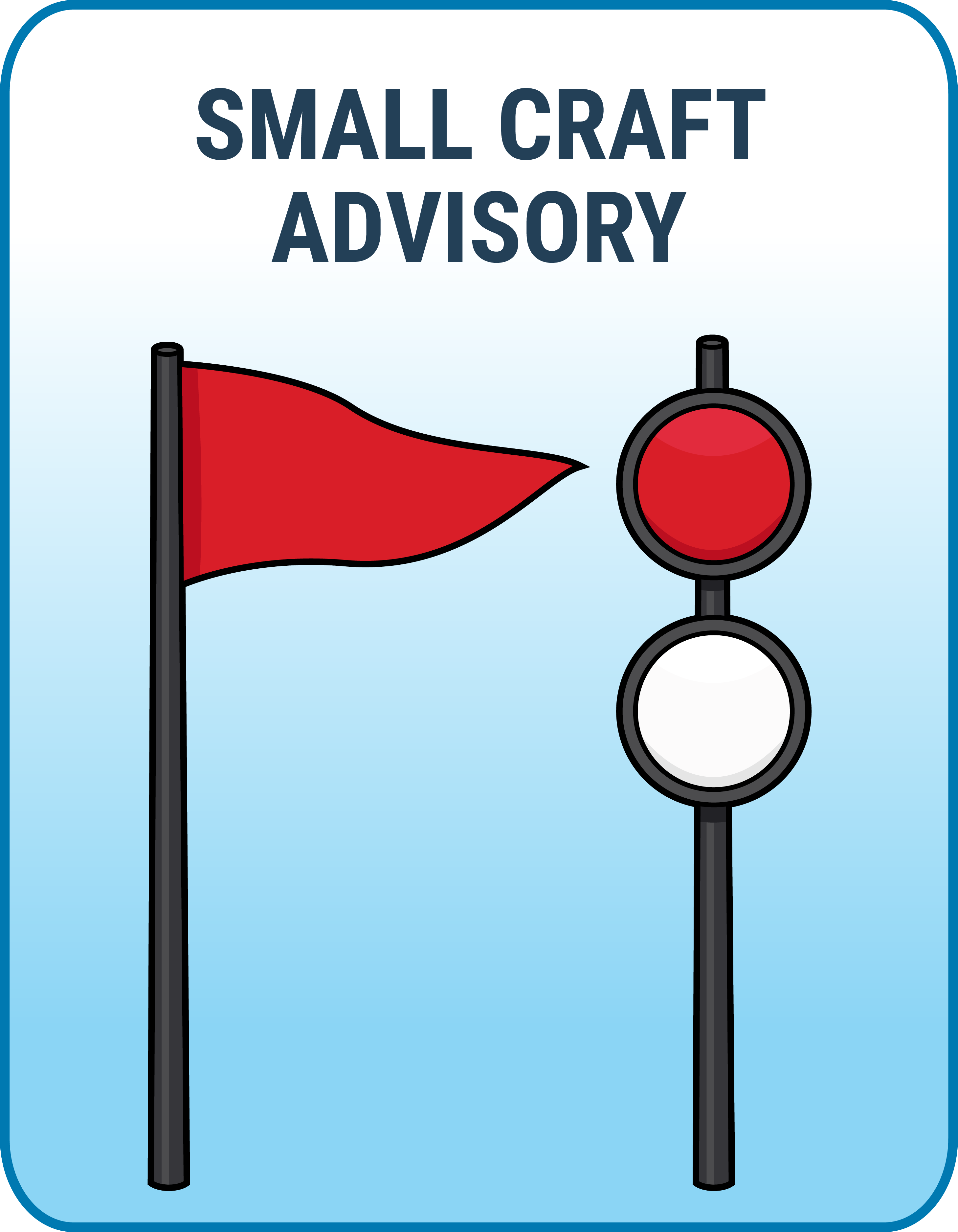
There are several types of marine alerts, and boaters can decode them with a system of maritime flags. Understanding the meaning of a gale warning vs small craft advisory can help you make safe, informed choices.
Small Craft Advisory
This alert generally requires winds of 20–33 knots, which are hazardous for small boats. Even if winds haven't reached this threshold, the National Weather Service may still issue a small craft advisory in certain instances of strong waves or other problematic weather conditions.
Check the marine weather forecast in your area before leaving the shore. It's also a good idea to have a VHF marine radio on board as a precaution for sudden weather changes.
Gale Warning
The National Weather Service issues gale warnings for winds of 34–47 knots (39–54 mph), which are considered dangerous for most vessels. As opposed to a small craft advisory, gale warnings indicate more severe, sustained conditions.
Though a gale warning is more severe than a small craft advisory, this doesn't mean boating during an advisory is safe. Take caution during both, especially if you're inexperienced or have a smaller boat.
Learn More About Warnings and Safe Boating with BOATERexam
Responsible boaters must heed marine warnings (like the small craft advisory) and plan accordingly to keep everyone safe on the water. If the weather forecast is unfavorable or it turns while you're out on the water, make safe choices to protect yourself and your passengers.
Before you head out on the water (even in the best of weather), take time for a boater education course. An online boater safety course like the ones we offer here at BOATERexam, will help you learn more about warnings, safe practices, what to do in emergencies, and more, so you can enjoy many more adventures on the water.
Plus, our courses meet the requirements for boater education in most U.S. states and Canada!
Be prepared to boat safely and legally this season.
Take the BOATERexam boater safety course for your state.
Or, take our Transport Canada-approved course for Canadian boaters.
Frequently Asked Questions (FAQs)
We have answers to your questions about the small craft advisory!
Q: What does a small craft advisory mean?
A: The small craft advisory is a National Weather Service notice indicating wind and sea conditions that pose a heightened risk to small or less stable vessels.
Q: What wind speed triggers a small craft advisory?
A: Generally, sustained winds of 20–33 knots (23–38 mph) trigger a small craft advisory, though exact thresholds can vary by region.
Q: Can you boat during a small craft advisory?
A: Boating during a small craft advisory is not prohibited, but it is strongly discouraged. These conditions can be hazardous for small vessels.
Q: What is the difference between a gale warning and a small craft advisory?
A: A gale warning indicates significantly stronger winds (34–47 knots) while a small craft advisory covers lower but still risky wind and sea conditions for smaller boats.
Learn how to stay safe on the water!
Take the BOATERexam boater safety course for your state.
Or, take our Transport Canada-approved course for Canadian boaters.