What Does a Boat's Capacity Plate Indicate?

Safe, enjoyable boating comes from paying attention to the details, from ensuring your passengers wear the right life jackets to understanding how a boat performs in different conditions. One of the most essential considerations on the water is whether you're overloading your vessel.
Boat operators need to understand how their vessels float and their boat weight limits. If you aren't sure how much weight your boat can hold, the capacity plate can help you determine the maximum load.
So, what does a boat's capacity plate indicate? Here's what you need to know about this critical plate and the data it provides.

Why Is It Important to Understand a Boat's Capacity?
When you understand your vessel's capacity, you have vital information to make things safer for yourself, your passengers, and other boaters around you. That's because knowing about boat weight limits reduces the chances of overloading your vessel.
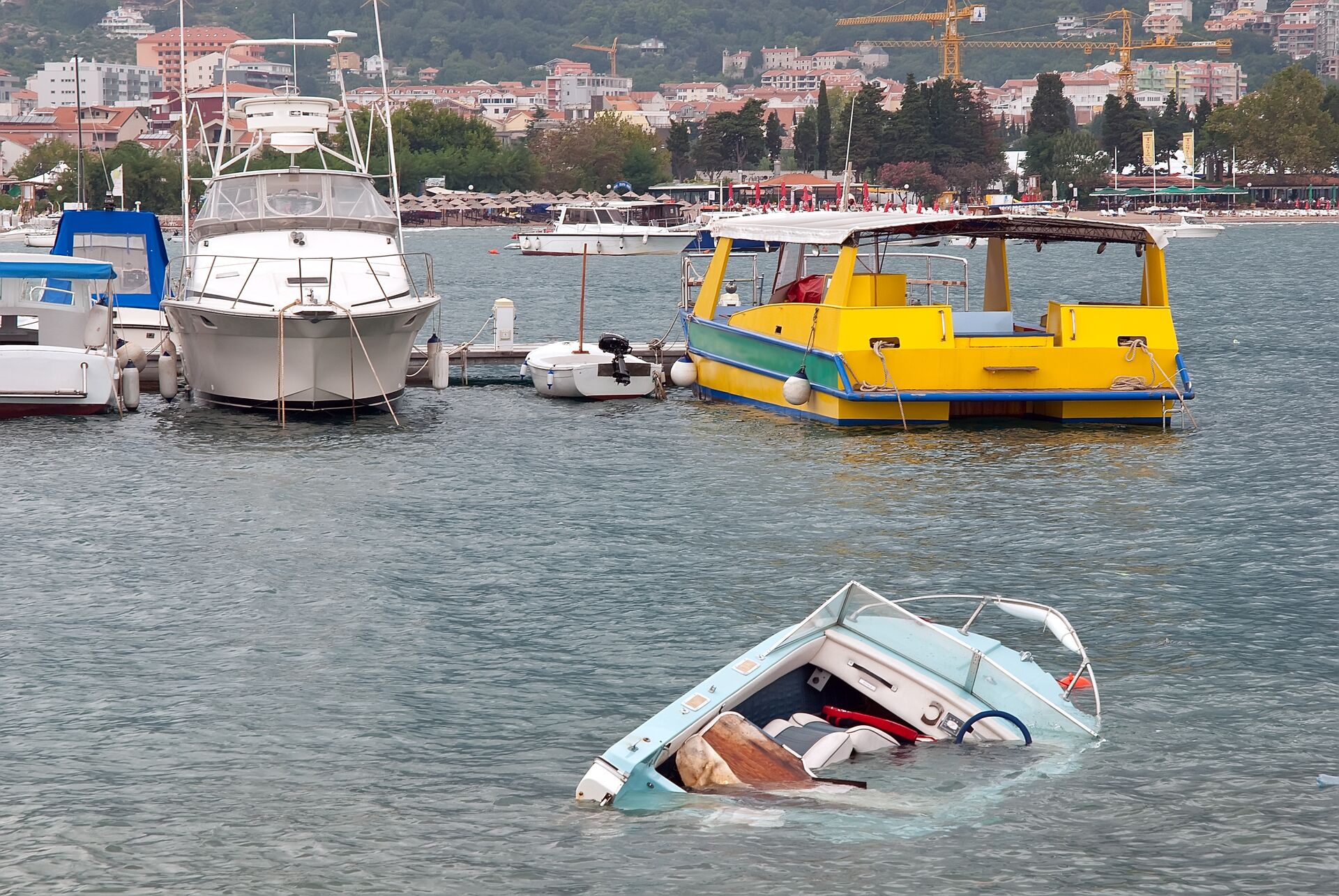
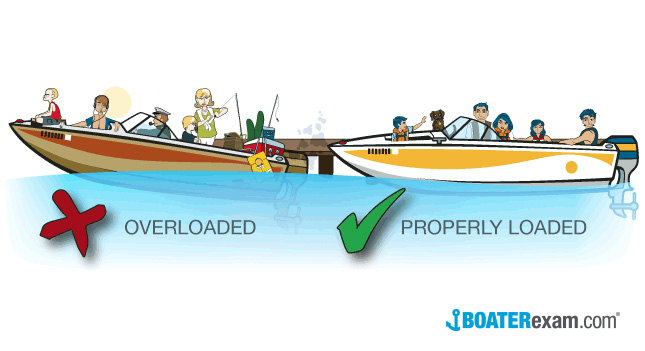
Overloading is particularly dangerous because it can lead to instability or even capsize your boat. A properly loaded boat performs better in terms of handling, maneuverability, and buoyancy. You want your vessel to perform as designed—but if it's overloaded, it can't.
Boat capacity guidelines protect passengers and property, and following these guidelines reduces your risk of legal incidents or fines. Proper loading also prolongs the life of your boat and equipment, helping you enjoy your vessel to the fullest.
Weight Limits and Passenger Numbers
Every boat has a maximum weight rating (including people, gear, and the engine) and a maximum passenger count. Your boat can only carry a certain number of passengers, even if they don't exceed the weight limit.
Depending on your passengers or the amount of gear onboard, you could exceed your boat's weight limit before reaching your vessel's maximum passenger count.
Along with not overloading your boat, you'll want to distribute your gear and passengers evenly. That can help you avoid imbalance, reduce the risk of capsizing, and increase stability. Be sure to count children and smaller passengers when determining the number of people on your boat.
What Does a Boat's Capacity Plate Indicate?
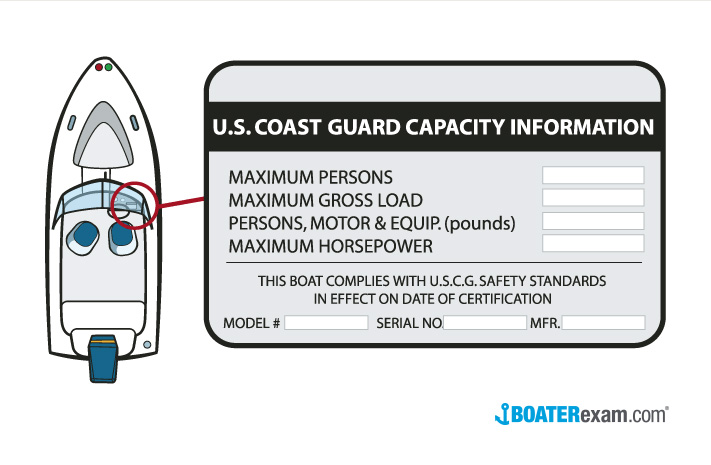
Whether you want to stay safe on a pontoon boat, race around in a V-hull, or travel on a much larger vessel, a capacity plate will tell you critical information about your boat, including:
- Maximum number of passengers
- Maximum weight capacity of people, gear, and engine combined
- Maximum engine horsepower rating (for motorboats)
- Manufacturer's certification and compliance with safety standards
It's essential to have this information before purchasing a vessel so you can find one that meets your needs and has enough room for your passengers and gear.
How Do You Read a Boat Capacity Plate?
Look for the maximum number of people allowed on board, and consider the total weight capacity including passengers. Sometimes, novice boaters think they're staying under the maximum weight limit, but they're not counting the weight of their gear or the boat's engine—and that can put them at risk.
If you're considering a motorboat, check the horsepower limit. Play it safe and use the lower number—weight or passengers—if you're uncertain or unfamiliar with boating. It's generally better to err on the side of caution, especially when not doing so could put people at risk.
Elements of a Capacity Plate
Your boat's capacity plate will include the manufacturer's name, the vessel's model information, the maximum number of people allowed, and the maximum combined weight of passengers, gear, and motor.
A boat capacity plate also includes the maximum recommended horsepower for a motorized boat and a certification statement confirming compliance with U.S. Coast Guard or NMMA standards. All vessels should have a capacity plate to provide vital safety information.
Is It Illegal to Exceed Boat Capacity?
In most places, operating your boat beyond its posted capacity is illegal. You can be fined or face other consequences for overloading your boat, as it endangers people and property. Boat operators are responsible for complying with the terms of the plate; if your boat exceeds capacity, you could be liable in the event of an accident.
One of the most crucial maximum boat capacity rules is not overloading your vessel. You can increase boating safety by taking the time to understand boat capacity and the information on the capacity plate.
When asking yourself, "What does a boat's capacity plate indicate?" remember: vessel capacity isn't just the number of people it can carry or the weight it can hold. You could accidentally exceed one of those areas while still complying with the other one, so be sure to comply with all aspects of the capacity plate to stay safe.

Learn More About Safe Boating Practices With a Boater Education Course
Maintaining compliance with your boat's capability plate is one of many necessary steps you can take to have a safe, enjoyable time on the water. Bring enough friends and family along to have fun on your boat, but not so many that the boat weight limits are tested into an unsafe situation.
Another excellent way to protect yourself and others is to take a boater education course. You'll learn about safety, navigation, etiquette, and more, equipping you with the knowledge to enhance your boating experience.
Plus, there's a good chance your state requires boat operators to pass a boater safety course to operate a vessel legally. Transport Canada requires a boater safety certification before driving a motorized boat on the country's waterways.
Make sure you know how to load a boat safely and comply with the rules in your area!
Take the BOATERexam boater education course for your state.
Or, take our course for Canadian boaters.
Frequently Asked Questions (FAQs)
We have answers to common questions about boat weight limits and capacity plates.
Q: What is a capacity plate on a boat?
A: A capacity plate is a label required on most small boats that states the maximum safe limits for weight, passengers, and engine power.
Q: What information is shown on a capacity plate?
A: A boat capacity plate typically lists the maximum number of people, maximum weight (people + gear), and the maximum recommended engine horsepower.
Q: How do you read a boat’s capacity plate?
A: To read a boat's capacity place, check each line for limits: number of persons, total weight allowed, and horsepower rating. Stay at or below all listed limits to remain safe and legal.
Q: Is it illegal to exceed boat capacity?
A: Yes, exceeding boat capacity is illegal. In most jurisdictions, operating a boat beyond its rated capacity can result in fines and is considered unsafe operation.
Q: What happens if your boat doesn't have a capacity plate?
A: If the boat is older or exempt from having a capacity plate, you must follow general safety guidelines or manufacturer documentation. You can also use this formula: Number of people = vessel length (ft.) x vessel width (ft.) ÷ 15.
Boat safely and legally! Take the BOATERexam boater education course for your state. Or, take our course for Canadian boaters.