How to Stay Safe When Operating a Pontoon Boat, Canada Boaters
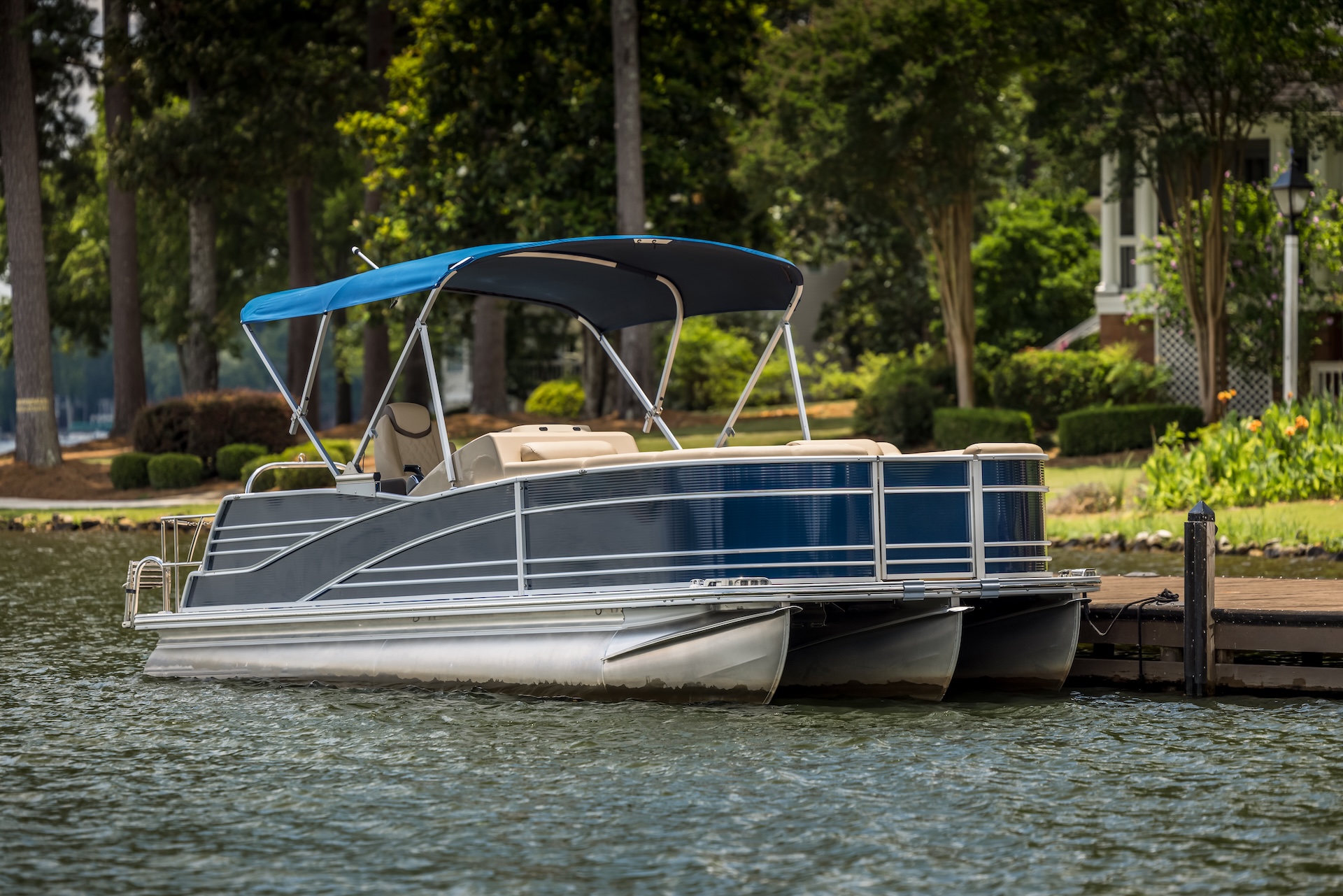
Due to their wide decks and stable cruising options, pontoon boats can be among the best vessels to spend a relaxing day with friends and family. Their design can also lead to some risks, though, so it's essential to know how to handle your pontoon boat properly.
Ready to enjoy your pontoon boat, Canada boaters? Here's how to ensure you stay safe while navigating the local waterways.
What Is a Pontoon Boat?
A pontoon boat is a flat-decked vessel. It floats on either two or three pontoons, depending on its size. Pontoons are large, hollow metal tubes that keep the boat buoyant and increase its stability.
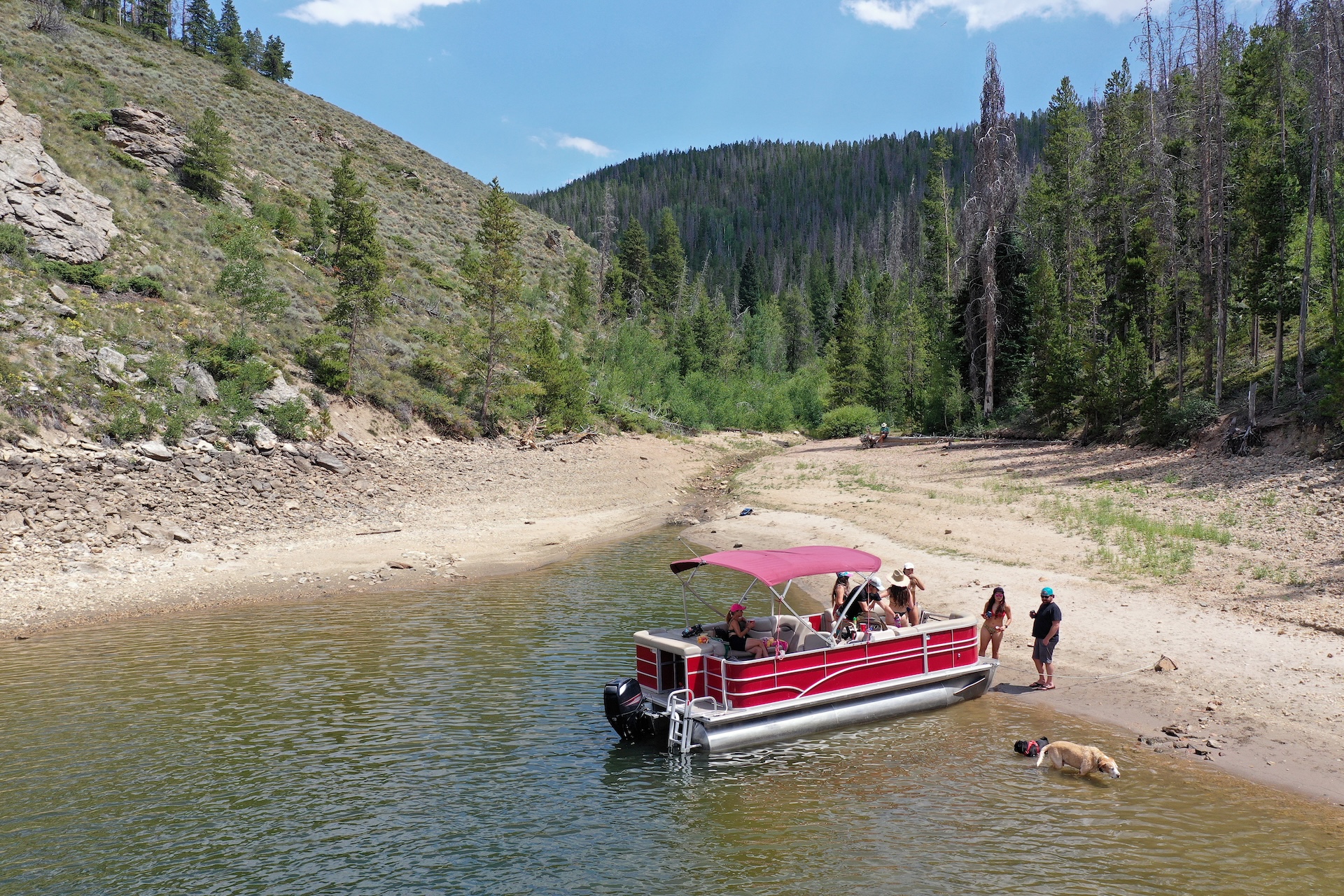
One of the best aspects of this type of boat is its spaciousness, allowing you to bring friends and enjoy a variety of leisure activities, such as cruising, fishing, and spending quality time with family and friends.
You can expect comfortable seating, easy access for all ages of passengers, and a smooth ride on calm waters. These features make pontoon boats a go-to option if you're interested in recreational boating in Canada.
You'll find these great boats in rivers, lakes, and bays. They're common across provincial parks and Canadian cottage country.
Legal Requirements: PCOC (Pleasure Craft Operator Card)
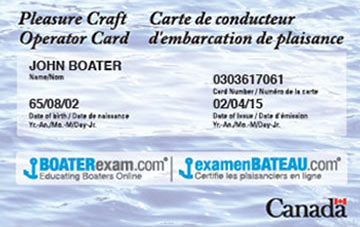
You'll need a PCOC (Pleasure Craft Operator Card) before you can legally operate your pontoon boat on the waterways.
The PCOC is a government-issued proof of competency certificate that Transport Canada requires. If you're operating any kind of motorized recreational vessel, including pontoon boats, on Canadian waterways, you need this certificate.
Even if you're cruising around a lake on a calm day or doing a little fishing, you don't want to be without your PCOC. This could result in a fine or other penalties being imposed.
To get your Pleasure Craft Operator Card, you'll need to take a Transport Canada-approved boating safety course (like BOATERexam) and pass the exam.
The best thing about the PCOC is that earning it means gaining valuable knowledge that helps protect you and others. Additionally, it's valid for life once you get it, so you never have to worry about renewal.
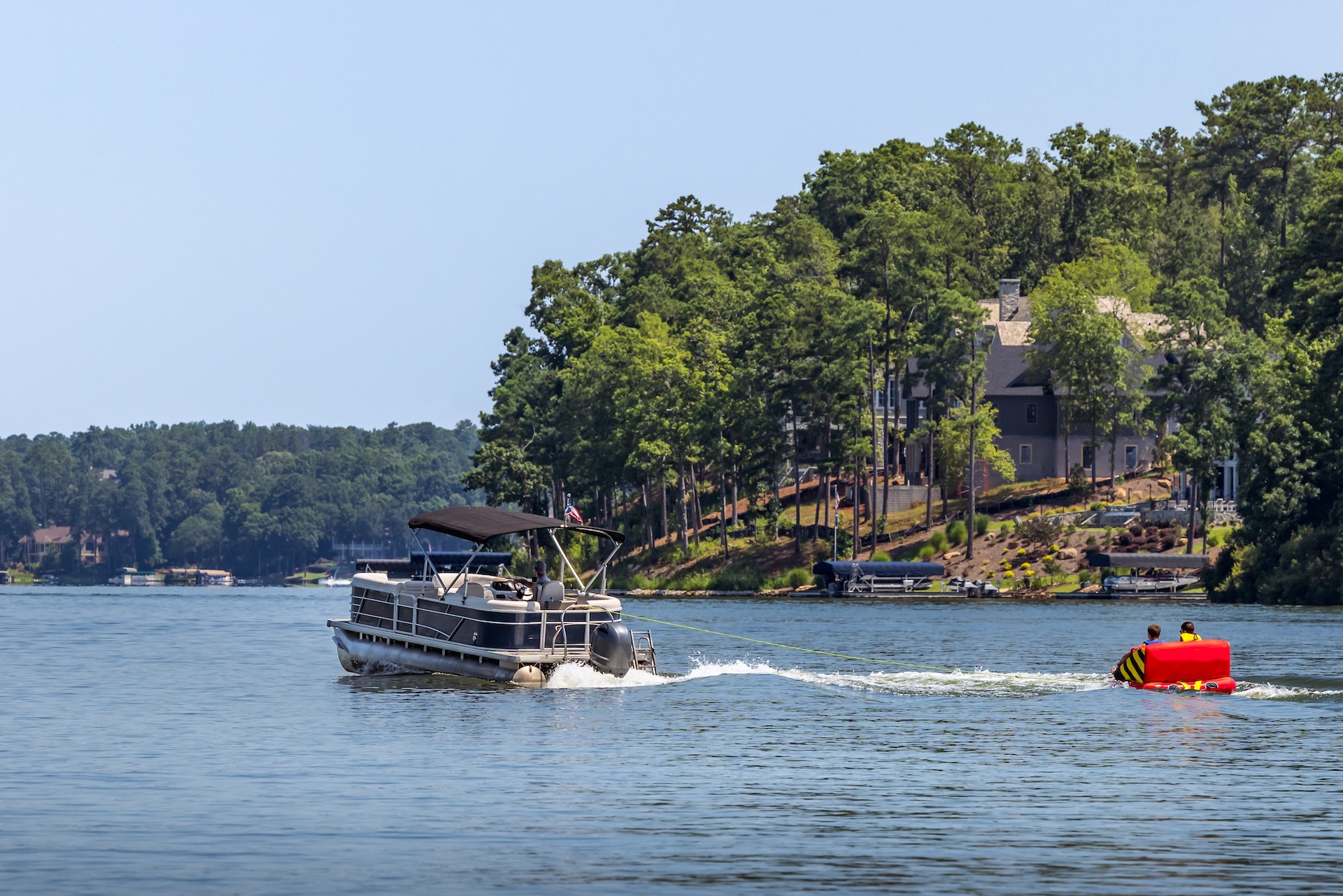
9 Key Pontoon Boat Safety Tips for Canadian Boaters
There are several essential ways to stay safe on Canadian waterways. Here are a few of the best ideas to protect yourself and your passengers, as well as other boaters.
1. Wear (and Carry) Life Jackets
Every person onboard needs a Canadian-approved PFD (personal flotation device). It's best to always wear one, but you at least need to have them on board.
For kids and non-swimmers, wearing a life jacket is the safe and responsible choice, even in calm water.
2. Know Your Boat's Capacity
Your pontoon boat should have a capacity plate. Even if it doesn't, make sure you understand the boat's capacity limits and how to stay within them.
Checking this information helps keep you from loading up your boat with too many people or too much gear, which can lead to capsizing and poor maneuverability. Following weight limits and balancing your load is the right choice.
3. Stay Sober at the Helm
Boating under the influence is not only illegal, it's dangerous.
Canada has impaired boating laws that are similar to impaired driving laws on land. Charges for a BUI (boating under the influence) can include hefty fines and even license suspension.
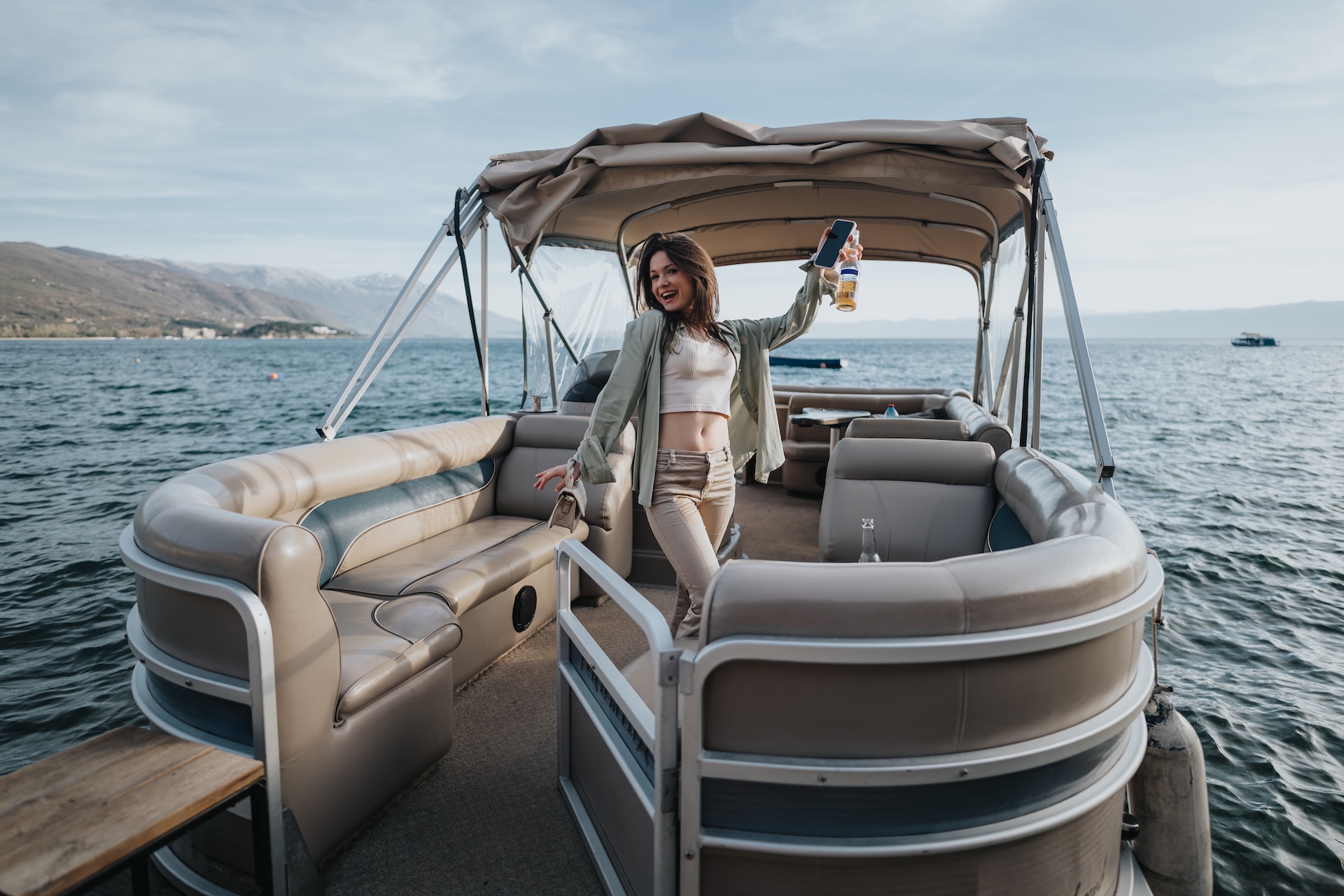
4. Be Weather-Wise in Your Pontoon Boat, Canada Boaters
Before heading out, make sure you check the weather and look for any marine warnings. Pontoon boats aren't designed for rough waters, so you'll want to seek shelter right away if storms are coming or the wind picks up.
5. Use Navigational Lights
You need navigational lights if you're boating at night or in reduced visibility. Before leaving the dock, ensure your lights are visible and working correctly. Taking time to do this can help you avoid collisions later.
6. Know the Local Waterways
Navigation charts or a boating app can help you learn the waterways, so you can fully use your pontoon boat, Canada boaters! Be mindful of hazards, including shallow areas, rocks, floating debris, and no-wake zones, to minimize the risk of an accident.
7. Keep a Proper Lookout
Because pontoon boats have wide decks, your view could be blocked at times, especially if you're towing water toys. If you have passengers, designate someone as a second set of eyes.
8. Emergency Kit and Safety Equipment
Make sure you're carrying the required Transport Canada safety gear, which includes a sound signaling device such as a horn or whistle, a waterproof flashlight, and a bailer or manual water pump. You should carry a fire extinguisher, an anchor or paddle, and a buoyant heaving line of 15 meters.
9. Use an Engine Cut-Off Device
Most newer pontoon boats come with a kill switch lanyard. Always use it for safety, as it stops the engine if the person operating the vessel falls overboard.
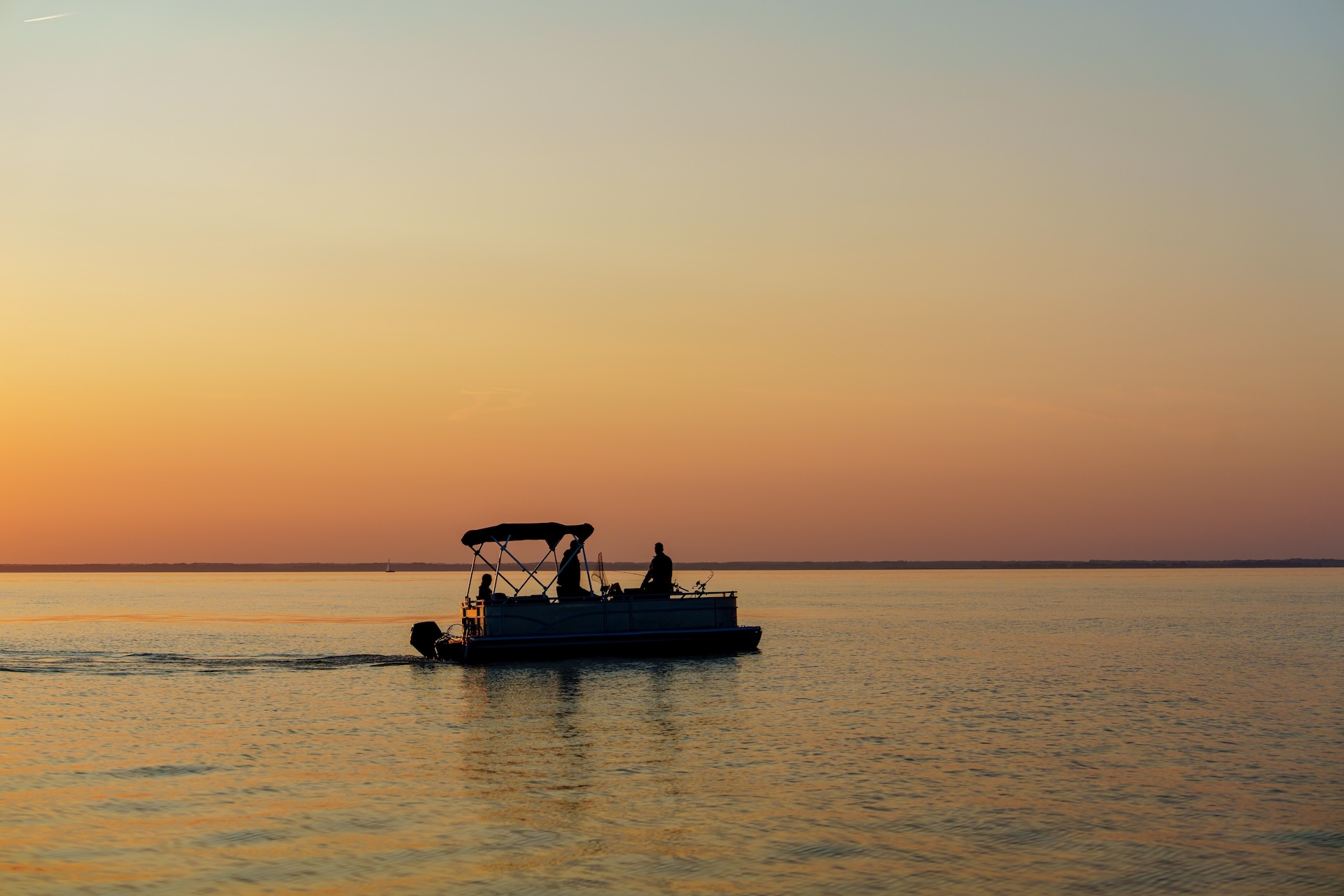
Bonus Tips for Safe Pontoon Cruising
So, let's review: what is a pontoon boat? It's a flat-decked boat with potential to be a fun, enjoyable way to have a wonderful time on the water.
To make the most of your pontoon boat adventure, be sure to:
- Avoid sharp turns at high speed, as these boats aren't designed for tight maneuvers.
- Secure loose items, which will help prevent tripping and objects from flying off the deck.
- Teach your passengers about boarding safety, including stepping carefully, avoiding sudden movements, and holding onto the rails when navigating the vessel's deck.
With the proper care and good boating practices, you and your passengers can have a safer pontoon boating adventure.
Take a Boater Education Course Before Launching Your Pontoon Boat
We hope these insights help you have many safe and fun adventures in a pontoon boat, Canada boaters!
Remember: Among the best ways to keep yourself and others safe while boating is to take a boater education course like the Canada course we offer here at BOATERexam. You'll learn more about how to stay safe on the water (whether in a pontoon boat or other type of motorized vessel), navigation rules, etiquette, emergency procedures, and other details that add value and security to all your boating experiences.
It's a great time to get up to speed on boater safety essentials and make sure you meet Transport Canada's requirements for boater safety education and carrying a PCOC!
Take the BOATERexam online course for Canadians.
Frequently Asked Questions (FAQs)
We have answers to your questions about pontoon boats!
Q: What makes a boat a pontoon boat?
A: A pontoon boat has a flat deck supported by two or three buoyant tubes (called pontoons). These pontoons provide stability, buoyancy, and a large usable deck space, making them popular for leisure, fishing, and family outings.
Q: What is the disadvantage of pontoons?
A: Pontoon boats have several disadvantages, including how challenging they are to handle in rough waters, they can't go as fast as other boats (like speed boats), and they can corrode faster in saltwater without proper protection.
Q: Are pontoons safer than other boats?
A: It depends on the conditions. Pontoons are considered very safe for calm to moderate waters. However, in rough waters or storms, a traditional deep-V hull boat is better.
Q: Can pontoons go in the ocean?
A: Yes, pontoons can be used in the ocean. However, they’re best suited for bays, inlets, and calm coastal areas rather than open seas.
Q: Do pontoon boats flip easily?
A: No, pontoon boats rarely flip. Their wide stance and buoyant pontoons make them very stable.
Q: How fast can you drive a pontoon boat?
A: Speed varies by size, load, and engine power. Small pontoons with modest engines are best at 15–25 mph, while mid-range or high-performance pontoons can safely go faster.
Take the BOATERexam online course for Canadians.
In the U.S., take the course for your state.