A Guide to Boating on the Hudson
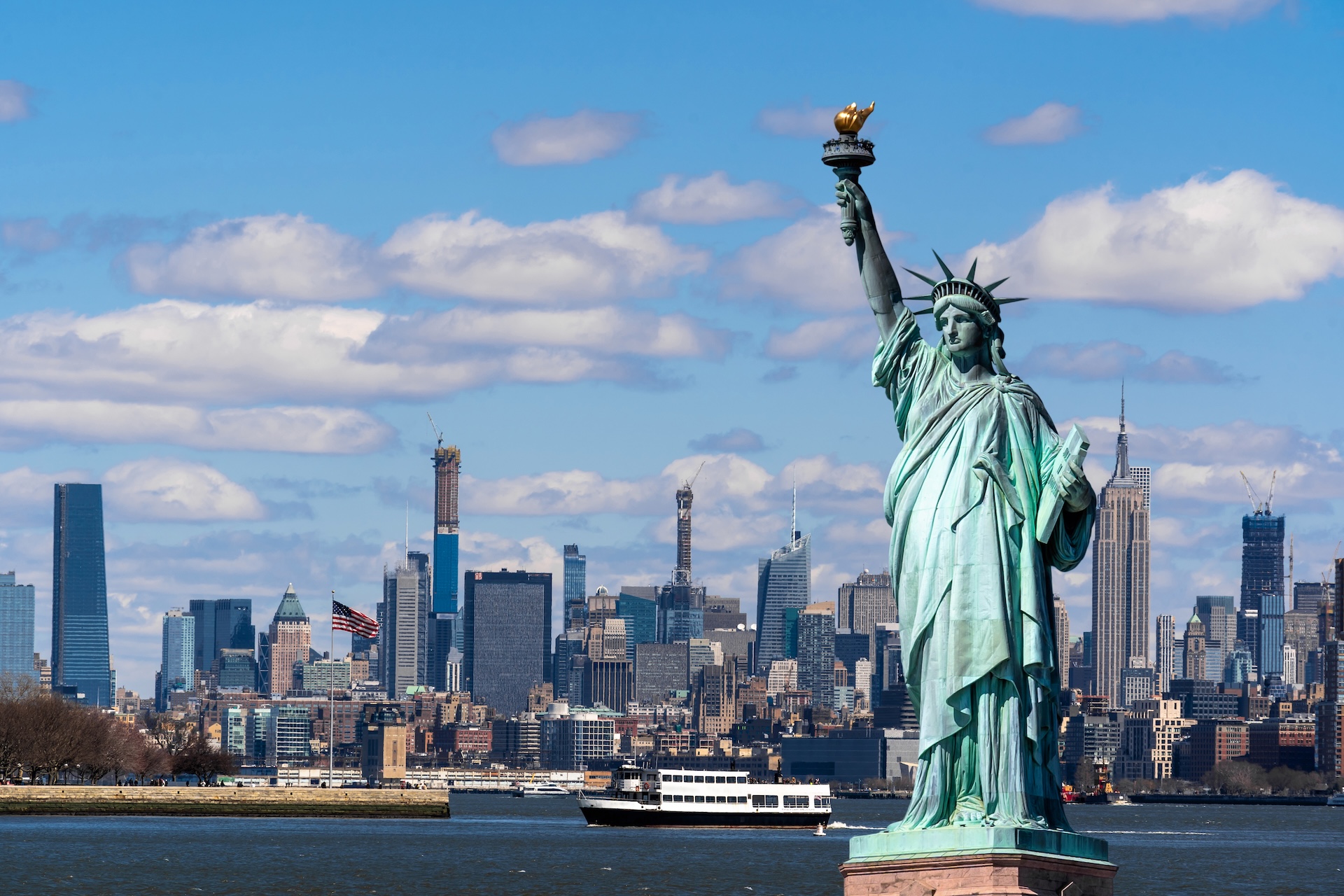
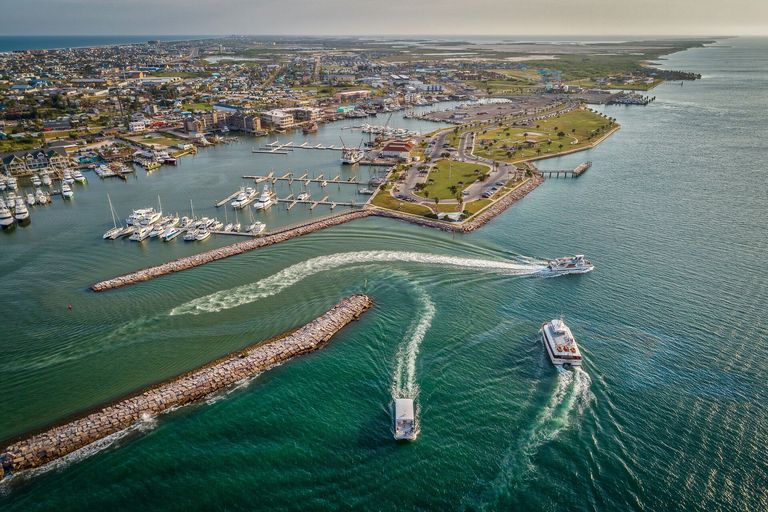
Thinking about boating on the Hudson? It can be an excellent way to enjoy nature, spend time with friends and family, and have fun with your boat. There aren't any rough seas to worry about, and you can do everything from zipping along in your powerboat to paddleboarding in tranquil areas.
Here's your guide to enjoying the Hudson, no matter what kind of vessel you have.
Why People Boat on the Hudson River
There's a long list of reasons why people boat on the Hudson, from the beauty of the area to the convenience of accessing this popular, majestic waterway. Here's why you should consider it, too!
Scenic Beauty and History
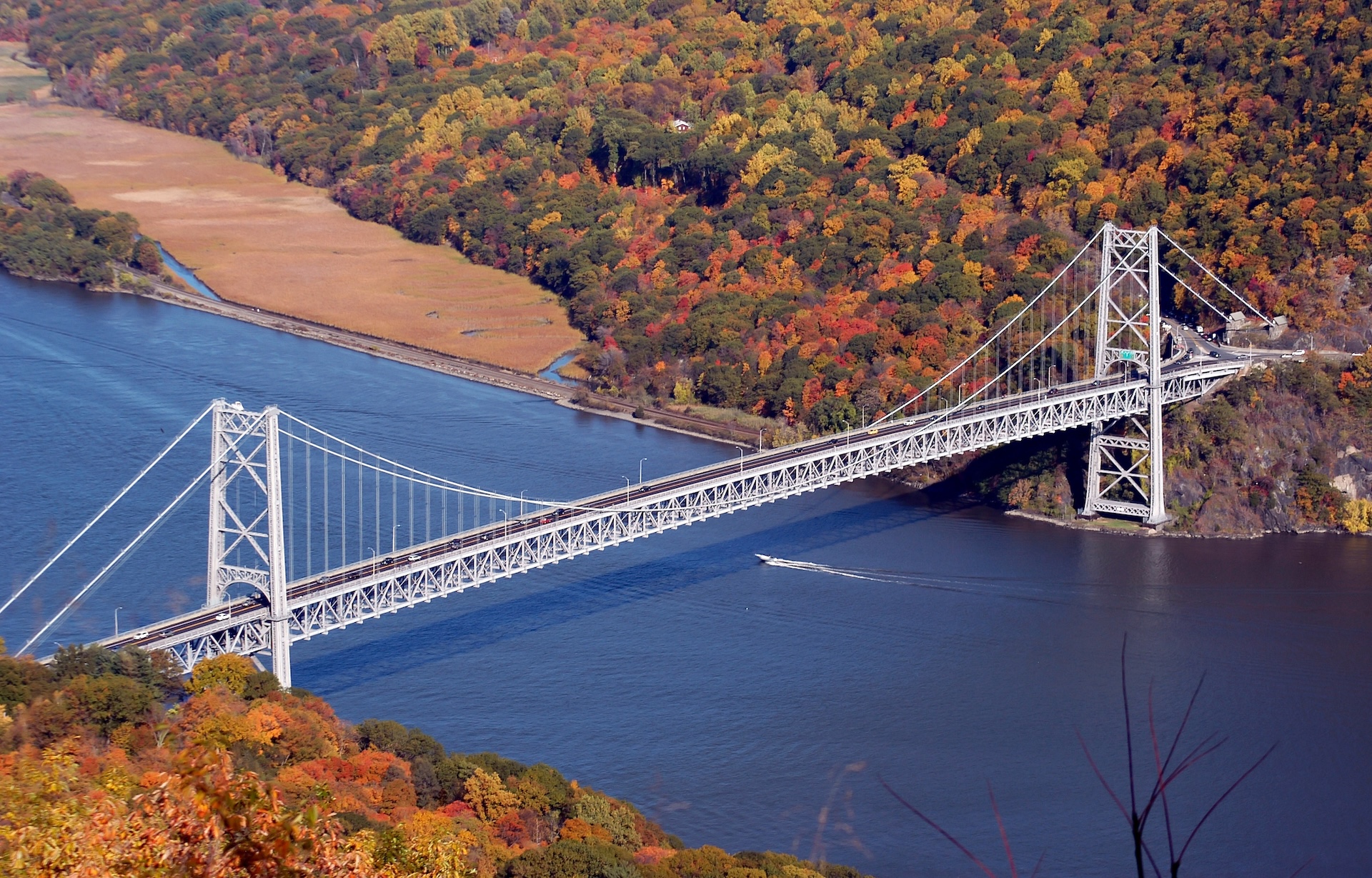
The Hudson River is among the most picturesque waterways in the Northeastern U.S. Forested hills, charming river towns, and historic landmarks flank it.
Traveling on this waterway puts you close to West Point, Sleepy Hollow, and Bannerman Castle, with boaters often cruising the river to take in the views.
Recreational Variety
Whether you like to sail, cruise, fish, or enjoy watersports, the Hudson has conditions and space for every style of boating. There are high-speed stretches to test your boat's power and calmer sections where you can engage in paddlesports.
Convenient Access
Running through the heart of New York state, the Hudson offers dozens of public boat ramps, marinas, and docking facilities. That means launching your boat and refueling it are both easy, whether you're from NYC or you've come in from out of state.
Seasonal Excursions
If you're heading upstate from NYC or connecting with the Erie Canal system, the Hudson can be a great part of the route. Many boaters visit in the autumn, when the vibrant fall foliage provides a stunning backdrop for a boating adventure.
Wildlife and Photography
If you're a photographer or a nature lover, the river and its shoreline are rich in birdlife, such as bald eagles, herons, and osprey. Boating can give you a new perspective on the natural beauty of the area.
Can You Sail Up the Hudson River?
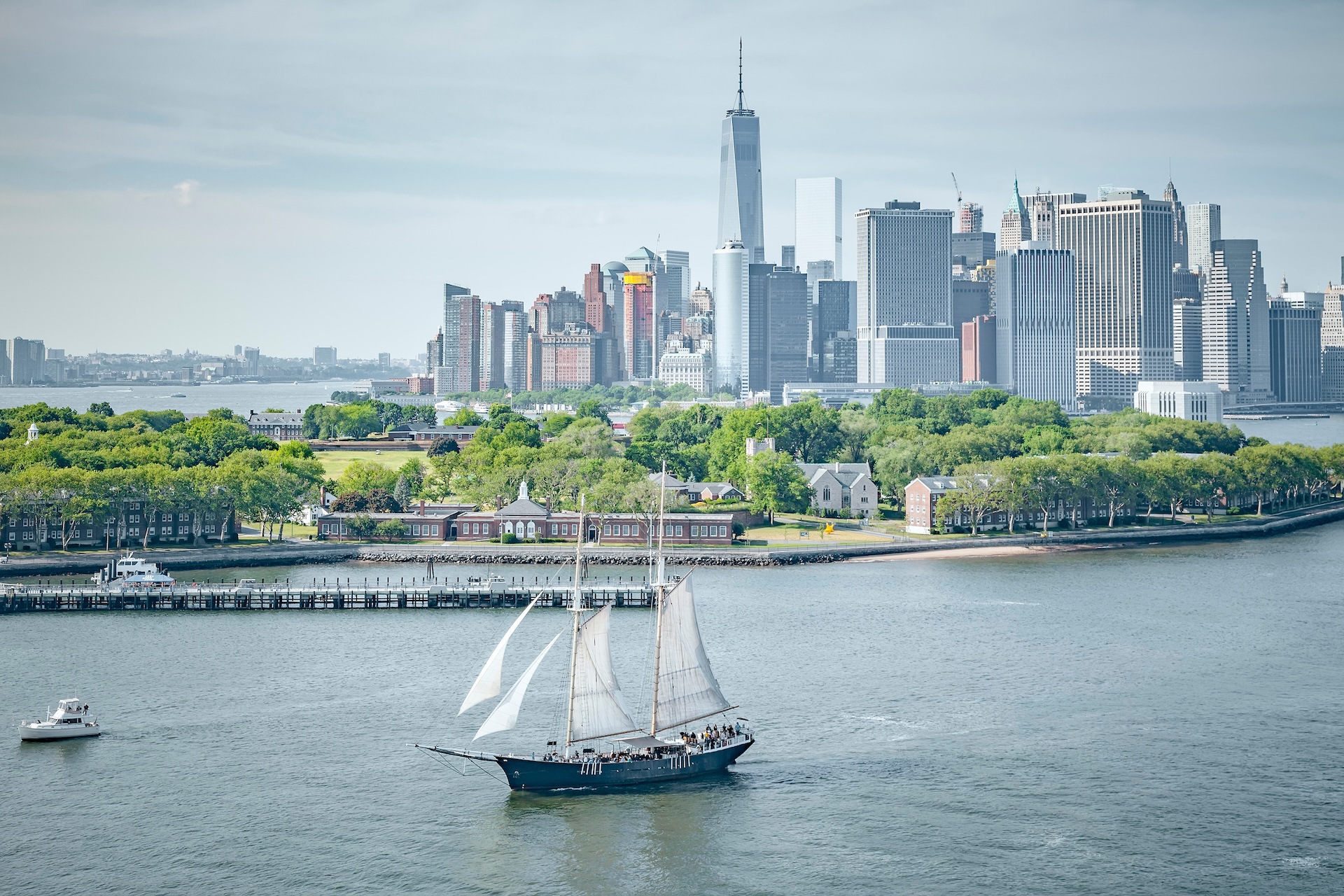
If you're planning on boating on the Hudson, you should know that the river is navigable from New York Harbor to the Federal Dam in Troy, which is approximately 150 miles to the north. Tidal influences reach as far as Troy, so it's essential to watch for tides and currents, particularly in the narrow sections of the waterway.
Both sailboats and motorboats travel the river, including many that make seasonal trips to and from the Erie Canal. However, when navigating a sailboat, it's crucial to be aware of bridge clearances along the river, particularly close to NYC.
So, can you sail up the Hudson River? Yes, you can, but be mindful of vertical clearance surrounding any bridges, as well as wind conditions that can shift due to terrain and geography. When sailing, conditions will change as you move inland, so it's critical to be prepared.
Hudson River Recreation Opportunities
The Hudson offers a diverse range of recreational activities, including sailing, powerboating, kayaking, fishing, waterskiing, and wildlife watching.
Some of the most popular stops and anchor points include:
- Croton Point Park, which is an excellent place for picnics and day trips.
- Poughkeepsie waterfront, giving you access to a marina and impressive dining options.
- Kingston, with a maritime museum and a historic district.
If you're an angler, you'll also find hotspots all along the river where you can reel in striped bass, largemouth bass, and catfish. Of course, be sure to check NY regulations before you fish.
For kayakers and paddleboarders, scenic locations are available near Beacon, Cold Spring, and the Tarrytown area. Anyone needing launch sites and access points should look for Hudson River Greenway Water Trail markers.
Hudson River Boat Ramps Make it Easy to Launch
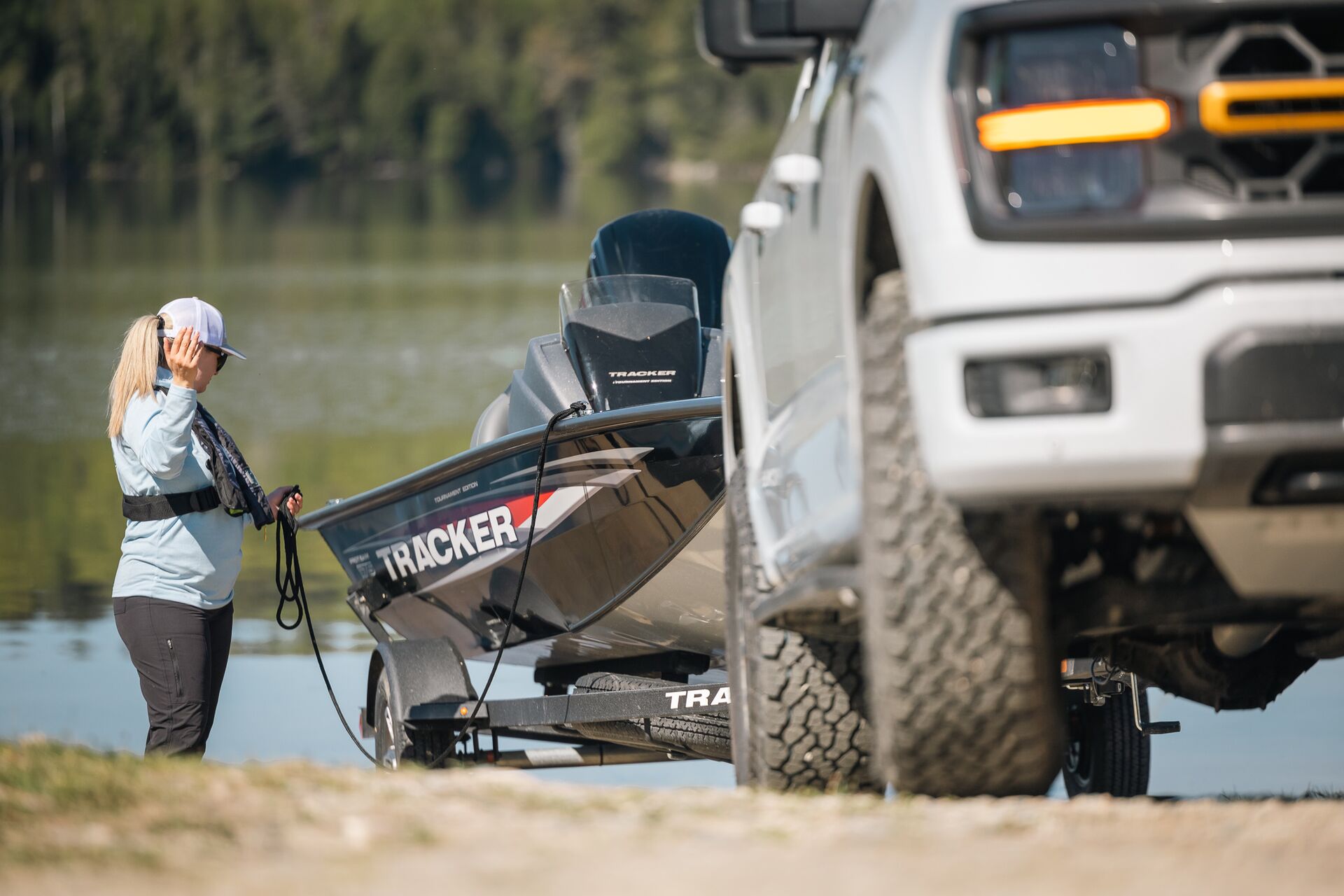
There are numerous public and private boat ramps all along the river, so you can choose the Hudson River boat ramps that are closest to you.
Some of the most well-known ramps include:
- Dyckman Marina (NYC), which is ideal for accessing the southern Hudson.
- George's Island Park Boat Launch (Montrose), which is located north of Tarrytown, is free with a Westchester permit.
- Newburgh Boat Launch (Newburgh), which offers a large ramp and parking.
- Kingston Point Boat Launch (Kingston), which provides access to the Rondout Creek and the Mid-Hudson.
- Corning Preserve Boat Launch (Albany), which offers northern Hudson access near Troy.
It's vital to remain mindful of tidal variations at boat ramps, because some of them are unusable at low tide. Also, check local fees and permit requirements, especially for facilities operated by the county.
Bonus Tips for Boating on the Hudson
What else can help you have an enjoyable day on the waterways? Before you head out to boat on the Hudson, make sure you:
- Plan your trip around tides and currents to improve fuel efficiency and make for easier sailing.
- Be cautious of commercial traffic, as barges and tankers frequently use the channel, particularly near ports and terminals.
- Prepare to explore historic sites by boat, such as West Point, Bannerman Castle, and the Hudson-Athens Lighthouse, all of which are visible or accessible from the water.
- Use navigation apps or charts to understand the currents, shoals, and channel markers that are critical for safe passage.
A little preparation can go a long way to making your day on the water a success!
The New York Boater Education Card Requirement
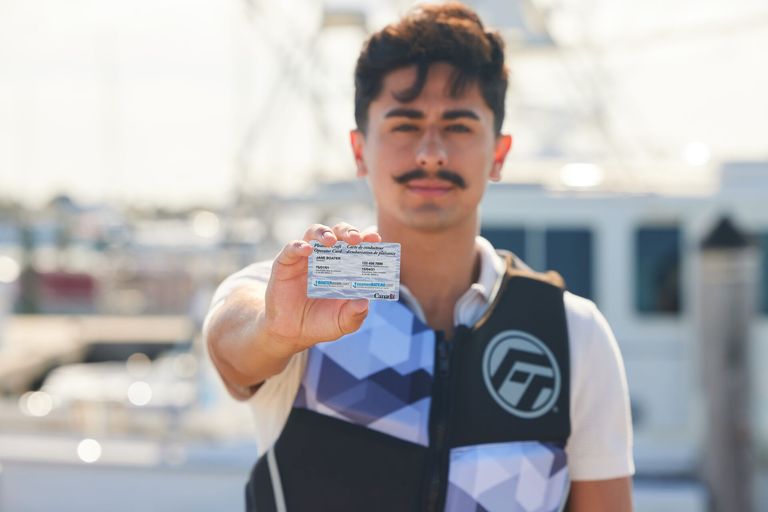
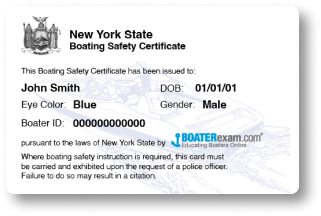
As part of Brianna's Law, New York State requires most motorboat operators to complete a boating safety course. Boaters must also carry a boater education card while operating their vessel.
As of 2025, a phased-in schedule that began in 2020, ends for boat operators. By January 1, 2025, all motorboat operators, regardless of age, are required to have a boater education card.
You can get this card by completing a state-approved boater safety course, either online (like BOATERexam) or in person (through providers such as the U.S. Coast Guard Auxiliary or New York State Parks).
The Hudson River features commercial vessels, changing currents, and numerous marinas, which makes it essential to be aware of safe navigation, signaling, and emergency procedures. A boater education course teaches these things (and more) to help recreational boaters stay safe on the waterway.
Not only is it the law to take a course and carry a boater card, but it's also smart boating. If you don't have and carry a boater education card, you can be cited and fined, so make sure you're certified before you head out on your vessel.
BOATERexam Helps You Stay Safe When Boating on the Hudson
If you've never paddled a kayak or driven a boat along the Hudson River, we hope you're excited to get out there after reading this guide!
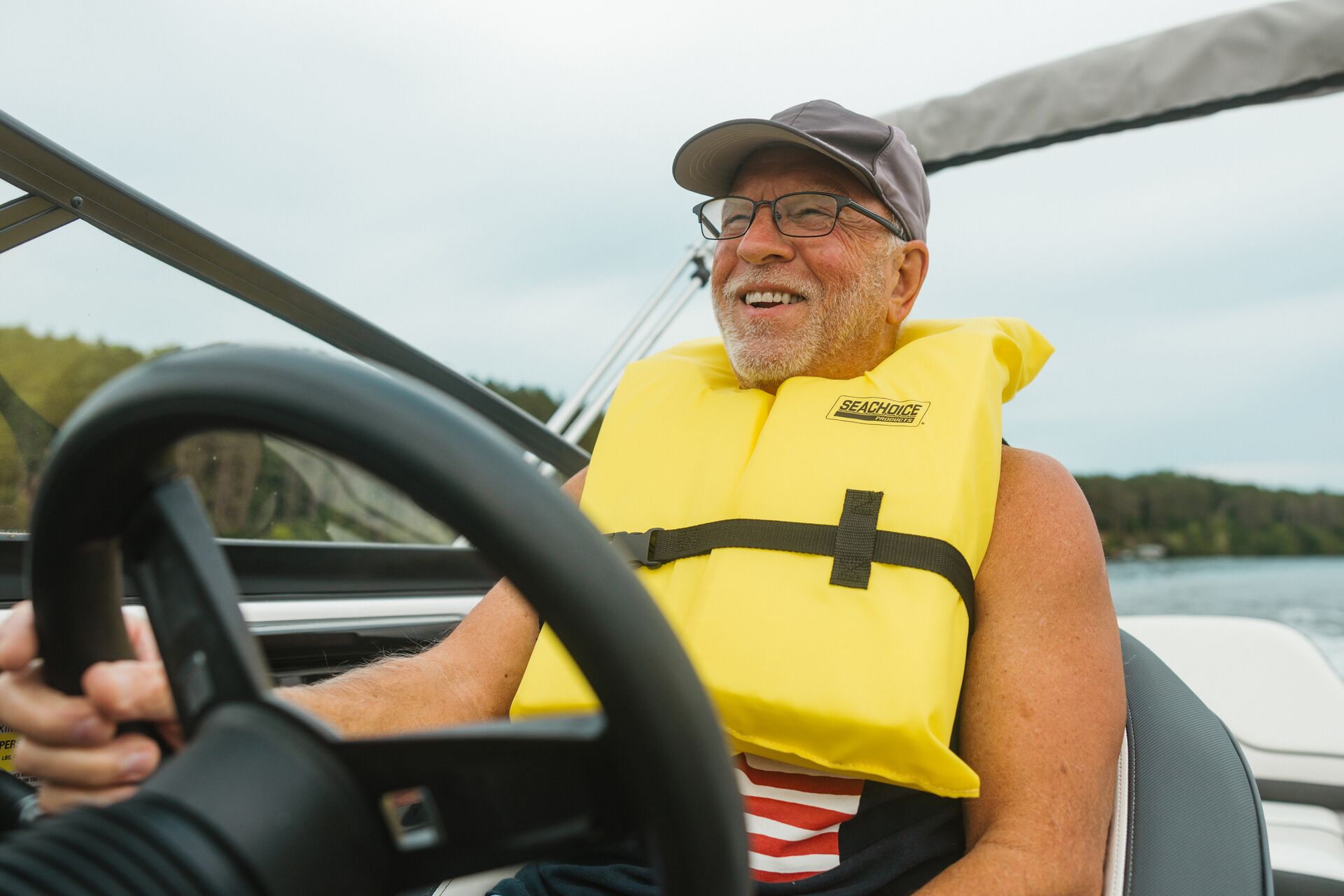
However, before you boat on the Hudson, take a boater education course to learn more about water safety, boating etiquette, navigation rules, emergency procedures, and more. BOATERexam is here to help with our online course that's specific to New York state laws and more!
Take the BOATERexam course for New York, then hit the Hudson River waterway safely and legally!
Frequently Asked Questions (FAQs)
We have answers to common questions about boating on the Hudson!
Q: Can you take a boat down the Hudson?
A: Yes! The Hudson River is navigable by boat. Enjoy it from upstate New York all the way down to New York Harbor.
Q: Is the Hudson River choppy?
A: It can be. Conditions will vary. Winds, tidal currents, and boat traffic can make the water choppy, especially near New York City.
Q: How dirty is the water in the Hudson River?
A: Water quality can vary, although the Hudson has improved a lot in recent decades. Generally, boating is safe. However, swimming after heavy rain is not recommended due to the runoff.
Q: How far can you boat on the Hudson River?
A: Boaters can travel about 150 miles upriver from New York Harbor to Albany. Beyond that, locks and canals connect to other waterways.
Q: Can you dock a boat on the Hudson?
A: Yes! There are many public docks, marinas, and mooring spots along the river for both short-term and long-term docking.
Take the BOATERexam course for New York, then hit the Hudson River waterway safely and legally!