What Is a Marine Sanitation Device?
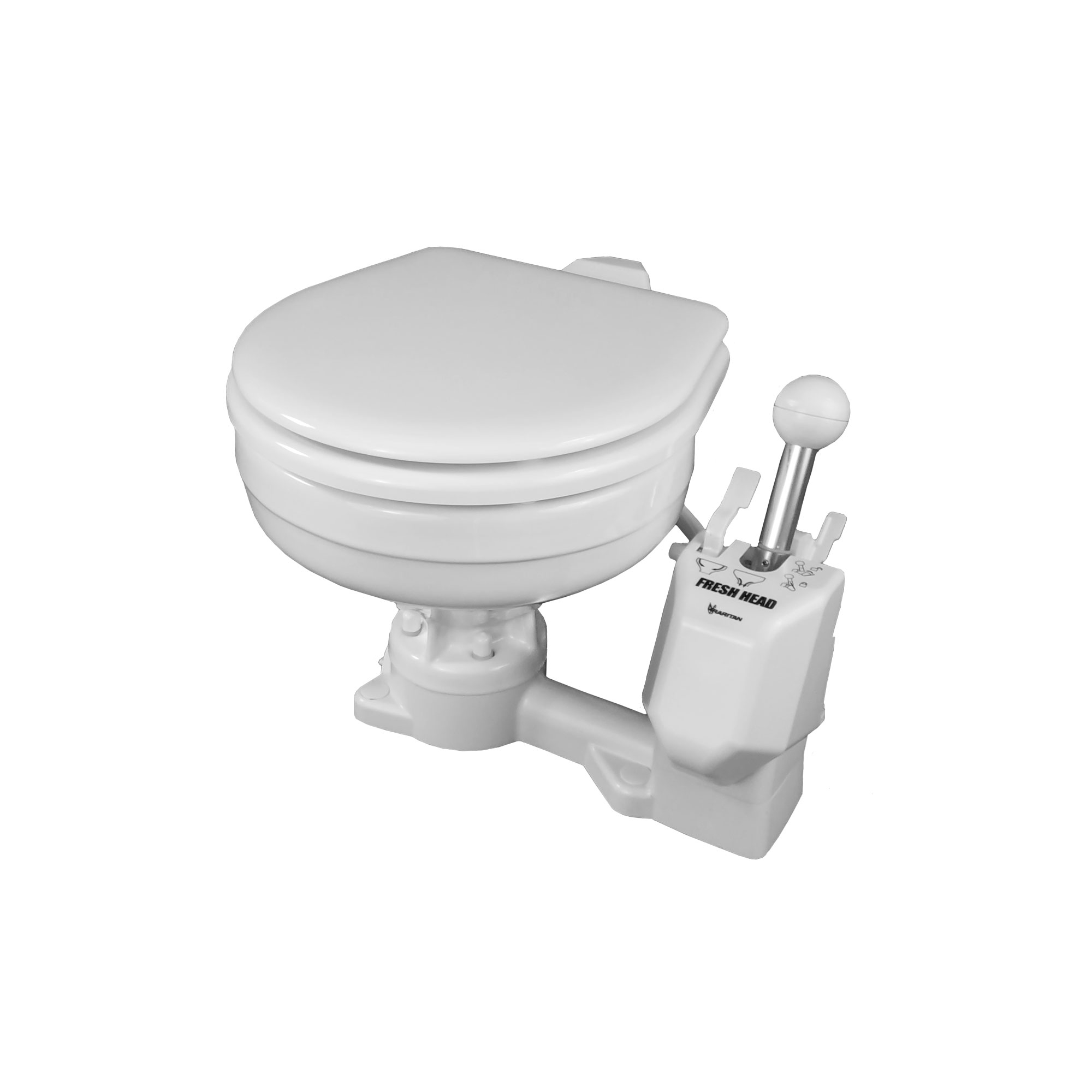
There are several considerations when boating, and one of them is what to do with human waste. If your boat has a bathroom (called a "head" in marine terminology), you must make sure it's not polluting the waters where you cruise, dock, or fish for walleye or other types of fish.
So, what is a marine sanitation device? It's the equipment you need to make your boat's bathroom effective and reduce pollution problems. Here's how it works, along with some information about the various options that may be right for your vessel.
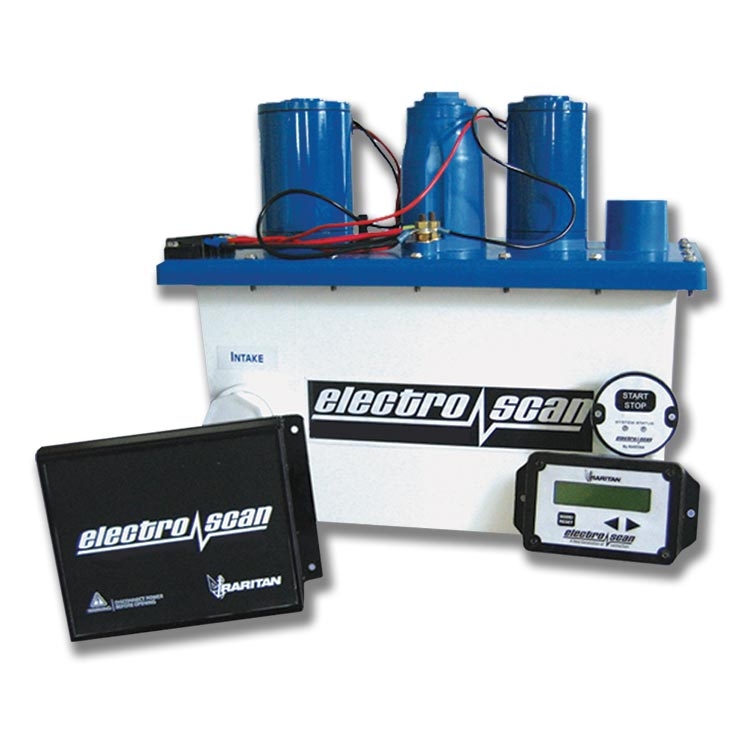
What Is a Marine Sanitation Device (MSD)?
A marine sanitation device (MSD) is a system installed on your boat to manage and treat sewage (human waste). It's required by the Environmental Protection Agency (EPA), the U.S. Coast Guard, and Transport Canada if your vessel has a toilet.
Having the right MSD means you can minimize the risk of polluting lakes, rivers, or oceans where you enjoy your boat. An MSD is the ideal choice for disposing of boat waste. Depending on the type of system you have, it treats or stores waste (sometimes both) until you can dispose of it properly.
What Are the 3 Types of MSDs?
Depending on the size and type of vessel you have, there will be options for your MSD. They come in Types I, II, and III, and each type is slightly different.
1. Type I MSD
This type of MSD treats sewage with chemicals and then discharges it into the water. It's commonly used on smaller vessels that don't have the space or design for a larger system.
You can legally discharge this system in coastal waters, which is beyond three miles offshore.
2. Type II MSD
A Type II MSD is a more advanced treatment system. It's often biological or mechanical, and discharges cleaner effluent than a Type I system.
It's typically seen on larger vessels, such as yachts or commercial boats, as these have the extra space and design to accommodate a larger system.
3. Type III MSD
If you use this type of MSD, you'll have a holding tank only and won't be allowed to discharge its contents into any waterways. That's because there aren't chemicals treating the waste, so it's unhealthy for the environment around you.
Instead, you'll need to return to the dock and pump out the waste at a designated pump-out station. This type of system is most commonly found on recreational boats used in inland waters.
How Do Boats Dispose of Human Waste?
There are several options for boat waste disposal. The one you use will depend on the type of vessel you have, where you use it, and other factors.
In inland waters and no-discharge zones (NDZs), waste has to be stored in a Type III MSD and emptied at a pump-out station. It's illegal to dump any untreated human waste in the vast majority of protected or inland waters.
If you're at sea or out in the ocean (meaning beyond three nautical miles offshore), you can use a Type I or Type II MSD to treat and legally discharge the sewage from your boat's bathroom.
For boats with a portable toilet (a porta-potty), you'll need to manually empty it at an appropriate facility. It's not considered an MSD by law. Since the sewage collected in it isn't treated with chemicals to make it environmentally safe, you can't discharge it into the water around your vessel.
Why Proper Boat Waste Disposal Matters
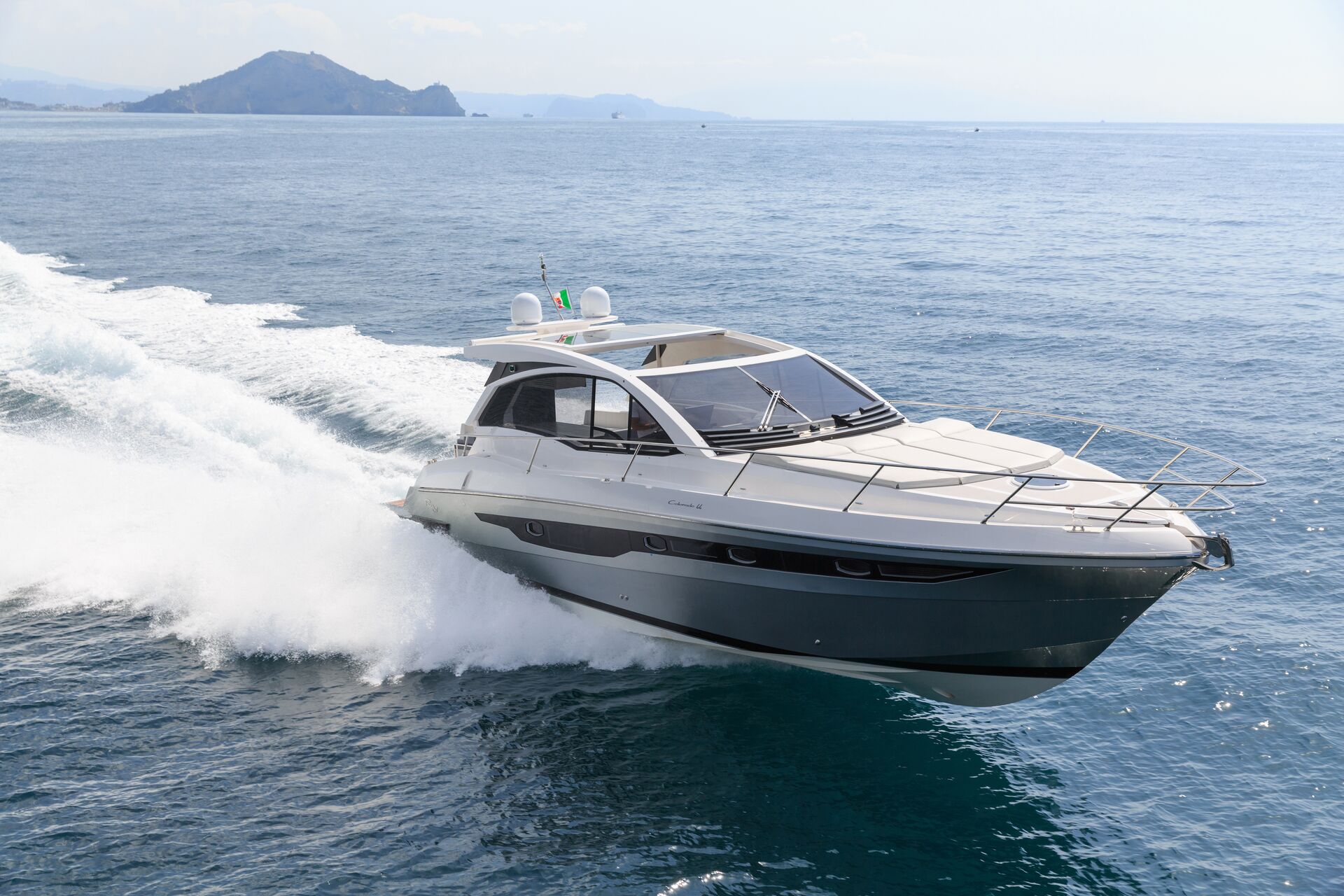
So, what is a marine sanitation device, and why does it matter? It's an essential piece of equipment for any vessel that has bathroom facilities, and it's crucial because human waste can spread pathogens. Sewage can also damage delicate marine ecosystems and contaminate drinking water sources.
If you're caught discharging untreated sewage into waterways, you could face severe fines and penalties. That's especially true in NDZs, but you can be fined for illegal sewage discharge in other areas, as well.
Part of boating safely and responsibly is protecting the waterways around you for fishing, swimming, and the enjoyment of wildlife.
Final MSD Tips for Boaters
To protect yourself and others, it's essential to know both your local and federal regulations regarding MSDs and discharging sewage into the waterways you use.
If you have a system that doesn't allow for discharge, make sure you plan ahead and locate the pump-out stations along your route.
You'll also need to regularly maintain your MSD system, as this helps reduce the chance of leaks or malfunctions. If you're wondering, "how do boats dispose of human waste," and you're unsure what to do, hold the sewage in a Type III MSD until you can pump it out responsibly.
A Boater Education Course Helps You Protect Waterways and Boat Safely
We hope these insights into "what is a marine sanitation device" are helpful! Responsible boaters prioritize protecting waterways so that people and wildlife can continue to enjoy them safely.
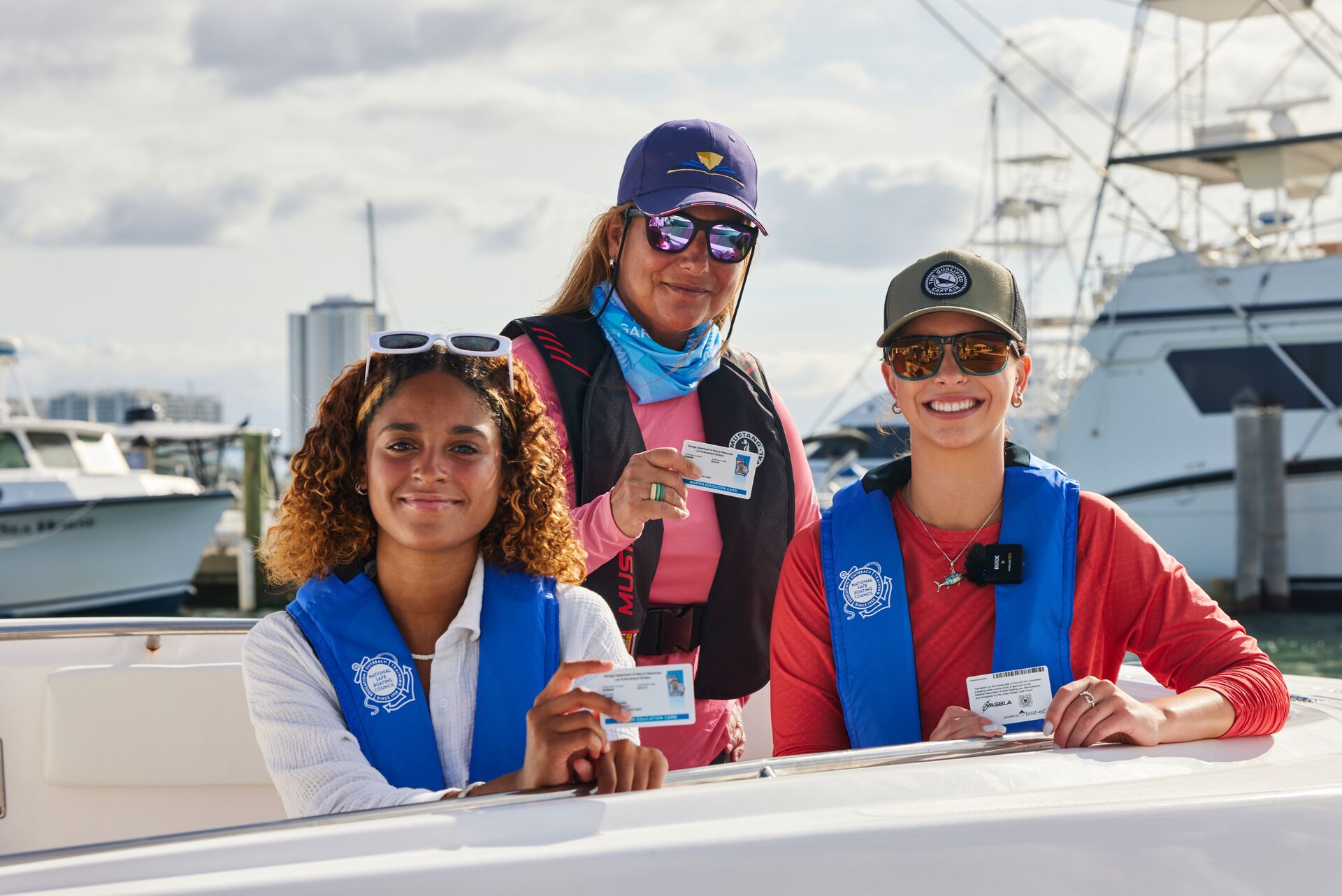
Before you head out onto the local waterways, make sure you've taken a boater education course. An online course through BOATERexam will help you learn about proper boating etiquette, staying safe on the water, navigation, and emergency procedures. Plus, you'll meet your state's or Canada's requirements for boater education to boat legally in your area.
Enjoy the waterways safely and responsibly!
Take the BOATERexam course for your state.
Or, take our Transport Canada-approved course to boat in Canada.
Frequently Asked Questions (FAQs)
Check out these answers to common questions about marine sanitation devices!
Q: What does a marine sanitation device do?
A: A marine sanitation device (MSD) treats or holds sewage from a boat’s toilet to prevent pollution in waterways.
Q: What are Type 1 and Type 2 marine sanitation devices?
A: Type I and II devices treat sewage before discharge. A Type I MSD uses maceration and chemicals. A Type II device provides more advanced treatment with higher cleanliness standards.
Q: What is a Type 3 marine sanitation device?
A: A Type 3 MSD is a holding tank that stores sewage until it can be pumped out at a dockside facility or discharged offshore, where permitted.
Q: Where do you empty a boat toilet?
A: Emptying a boat toilet can take place only at designated pump-out stations, or legally offshore (typically 3+ miles from land), depending on local laws.
Q: Can you discharge grey water at sea?
A: Yes, in most areas you can. However, some regions have restrictions near shore or in no-discharge zones (NDZs).
Q: Is it illegal to dump raw sewage in the ocean?
A: Yes, within three miles of U.S. shore and in no-discharge zones. However, beyond three miles, treated or untreated sewage may be allowed depending on regulations.
Take the BOATERexam course for your state.
Or, take our Transport Canada-approved course to boat in Canada.