Ship Horn Signals: What They Mean for Boaters
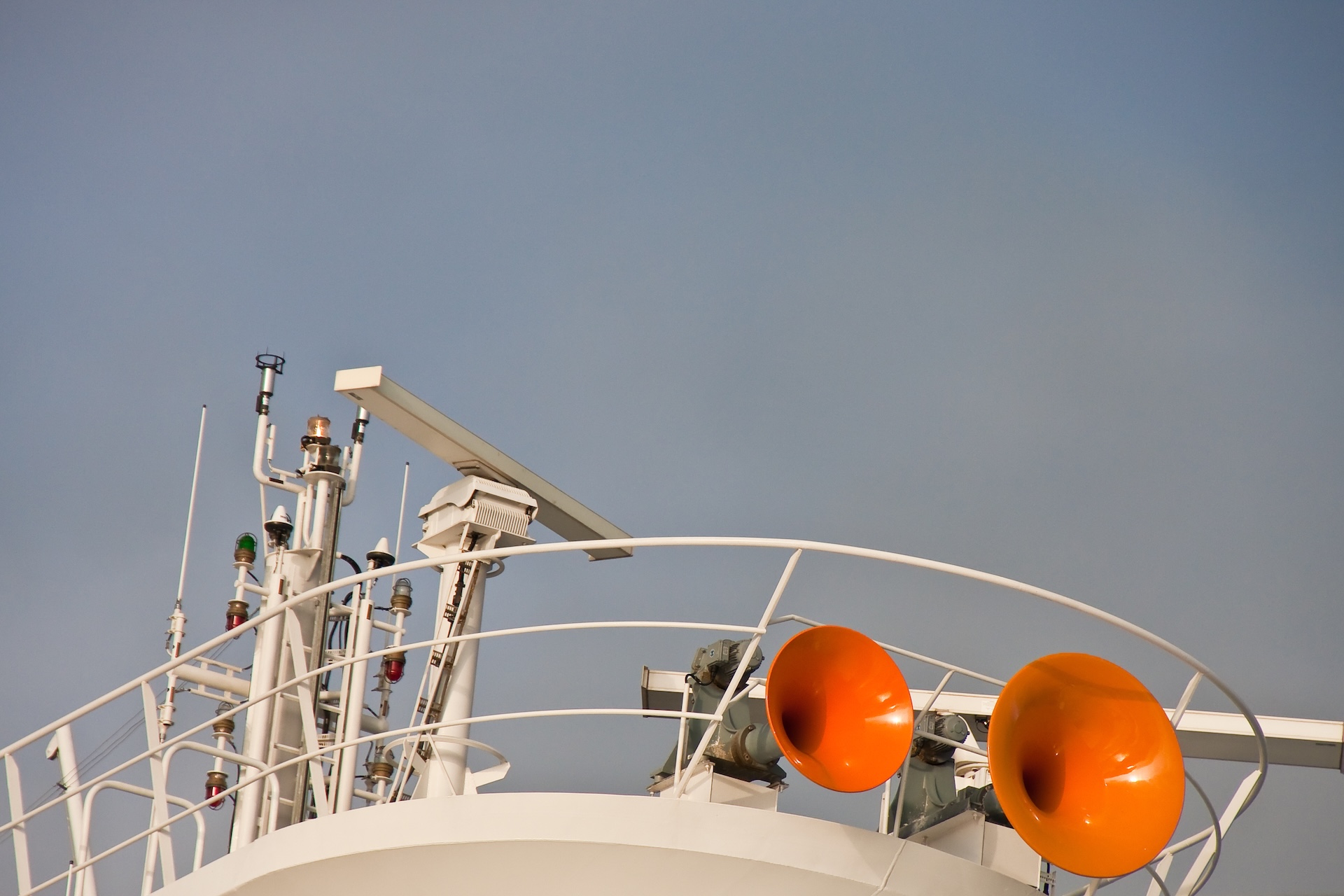
Responsible boating requires more than safety equipment—maritime communication skills are essential as well. In addition to navigating your journey, wearing a life jacket, and packing a first aid kit, you must be comfortable with ship horn signals.
You may need to use ship horn signals to convey essential information to other boaters. Understanding boat horn meanings makes it easier to acknowledge other vessels and move out of their way.
Proper signaling can help you avoid a boating accident. Here's what to know about boat sounds and signals to help you and your passengers have a better day on the water.
What Are Boat or Ship Horn Signals?
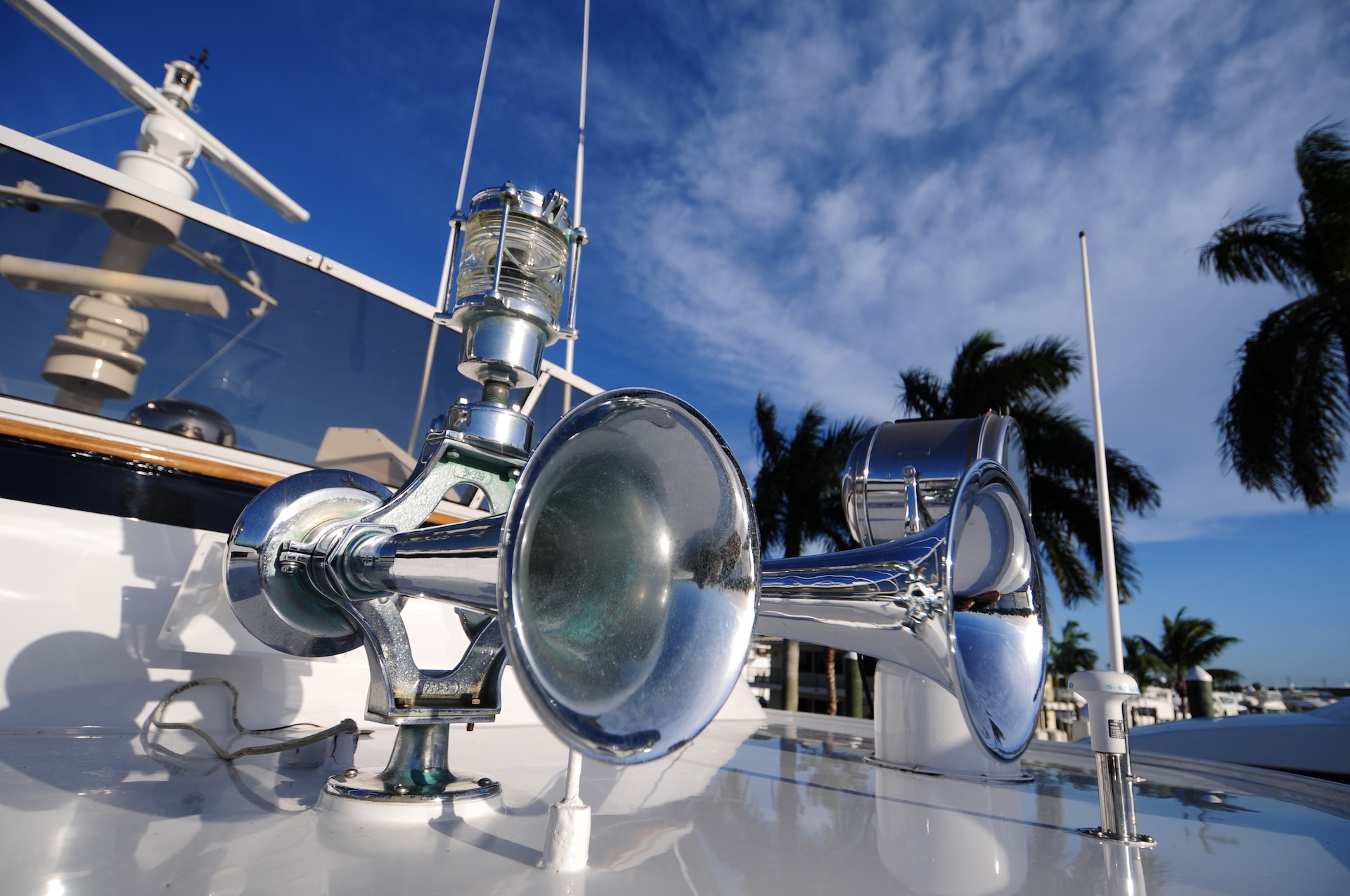
Ship horn signals create audible communication between vessels. They can provide crucial information on a ship's maneuvers or warn other vessels of potential dangers in the area.
Vessel horn communication helps prevent collisions by clarifying boaters' intentions in congested waters or when visibility is restricted.
International vs. U.S. Coast Guard Horn Signal Standards
The International Regulations for Preventing Collisions at Sea (COLREGS) govern the international use of marine sound signals. The U.S. Coast Guard also enforces U.S. Inland Rules, which are similar to international regulations with a few slight differences.
The most significant difference between the two is that international horn signals state intentions, such as "I am turning". In contrast, U.S. inland signals are proposals requiring acknowledgment or confirmation from another boat.
What Are the Different Boat Horn Meanings?
Every sound (or sound combination) a boat horn makes has a specific meaning.
- For example, maneuvering signals indicate turns, overtaking, or backing.
- Warning signals are used for danger, restricted visibility, leaving a dock, and similar situations.
Boat horns may be short blasts of approximately one second or prolonged blasts of 4–6 seconds.
What Does 1 Short Blast on a Ship's Horn Mean?
Under COLREGS, one short blast on a ship's horn means "I am altering my course to starboard (right)." Under U.S. Inland rules, that same blast means "I intend to leave you on my port side," and it requires agreement from the other vessel.
What Does 5 Short Blasts on a Boat Horn Mean?
Five short blasts on a boat horn are the universal signal for danger or doubt. It means "I do not understand your intentions" or "You are not taking proper action."
The danger signals conveyed by five short blasts apply in international and U.S. inland waters, indicating an immediate concern for collision risk.
Are Horn Signals Required by Law for Boats?
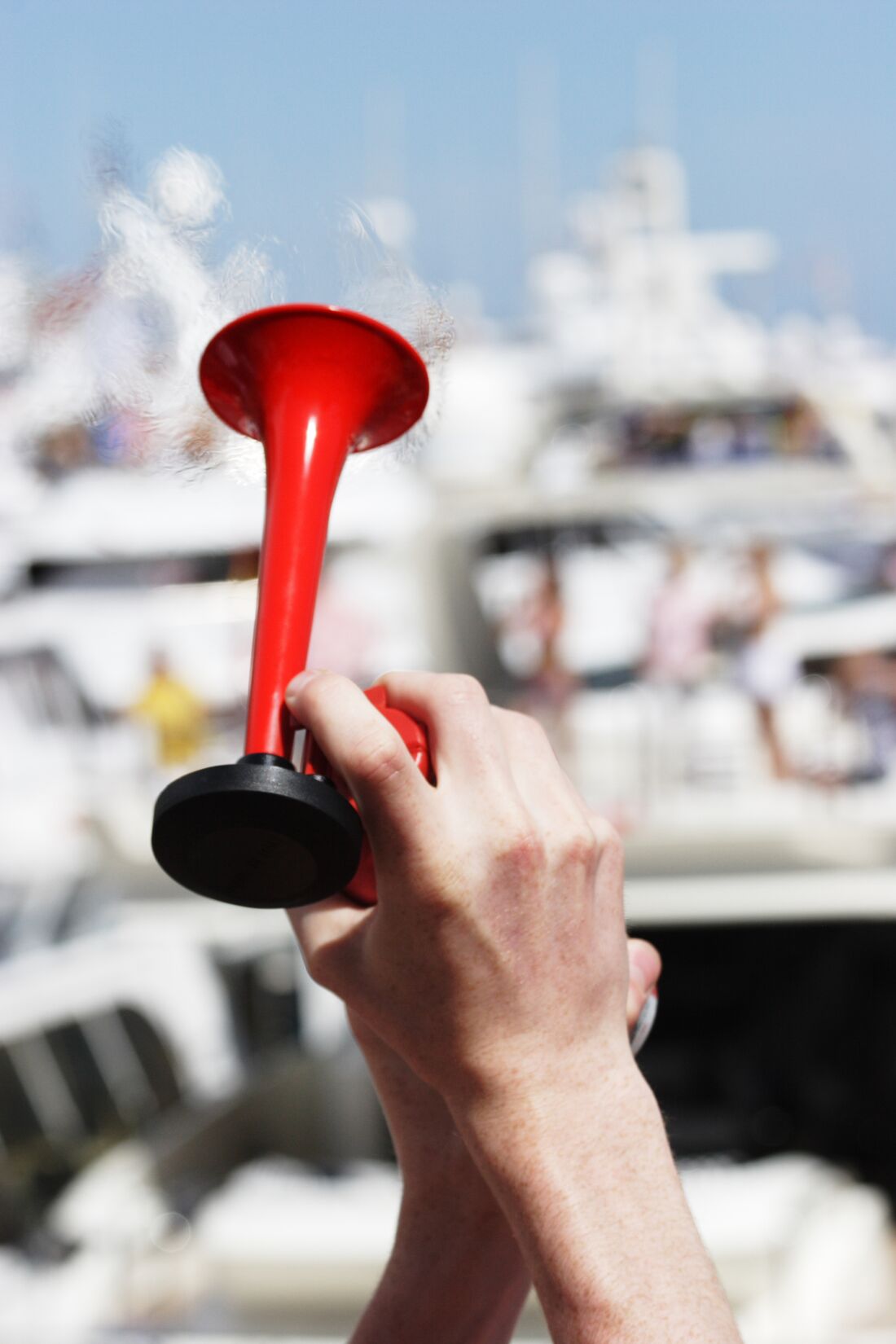
- Boats under 12 meters must have a whistle or horn (a portable one is acceptable).
- Boats of 12–20 meters must have a whistle.
If a boat is over 20 meters, it needs a whistle and a bell. If your boat is more than 100 meters long, it must also have a gong.
When and Why Horn Signals Are Required
Ship horn signals are necessary for meeting, crossing, or overtaking other vessels, as well as during restricted visibility (such as in fog or heavy rain).
Use—and listen for—horn signals when you're leaving a dock or berth. If you need to tell another boat about a danger in the area, or if you're concerned that a vessel doesn't see you, sounding your horn can help protect everyone.
Remember, you must use horn signals for compliance and to avoid collisions, so it's essential to learn them and their meanings.
Common Misconceptions and Misuse of Sound Signals
Though vessel horn communication is one way to call for help while boating, it's a common misconception that horns are only for emergencies. In reality, horns are primarily for navigation and communication.
Avoid using your boat's horn socially, such as to greet another ship, as it can confuse nearby vessels.
Additionally, some boaters believe horn signals are optional, but this is incorrect. Ship horn signals are required by law.
It's critical to know when to use these signals and understand the differences between international and inland rules to avoid miscommunication.
Take a Boater Education Course to Learn More About Safety on the Water
We hope these insights into boat horn meanings help you equip your boat properly and communicate with other vessels safely!
One of the best ways to learn more about ship horn signals (and waterway safety in general) is to take a boater education course. Boating education will teach you about safety, navigation, communication, etiquette, and more, helping you and others stay safe on the water.
Plus, most states and Transport Canada require motorized boat operators to pass a boater safety course (like the courses we offer online here at BOATERexam) before taking the helm.
So, before hitting the water this season (or next), take the online BOATERexam boater education course for your state.
Or, take our online course approved by Transport Canada!
Frequently Asked Questions (FAQs)
We have answers to some common questions about ship horn signals.
Q: What are the horn signals for ships?
A: Ship horn signals are standardized sound signals used to communicate intentions or warnings between vessels, especially when visibility is limited.
Q: What do the different boat horn signals mean?
A: Each pattern of short and long blasts for ship horn signals has a specific meaning, such as indicating turns, passing intentions, or warnings.
Q: What does 1 short blast on a ship’s horn mean?
A: One short blast on a ship's horn means “I am altering my course to starboard (right).”
Q: What does 5 short blasts on a boat horn mean?
A: Five short blasts on a ship's horn mean “Danger” or “I do not understand your intentions.” It’s a warning signal.
Q: Are horn signals required by law for boats?
A: Yes, horn signals are required for boats. Under international and U.S. navigation rules, boats are required to carry and use sound signaling devices, especially in situations of restricted visibility or when maneuvering near other vessels.
Before hitting the water to drive a boat, take the online BOATERexam boater education course for your state.
Or, take our online course approved by Transport Canada!