How to Avoid a Boat Accident
If you want to learn how to avoid a boat accident and injuries on the water, dive into cases from the past where things went wrong. We have decades of data to learn from.
These stats tell us:
- Who is often at the helm in boating accidents: Operators who have been drinking and/or have become distracted.
- When they happen: After failing to maintain a proper lookout and traveling too fast.
- Why: The boater lacks experience and violates navigational rules.
- Where: Areas with crowded boat traffic and in dangerous, hazardous places on the water.
How do we know this? For 66 years, the U.S. Coast Guard has collected and analyzed data on recreational boating. This year’s report has some positive news, as the Coast Guard recorded the lowest number of fatalities in more than 50 years.
Still, there are valuable lessons to be gained from looking at the major causes of boat accidents. Keep reading as we talk about these causes and how to avoid boating accidents.
What is the Leading Cause of Boat Accidents?
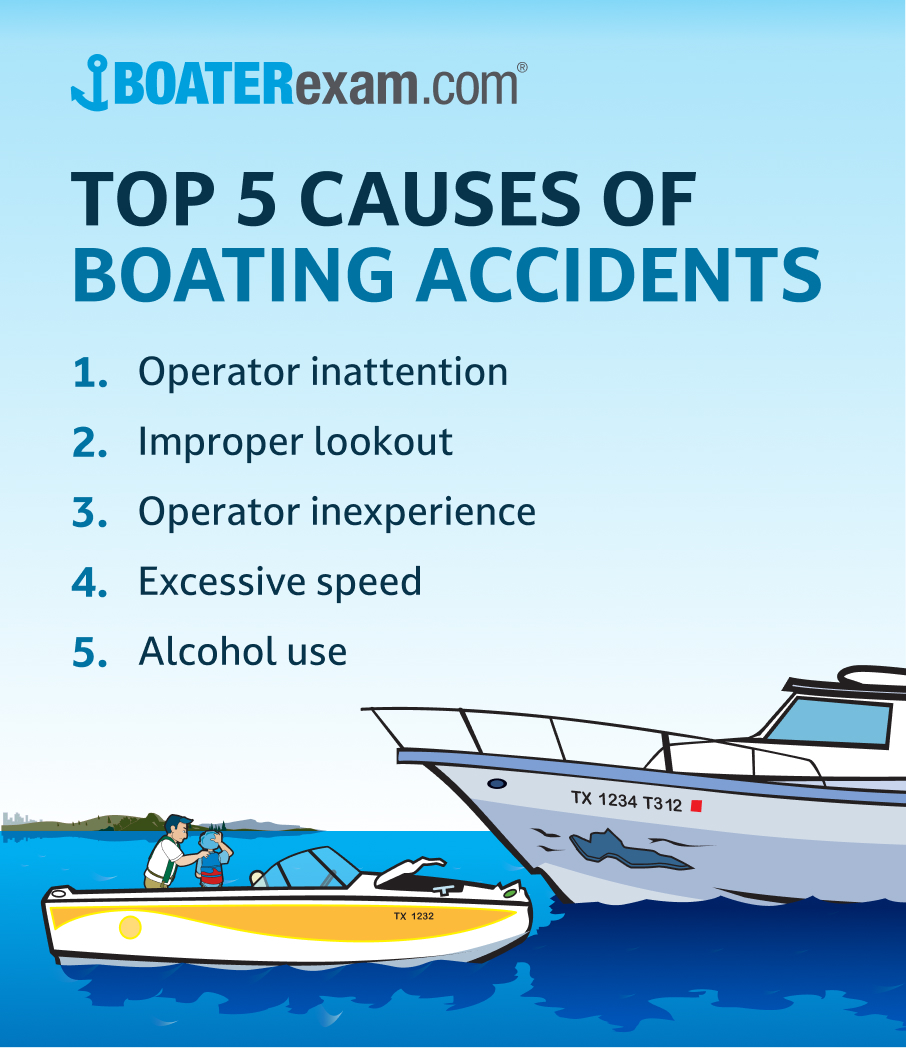
Operator inattention led to 42 deaths and nearly 300 injuries on recreational boats last year and was cited by the Coast Guard as the number one cause of accidents (551 incidents). Other primary factors leading to injuries and death were improper lookout, operator inexperience, and excessive speed.
The cause of most fatal boating accidents, and perhaps the most easily preventable contributing factor? Alcohol use, which the Coast Guard linked to 92 fatalities and 192 injuries last year.
Many of these accidents could have been prevented by proper awareness and training. The Coast Guard said nearly 70% of the deaths occurred on boats where the operator had not received instruction on boating safety. In all, the Coast Guard reported 3,887 accidents that led to 556 fatalities and 2,170 injuries in 2024.
How Can You Prevent Boating Collisions?
Whether the collision involves a fixed object, a sunken ledge, or another vessel, some procedures and tips will help you stay safe on the water.
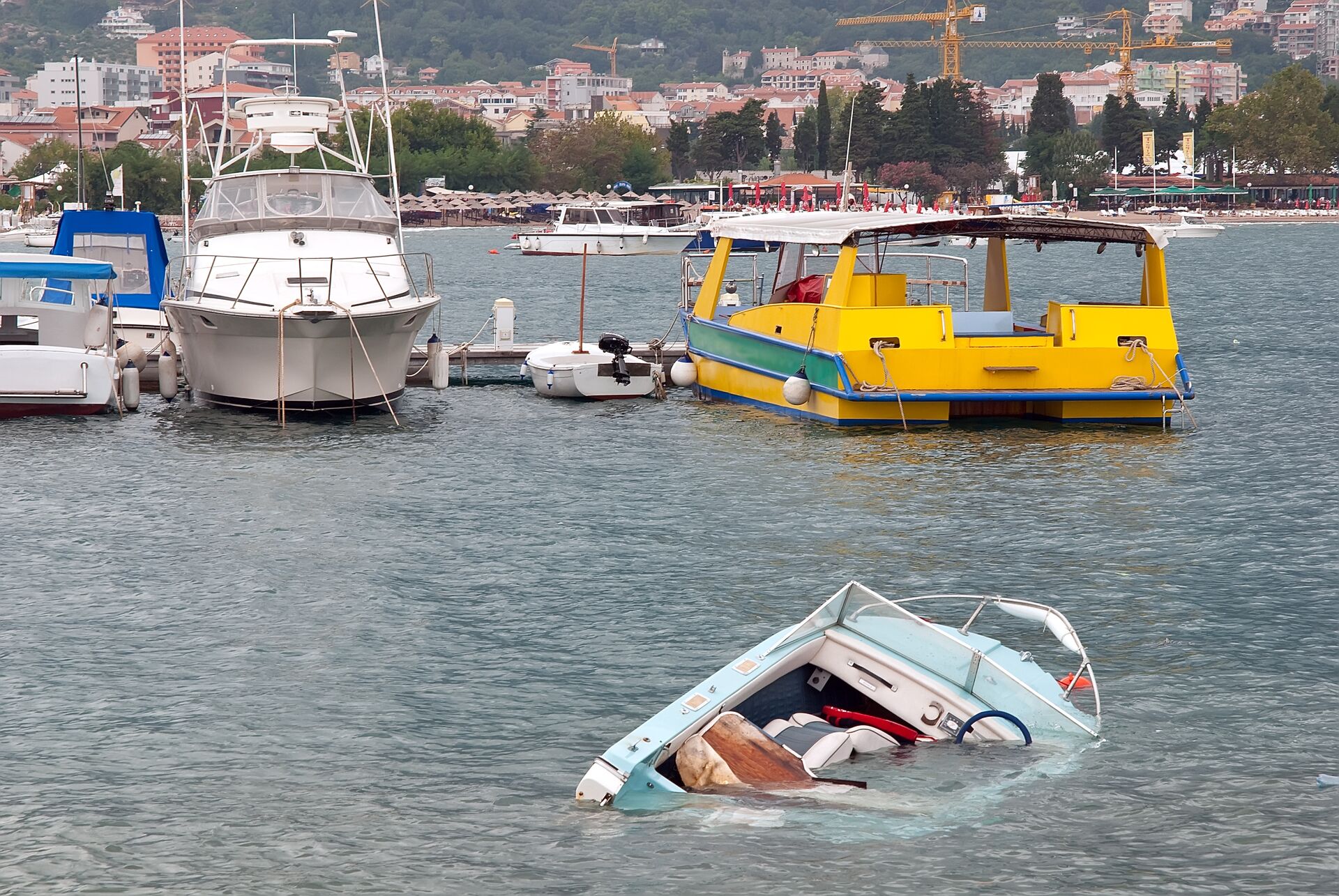
Assign a Lookout
Assign lookouts to watch for hazards. Not just straight ahead; scan 360 degrees for danger to maintain a proper lookout.
Follow Navigation Rules
Every boater has a duty to understand navigation rules. But these rules only work when all operators know which vessel has the right of way or who has priority in a narrow channel.
When approaching another vessel and you hear two blasts of the air horn, are you prepared for a starboard-to-starboard pass? In a crossing situation, are you ready to change course as the give-way vessel? Or will you maintain your direction as the stand-on vessel?
Understanding your duty in these situations is a basic and critical part of avoiding boat collisions.
Operate at a Safe Speed
There are very few posted speed limit signs on the water, yet operating at a safe speed is critical to avoiding a boat accident. Adjust your speed and slow down based on the weather, sea conditions, visibility, and other traffic in the area.
Drive Sober
Avoiding a boat accident means avoiding alcohol and drugs and driving your boat while sober.
On a boat, the effects of alcohol are magnified by the sun, wind, fatigue, and the vibration and noise of the engine. The combined effect of these stressors is referred to as “boater’s hypnosis.”
"These elements can accelerate the onset of alcohol’s impairing effects, making a person’s coordination, balance, and judgment deteriorate faster than on land.”
Keep Safety Equipment On Board
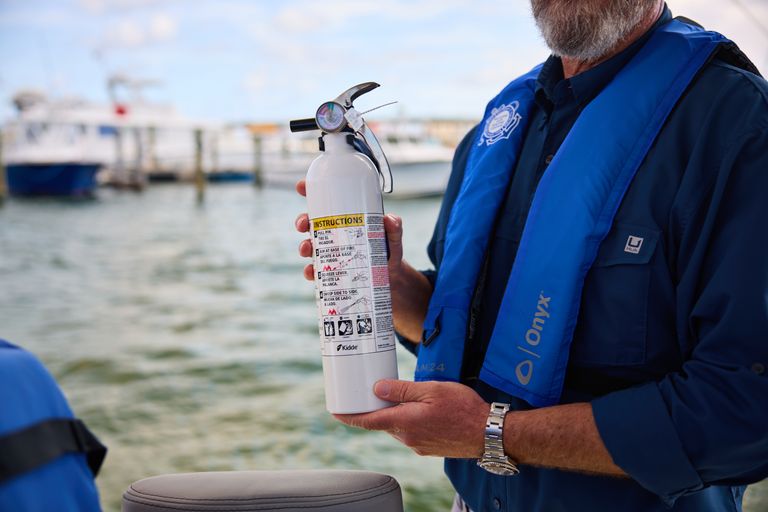
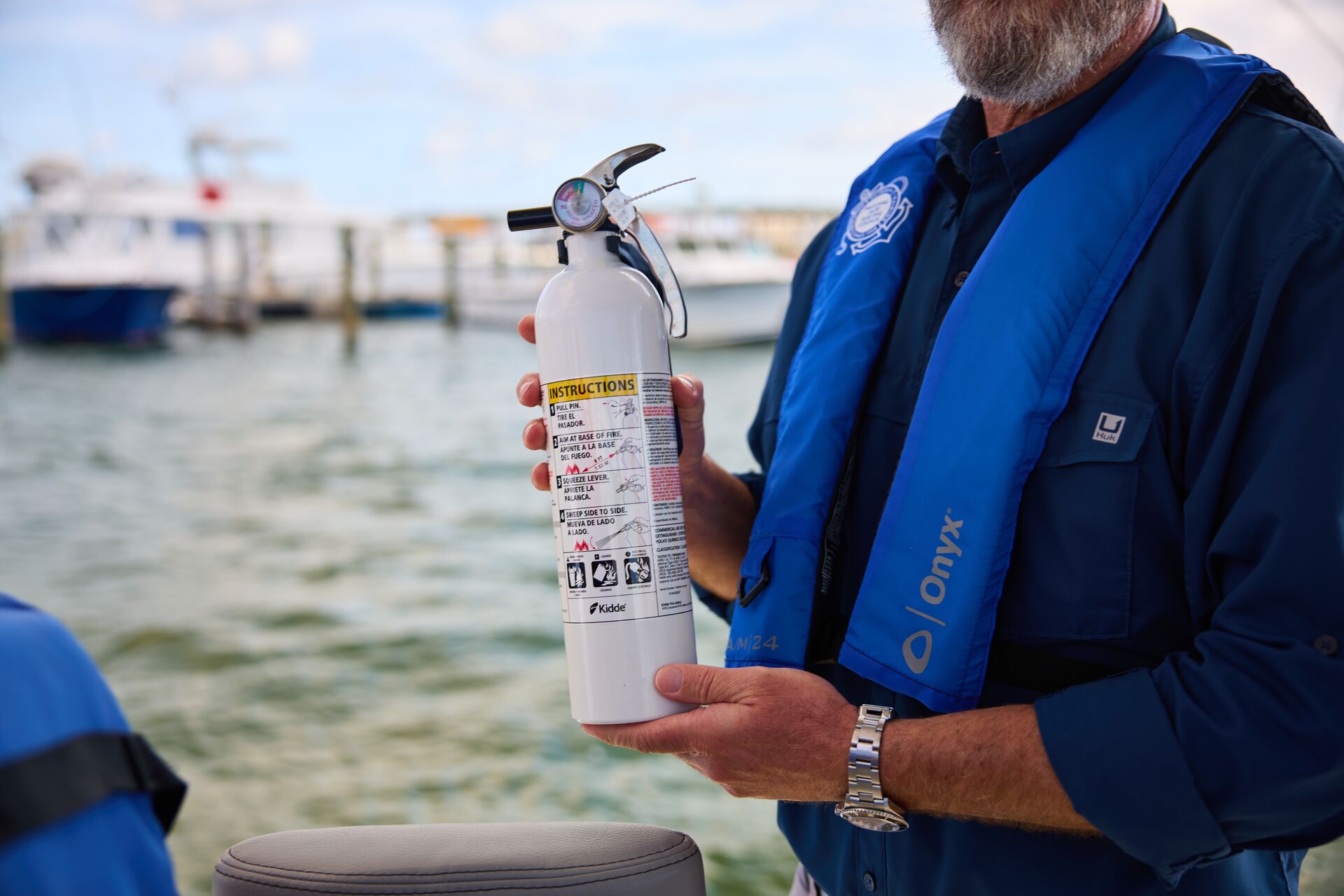
Safety equipment can be the difference between an accident with injuries and an accident with fatalities. Maintain and check that your safety equipment (such as life jackets, flares, and lights) is in good condition and accessible.
Take a Boater Safety Course
Want to have the best chance of avoiding a boating accident? Take a boating safety course (like the ones we offer here at BOATERexam for U.S. and Canadian boaters) to learn some of the procedures and best practices discussed below.
What Should You Do Immediately After a Boat Accident?
Imagine a worst-case scenario: There’s been a collision. Maybe the boat has capsized. Or you’ve run aground and the boat is taking on water.
What should you do?
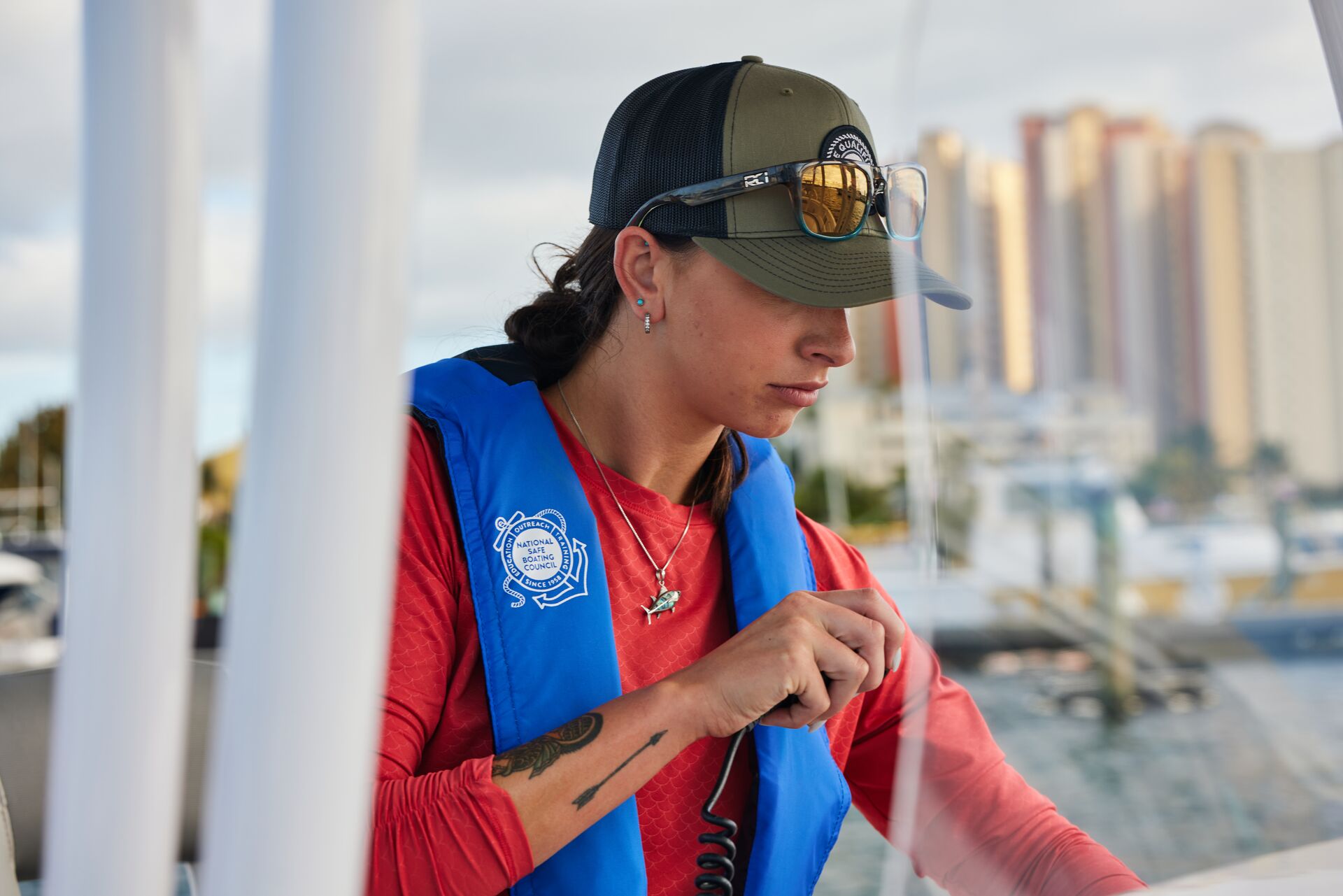
First, check for injuries and ensure everyone is wearing a life jacket. In cases last year that resulted in drowning deaths, 87% of the victims were not wearing a personal floatation device.
Then, administer first aid. As a responsible boater, you should have a first-aid kit on board. It’s time to call for help and to contact the Coast Guard/call 911 if injuries are severe.
Remember: Like a car accident, you can’t just leave the scene. You must stop the vessel immediately.
Minimize the Danger
Don’t compound the situation and make things worse. Try to prevent further danger and turn on hazard lights to warn other boaters in the area. You may need to throw floatation devices to people in the water.
Report It Appropriately
States have varying reporting requirements for accidents, based on the amount of damage and whether there were injuries.
Then, Federal law requires an accident report to be filed if there is more than $2,000 damage to the boat or property, if the boat is destroyed, if someone is injured and needs medical attention, or if a person dies or is missing after the accident.
If the accident involved a collision with another vessel, be sure to exchange information and document everyone’s names, insurance details, and vessel numbers. It can also be useful to record video and images of the scene for insurance claims and incident reports.
How a Boater Education Course Helps Avoid Boating Accidents
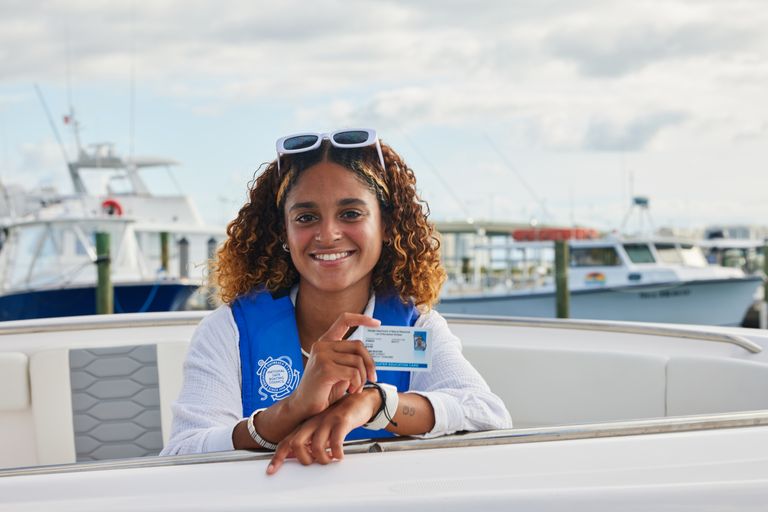
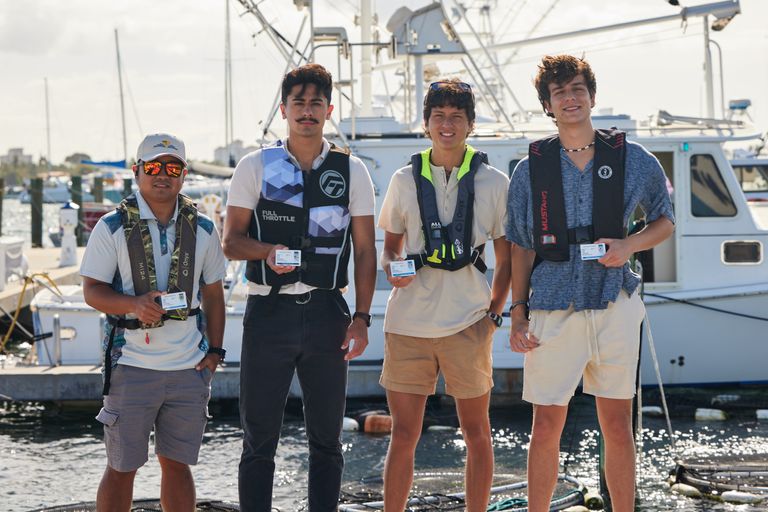
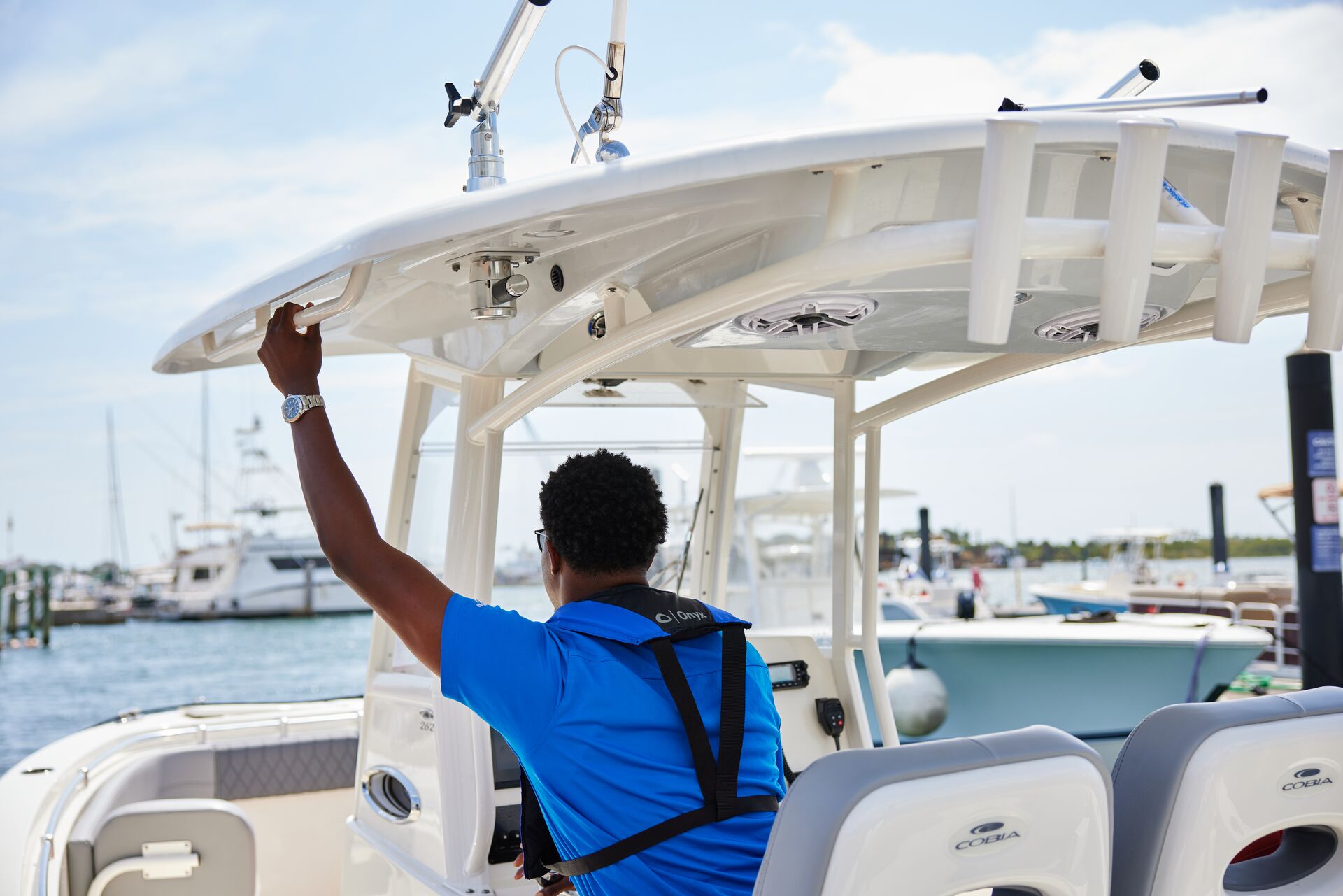
The best way to prevent accidents on the water is to take a boater safety course! Taking a course is the responsible thing to do. You’re not alone on the water — you’re interacting with other boaters, and you need to know the rules.
A boater education course like BOATERexam will show you the proper procedures for passing other vessels, understanding who has the right-of-way when you encounter a sailboat or a commercial fishing boat, and how to use channel markers to avoid a collision. Graphics and illustrations within the course material of these scenarios will help prepare you for real-world situations.
A comprehensive course also reinforces the dangers of reckless maneuvers, speeding, and operating under the influence. You will learn about emergency preparedness and what to do in the event of an accident or if a passenger falls overboard.
If that happens, do you have all the required safety gear for your boat? With a boater education course, you will learn exactly what you need — and what’s legally required — for your 26-foot motorboat or 15-foot skiff.
Build Your Confidence and Be Aware
You will have problems on the water: equipment will fail, the weather will turn bad, or the anchor may get stuck. A boater education course will build your confidence and help you avoid some mistakes that come from inexperience.
A boater education course also emphasizes environmental awareness, and you will learn the safe and responsible way to take on fuel or navigate through sensitive marine areas.
Learn How to Prevent Boating Collisions and Safety Essentials with Boater Education
Set yourself up with the best chance of a safe and successful boating season by taking a boater education course.
We’ve seen the stats and know about the dangers. Cast off only when you know the rules of navigation, you can recognize hazards, safety equipment is onboard, and you’ve committed to bringing awareness and your training along for the ride.
BOATERexam makes it easy to learn and stay safe on the water! Plus, most U.S. states and Transport Canada require boat operators to pass a safety course.
In the U.S., take the course for your state.
In Canada, take our Transport Canada-approved course.
Frequently Asked Questions (FAQs)
We have answers to the most common questions about boat accidents!
Q: What is the leading cause of boat accidents?
A: The leading cause of boat accidents is operator inattention, often due to distractions, fatigue, or lack of proper lookout.
Q: How can you prevent boating collisions?
A: Stay alert, maintain a proper lookout, follow navigation rules, operate at safe speeds, and avoid alcohol while boating.
Q: What should you do immediately after a boat accident?
A: Stop the vessel, check for injuries, provide assistance (if safe to do so), contact emergency services, and report the accident to authorities as required.
Be prepared on the water!
In the U.S., take the course for your state.
In Canada, take our Transport Canada-approved course.