Cold Weather Boating Safety Tips: How to Stay Warm
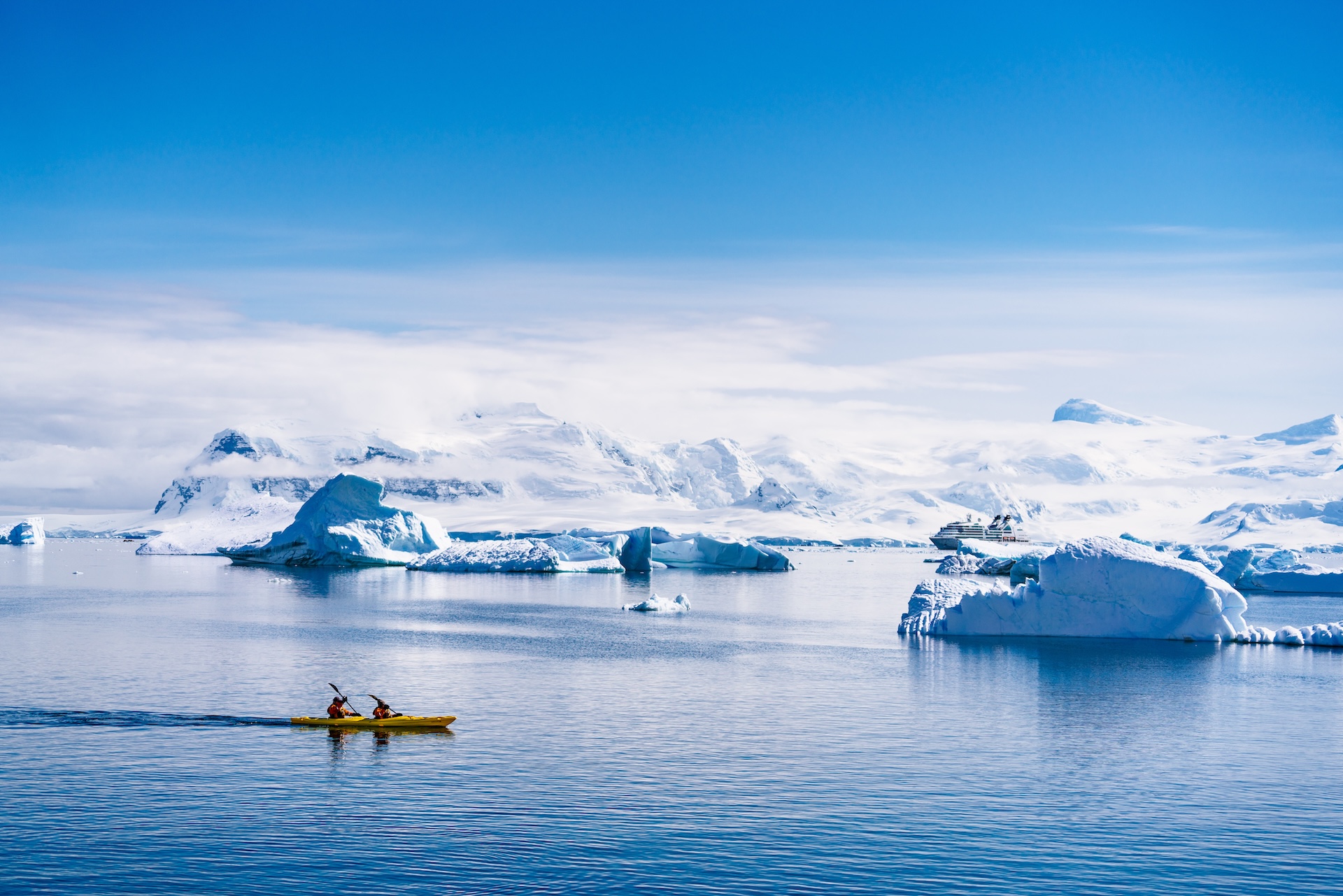
Boating in cold weather adds to risks on the water, but taking proper precautions can help protect you and your passengers from hypothermia.
Life jackets, a means of contacting help in an emergency, and a good understanding of how to dress for the weather can all increase your safety. It's also essential to monitor air and water temperatures, as well as changes in weather conditions, tides, and wave heights.
Here's what to consider to maintain cold weather boating safety practices and reduce your risk of hypothermia.
When Is Water Considered "Cold"?
Generally, water is a hypothermia boating risk when it's below 70°F (21°C). While that may seem relatively warm, immersion in water below 70°F is very different from being in air at the same temperature.
Immersion in water below 60°F (15.5°C) can be particularly hazardous, posing immediate risks. If someone on your vessel falls overboard into water of that temperature, getting them out and keeping them warm as quickly as possible is crucial.
Even water in the 60–70°F range can still cause hypothermia with prolonged exposure, so be mindful of the water temperature around you when boating. If there's an increased risk of hypothermia, it may be necessary to take additional precautions.
What Are the Dangers of Cold Water Boating?
Boating in cold water comes with a myriad of hazards, including:
- Cold shock response: Gasping, hyperventilation, increased risk of inhaling water.
- Loss of muscle control: Impaired swimming and self-rescue ability, often within minutes.
- Hypothermia: Core body temperature drops, leading to confusion, unconsciousness, and death.
- Increased capsize risk: Stiffness and slower reactions when operating boats in cold weather.
- After drop effect: Body temperature continues to fall after rescue due to chilled blood returning from the extremities.
- Frostbite: Exposure to wind and water can damage the skin and extremities.
Unfortunately, many boaters are unaware of the dangers they face, especially when the air temperature is still relatively warm.

What Should I Wear for Cold Weather Boating Safety?
Boating in cold weather requires winter boating gear, including a layered clothing system.
Start with a moisture-wicking base layer, and then add an insulating mid-layer of fleece, wool, or synthetic fabric. Complete your gear with a waterproof, windproof outer shell.
Once you have your layers on, add your Personal Flotation Device (PFD) on top and ensure it remains in place. Hypothermia can set in quickly, making it difficult to swim or stay afloat if you fall into the water. Make sure to keep your life jacket securely fastened at all times.
If the water temperature is below 60°F, consider wearing a wet suit or dry suit, along with thermal accessories such as hats, gloves, and waterproof boots. Choose bright colors or reflective tape for visibility, which can make rescue operations much easier.
Safety Gear Checklist
Proper safety gear is crucial for cold-weather boating.
Make sure you have the following items so you and your passengers can stay as safe as possible while enjoying your time on the water.
- A U.S. Coast Guard-approved PFD for every passenger
- A throw rope or throwable flotation device
- A whistle, horn, or other sound signal device
- A VHF marine radio or other waterproof communication device
- Emergency flares or signaling devices
- A first-aid kit with thermal blankets
- Extra dry clothing in a waterproof bag
- A bilge pump or bailing device
- Navigation lights and a flashlight
Whether you're on a small boat with a couple of friends or aboard a larger vessel with many more passengers, having the proper safety gear is a critical part of cold weather boating safety.
How Long Can You Survive While Boating in Cold Water?
If you experience an emergency when boating in cold water, your survival odds depend on a wide range of factors. Water temperature, the clothing you're wearing, your body size, and your activity level all come into play. However, the initial cold shock of entering the water can have a rapid effect on your bodily systems, leading to drowning in the first 1–3 minutes.
Within 10–30 minutes of exposure to extremely cold water, you may also experience a loss of muscle function. Depending on your level of protection and the prevailing weather conditions, your survival window could range from a few short minutes to several hours.
Take a look at the range of approximate survival times based on water temperatures in the chart below.
Survival Times in Cold Water (Approximate without Protection) | |
| 32.5°F (0°C) | 15–45 minutes survival <15 min functional movement |
| 40°F (4.5°C) | 30–90 minutes survival |
| 50°F (10°C) | 1–3 hours survival |
| 60°F (15.5°C) | 1–6 hours survival |
| 70°F (21°C) and above | Fatigue and hypothermia still possible after prolonged exposure |
Note: Wearing a life jacket + thermal protection (wet/dry suit) dramatically increases survival time.
Learn More About Boating in Cold Water with a Boater Education Course
Before you head out for some cold-weather adventures in your vessel, take time for a boater education course. You'll learn how to stay safe on the water in any weather (including cold weather boating safety tips), as well as when to skip the trip and stay on land.
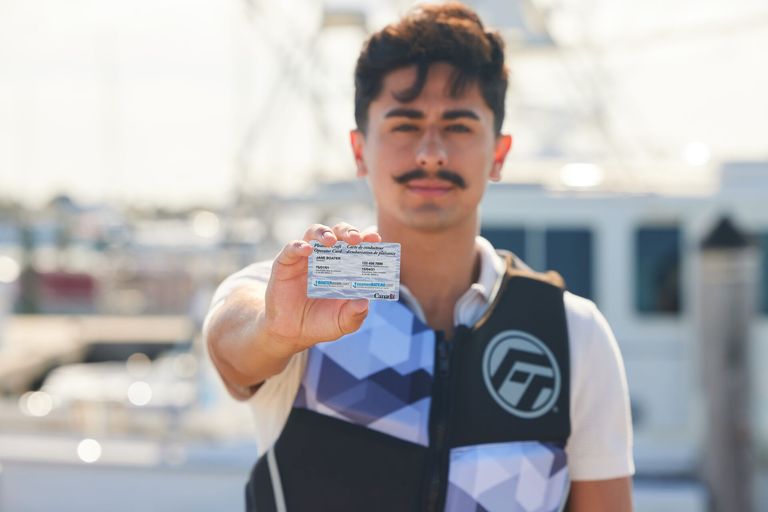
Plus, most states and Transport Canada requires motorized boat operators to pass a boater safety course (like the ones we offer here at BOATERexam).
Whether you plan to hit the water as the temperatures drop or you're planning ahead to next season, get your boating safety certification soon!
In the U.S., take the course for your state.
In Canada, take our Transport Canada-approved course.
Frequently Asked Questions (FAQs)
We have answers to your questions about cold weather boating safety!
Q: What are the dangers of cold water boating?
A: Cold water can cause rapid loss of body heat, cold shock, swimming failure, hypothermia, and even cardiac arrest. Rough conditions and limited mobility in bulky clothing also increase the risk of capsizing or drowning.
Q: What should I wear for cold weather boating?
A: When boating in cold weather, wear layered, moisture-wicking clothing under a waterproof, windproof outer layer. Always wear a life jacket or floatation suit. Consider a dry suit or immersion suit for very cold conditions.
Q: How long can you survive in cold water?
A: Survival time depends on water temperature. In 50°F (10°C) water, exhaustion or unconsciousness can occur within 1 hour, and survival time is 1–3 hours. Colder water shortens that dramatically.
Q: What is the 1-10-1 rule in cold water?
A: The 1-10-1 rule is 1 minute to get breathing under control after cold shock. Then, 10 minutes of meaningful movement before the muscles weaken, and 1 hour before unconsciousness due to hypothermia.
Q: What are the four stages of cold water shock?
A: Stage 1: Cold shock response (gasping, hyperventilation). Stage 2: Swimming failure (loss of muscle control). Stage 3: Hypothermia (drop in core temperature). Stage 4: Post-rescue collapse (fainting or cardiac arrest after rescue).
Q: How cold is too cold for a boat motor?
A: Temps below 40°F (4°C) can cause issues like thickened oil, weak batteries, and freezing cooling systems. Always winterize your motor and use antifreeze if temperatures are near or below freezing.
Stay safe in the water with your boating safety certification.
In the U.S., take the course for your state.
In Canada, take our Transport Canada-approved course.