What Should a Boater Do With a Float Plan?
When you're headed out for a day on the water, there's a lot to think about—including filing a float plan. If you're highly confident in your abilities and have sufficient safety equipment on your vessel, you might assume you don't need to bother with a float plan; however, that's actually not the case.
What should a boater do with a float plan, and why is one so important? Here's what you need to know.
What Is the Purpose of a Float Plan?
A float plan is designed to be left with someone on shore and offers essential information about your boat, passengers, and travel destination. This plan serves as a safety communication tool, providing vital trip details in the event of an emergency or if you fail to return when expected.
Not only does a float plan help rescuers know where to start searching, but it can also increase your chances of timely assistance and a better chance of survival. It demonstrates responsible boating and your care for the safety of others, reducing risks for passengers by directing help to the correct location.
Knowing how to file a float plan is helpful for trips of all sizes, as is knowing what to include in the plan. The U.S. Coast Guard offers a plan you can set up ahead of time and adjust for each voyage.
Whether you're taking a short outing or an extended trip, someone on land should know where you're going, the route you're taking, and when you'll be back, along with the size and type of boat you have, its registration number, and information about your passengers.
Submitting Float Plans for Safety
A float plan is a proactive step worth taking before any boating trip, regardless of its duration.
Though float plans aren't required by law, it's wise to have them. A float plan is a great safety net for you and any of your passengers, and it's quick and easy to prepare. Most float plans are written, but they can also be digital or verbal.
Along with a float plan, you should ensure you have the means to call for help while boating. Though your float plan will let someone know to look for you if you aren't back by your anticipated return time, you also need to be able to contact emergency responders if something goes wrong during your voyage.
Who Should You Give a Float Plan To?
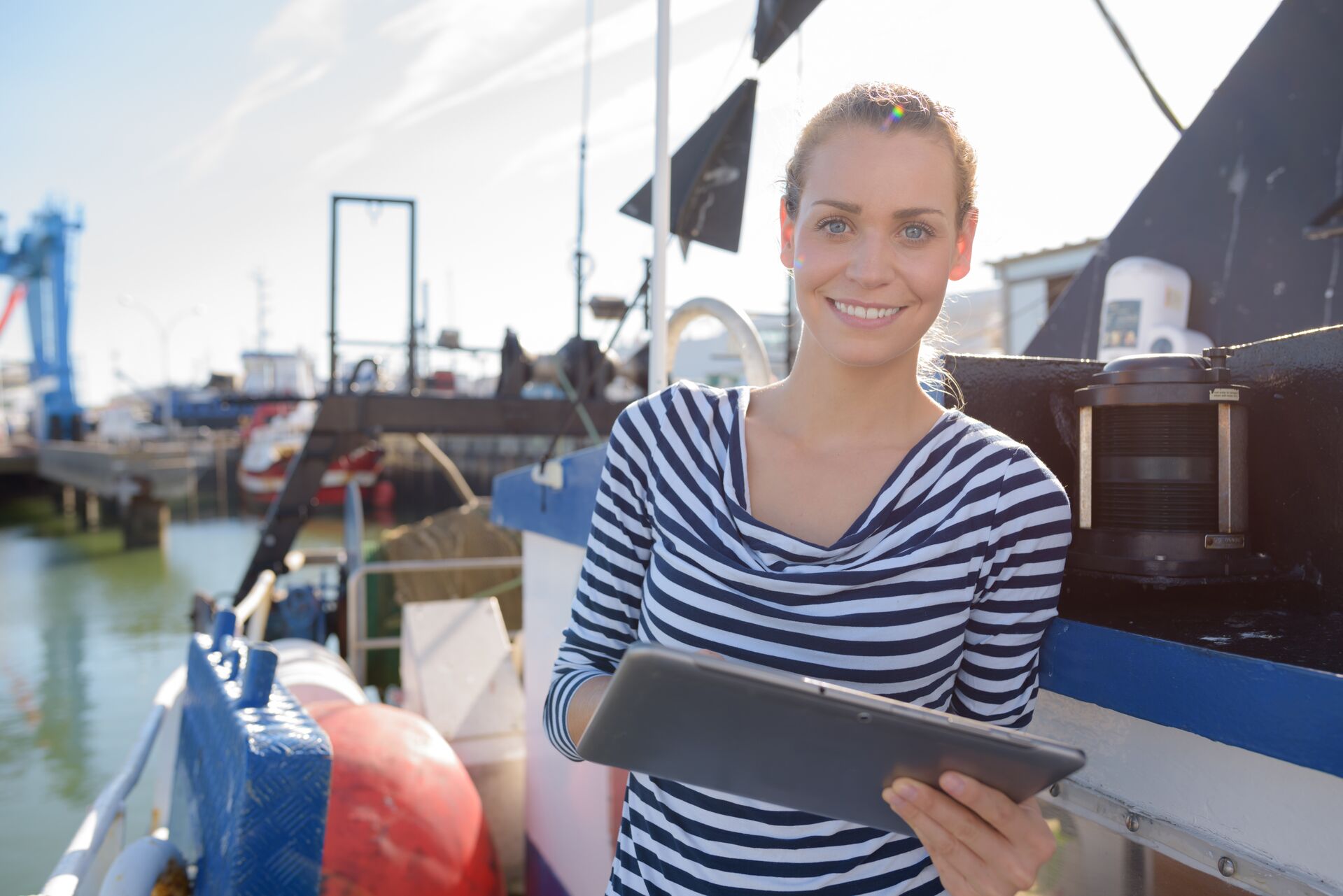
Give your float plan to a responsible person who will be staying ashore, such as a family member, friend, or marina operator. When you're asking yourself, "What should a boater do with a float plan?" remember that it won't help you if it doesn't reach the right person—someone who will notice if you don't return as planned.
Leave the plan with someone who knows how to contact the authorities, such as the Coast Guard or local law enforcement. Float plans only work if they're in the hands of people who will take them seriously and take action if you don't return on time.
What Should You Include in a Float Plan?
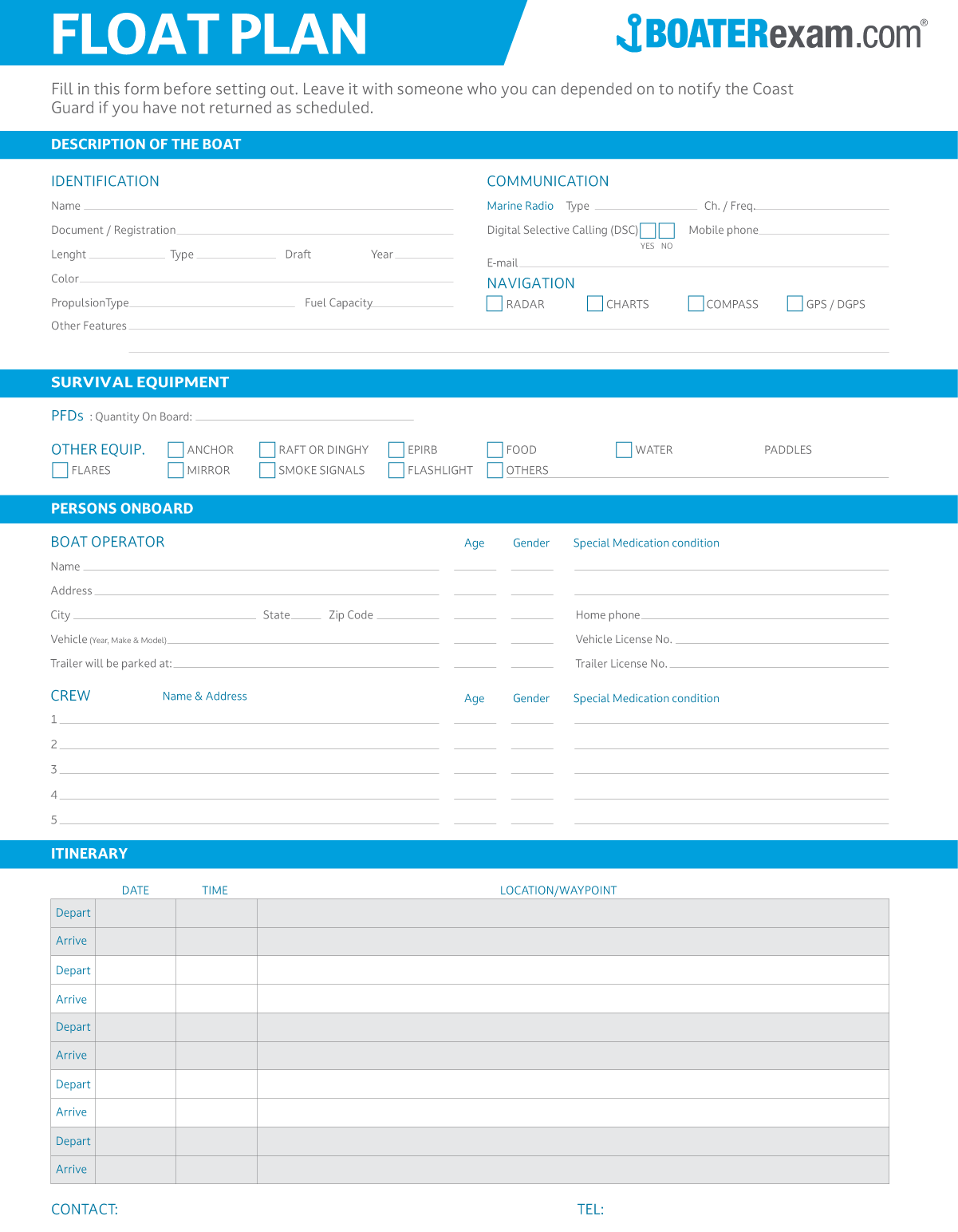
Before deciding what to do with your float plan and whom to give it to, it's also critical to answer the question, "What should a float plan contain?" That's where a boating float plan example can be helpful, because it provides you with vital information you can use as a guide.
Consider adding details that will help searchers locate you, such as a trip overview and departure and return times. Include passenger information (such as their names, ages, and medical conditions, if relevant), as well as boat details (for example, the make, size, color, and registration details of your boat, as well as an inventory of the safety equipment onboard).
Key Elements Included in a Float Plan
At a minimum, your float plan should contain:
- Route/Itinerary: where you're going, expected stops, and your anticipated return time
- Passenger List: names and contact information for everyone aboard
- Boat Information: vessel description, registration details, and identifying features
- Emergency Contacts: people for authorities to call if you're overdue
- Communication Equipment: such as a VHF or marine radio, satellite phone, or EPIRB
By providing this level of information, it will be easier for your onshore contact to determine when they should be concerned about your safety and whom to contact. They'll also be able to provide essential details about the number of people onboard your vessel, whether any of them have medical issues, and the methods you're using to communicate your location and other information for rescue efforts.
Plan for Safety With a Boater Education Course
While the "plan" is always to stay safe and have a fun day on the water, things can go wrong unexpectedly. We hope these insights into how to file a float plan are helpful! It's always smart to leave your plan for the day with someone on shore, just in case you need help.
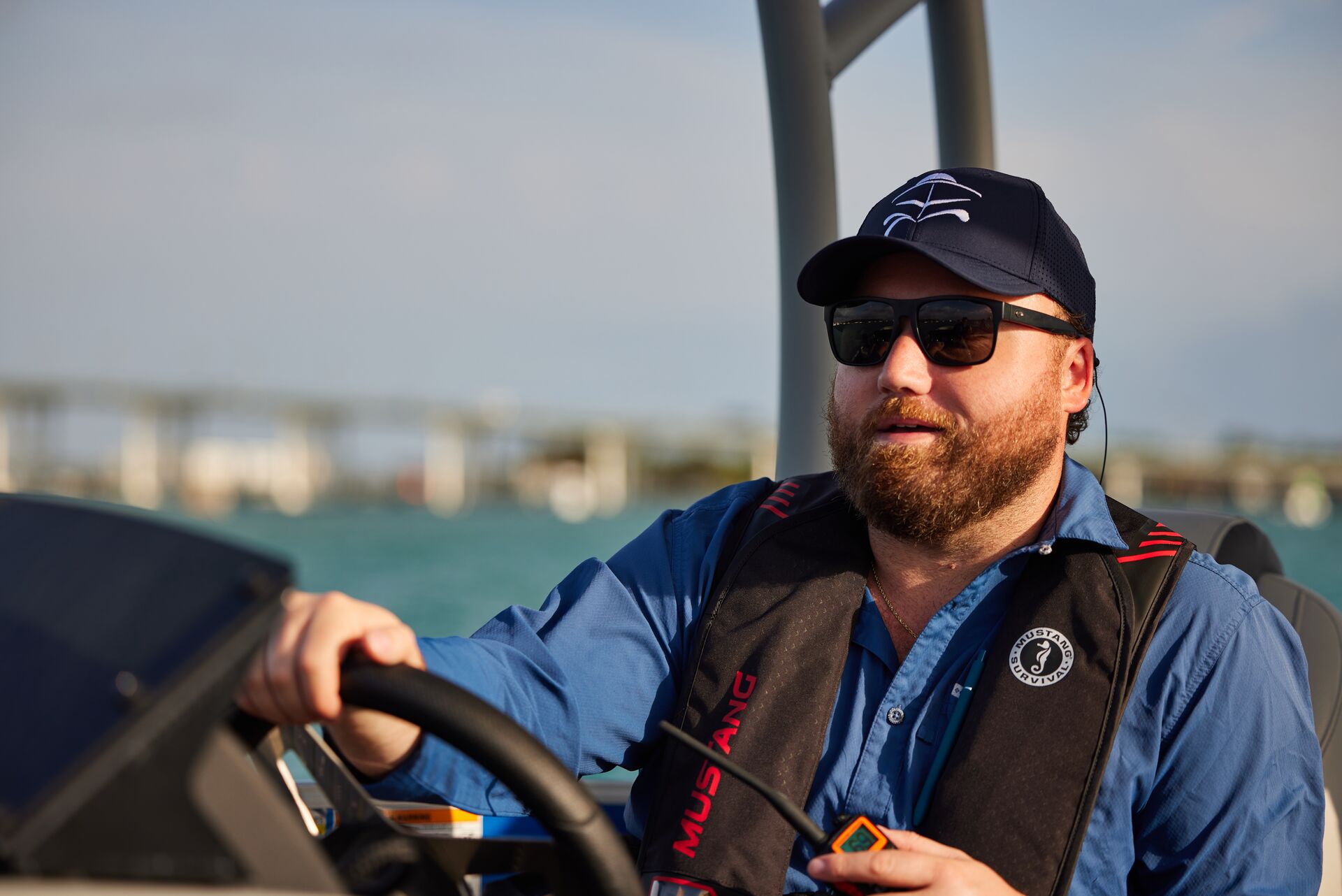
Before you head out on the water, make sure you've also taken a boater education course. Not only do most states and Transport Canada require it before operating a motorized vessel, but you'll also gain vital information about navigation, etiquette, emergency procedures, and more, so you can travel the waterways with more confidence.
BOATERexam makes it easy to learn and meet the requirements for your area!
In the U.S., take the boater safety course for your state.
In Canada, take our Transport Canada-approved boater education course.
Frequently Asked Questions (FAQs)
We have answers to your questions about float plans!
Q: What is the purpose of a float plan?
A: A float plan lets someone know your boating trip details so they can alert authorities if you don’t return as scheduled.
Q: Who should you give a float plan to?
A: Give it to a trusted person who will stay on shore, such as a friend, family member, or marina staff.
Q: What should you include in a float plan?
A: Float plans should include your boat details, crew and passenger info, trip route, departure and return times, and emergency contacts.
Q: Is a float plan a pre-departure checklist?
A: No, it’s not a checklist for your boat. It's a safety document outlining your trip details.
Q: Should a float plan include weather info?
A: Yes. Noting expected weather conditions helps rescuers understand your trip’s context and possible risks.
Before hitting the water, get your safety certification!
In the U.S., take the boater safety course for your state.
In Canada, take our Transport Canada-approved boater education course.