Do Americans Need a Boating Licence in Canada? (Visiting Boater Rules)
If you're an American visiting Canada and want to explore the country's waterways, you don't necessarily need a Canadian boating licence. However, you will need to show proof of competency and carry it with you on board at all times. If you have a boat that's US-registered, you can use your NASBLA-approved boater card or state boating education certificate to boat legally for 44 days.
After 45 days on Canada's waters, or if you're using a boat that's licenced or registered in Canada as a non-resident, you'll need Canadian proof of competency or equivalent from your home location. If you're a non-resident, you'll also need to carry a passport or other proof of residency.
So, do Americans need a boating licence in Canada? Here's what to know if you're a visiting boater.
Do Americans Need a Boating Licence in Canada?
You don't necessarily need a Canadian boating licence, but you do still need to show proof of competency. That's because Canada's Competency of Operators of Pleasure Craft Regulations apply if you're operating a motorized pleasure craft.
That's true for both residents and visitors, and the rules cover all motor sizes and types, including electric trolling motors. The only place this requirement doesn't apply is in Nunavut and the Northwest Territories.
Can You Use a US State Boating Licence in Canada?
If you're a non-resident and you're operating your own foreign-registered vessel, you can use a boater education card or other proof of competency from your home state or country.
To do this legally, your card, certificate, or licence needs to be approved by the National Association of State Boating Law Administrators (NASBLA). And you'll be able to operate your boat on Canadian waters for up to 44 consecutive days.
Be sure to carry your passport or other proof-of-residency ID on your vessel, along with your proof of competency. If you're visiting for 45 days or longer, or if you're using a boat that's registered or licenced in Canada, you'll need a Canadian PCOC or the equivalent.
US Boating License in Canada: Use Cases | ||
| Scenario | Duration | Proof of Competency Required |
| Visiting in a US-registered boat | Under 45 consecutive days | US state boater card (NASBLA-approved) or home-country equivalent, plus proof of residency |
| Visiting in a US-registered boat | 45 consecutive days or more | Canadian PCOC or Canadianrecognized proof of competency, plus proof of residency |
| Operating a boat licensed or registered in Canada (owned, rented, or chartered) | Any duration | Canadian PCOC or Canadianrecognized proof of competency |
| Renting a power-driven boat in Canada | Duration of rental | Completed Rental Boat Safety Checklist |
It's essential to have proof of competency anytime you're operating your vessel to avoid fines and other penalties.
What Is a Boat Licence Called in Canada?
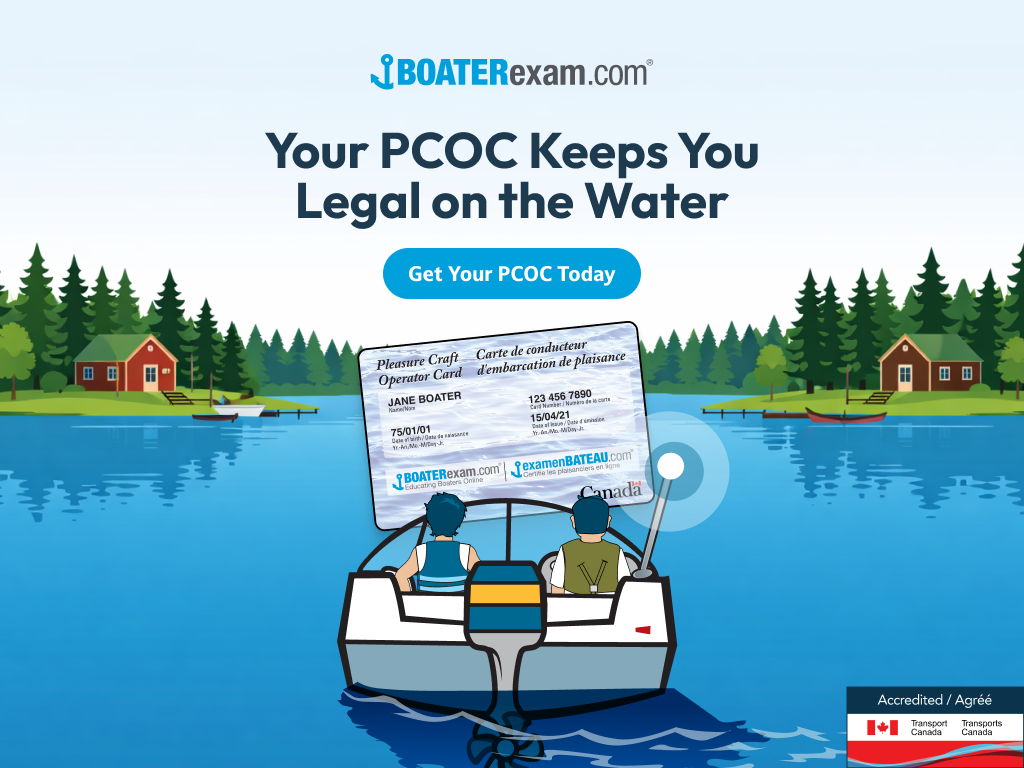
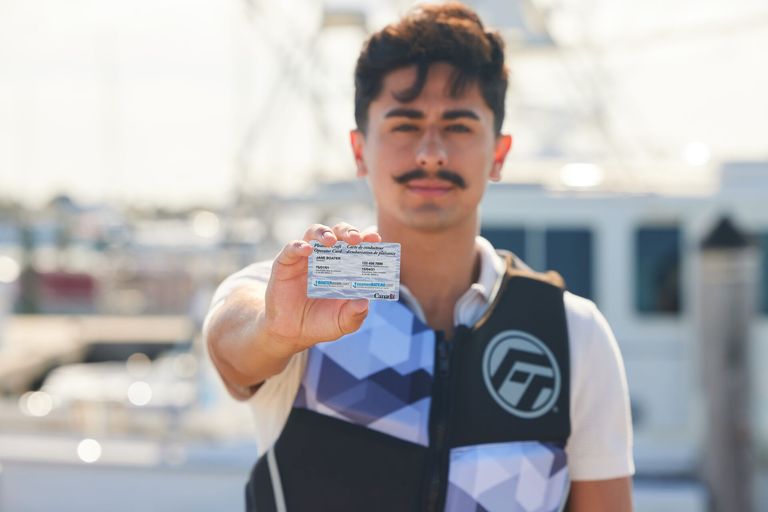
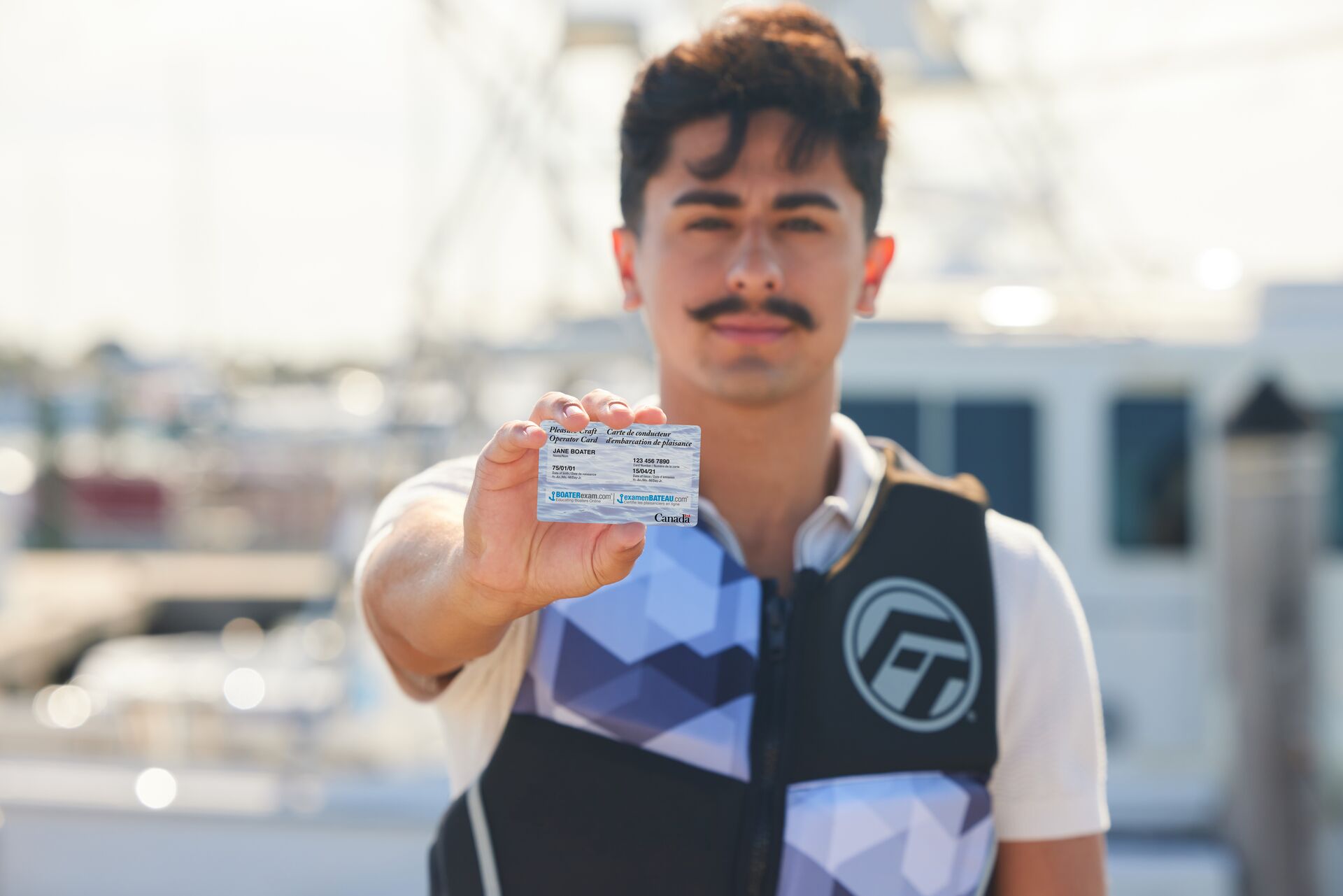
The official Canadian boating licence is called the Pleasure Craft Operator Card (PCOC). It's not tied to a province or vessel, but is a federal credential issued when you complete a Transport Canada-accredited boating safety course and its exam. The PCOC is valid for life, and you'll never need to renew it.
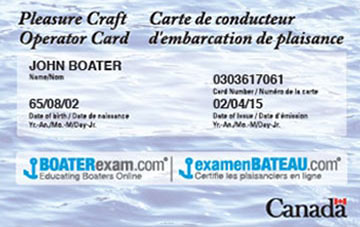
It's essential to note that the PCOC is about operator competency, like a driver's licence, and is distinct from the Pleasure Craft Licence (PCL), which is the vessel's registration for boats licenced in Canada. If you're an American who's bringing your own US-registered boat, you won't need a PCL.
Do You Need a PCOC as a Tourist or Short-Term Visitor?
If you're staying fewer than 45 consecutive days and have a boat registered in the US, you don't need to get a PCOC.
However, you'll still need proof of residency and competency on board at all times when you're out on the water.
If you don't have proof of competency because your state doesn't require a boating safety card, you can check the current guidance from Transport Canada to see what alternative proof will be accepted and understand your rights and obligations.
If you're planning a trip and wondering, "Do Americans need a boating licence in Canada?" you're not alone. It's essential to have proper documentation. To protect that documentation on your adventures, keep any proof of residency and competency in a waterproof holder when boating.
What Happens If You Stay in Canada Longer Than 44 Days?
As a non-resident, if you're planning to be in Canada for over 45 consecutive days, you'll need Canadian proof of competency.
Your two options are the Canadian PCOC or another proof of competency recognized by Canada. That's essential for seasonal boaters, snowbirds, and anyone else who's planning to cruise the country's waterways for an extended time.
Getting a PCOC is generally the most straightforward way to stay compliant if you're staying for an extended time. The course only takes a few hours, and the cost of the boating licence is low, making it convenient to get one and use it anytime you visit.
Bringing Your Own Boat Into Canadian Waters: What US Boaters Need to Know
When you come into Canada by water, you need to report to the Canada Border Services Agency (CBSA) right away. You can generally do that by phone, and there are designated marine reporting sites to make it easier. These reporting requirements are separate from proof-of-competency requirements, and both apply.
If you're bringing a boat for leisure use and not importing it permanently, you can stay for a period you declare, generally up to 12 months, before taxes and duty apply. You can also leave your boat in Canada between planned trips if you're planning a series of visits throughout the season, provided you've told the CBSA of your plans and anticipated departure date when you first arrive.
It's essential to remember that this only covers temporary visits. If you're planning to permanently import or register a US boat, that's a separate process that includes tax, duty, and provincial requirements.
How to Report Your Boat When Entering Canadian Waters
Reporting your boat when you get into Canada can be done quickly and efficiently. Here's what to do to stay compliant on your boating excursion.
- Go to a designated marine reporting site when you arrive in Canada.
- Call the CBSA Telephone Reporting Centre and report your arrival.
- Give them your planned departure date if you're making repeat visits throughout the season.
- Keep proof of citizenship or residency and your vessel registration on board.
- Always carry your NASBLA-approved boater card or Canadian PCOC on the water (which one you need depends on how long you'll be in Canadian waters).
- Report to the CBSA again if you have to leave and re-enter Canadian waters with any interruption.
When in doubt, contact the CBSA and report any changes to your plans. It's generally always better to err on the side of caution, especially when there could be fines or other penalties involved.
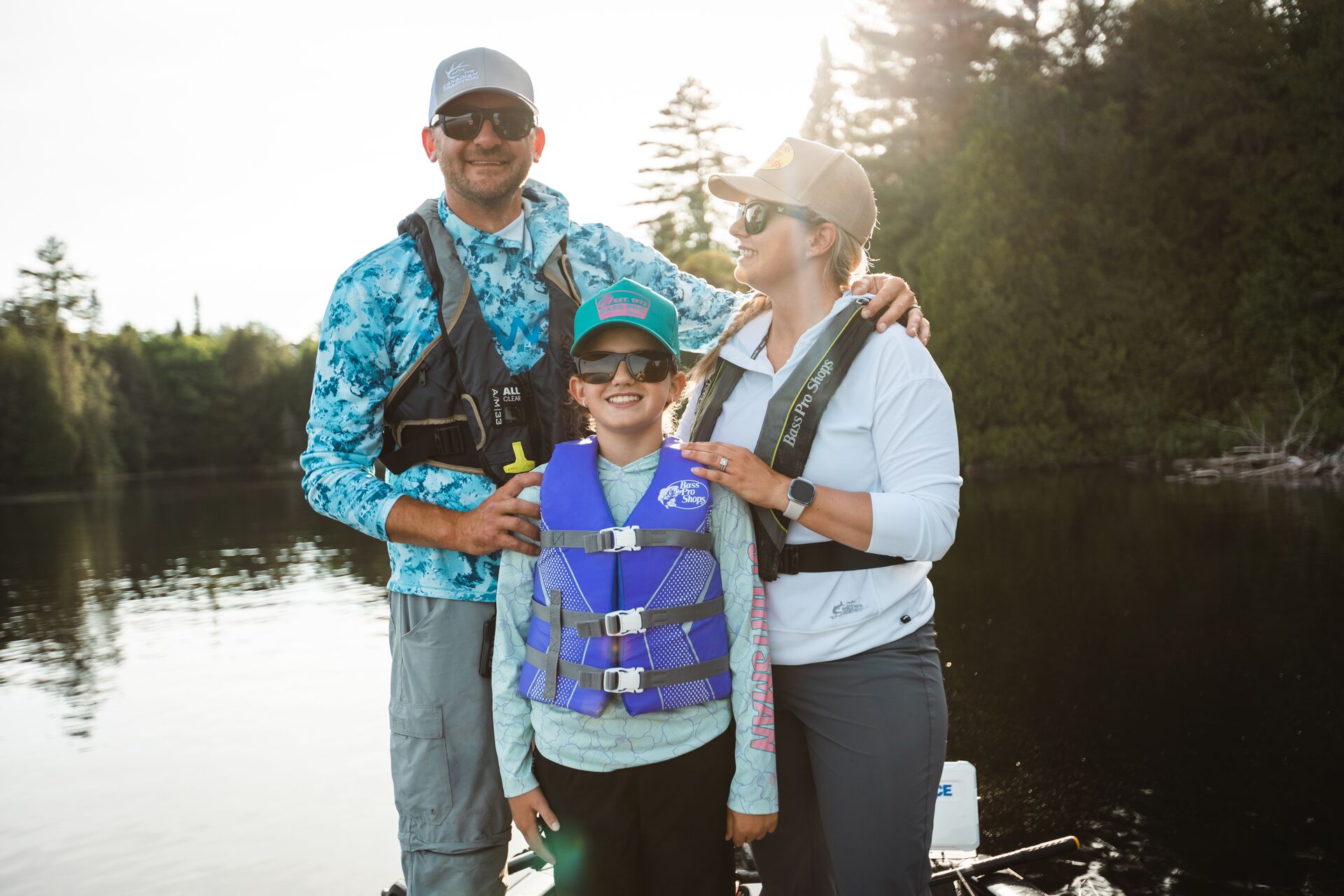
Tips for US Boaters Visiting Canadian Waters
Enjoying Canada's waterways can be an amazing experience, and following a few tips can make your boating vacation even better.
- Always carry your proof of residency (such as a passport) on board all the time, as this requirement is separate from the boater card.
- Find out if your home state's boater card is NASBLA-approved before heading to Canada.
- Take a look at Canada's navigation rules and required safety equipment, because they may be different from your home location.
- If you will be in Canada longer than 44 days, consider getting a PCOC before you travel to avoid being out of compliance partway through your trip.
- Make sure to keep any documentation for your boat, such as your registration and insurance card, accessible for CBSA reporting.
Spending time on the water can be relaxing or exhilarating, especially when you're exploring new places. With the right preparation, you'll reduce any legal risks and can feel confident that you're ready for exploration.
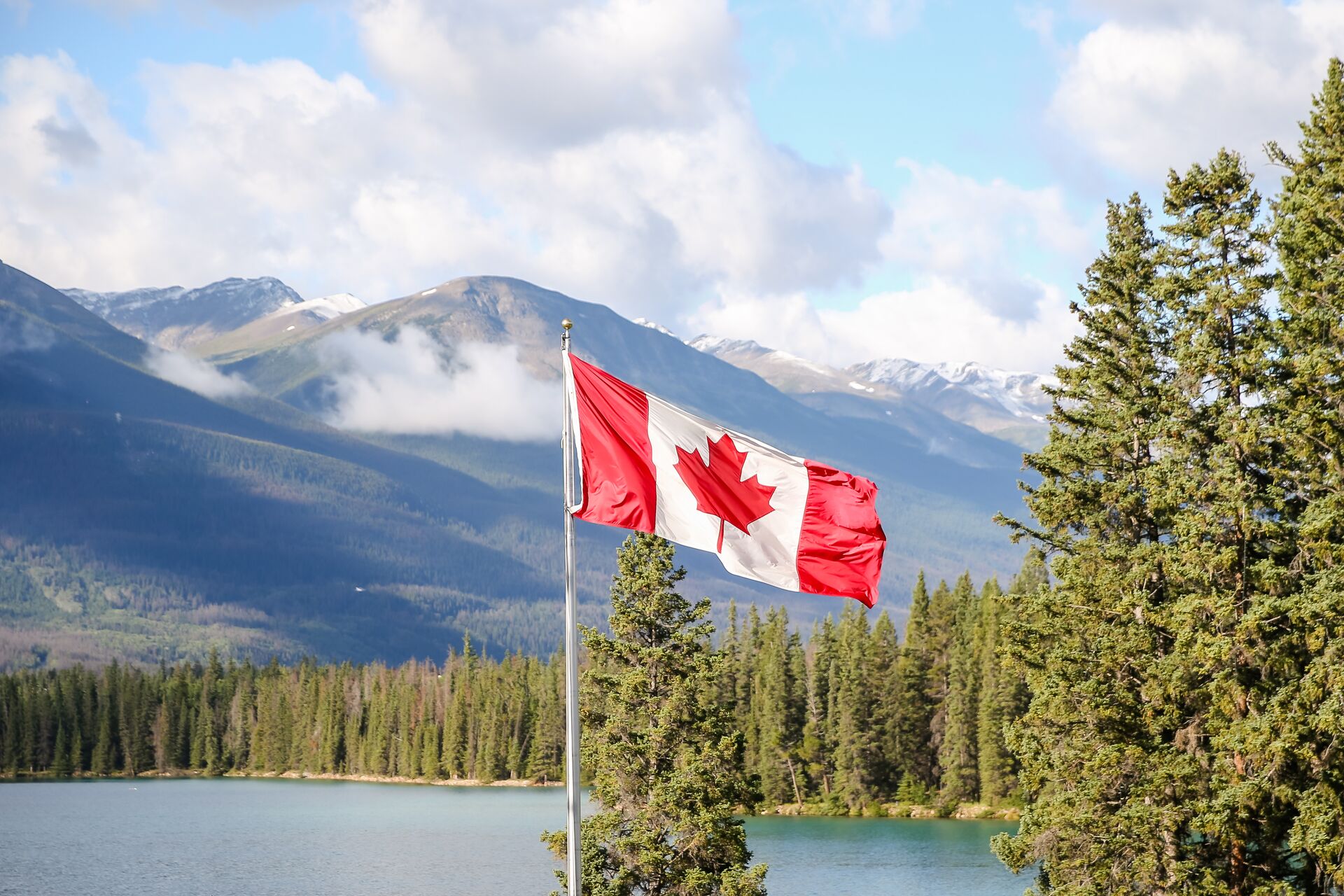
Ready to Boat in Canada? Make Sure You Know the Rules
You generally don't need a Canadian PCOC for a short visit in a US-registered boat. But you'll still need to provide an accepted proof of competency.
If you're staying in Canada longer than 45 days, you'll need a Canadian boating licence. And if you're bringing your boat, you'll want to report to the CBSA, as these are two separate requirements.
Getting a PCOC can be highly valuable for an extended stay or increased peace of mind. You can take your US or Canadian boating safety course through us at BOATERexam.

Get Your PCOC to Boat Safely in Canada
There's no official licence needed to rent a boat in Canada, as the rental checklist is used for proof of competency. However, that checklist is rental-specific and temporary.
If you're looking for a lasting credential that's valid for life, taking the boating safety course for Canadian waters and getting your PCOC is the way to go, so you're ready for every boating adventure.
Frequently Asked Questions (FAQs)
Q: Can I use a US boating licence in Canada?
A: Yes, in many cases. If you're a US resident operating your own US-registered boat in Canada for fewer than 45 consecutive days, you can use an operator card or other proof of competency that meets your home state's requirements. You should also carry proof of residency, such as a passport, on board.
Q: Can I bring my US boat to Canada?
A: Yes. You can bring a US-registered boat into Canada for recreational use, but you must report your arrival to the Canada Border Services Agency (CBSA). You'll also need to follow Canadian boating requirements, including carrying acceptable proof of competency when required. Temporary visits are different from permanently importing or registering a boat in Canada.
Q: Do I need a PCOC as a tourist?
A: Not necessarily. If you're a non-resident operating your own foreign-registered boat in Canada for fewer than 45 consecutive days, you don't need a Canadian PCOC. You can use an operator card or equivalent proof of competency that meets your home state's or country's requirements. You'll also need proof of residency on board.
Q: Do I need a licence to drive a boat in Canada?
A: If you're operating a motorized pleasure craft, you need proof of competency. The most common form is the Pleasure Craft Operator Card (PCOC), but other documents may also qualify, including certain operator cards from another country for visitors.
Q: How long does it take to get a boating licence in Canada?
A: The PCOC process can generally be completed in a few hours, depending on the course and how quickly you work through the material. You need to complete an accredited boating safety course and pass the test to obtain a PCOC. The card is valid for life.
Q: What is a boat licence called in Canada?
A: The operator credential is called a Pleasure Craft Operator Card (PCOC). It serves as proof of competency for operating a motorized pleasure craft. It's different from a Pleasure Craft Licence (PCL), which relates to the vessel rather than the person operating it.