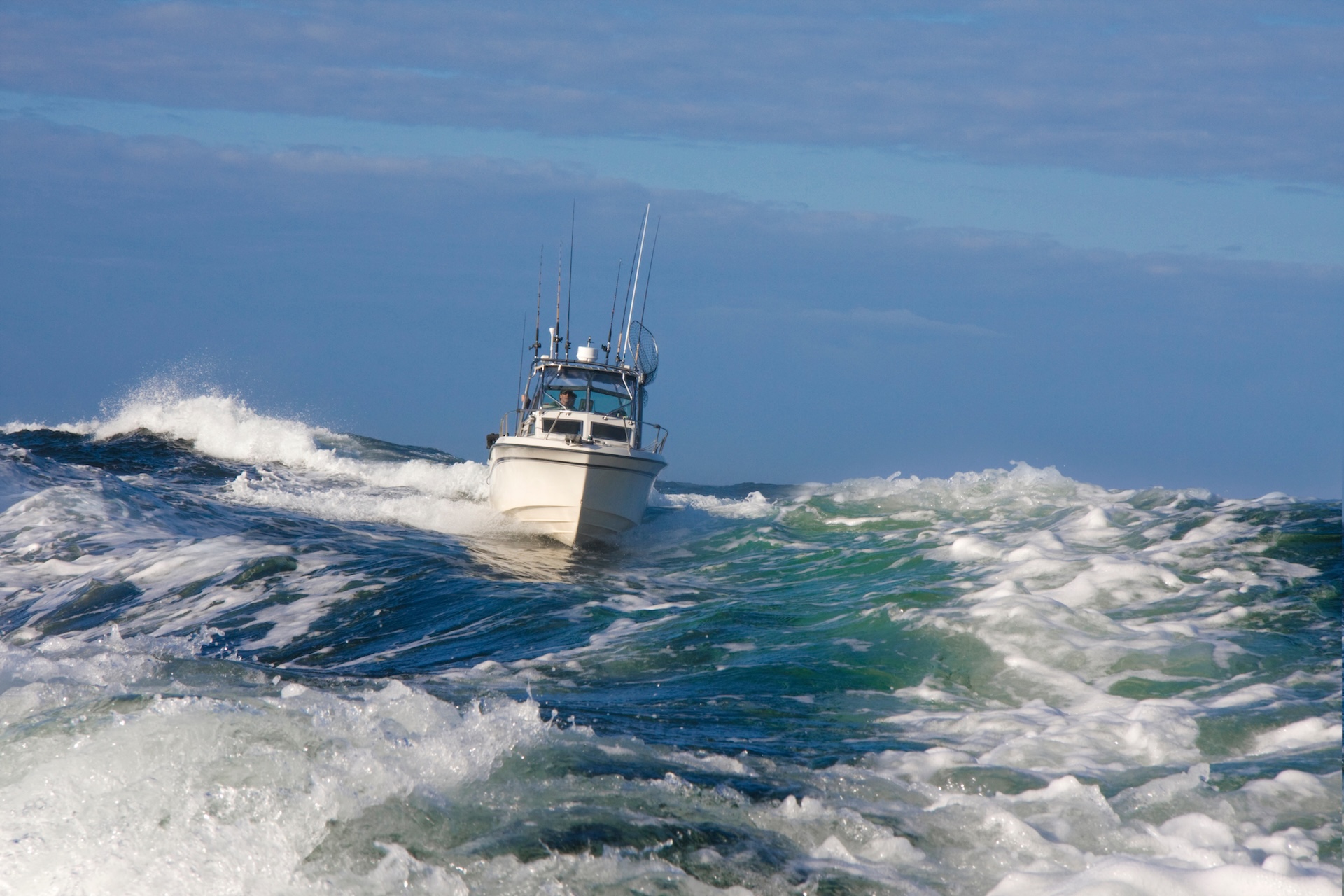
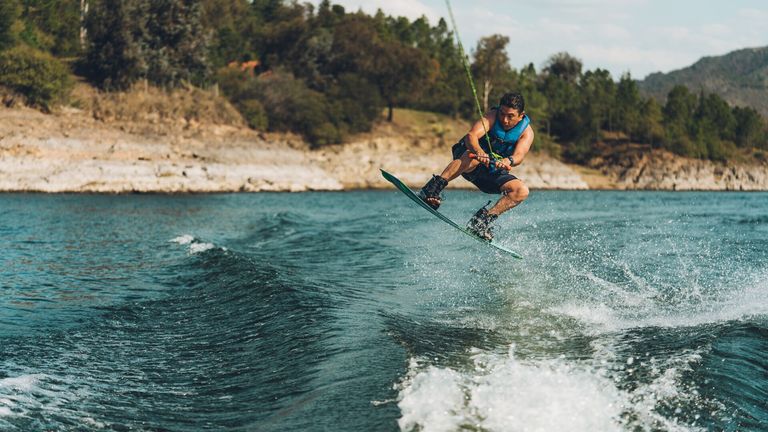
Spotting and avoiding choppy water requires reading surface reflections, wind patterns, and bottom contours. Watch for sudden color changes indicating shallow sandbars, surface ripples caused by opposing currents or wind, and areas of high boat traffic that generate chaotic wakes.
Have you ever noticed that there's always that one spot on the lake where the ride gets rough? Maybe it's the stretch between two islands, the mouth of a river, or the entrance to a busy marina. One minute you're enjoying a smooth ride, and the next your passengers are hanging onto the grab rails wondering what happened.
Here's the interesting part: it probably wasn't bad luck. Rough water isn't random. It forms in predictable places, and once you know what causes it, you can often spot trouble before you ever leave the dock.
The good news? A little planning goes a long way to help you avoid an accident and reach your destination safely. In this article from our friends at Wavve Boating, we'll look at where rough water tends to develop, how to recognize changing conditions, what to do if you find yourself in choppy water, and when the smartest decision is simply to wait for a better day.
Rough Water Has Favorite Places
For new boaters, rough water can be intimidating. Choppy, unpredictable waves make your boat harder to control, reduce visibility, and can quickly turn a relaxing day into a stressful one. In fact, rough water can contribute to many recreational boating accidents because it catches people off guard.
Ask someone who's been boating on the same lake for years where the water gets rough, and they'll probably answer without hesitation.
"Watch the crossing to the island after lunch."
"The river mouth gets ugly on an outgoing tide."
"Slow down before you get to the channel."
These aren't just local legends. They're observations based on how wind, water, and geography work together.
Shallow water forces waves upward, creating short, steep chop. Narrow channels and inlets speed up currents, while river mouths often combine opposing currents and tides into confused wave patterns. Around points of land, wind accelerates as it wraps around shorelines. On open lakes, a long stretch of wind, called fetch, allows waves to build.
Even heavy boat traffic can make otherwise calm water surprisingly rough.
Don't Just Check the Weather. Check the Water.
One of the best habits you can develop as a boater is checking conditions before every trip, even if the forecast looks perfect.
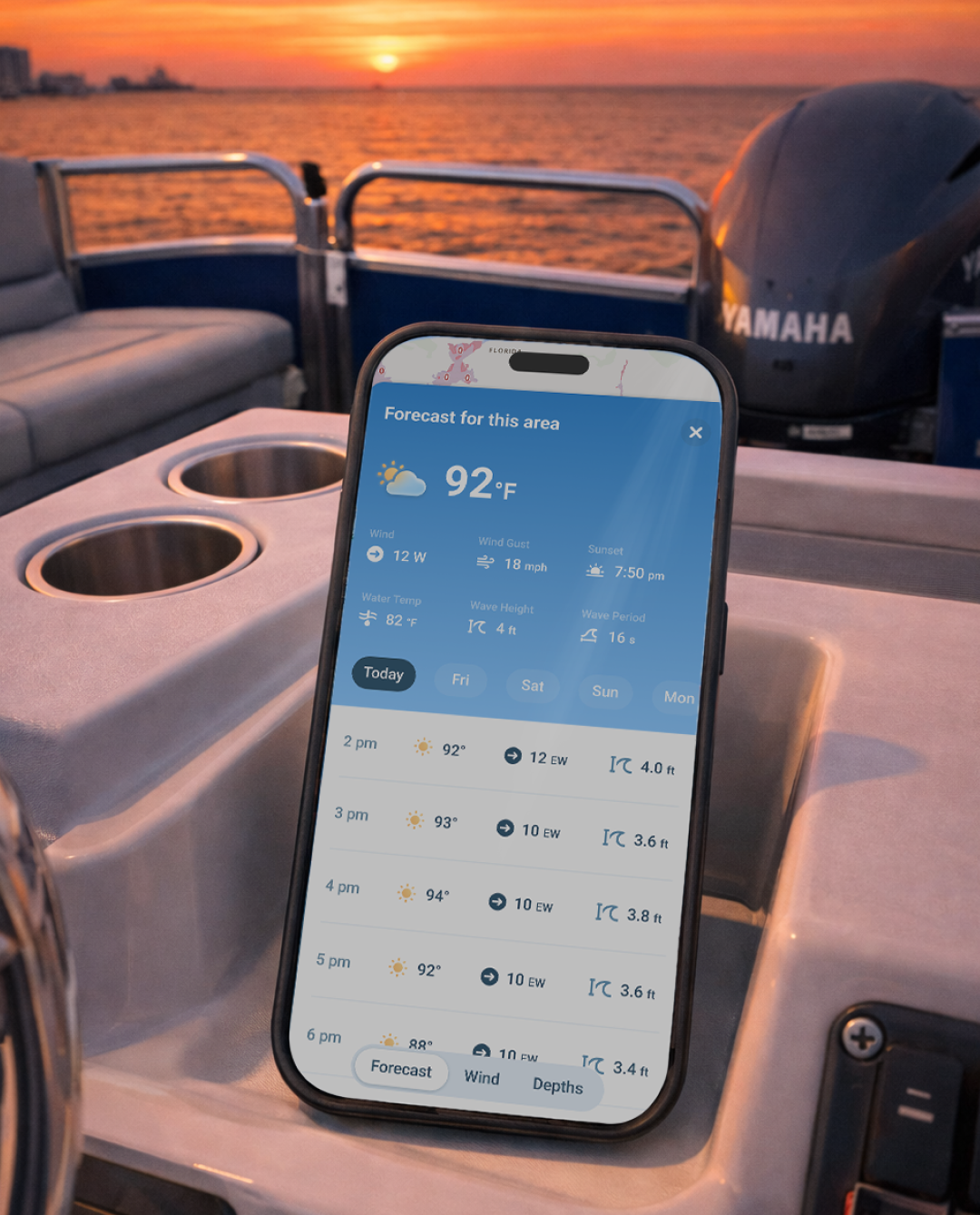
A general weather app might tell you it's sunny with a light breeze. Amarine forecast tells you what really matters once you're on the water.
Before heading out, check five things:
Wind speed (sustained and gust)
Wind direction
Wave height
Wave period
Water levels and marine advisories
These details tell a much more complete story than air temperature or the chance of rain.
Wave Height Isn't the Whole Story
Here's something that surprises many new boaters: a three-foot wave isn't always a three-foot wave.
A three-foot wave every 12 seconds is a comfortable ride. The same three-foot wave every four seconds creates relentless chop.
That's why wave period, or frequency, matters just as much as wave height.
Check Water Levels on Rivers
If you're boating on rivers or reservoirs, recent rainfall can dramatically change conditions.
Higher water levels increase current speed and can create standing waves and stronger turbulence in narrow sections of the river. Checking local river gauges or water level information before launching can help you avoid unpleasant surprises later in the day.
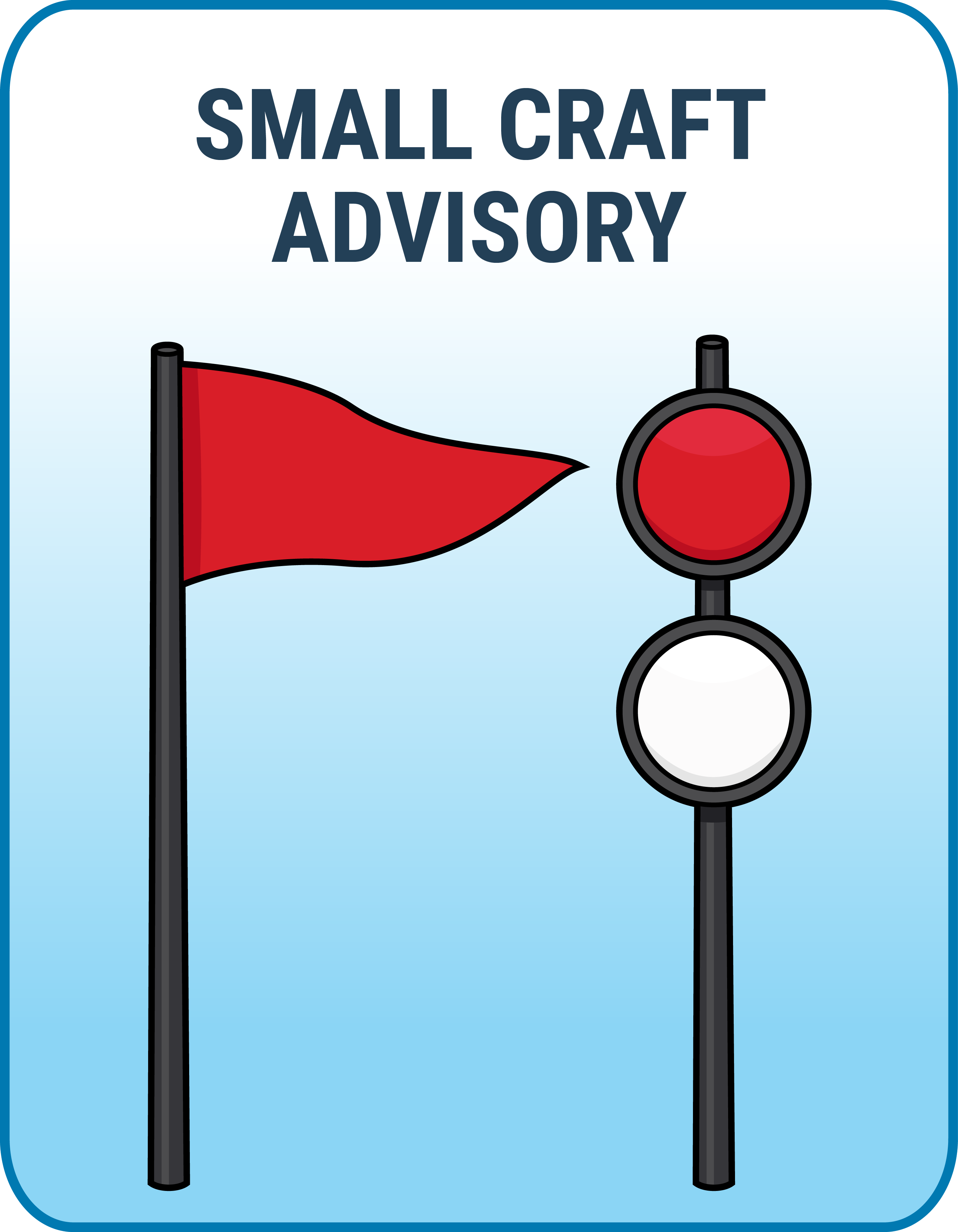
These advisories are typically issued when winds reach 20 to 33 knots (24 to 38 miles per hour) or sea conditions become hazardous for smaller boats.
It doesn't automatically mean you can't go boating, but it should make you stop and honestly ask whether the conditions match your experience level and your boat's capabilities.
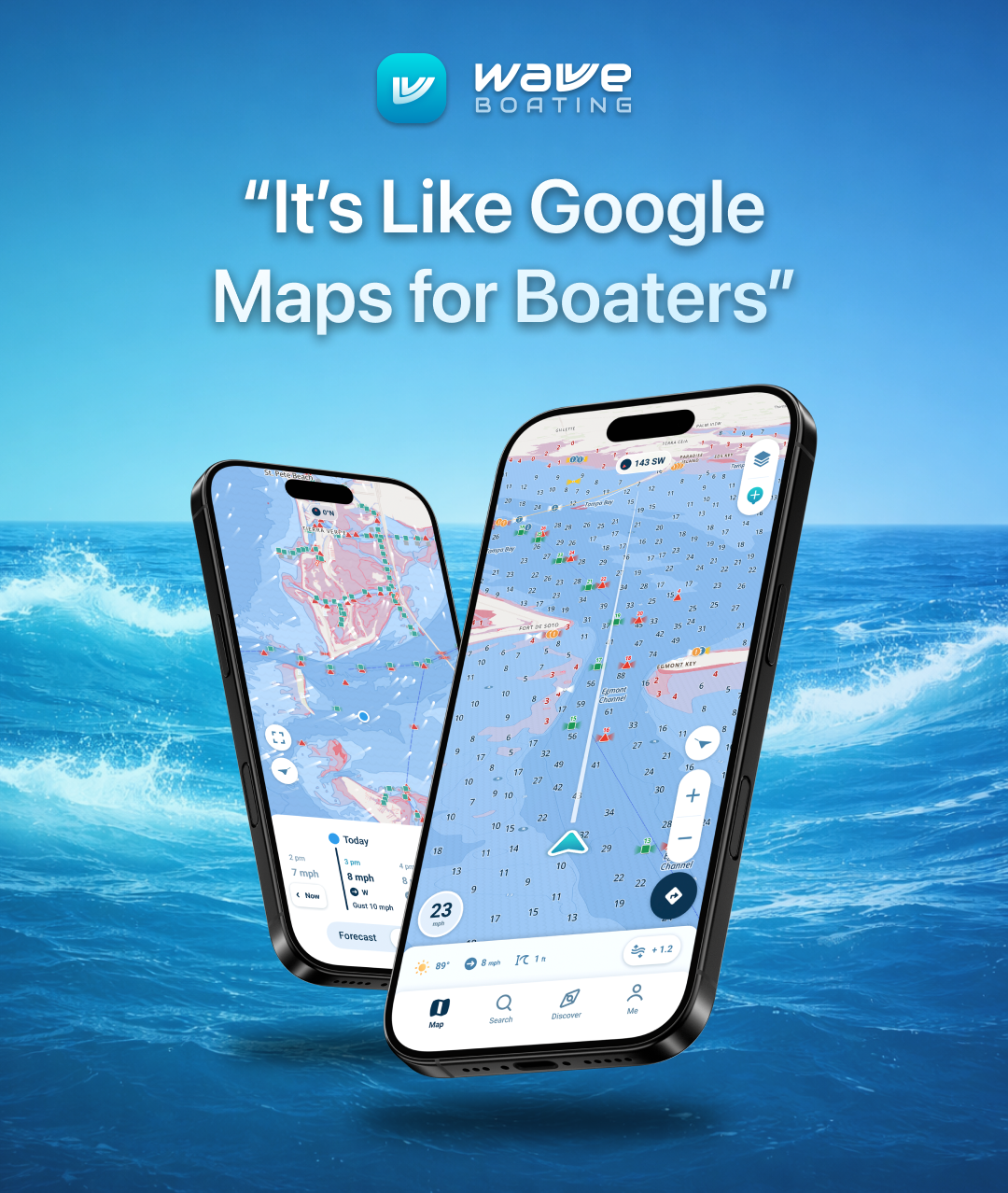
Many boaters use planning tools like Wavve Boating to check advisories, wave heights, wind direction, and water levels before leaving the dock.
The goal isn't to avoid every wave. It's to avoid being surprised by them.
Let the Water Tell You What's Coming
Whitecaps, crossing waves, lighter-colored water, increasing spray, and boats ahead pitching into the waves all tell the same story: conditions are changing. Just as important, pay attention to your own boat. If steering takes more effort or everyone onboard is suddenly grabbing the rails, it's time to slow down and reassess.
The water almost always gives you clues before it gives you problems.
How to Drive a Boat in Rough Water
No matter how carefully you plan, every boater eventually runs into rough water. The goal isn’t to power through it. It’s to let the boat work with the waves instead of against them.
Start by slowing down before the ride becomes uncomfortable. Pulling back the throttle early gives you more control, reduces the impact on the hull, and makes the ride easier on everyone onboard.
As you meet larger waves, take them at about a 45-degree angle rather than head-on, and keep the bow about one-third down the face of the wave so the boat rides over the waves instead of slamming into the next one.
If the waves are coming from behind, avoid simply speeding home. A following sea can push the stern forward and make the bow want to dig into the next wave, increasing the risk of losing control. Slow down before turning as well, especially if the waves are hitting the side of the boat.
Keep passengers seated with weight low and centered, secure loose gear, and have someone help watch for markers, debris, or other boats if spray or rain reduces visibility.
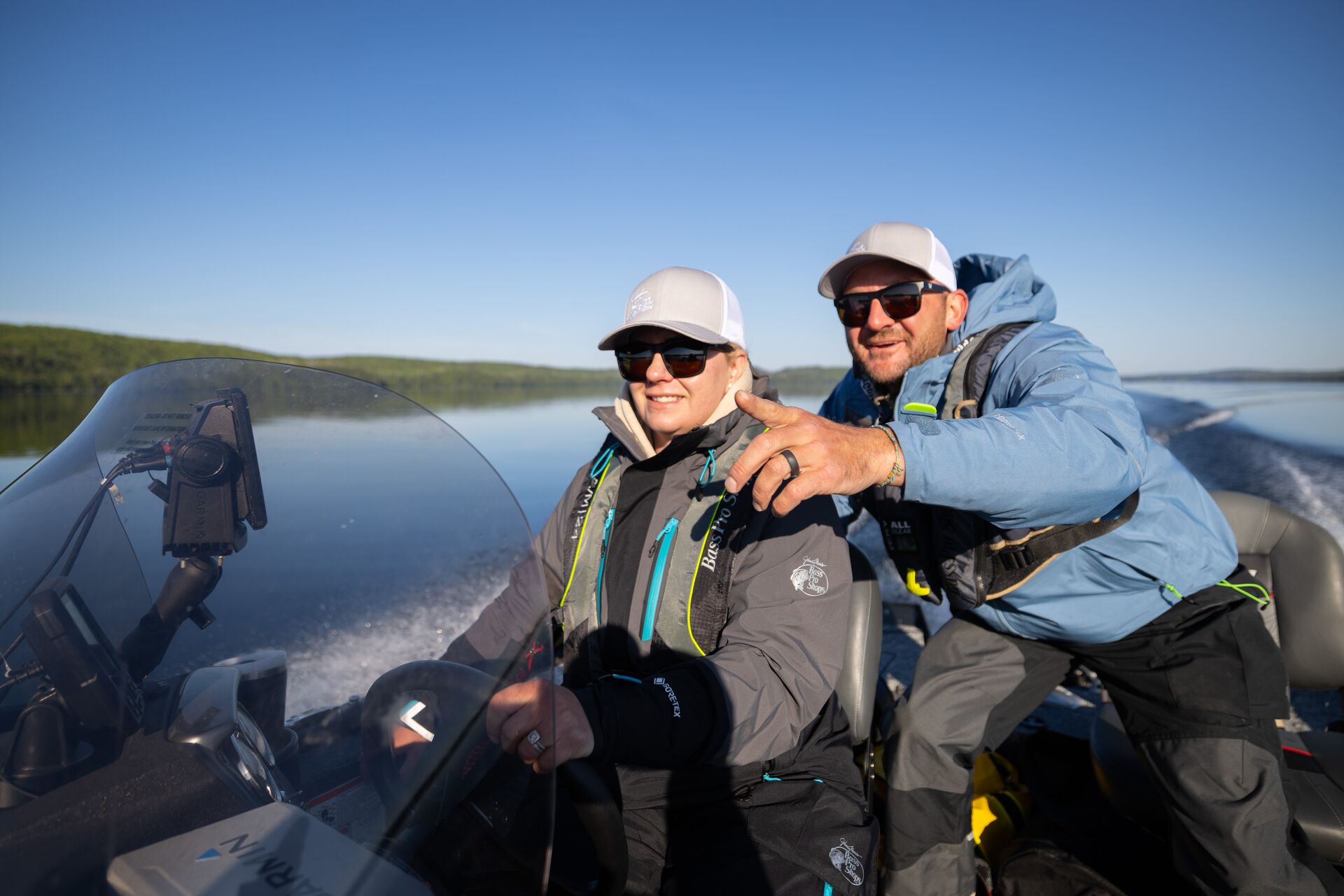
Most important, everyone should already be wearing a life jacket before conditions get rough, not after.
Plan Your Trip Before You Leave the Dock
Good planning isn't just about checking the forecast. It's about thinking through your trip and choosing the best route for the conditions. Tools like Wavve Boating bring together local weather, wave heights, wind direction, navigation, and real-time water levels so you can see what to expect before you launch.
A few minutes of planning can help you avoid rough water and make better go or no-go decisions.
Sometimes the Best Boating Decision . . . Is Waiting
Every experienced boater has canceled or cut short a trip because the conditions weren't right. That's not being overly cautious,it's good judgment.
If a Small Craft Advisory is in effect, it's often a sign that smaller recreational boats should stay at the dock or head in early.
If conditions begin changing while you're already on the water, monitor NOAA Weather Radio on your VHF radio and don't hesitate to head back early. The fish, the sandbar, and the sunset will all be there another day.
The Best Boaters Learn to Read the Water
The more time you spend on the water, the easier it becomes to recognize the places where rough water forms, the warning signs that conditions are changing, and when it's time to change your plans. The great thing about being a captain is that every trip teaches you something.
A boating safety course from BOATERexam gives you the knowledge to understand marine forecasts, weather advisories, and safe boating practices. Pair that with planning tools like Wavve Boating, and there’s no doubt you'll be boating with confidence.
You'll get a free year of Wavve Boating when you complete your boater safety course through BOATERexam!
Remember: The goal isn't to avoid every wave. It's to avoid being surprised by them.
Because the best boaters aren't the ones who never encounter rough water: they're the ones who saw it coming.
Frequently Asked Questions (FAQs)
Q: How do you drive a boat through choppy water?
A: Approach choppy water at a controlled speed and adjust your angle so the bow meets waves at roughly 30 to 45 degrees rather than head-on. Keep your weight distributed and stay alert to changing wave patterns, since chop can shift quickly with wind and boat traffic. Slow down before entering rougher sections rather than reacting after you're already in them.
Q: Is it better to go fast or slow in choppy water?
A: Slower speeds generally give you more control and a smoother ride in choppy conditions, since higher speeds increase the risk of the boat pounding or becoming airborne over waves. That said, going too slow can sometimes make the boat wallow and roll uncomfortably in the trough of waves. The right speed is usually a moderate one that lets the hull settle into a steady rhythm with the swells.
Q: Do trim tabs help in rough water?
A: Yes, trim tabs can help by adjusting the boat's running angle to reduce pounding and improve ride comfort in rough water. Lowering the tabs slightly can help keep the bow down, which improves control and visibility in choppy conditions. However, trim tabs work best as one part of an overall approach that also includes proper speed and wave angle.
Q: How do you trim a boat in rough water?
A: Trimming a boat in rough water typically means adjusting the outboard or trim tabs to keep the bow slightly lower, which helps the hull cut through waves more smoothly. Avoid over-trimming, since a bow that's too high can cause the boat to slam down hard after cresting a wave. Small adjustments and frequent reassessment as conditions change work better than one fixed setting.
Q: What wind speed makes a lake choppy?
A: Lakes often start developing noticeable chop when sustained winds reach around 10 to 15 miles per hour, though the exact point varies with lake size, depth, and shoreline shape. Larger lakes tend to build rougher chop at lower wind speeds than smaller, more sheltered ones. Boaters should watch wind forecasts and on-the-water conditions rather than relying on a single wind speed threshold.