A Guide to Safe Jet Ski Launching Tips and Tricks
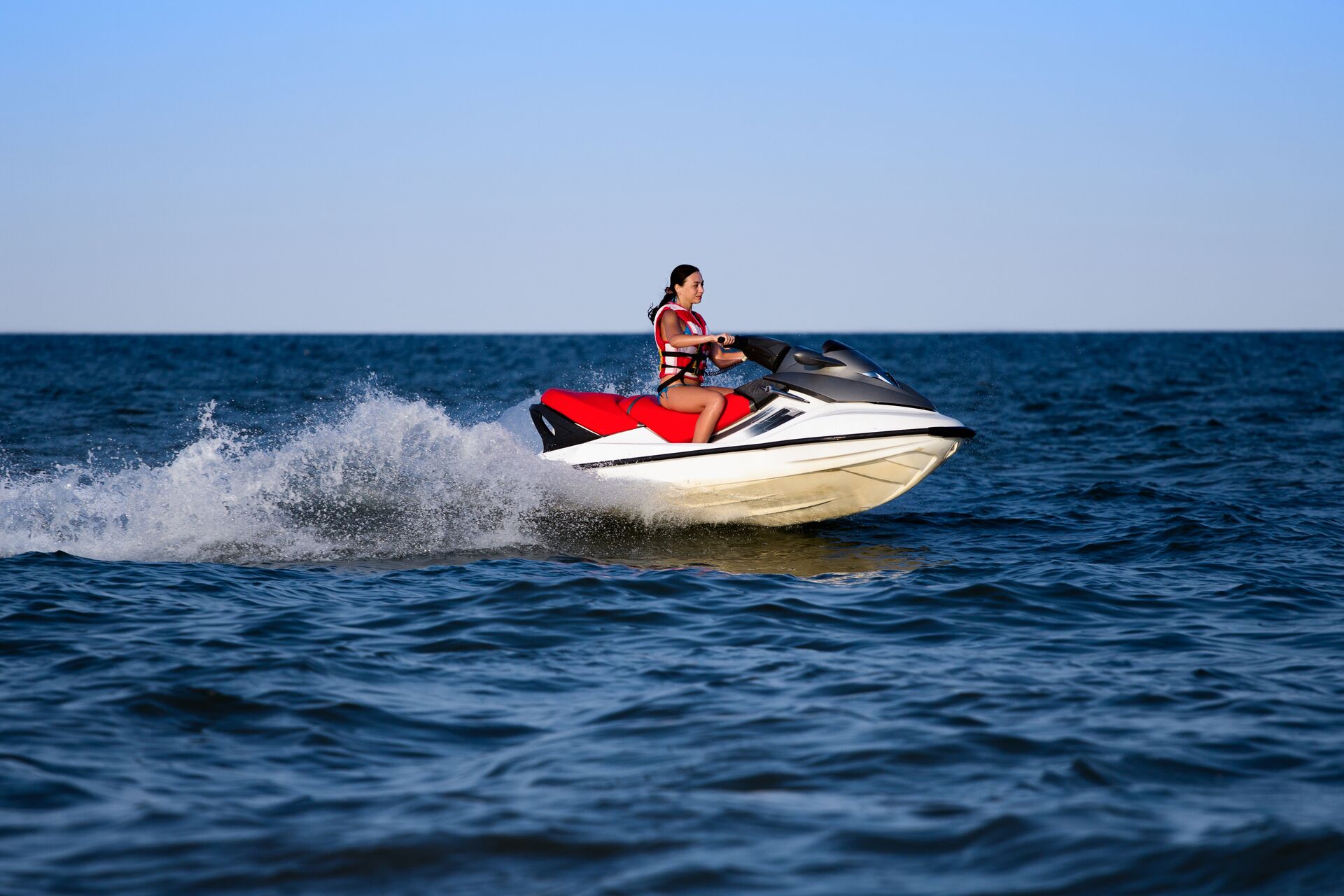
Whether you've recently become interested in personal watercraft (PWC) like jet skis or you've been thinking of trying one for a while, riding one can be the start of a lot of fun on the water. There's a learning curve, though, because jet ski launching and riding can take some practice.
To stay safe (and have fun), you'll need to understand how to handle launches, along with PWC turns and stops, before heading out on the water.
Along with wearing a life jacket and taking standard safety precautions, practicing launching your jet ski can be a great way to have more confidence on the water. Here's what you'll need to know for a safe trip out on your personal watercraft.
Jet Skis Are Fun (and Dangerous If You're Not Careful)
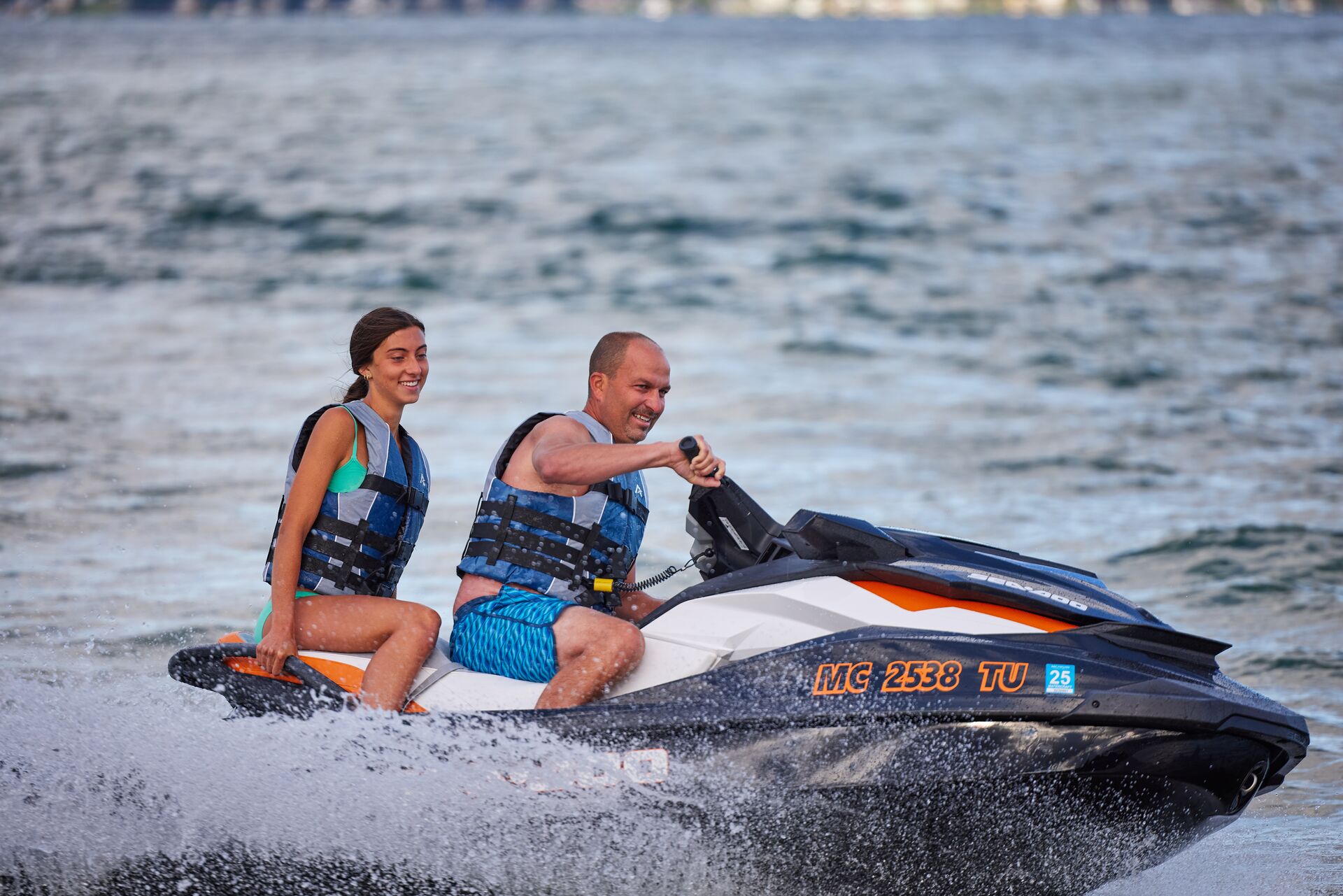
Jet skis come with plenty of speed, freedom, and adrenaline. They're similar to riding a motorcycle, except you'll enjoy them on the water instead of the roadways.
That means these machines demand both responsibility and respect.
Personal watercraft accidents rank among the most common incidents in recreational boating, and many of these accidents happen at launch or when beaching. One of the most frequently noted reasons for this is improperly starting the PWC in shallow water, which can damage the impeller or spray debris onto the rider.
Other reasons for jet ski accidents at launch and beaches include inexperience at busy locations and collisions due to loss of control during approaches. Experience helps reduce risk, but until you gain more experience, you can keep your risk as low as possible by learning to launch safely and carefully.
Why Learning to Launch a Jet Ski Safely Matters
You don't want to get stuck waiting for help, damage your machine, or be "that person" who blocks the ramp and prevents others from using it for their boat or jet ski launching.
When you launch your jet ski correctly, you help prevent equipment damage, as improper launching can scrape the hull or suck sand into the intake. Safe launches also reduce the chances of injury and help protect others in the area.
By practicing safe habits from the very beginning, right at the launch point, you set the tone for a safer, smoother day on the water. Doing this can help reduce stress and allow you to have more fun.
The bottom line is that a jet ski is only fun if it's safe, and that starts with launching it correctly.
What are the Best Tips for Launching Safely?
No matter how many times you've launched your jet ski, it's still essential to follow proper procedures and take your time — every time. Rushing to get on the water can lead to forgetting an important step that could cause damage or injury.
Remember, a jet ski is a boat, and all the safe boating rules apply to riding one.
Prepare Before You Get to the Water
Always do a pre-launch inspection on your PWC, which includes checking the battery, fuel level, safety lanyard, and drain plugs.
Then, load your gear before you arrive at the beach or launch area, so you're not trying to do it on the water. Attach your bow line or dock line in advance, too, to make your jet ski easier to handle.
How to Launch a Jet Ski on a Beach
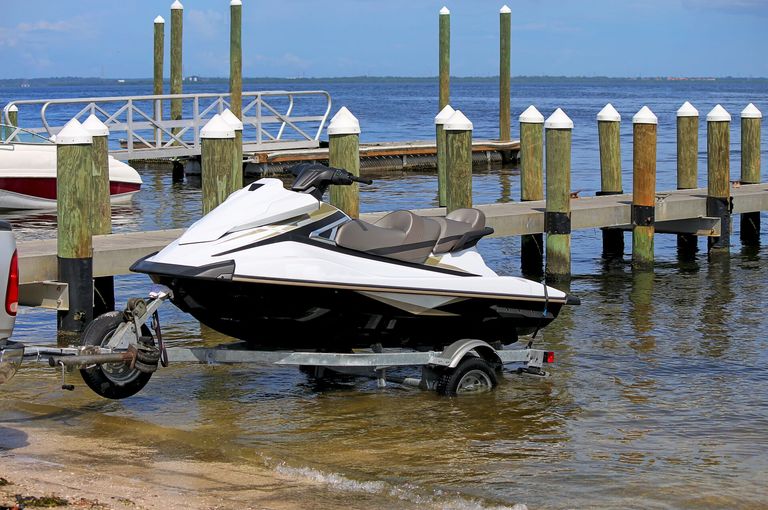
If you're launching from a beach, look for a sandy, shallow area without rocks, shells, or sharp debris. Then, you can use a jet ski beach dolly or a trailer specifically designed for beach use to roll your PWC into the water easily. By tilting the jet ski backward slightly, you'll help keep the intake port clear of sand.
Before starting your PWC, position it in knee-deep water and wait until the intake is fully submerged. Then you can start the engine. This is extremely important due to the way a jet ski operates.
If you start it too early, you could cause damage by allowing sand to be pulled into the intake port. Knowing how to launch a jet ski on a beach takes a little practice, but once you're used to the procedure, it gives you more options for exploration of local waterways.
Make sure you never run your PWC engine dry, especially on the beach. Sand and debris can damage the pump and clog the impeller, resulting in costly repairs.
Ramp Launching Tips (Trailer Launching)
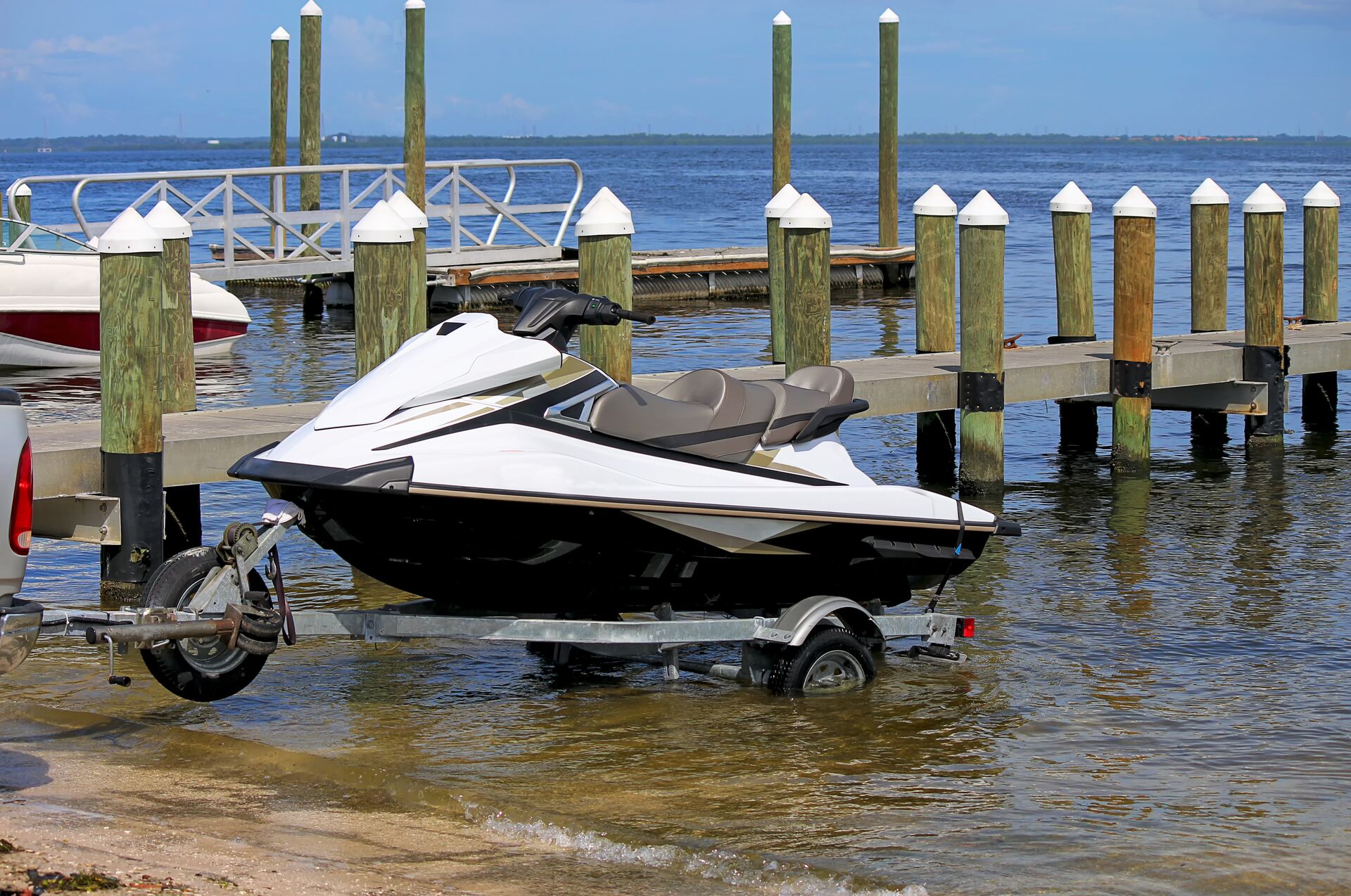
To launch your PWC from a trailer, back slowly into the water, and have another person guide you if you can.
Unhook the winch strap when your jet ski floats freely. Then, use the dock lines to guide the PWC off the trailer.
Practice good jet ski launching etiquette by moving your vehicle right away, so you don't cause congestion at the ramp.
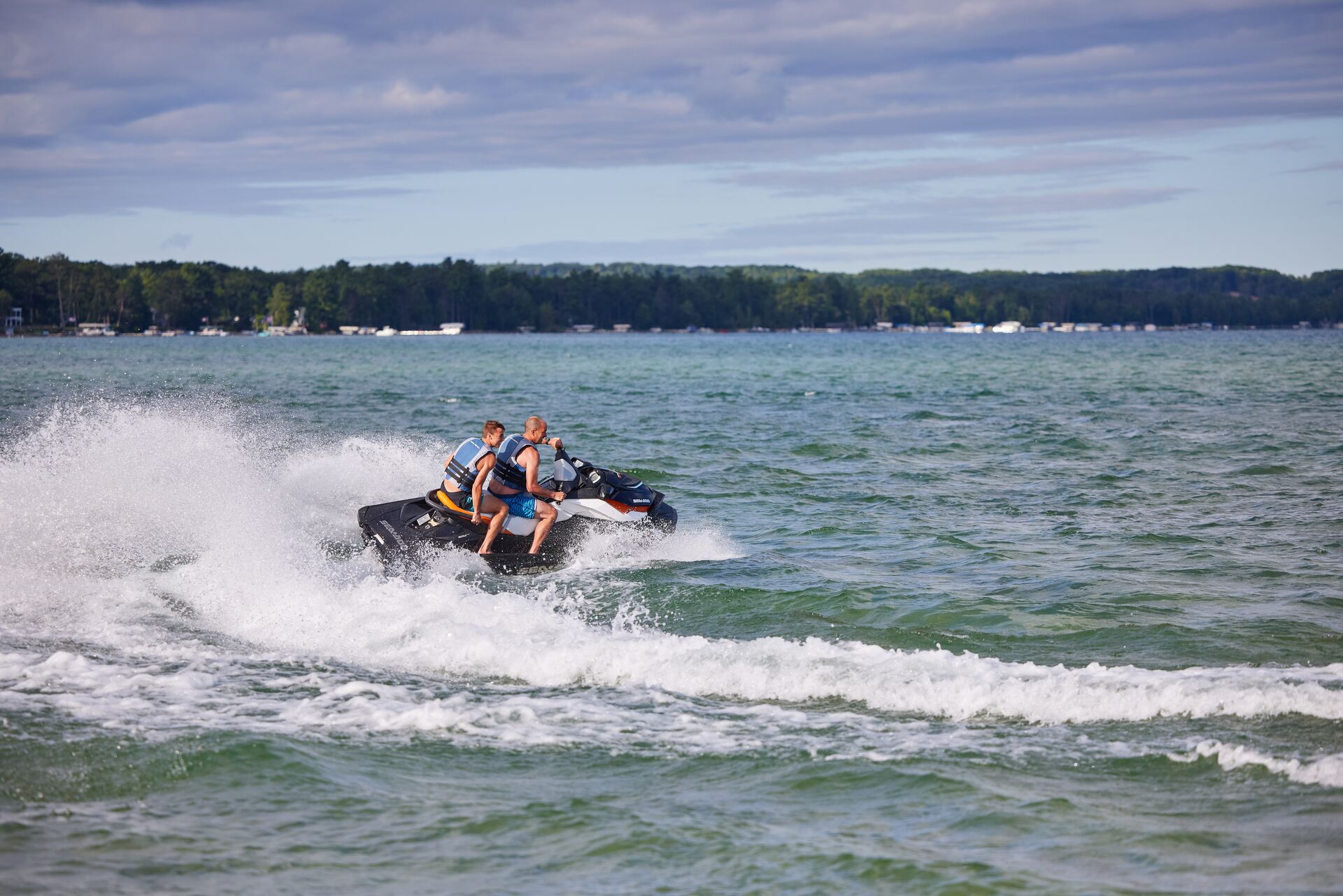
Bonus Jet Ski Launch Tips
Protecting your jet ski during launch (and when beaching) helps you enjoy it more often and avoid expensive repairs.
To keep your jet ski safe when launching:
- Don't launch or beach in rocky areas or surf zones.
- Check local laws to make sure PWC beach launching is allowed
- Keep an eye on the tide, and don't launch during high tide to avoid dragging your PWC a long way when the tide drops.
- Purchase a PWC cover or sunshade if you're leaving it on the beach for a while.
Safe jet ski use and launching can increase your enjoyment and help your PWC last longer.
How to Beach a Jet Ski Without Damage
If you want to take a break from riding and beach your jet ski for a while, approach slowly and cut your speed when you're approximately 50 to 100 feet from shore. Shift your PWC into neutral and coast in using momentum.
When you're almost to shore, get off your PWC and walk it in the final few feet to avoid damaging the hull or impeller. Don't rev your engine in the shallows, as it can pull sand into the intake. You can use a sand anchor or tie off to stop your jet ski from drifting away.
Learning how to beach a jet ski can give you more options for areas to explore, and make it easier to take a break for a while, too.
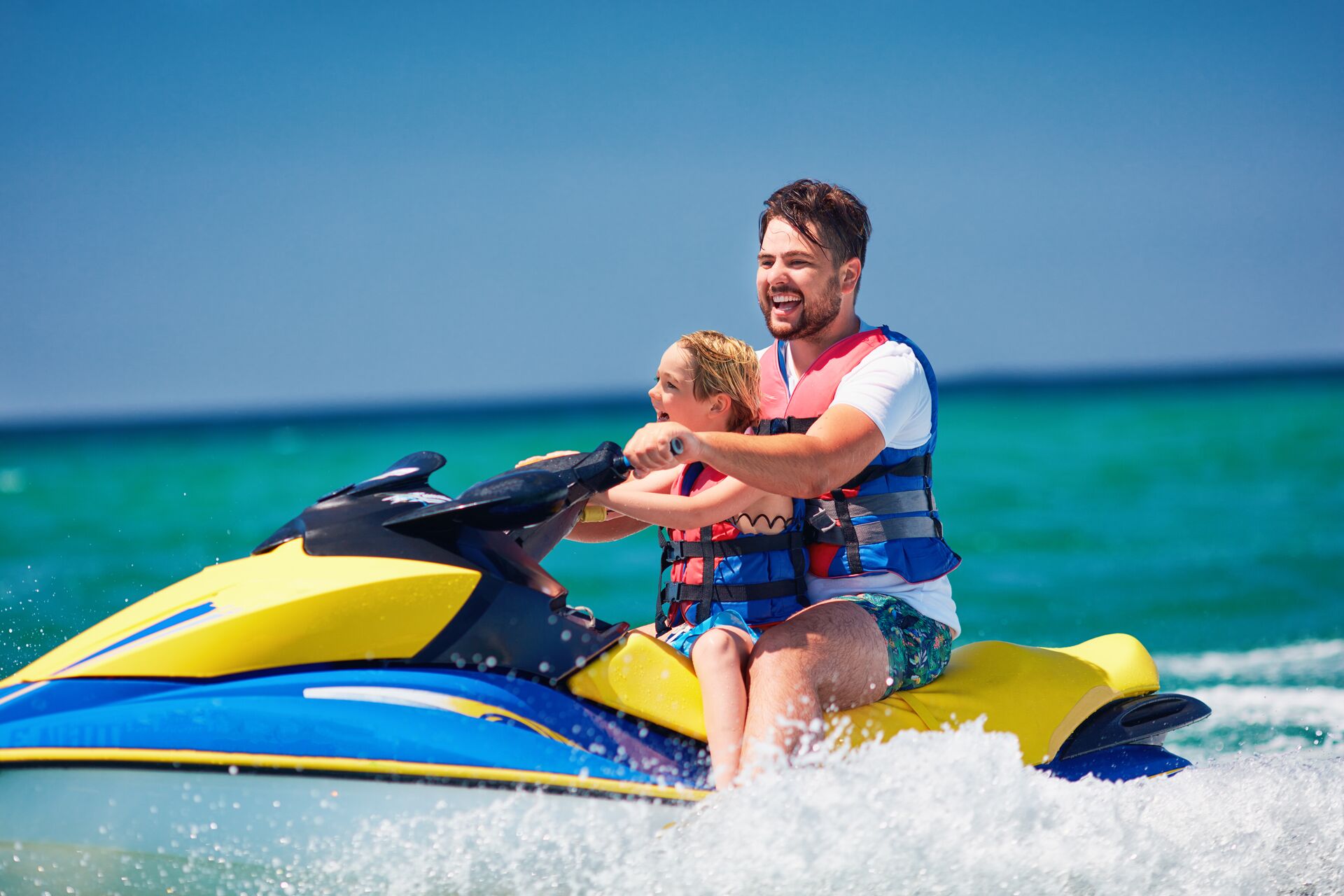
For Safer Jet Ski Launching, Take a Boater Education Course
Whether you drive a boat or operate a jet ski, safety must be a priority for all motorized vessel operators. The jet ski launching tips we shared today will help you get on the water without damaging your machine while also avoiding injury.
Did you know that an approved boater education course also covers personal watercraft safety? You'll learn about navigation, emergency procedures, and more to make your time on the water safer and more fun.
Plus, most states and Transport Canada require PWC operators to pass a boater education course and carry a certification card.
So, before your next jet ski launch, let BOATERexam help you stay safe!
For jet ski operators in Canada, take our course for Canadians.
In the U.S., choose the course for your state.
Frequently Asked Questions (FAQs)
Keep reading for answers to common questions about launching a jet ski.
Q: Do I need a special license to launch or ride a jet ski?
A: In most states and Canada, you need a boating safety certificate or PCOC (Pleasure Craft Operator License). Check local regulations for specifics.
Q: Can you launch a jet ski from any beach?
A: Not always. Many beaches prohibit jet ski launching. Instead, use designated launch areas or boat ramps.
Q: Do I need a trailer to launch a jet ski?
A: In most cases, yes — unless you’re hand-launching a lightweight jet ski in shallow, accessible areas. Most PWC operators use trailers for easy and safe ramp launches.
Q: How do I safely launch a jet ski from a ramp?
Start by backing the trailer into the water until the jet ski floats. Then, unhook the winch strap, start the engine in the water, and carefully drive away from the ramp.
Take the BOATERexam boater education course for your state, or choose our course for Canadians!