Do You Need a Boating License for a Jet Ski in Nova Scotia?
| Nova Scotia Jet Ski License — Quick Facts | ||
| What is It? Pleasure Craft Operator Card (PCOC) | Is It the Same for Boats? Yes, it is the same card for PWCs and boats. | Who Needs One Anyone operating a PWC in Manitoba without adult supervision |
| How to Get One Take a Transport Canada-approved boater education course | Validity Never Expires | |
Do You Need a Boating License for a Jet Ski in Nova Scotia?
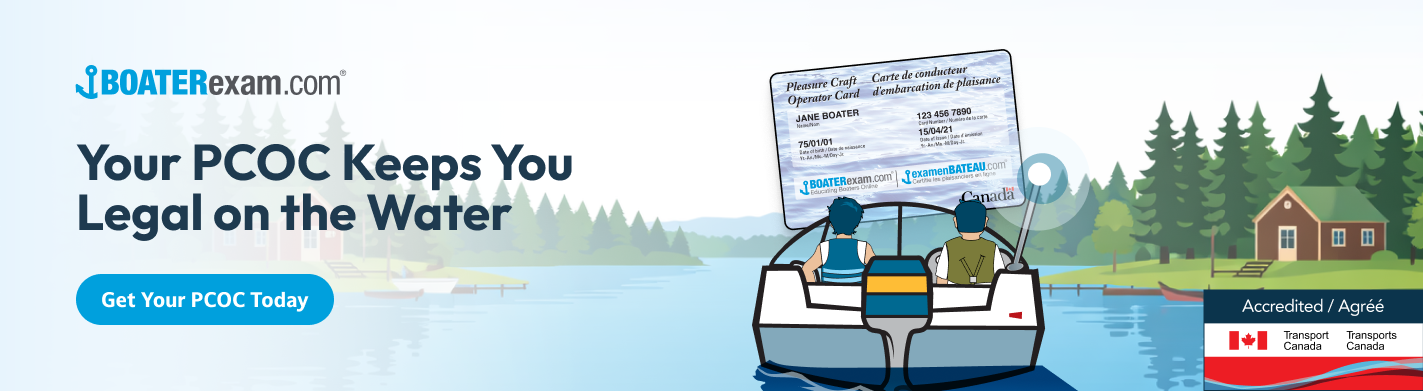
To legally operate a jet ski (personal watercraft or PWC) in Nova Scotia, you must have proof of competency. This is a federal requirement and is issued as a Pleasure Craft Operator Card (PCOC).
What Are the Key Requirements for Operating a Jet Ski in Nova Scotia?
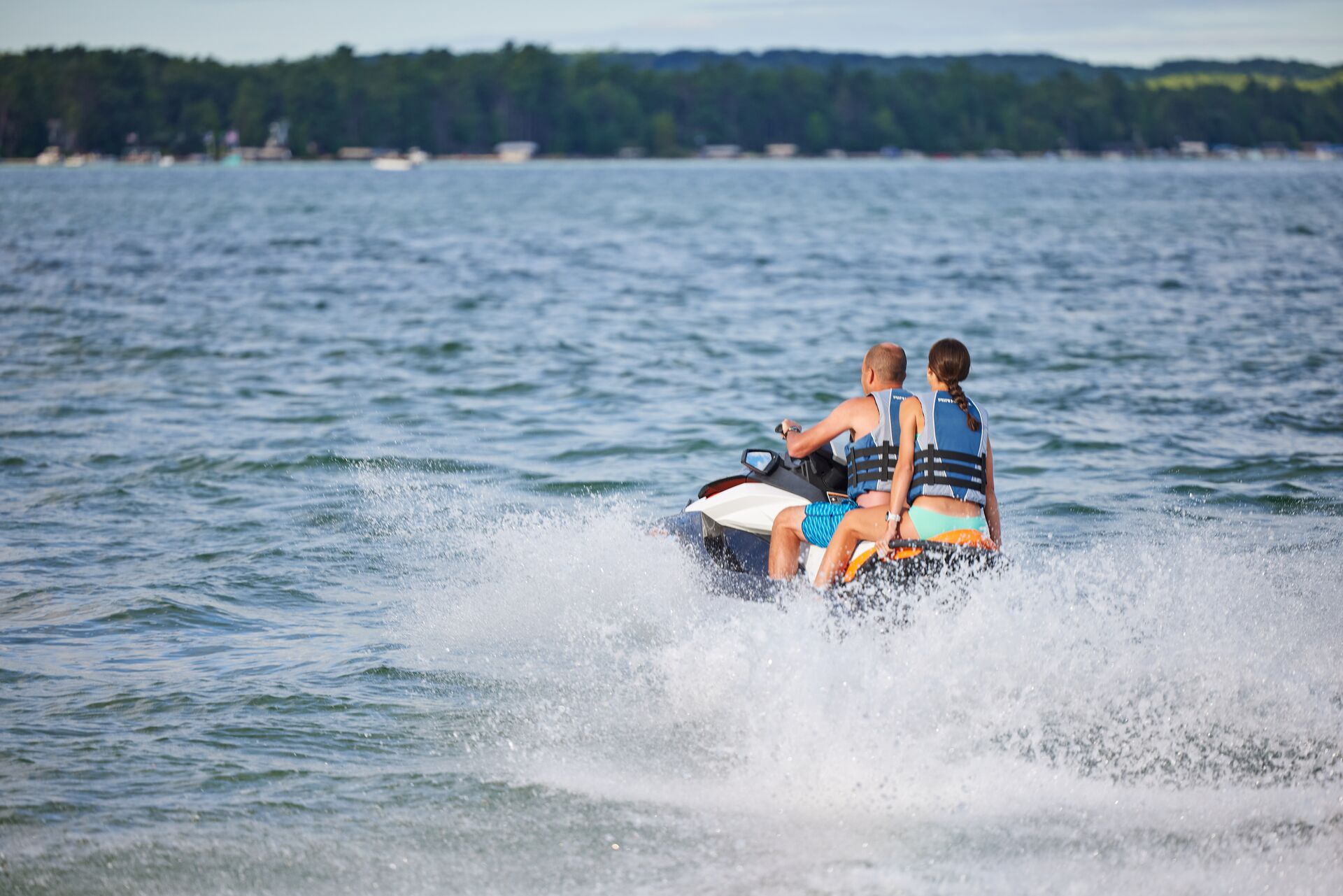
Jet skis (personal watercraft, or PWCs) are considered boats under maritime law and are subject to the same, and sometimes stricter, operating requirements. There are additional safety and operating rules for operating jet skis and other PWCs.
Minimum Age
Operators must be at least 16 years old, and unlike other motorboats, there are no exceptions.
Even with adult supervision, operation of a PWC is strictly prohibited for anyone under the minimum age.
Proof of Competency
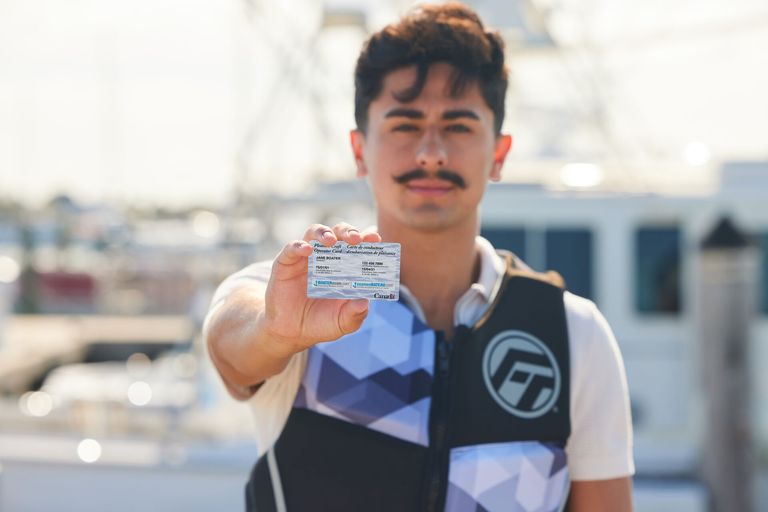
While operating a jet ski, you must carry your original PCOC on board at all times.
Photocopies, screenshots, or digital versions are not legally valid and will not be accepted.
Rental Exception
If you are renting a jet ski, you are exempt from the Pleasure Craft Operator Card (PCOC) requirement. However, you must complete a rental boat safety checklist.
This pre-rental checklist must be completed and co-signed by the rental provider.
Rental providers will typically walk you through it and provide safety and operating instructions. The rental boat safety checklist is valid only for the duration of the rental.
What Is a PCOC (Pleasure Craft Operator Card)?
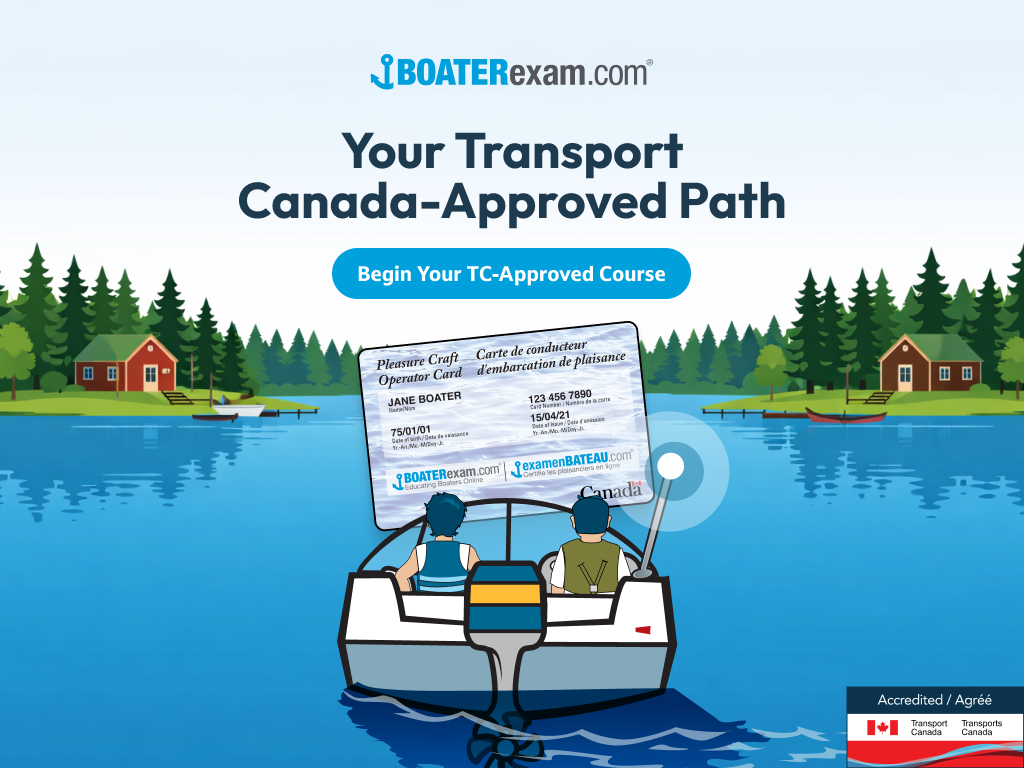
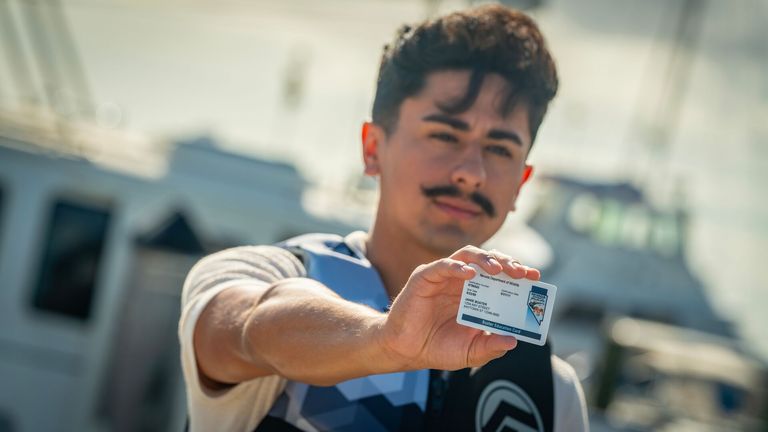
Canada issues a Pleasure Craft Operator Card (PCOC), which serves as the equivalent of a boating license. This card is proof of your competency in boating rules and regulations, navigation basics, and safety procedures.
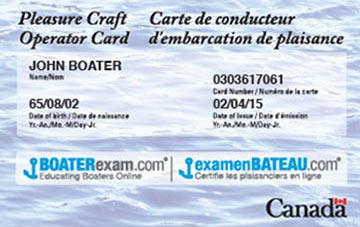
To get a Canada boater's license, you must study an approved course and pass an exam.
All boaters must have a PCOC to operate any motorized vessel, including jet skis (PWCs) and motorboats with engines.
Who Needs a PCOC?
Any boater operating a motorized recreational vessel in Canadian waters, which includes residents of Nova Scotia, tourists, and visitors, will be required to obtain a PCOC unless fulfilling the relevant rental requirements.
There is no grandfathering; even experienced boat operators who have been operating before the PCOC requirement must have this certification.
How to Get a Boating License (PCOC) in Nova Scotia (Step-by-Step)
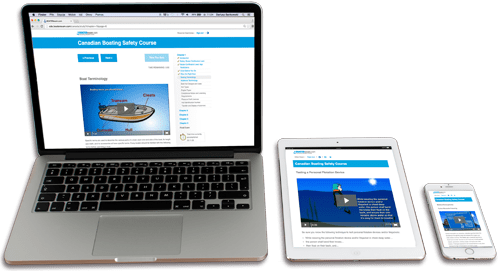
Canadian law now recognizes online PCOC certification, making it a simple, straightforward process to get your PCOC. Just ensure the course provider is certified.
- Choose a course.
There are both in-person opportunities and online opportunities to sit the PCOC exam. Ensure your intended course is a Transport Canada-accredited boating safety course, such as those available from BOATERexam.
Online courses are self-paced and offer free retrials. In-person opportunities are also available, but you will need to book your session. - Take the Course.
The course typically takes between three and five hours and covers navigation, safety, and emergency procedures. - Take the Exam.
Passing will require a score of 75% on a 50-question multiple-choice exam. Upon completion, you’ll receive a temporary card while your PCOC is on its way.

Cost and Validity
The cost of a boating license in Canada typically ranges from $30 to $70 CAD and is paid as a one-time fee. There are no recurring costs; the card is valid for life and recognized across all Canadian provinces. When taking the course through BOATERexam, the cost is $54.95.
Your PCOC will also be recognized in the US due to a reciprocal agreement.
Fines and Legal Requirements
Failure to meet PCOC requirements can result in fines and additional penalties.
Operating Without a PCOC
Operating a motorized vessel without a PCOC will result in a minimum $250 fine, and additional penalties may apply depending on the circumstances.
Vessel Licensing (PCL)
All motorized vessels with 10 hp (7.5kW) or more must display a Pleasure Craft License (PCL) on the bow. The PCL is a unique license number for your vessel and is used for vessel identification in case of emergency.
Due to a legislative update on the 31st of December 2025, PCLs must be renewed every five years for $24 CAD. You can check your license expiry date on the Transport Canada website.
Why Getting a Boating License Matters
Nobody likes getting a fine, but this is only a small reason why getting a PCOC is so important. Without the necessary boating skills and knowledge, you’re putting yourself and other boaters at risk.
Accidents on the water are serious and can result in personal injury, fatalities, and property damage.
Safety
By getting your PCOC, you’re helping reduce the number of accidents and injuries on the water by ensuring you’re equipped to handle emergencies, navigate effectively, and follow all boating rules.
Legal Compliance
With a PCOC, you’ll avoid penalties and fines by showcasing that you meet federal boating laws. There may be additional insurance and liability issues if you are involved in an accident while operating a PWC without a valid PCOC.
Confidence and Skill
Jet ski use can take some getting used to. Everything from launching the vessel to turning can take some practice, too. By completing the PCOC course and exams, you’ll develop a stronger understanding of navigation, jet ski handling, right-of-way rules, hazards, and other essential boating requirements.
Get Your Nova Scotia Boating License Before Riding a Jet Ski This Season
Thanks to strict regulations and age limits, the PCOC is federally mandated, so if you want to get out on a jet ski in Nova Scotia, there’s no reason to wait. Whether you own your boat, rent one, or are planning a trip, being properly certified ensures a safer experience and a stress-free time on the water.
With BOATERexam, your PCOC accreditation is quick, affordable, and self-paced, so you can take your time absorbing the essential safety information.
Frequently Asked Questions about the Nova Scotia Jet Ski License (FAQs)
Q: Do you need a license to drive a Sea-Doo in Nova Scotia?
A: Yes. A Sea-Doo is considered a personal watercraft (PWC), so operators in Nova Scotia must carry proof of competency, most commonly a Pleasure Craft Operator Card (PCOC). In Canada, anyone operating a recreational motorized vessel, including a jet ski or Sea-Doo, must have valid proof of competency unless they qualify for a rental exemption. Additionally, no one under 16 years old may operate a PWC.
Q: Do you need a license to operate a jet ski in Canada?
A: Yes. To operate a jet ski legally in Canada, you generally need proof of competency, usually in the form of a Pleasure Craft Operator Card (PCOC). The requirement applies to motorized recreational vessels across Canada, including personal watercraft such as jet skis.
Q: What happens if you drive a jet ski without a license?
A: Operating a jet ski without the required proof of competency can result in a fine of at least $250. Depending on the situation, additional penalties may apply. Beyond the legal consequences, operating without proper training can increase safety risks for both the operator and others on the water.
Q: How hard is the Canadian boating license test?
A: Most boaters find the Canadian boating license test manageable with a little preparation. To earn a PCOC, you must pass a boating safety exam, such as those available from BOATERexam, with a score of at least 75%. The test covers topics such as navigation rules, required safety equipment, boating regulations, and emergency procedures. Completing the boating safety course helps many students pass on their first attempt.