Boating Licence Reciprocity: Which Provinces & Countries Accept Your PCOC?
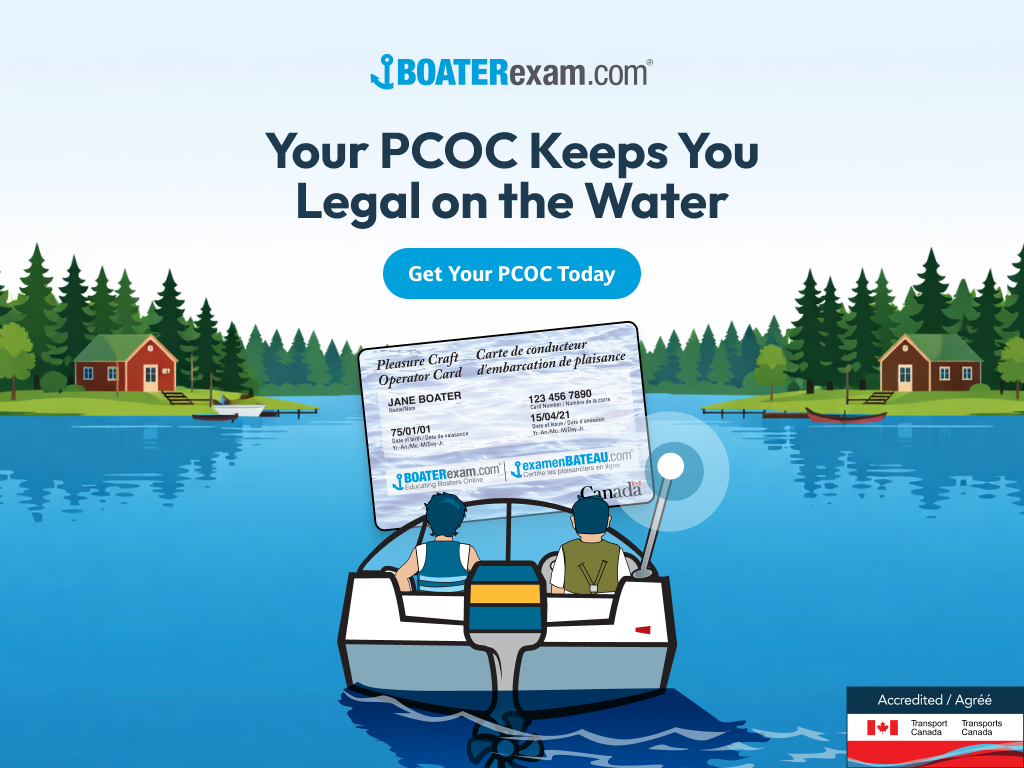
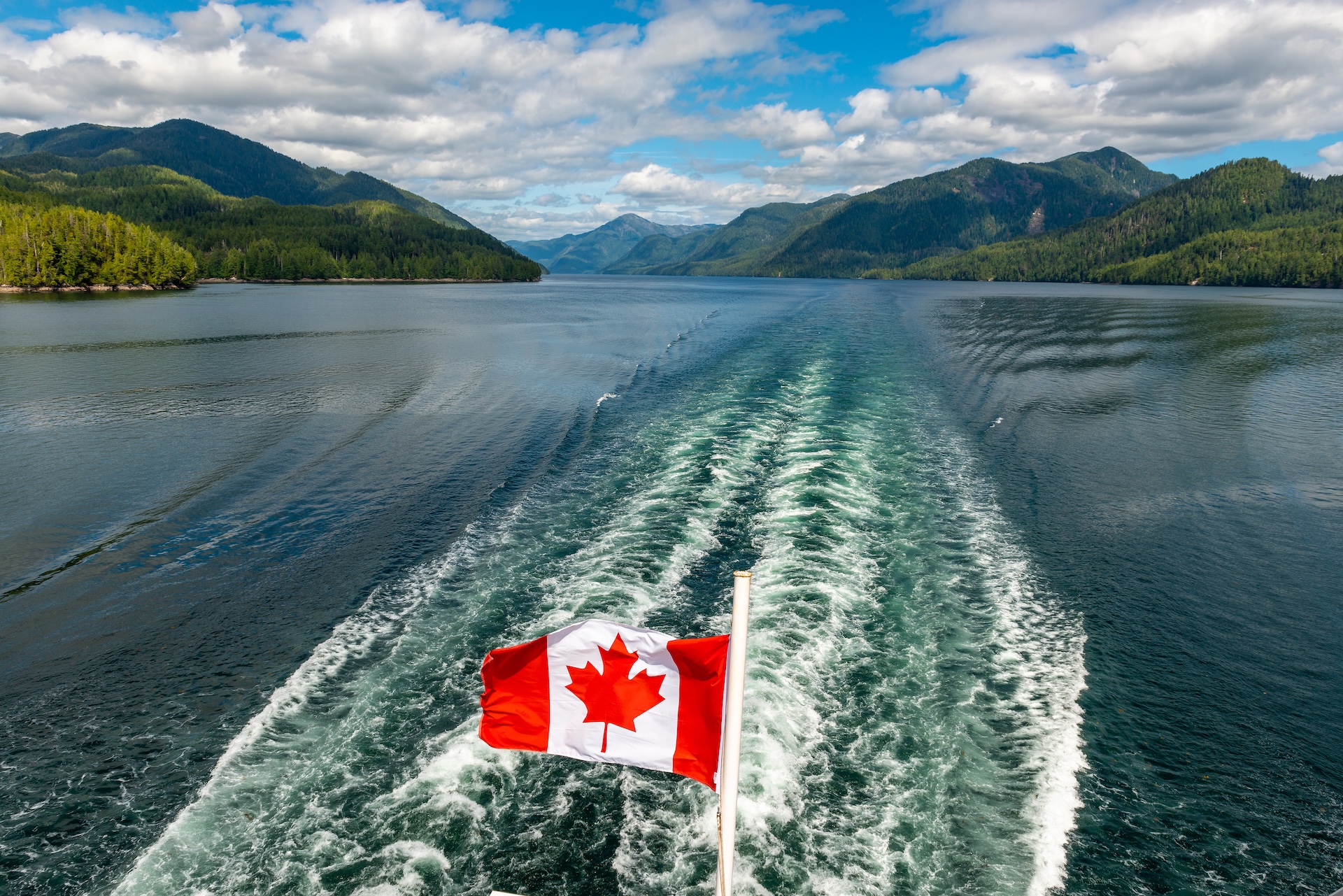
If you have a Canadian boating licence, otherwise known as the Pleasure Craft Operator Card (PCOC), it's valid in every Canadian province. Additionally, it's generally valid throughout the United States due to reciprocity, because it meets National Association of State Boating Law Administrators (NASBLA) standards.
Whether it's valid in other international locations depends entirely on the laws in those areas. When considering where you can use your PCOC, think about three layers:
- Canada-wide
- US reciprocity
- International locations
The PCOC never expires, so you can always boat in a new region that accepts it without worries over renewal. So, is a Canadian boating licence valid where you want to boat? Here's what to know.
Where Is Your PCOC Valid? A Quick Comparison
If you need a quick answer to where you can use your PCOC, this comparison table can help.
Where is the PCOC Valid? | |||
| Scope | Is the PCOC Accepted? | What You Need to Carry | Key Caveat |
| Canada-wide (all provinces and territories except Nunavut and the Northwest Territories) | Yes, automatically | Original PCOC (no photocopies or digital images) | Nunavut and the NWT don't require proof of competency at all |
| United States | Generally yes, under a Canada– US reciprocity arrangement | Original PCOC, plus your passport or NEXUS card at the border | Each state enforces its own boating laws. A small number of states or officers may request additional proof. |
| International (outside Canada and the US) | Not automatically. Canada and the US never adopted the international standard | PCOC is not a substitute. Boaters typically need a separate credential from the destination country or charter company. | Most useful for chartering abroad, not for casual visits |
Knowing where your PCOC can be used is essential to ensuring you comply with local laws so that you can boat legally, safely, and confidently.

Is a Canadian Boating Licence Valid in Every Canadian Province and Territory?
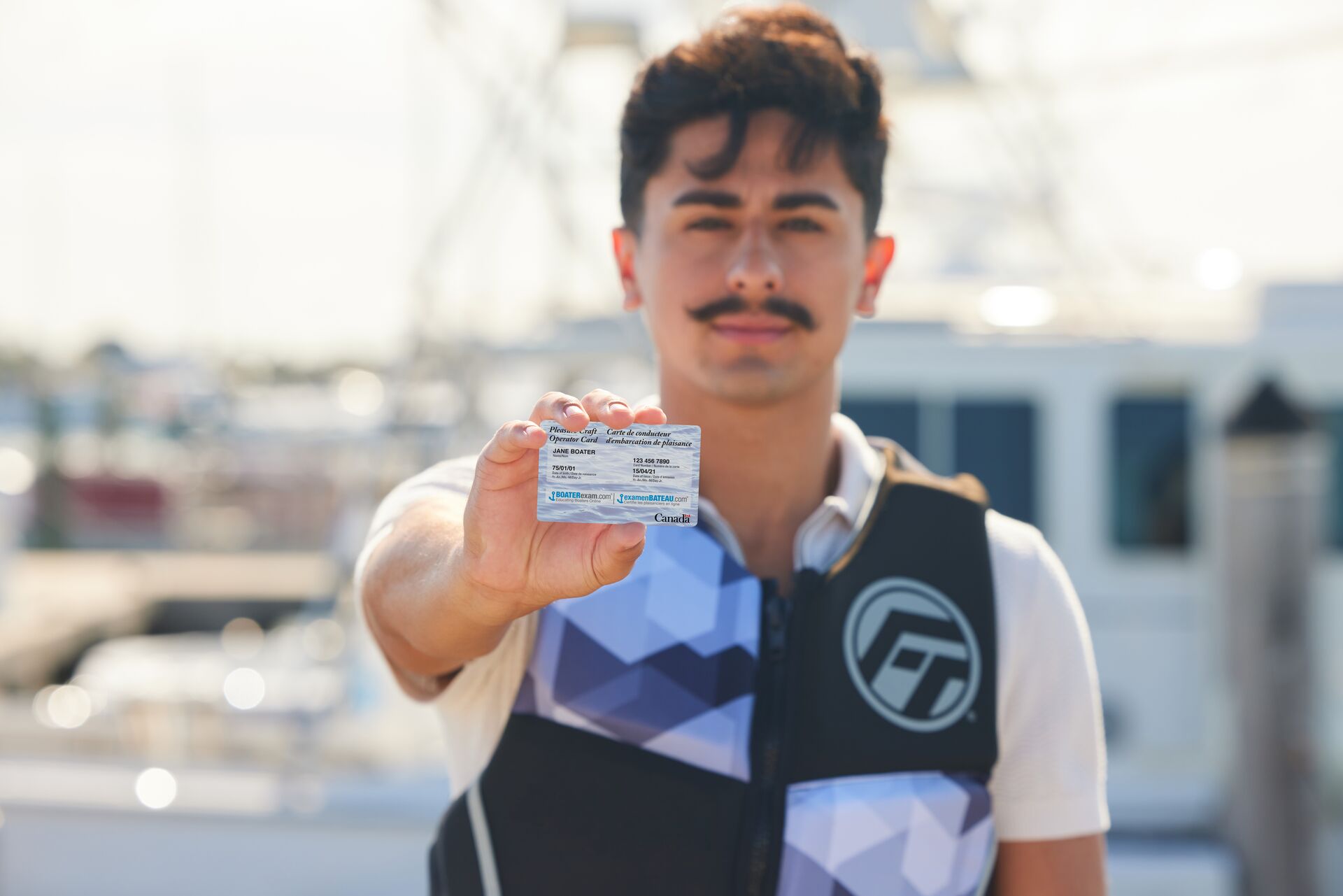
Yes, you can use your Pleasure Craft Operator Card in any province or territory that requires one, no matter which province it was earned in. That's because a PCOC is a federal requirement under the Canada Shipping Act, 2001. It's not provincially based, so there isn't any provincial licence to swap for a different one.
The only real exception to having a PCOC is in Nunavut and the Northwest Territories, where you're not required to have any proof of competency to operate a motorized pleasure craft. If you've earned your PCOC elsewhere, it's valid there, but not locally mandated.
If you're a foreign visitor who's bringing your own boat into Canadian waters, you won't need a PCOC for the first 45 days you're there as long as you have proof of competency from your home location. After 45 days or longer, Canadian requirements apply, and you'll need a PCOC for the rest of your stay.
Does a Canadian PCOC Work in the United States?
Yes, your Canadian licence is valid in the United States because of a long-standing reciprocity agreement between NASBLA and Transport Canada. Essentially, the US Coast Guard and NASBLA consider the PCOC equivalent to an accredited state boater education card.
Keep in mind that enforcing boater education is a state-specific responsibility, so each state and any officers you come in contact with on the water retain discretion. Your PCOC is typically honored, but it's not guaranteed nationwide.
As a Canadian boater, you should check the specific rules for the state where you want to boat before getting out on the water. The life jacket rules, registration, and equipment requirements are different in each state, even between states that accept your PCOC.
Is a Canadian Boating Licence Recognized Internationally?
Much like the US, Canada never signed onto the international framework (UNECE Resolution 40), so there's no "international PCOC." That resolution created the International Certificate of Competence (ICC), so Transport Canada can't issue one.
Approximately 20 European and UNECE countries recognize the ICC. It's their proof of boating competency and is mainly used for chartering. Since Canada didn't sign on to the resolution that created the ICC, you won't be able to get an ICC through a Canadian authority.
Instead, you'll generally need to have an equivalent credential, such as a Sailing Licence and Credentials or an International Proficiency Certificate. You can get these through any approved training provider before you head out on the water internationally.
Remember, your PCOC alone isn't enough for boating or chartering a vessel outside of Canada or the United States. Before you go boating in any international location, check with the destination country or your charter company to confirm their requirements.
What Proof of Competency Do You Need to Carry?
If you're asking yourself, "Is a Canadian boating licence valid where I'm planning to visit?" it's crucial to know which proof-of-competency documents you'll need. Here's what you should carry to ensure you can boat safely and legally.
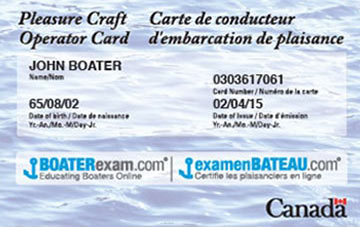
- Your original PCOC, because screenshots, digital images, or photocopies aren't accepted
- Your passport or NEXUS card so that you can cross the border
- Proof of your vessel registration or licensing (the Pleasure Craft Licence), if you're bringing your own boat, in case it's requested with your PCOC
- A short checklist of the state's boating equipment and registration rules to go over before you launch, since reciprocity covers operator credentials, not local requirements
Additionally, if you're visiting Canada from the US, remember to bring your original state's boater education card. You need proof of competency from your home location during the 45-day exemption window.
If you're renting a boat in Canada, you'll get a signed rental boat safety checklist instead of a PCOC, but this is only valid for the rental period and the vessel you're renting.
What Happens If You Can't Prove Reciprocity or Competency?
If you don't have valid proof of competency in Canada, you could be fined $250 (or more, if it's a repeat offence or there are extenuating circumstances).
Provincial or municipal police, the RCMP, the Canadian Coast Guard, or other marine enforcement agencies enforce this requirement. If you're visiting the US and don't have proof of competency, the consequences vary by state. Generally, they include citations and being required to leave the water until you have the proper documentation.
Get Certified Once, Boat With Confidence (Almost) Everywhere
The PCOC is valid for life, and you'll never need to renew it so that you can move between provinces with ease. It's automatically recognized all across Canada and generally recognized throughout the United States.
However, it's not a substitute for international credentials. Anytime you're heading across a border or overseas, you'll want to double-check the requirements at your destination to ensure you're in compliance.
Don't have your PCOC yet? Take the BOATERexam course for Canada, then hit the water (almost) everywhere!

Frequently Asked Questions (FAQs)
Q: Can I use a US boating licence in Canada?
A: Yes. If you're a US visitor bringing your own boat to Canada, an operator card or equivalent document that meets your home state's or country's requirements can serve as proof of competency. For stays of less than 45 consecutive days, visitors operating their own boat are exempt from Canada's proof-of-competency requirement, but should carry proof of residence and their home boating credential.
Q: Is a boating licence international?
A: No. No single boating licence is automatically valid worldwide. A PCOC is recognized across Canada and is generally accepted in the United States, but other countries have their own requirements. If you're boating or chartering internationally, check the rules of the country or charter company before you go.
Q: What is the fine for not having a boat licence in Canada?
A: The current federal fine for not having a Pleasure Craft Operator Card (PCOC), proof of competency, or a boating licence on board is $250. US States may also have additional penalties for boating without a licence, so be sure to check the state's regulations before hitting the water.
Q: Does a boating licence in Canada expire?
A: No. A PCOC is valid for life and does not need to be renewed.
Q: How long can I operate my own boat in Canada as a visitor without a PCOC?
A: A non-resident can operate their own boat in Canadian waters for less than 45 consecutive days without Canadian proof of competency, provided the boat is not licenced or registered in Canada. You should carry proof of residence and an operator card or equivalent credential from your home state or country. Once you operate for more than 45 consecutive days, Canadian proof-of-competency requirements apply.
Q: Is a PCOC required to operate a boat in Nunavut or the Northwest Territories?
A: No. Proof of competency, including a PCOC, is currently not required to operate a pleasure craft in the waters of Nunavut or the Northwest Territories. A PCOC can still be useful if you plan to operate outside those territories.
Q: Do I need to carry anything extra to boat across a Canada-US border?
A: Yes. You need to meet the border-entry requirements in addition to carrying your boating credentials. For a US trip with a Canadian boat, carry your original PCOC, acceptable travel identification (such as a passport or NEXUS card), and your vessel's registration or licensing documents, when applicable. You also need to comply with the local boating and equipment rules in the state you're visiting. When entering Canada by boat, recreational boaters must report to the Canada Border Services Agency (CBSA), and foreign visitors need acceptable identification and other entry information.