What Is the Draft on a Boat?
When you hear the word "draft," you might think of a breeze through an open window. But this is also a term used to refer to how a vessel sits in the water.
If you're asking yourself, "What is the draft on a boat?" you should know that it's one of the most important measurements used for safe and efficient navigation.
Whether you're steering a small fishing boat to the dock or moving a yacht into a busy marina, understanding draft reduces your chances of running aground, helps you plan routes, and makes it easier to choose the right vessel for your adventures. Here's what to consider.
What Is the Draft on a Boat?
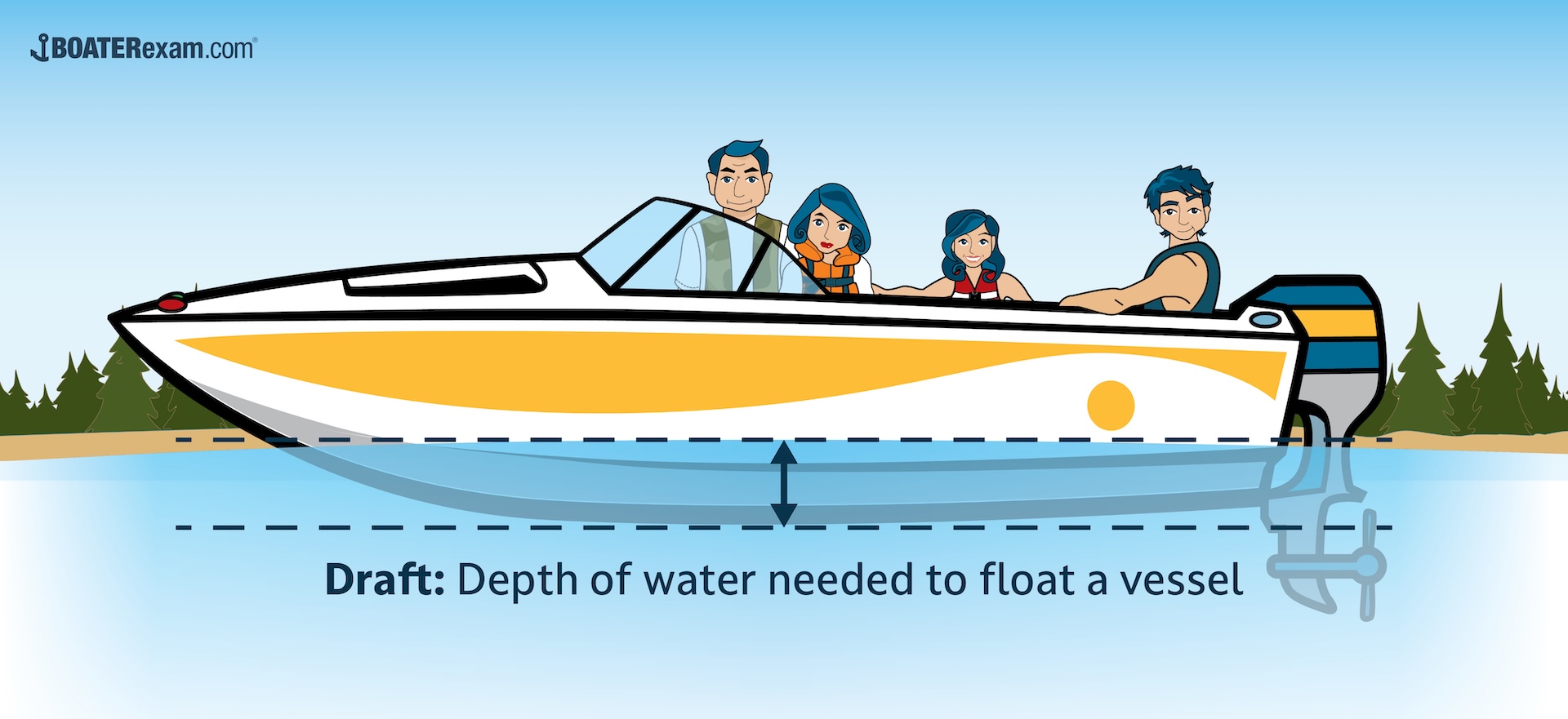
So, what does the draft of a boat mean? The draft is a vertical distance measurement.
When you measure between the waterline and the hull's deepest point, that gives you the measurement you're looking for. Keep in mind that the deepest point of the hull is generally the propeller or keel.
When you have the draft measurement, you'll know how deep your vessel sits in the water. Then, you can use that knowledge to operate your boat safely and avoid running aground. It's always best to keep your boat in plenty of water for its required draft, and the locations you can travel in may vary based on the tide and other factors.
The draft of your boat, coupled with a tide table to give you essential information about water movement, often makes keeping your vessel and passengers safe much easier.
How Much Draft Do Most Boats Have?
The size and type of vessel you have both matter when it comes to draft.
- Small boats such as canoes, kayaks, or dinghies typically have a draft of less than one foot.
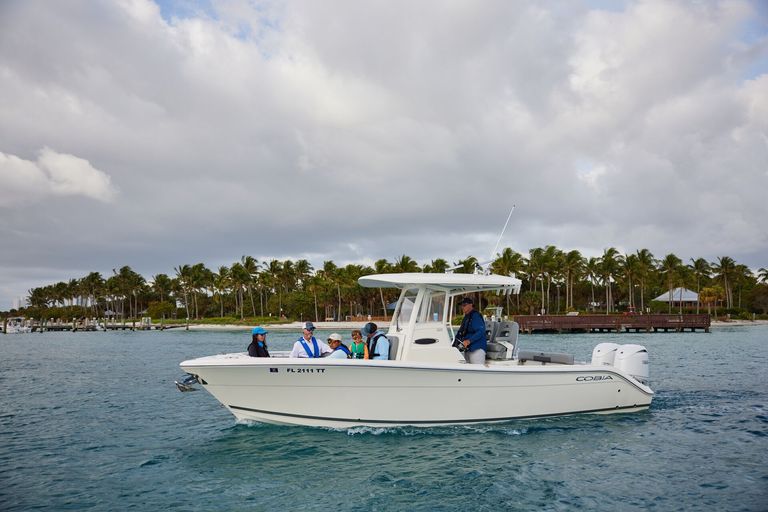
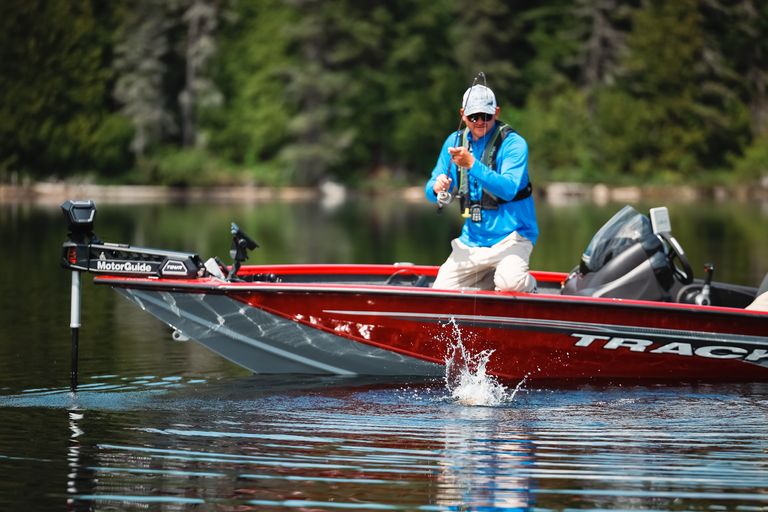
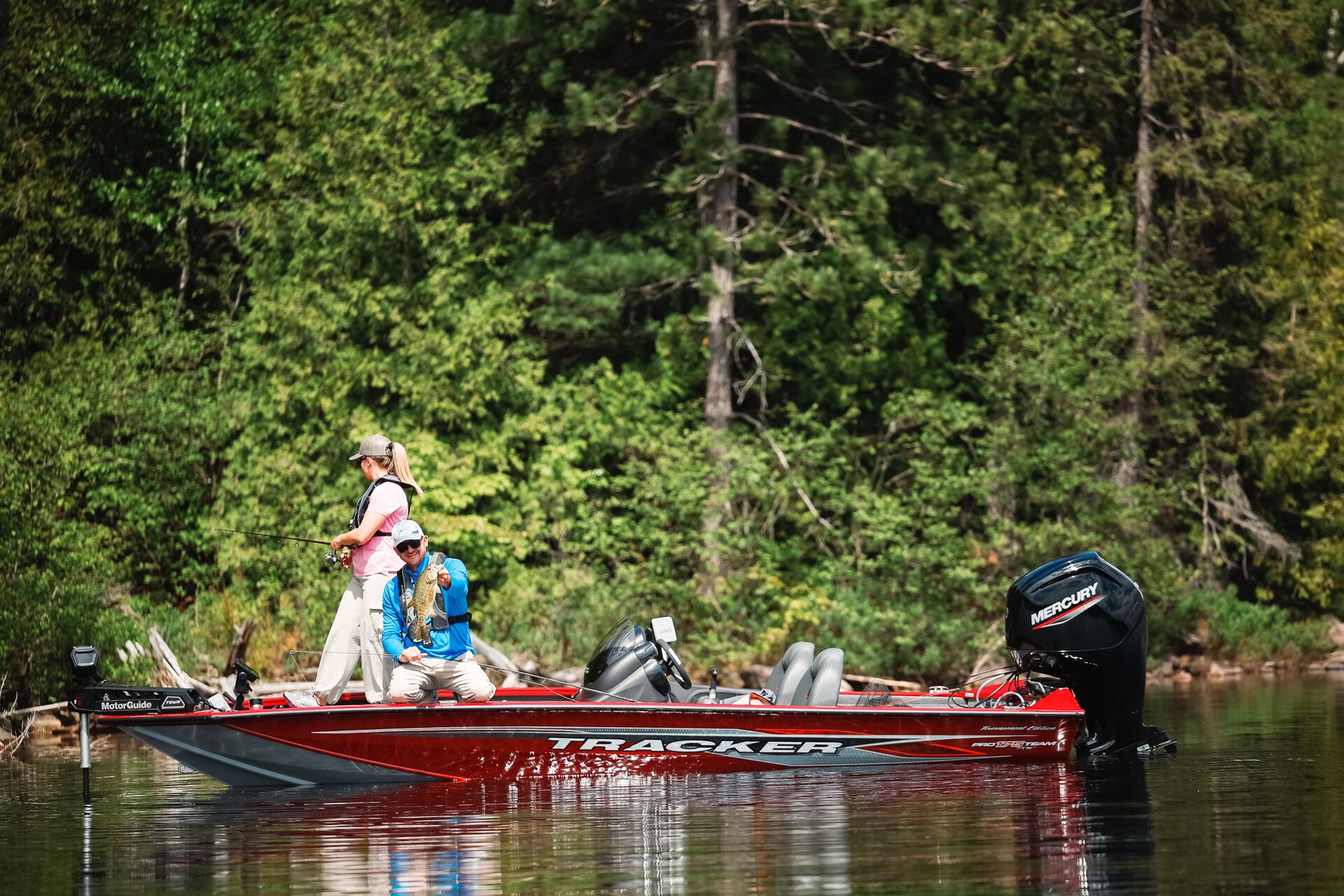
- Fishing boats and pontoon boats generally have a one to two-foot draft.
- The draft on a sailboat can vary widely. Some shallow-draft models can have a two to four-foot draft, while sailboats with deep keels may have a draft exceeding six feet.
If you have a commercial boat or large yacht, you may have a draft of 10 feet or more, depending on the overall size of your vessel.
Draft Depth and Boat Type Differences
It's not just the size of your boat that matters when you're answering the "what is the draft on a boat?" question. You also have to consider the type of boat you have, because the style and design can affect draft, as well.
Understanding how a boat floats makes working with draft easier because you have knowledge of water displacement and other details. You don't have to dive deep into physics, though, to learn about keeping your boat in the proper water depth.
Flat-Bottom Boats
For example, if you have a flat-bottom boat like a jon boat or skiff, you'll have a very shallow draft. These boats are ideal for lakes, rivers, and marshes, where you may have limited maneuverability or need to stay close to shore in shallow water.
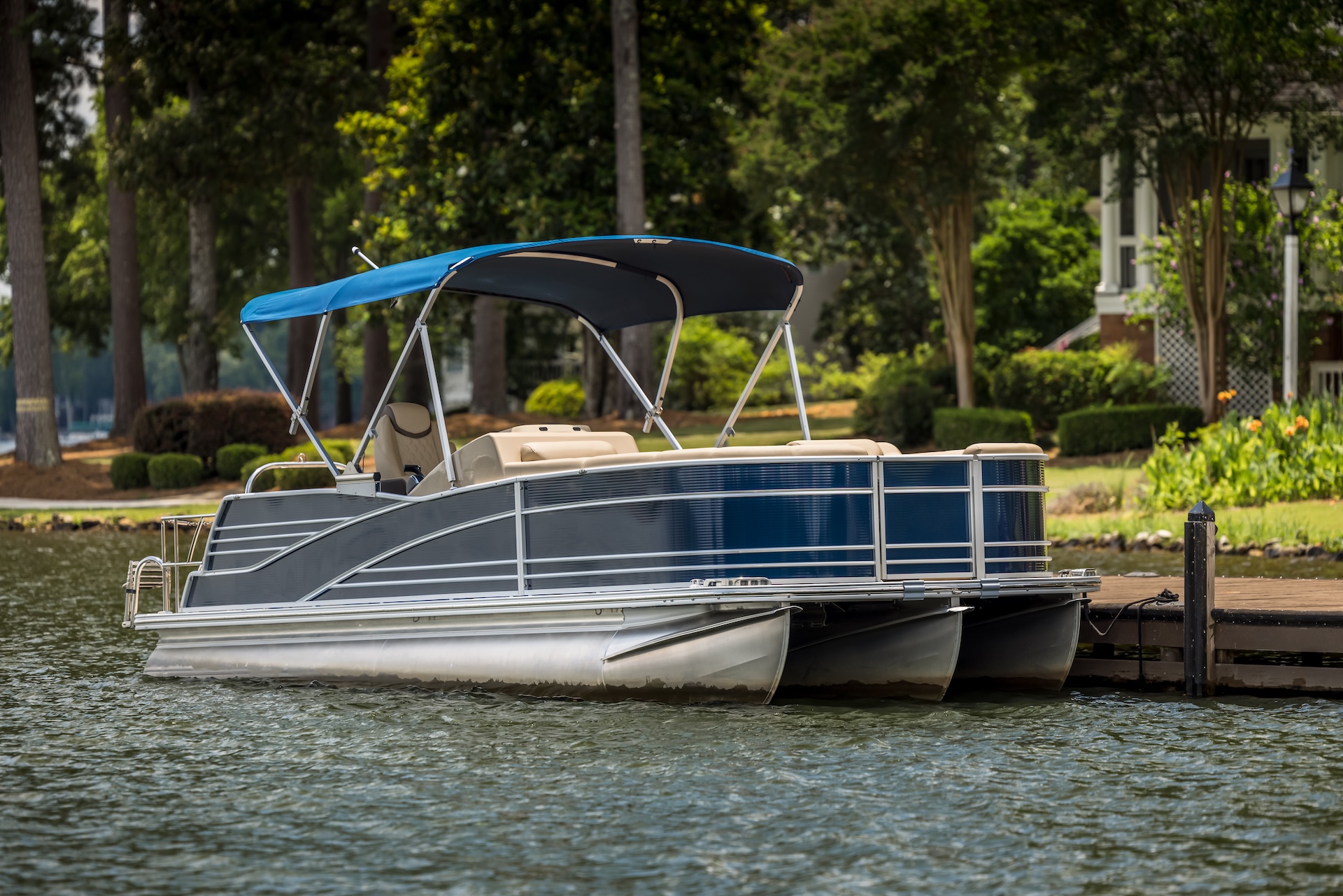
Pontoon boats also have a shallow draft and can be suitable for calm, shallow lakes.
Powerboats and Sailboats
The draft needed for powerboats varies by hull design, with most of them requiring a moderate draft.
Then, there are sailboats with deep keels that have a deep draft for stability. They're not suited for shallow water, but can be excellent choices for deeper areas.
Catamarans
Another good option, especially if you enjoy coastal and reef areas, is a catamaran. These have a shallow draft compared to monohull options, making them versatile and enjoyable under many conditions.
Why Is Draft Important When Boating in Shallow Areas?
When boating in shallow areas, you need to make sure your vessel can safely make its way over reefs, shoals, and sandbars. That helps prevent hull damage and also keeps your keel or propeller from striking the bottom.
Additionally, understanding the draft helps you decide where to anchor your boat, find places to dock it, and determine if you want to beach it for some time on the sand before the rising tide can help you free it again and make your way home.
Choosing the right routes and proper times (tides) for your boat can ensure safe passage and provide you and your passengers with a more enjoyable experience.
Boating in Shallow Water Safely
When boating in shallow water, it's essential to be safe and careful.
To protect your vessel's passengers, make sure you:
- Check nautical charts for information on water depth.
- Monitor water levels and the tides, especially in coastal locations.
- Use sonar, depth finders, or a water depth app (like Wavve Boating) if you can.
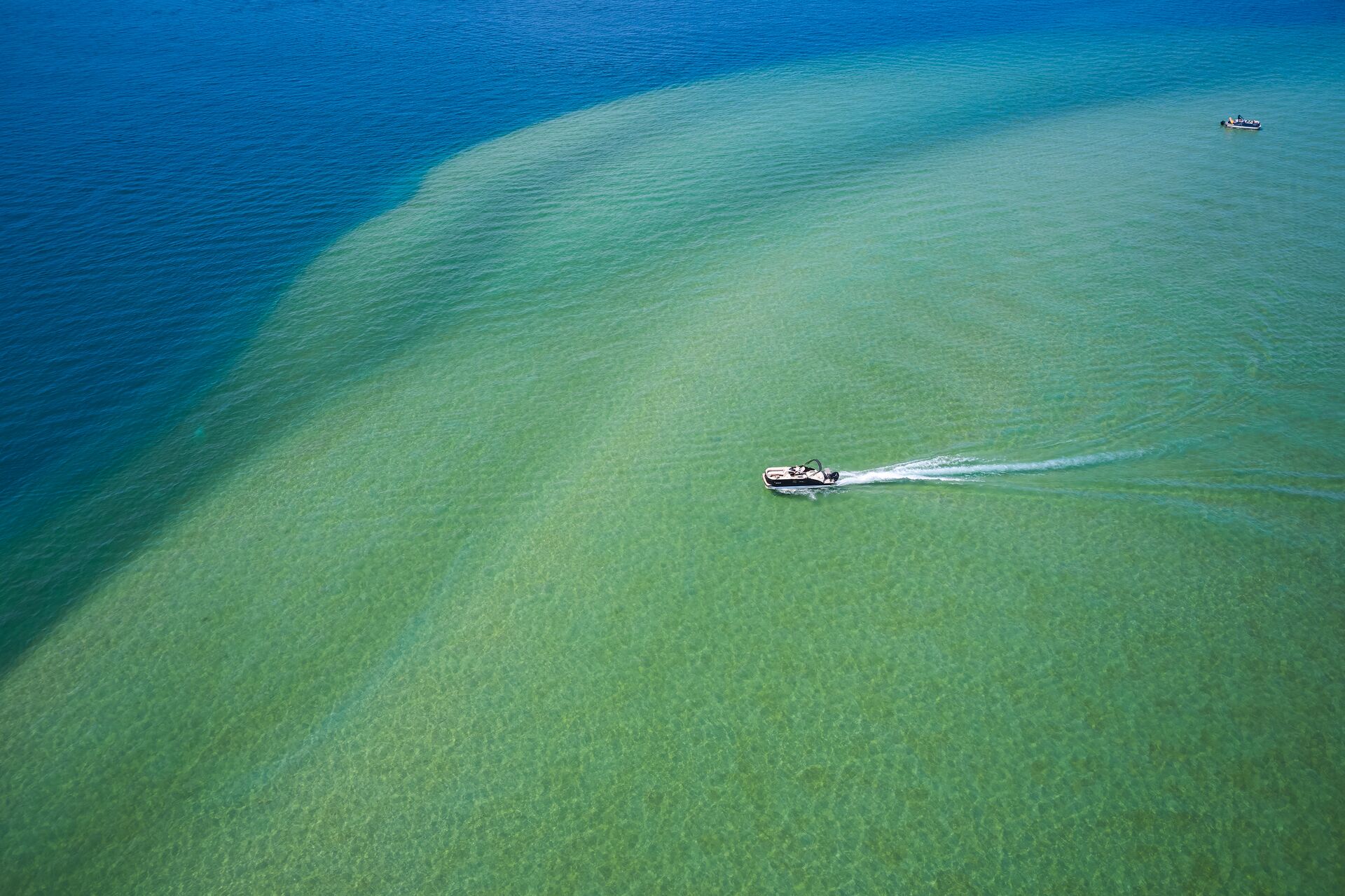
- Stay alert for visual cues, such as ripples, changes in water color, or breaking waves.
- Go slow in shallow areas, particularly if they're unfamiliar to you.
- Plan your travel route based on the draft of your boat.
The more care you take from the beginning, the less you'll have to worry about on your boating adventure, so that you can enjoy the waterways.
Learn More About the Draft of a Boat and Safety with a Boater Education Course
Understanding draft is crucial for safe boating in shallow water. While the tips we've shared today should help you navigate safely, we also recommend taking a boater education course to boost your boating skills and knowledge.
BOATERexam online courses help you learn boating safety details, including boating etiquette, navigation, and much more, so you can stay safe on the water and boat with confidence. Plus, most states and Canada require motorized boat operators to pass a boater course and exam, then carry a safety certification.
We make it easy for boaters to stay safe and learn everything they need to know for responsible boating!
Before you hit the water again, make sure you're certified by taking the BOATERexam course for your state.
Or, take our course for Canadians if you boat the waterways in Canada.
Frequently Asked Questions (FAQs)
We have answers to your questions about the draft on a boat!