Boating and Alcohol Laws in Canada: BWI Rules, Limits & Penalties
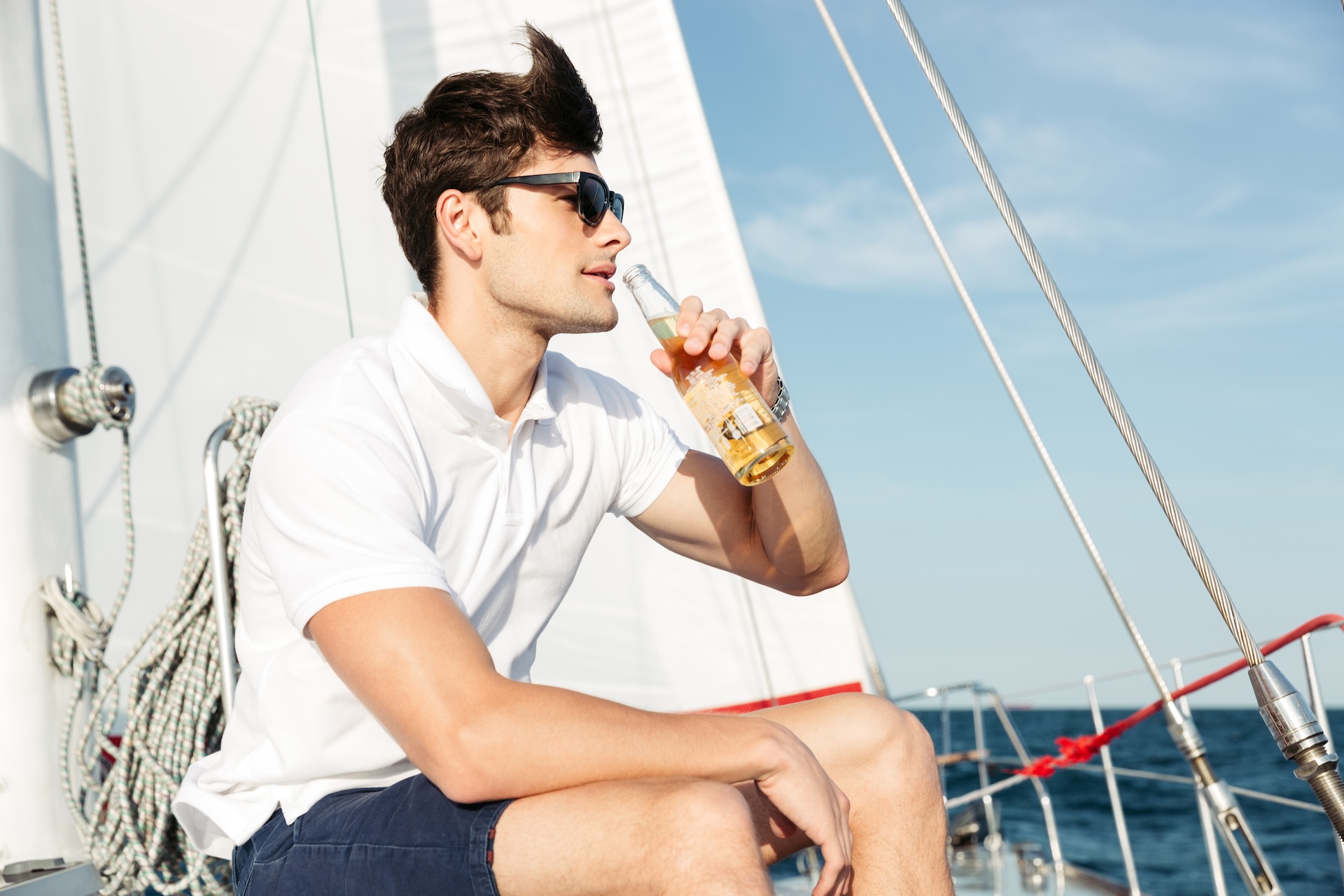
Operating your boat while impaired is a federal criminal offense in Canada, and it comes with penalties similar to drinking and driving. It's typically illegal to consume alcohol on a boat that's underway, and if you're convicted, that can mean heavy fines, criminal records, and possibly a suspended driver's license.
During peak boating season, the Canadian Safe Boating Council and law enforcement agencies run Operation Dry Water. This heightened awareness and enforcement campaign happens every summer and is designed to find and apprehend impaired vessel operators.
The risks are significant, as alcohol is a factor in almost 40% of recreational Canadian boating fatalities and is the number one cause of accidents. It's important not to mix boating and alcohol, Canada boaters. Here's what to know about the laws, risks, and how to stay safe.
What Are Canada's Impaired Boating Laws? (Criminal Code Explained)
Boating While Intoxicated (BWI) is part of Section 320.14(1) of the Criminal Code of Canada, which also addresses impaired driving. This section covers all types of vessels, including:
- Motorboats
- PWCs/jet skis
- Sailboats
- Canoes
- Kayaks
- Paddleboards
"Impairment" applies to more than just alcohol and includes cannabis (legalized in 2018), prescription drugs, and illegal substances.
The federal criminal threshold for alcohol is a Blood Alcohol Content (BAC) of 0.08% (80 mg per 100 mL of blood), the same as for impairment behind the wheel of a car. However, you can be considered impaired below 0.08% if an officer sees that you can't safely control your vessel.
For cannabis, a THC blood concentration of 2-5 ng/mL can mean a fine of up to $1,000, while anything above 5 ng/mL triggers increased penalties that match alcohol BWI. If you have a combination of 50 mg alcohol per 100 mL blood and 2.5 ng/mL THC, it’s considered a criminal offense.
Under Bill C-46, police don't need reasonable grounds to perform a sobriety test on a boater. If you refuse to comply with the test, that's automatically a criminal charge. Officers can collect breath or oral fluid samples or conduct field sobriety tests, and being arrested can lead to blood testing after detention.
BWI Penalties: Don't Mix Boating and Alcohol Canada Boaters
The penalties for a BWI in Canada aren't worth it. You'll face fines and potential imprisonment.
BWI Penalties in Canada | |
| 1st offense | Minimum $1,000 fine |
| 2nd offense | Minimum 30 days imprisonment |
| 3rd or subsequent offense | Minimum 120 days imprisonment |
There are additional provincial consequences along with the fines, including:
- Driver's license suspension (one to five years, depending on the province)
- Boat seizure
- Ignition interlock requirements
- Potential criminal record
The number of times you've been arrested for BWI and/or your blood alcohol level also matters. If you're a first offender with a BAC of 120-159 mg, you'll face a minimum fine of $1,500. If your BAC is over 160 mg, you'll face a $2,000 minimum fine, along with a mandatory 12-month driving prohibition.
Remember, it's not just about fines or a loss of driving privileges. If you're convicted, it can affect travel to the US, your employment, and your insurance rates.
You'll need to produce proof of competency (your PCOC or Canada boater's license) anytime you're stopped by police on the water. If you can't produce your PCOC, you can be fined $250, but that's a far less serious issue than being criminally charged with BWI.
Do the Rules Apply to Passengers Too?
Vessel operators are always prohibited from drinking anytime the vessel is underway, because you aren't allowed to mix boating and alcohol, Canada boaters.
Your passengers can drink on board, but only if your vessel can qualify as a "permanent residence" under the liquor laws of the province. To qualify, your vessel must meet three requirements:
- Permanent sleeping facilities
- Permanent cooking facilities, such as a built-in stove or a galley
- A permanent toilet, not a portable unit
For your passengers to legally drink, your vessel must also be anchored or docked securely, not underway. If you have a day boat, fishing boat, jet ski, canoe, or runabout, you probably don't meet the legal requirements, but if you have a houseboat or larger cruiser, you might.
Even with the exemption, though, passengers still need to stay under the 0.08% BAC limit. If they're visibly intoxicated, they can be charged with public intoxication under Section 175(1) of the Criminal Code.
Additionally, anyone who's helping you operate your vessel (such as a second person steering) is considered an operator and must remain sober.
Do Boating Alcohol Laws Differ by Province?
Federal Criminal Code penalties apply nationwide, but provincial liquor laws add another layer of requirements that can vary by location.
Key provincial callouts include:
Boating Alcohol Laws by Province | |
| Quebec | This is a notable exception in that open alcohol containers are allowed on a moving boat, and the operator may drink alcohol as long as their BAC stays below 0.08%. Any criminal penalties for BWI are the same as those in the other provinces. |
| Ontario | Open containers are prohibited on any vessel that's underway, and the permanent residence exemption is in effect when the vessel is anchored or docked. If you're convicted of BWI, it can trigger a minimum one-year driver's license suspension. Ignition interlock requirements also apply. |
| Alberta | A first offense with a BAC of 0.05%-0.08% results in a $300 fine, a three-day license suspension, and a three-day boat seizure, which is administrative, not criminal. The criminal threshold remains at 0.08%. |
| Most other provinces (BC, Saskatchewan, Manitoba, New Brunswick, Nova Scotia, Newfoundland, PEI) | Open containers are prohibited except when anchored or docked, with the permanent residence exemption. BWI penalties match impaired driving penalties in that province. |
9 of 13 provinces/territories have administrative license suspensions at 0.05% or lower, meaning that BWI consequences start well below the federal criminal threshold.
Understanding current boat drinking laws in your province is crucial. You can find up-to-date information and local regulations through your provincial RCMP (or OPP in Ontario, SQ in Quebec).
What Is Operation Dry Water?
Every year, typically during the first weekend of August, the Canadian Safe Boating Council (CSBC) holds Operation Dry Water. This campaign involves saturating high-traffic canals, rivers, and lakes across provinces with marine law enforcement.
These officers have alcohol screening devices and conduct field sobriety tests right on the water. A US equivalent, coordinated by NASBLA and the US Coast Guard, occurs around the Fourth of July, so if you're a Canadian vessel operator boating near the border, it's important to remain aware of this enhanced enforcement.
How to Stay Safe When Alcohol Is on Board
Follow these tips to stay safe when boating while alcohol is on board your vessel.
- Before you leave the dock, designate a sober skipper who won't drink for the entirety of your outing. If you have passengers who plan to drink, also confirm that your vessel qualifies for the permanent residence exemption.
- Be aware of on-the-water conditions and the impact on drinking alcohol. The sun, waves, wind, engine vibration, and other environmental stressors amplify the effects of alcohol faster than when you’re on land, in a phenomenon called "boater's hypnosis.” This effect can lead to functional impairment even if you’re below the 0.08% threshold.
- For additional protection, keep alcohol sealed and stored when you're underway, especially if your vessel doesn't qualify for the exemption, and remember to stay hydrated.
Remember that the combination of alcohol, sun, and physical activity can quickly lead to dehydration.
Also, traveling at a safe speed, having an exit plan, and anchoring safely before consuming alcohol are crucial to protecting everyone on the water.
What to Do If Something Goes Wrong
If you see an impaired boater, contact your marine police unit or call 911, and don't attempt to intervene on your own.
If you're involved in a boating accident where alcohol is a factor, make sure you cooperate with officers and don't refuse a breath or sobriety test. Refusal is an automatic criminal charge. Ensure you contact legal counsel as soon as possible.
Also, if someone falls overboard, immediately cut your vessel's engine, throw the person a flotation device, and call for help. Being impaired by alcohol, cannabis, or other drugs dramatically slows a person's response time, which is why sober operation is so important.
Get Your PCOC and Boat Safely This Season
Boating While Intoxicated (BWI) is a criminal offense throughout Canada, and the rules are stricter than many boaters realize. Enforcement is highly active throughout the summer, and criminal records and license suspensions can follow you even off the water.
Getting prepared for a summer of safe boating fun starts before you launch. To be prepared, get your boating safety certification through us at BOATERexam. You'll learn about your legal obligations, the rules of the water, and how to handle emergencies so that you can boat with confidence.
Take your Canada boating safety course with BOATERexam today.

Frequently Asked Questions (FAQs)
We’ve got answers to common questions about boating and alcohol in Canada.
Q: What are the rules for drinking on a boat in Canada?
A: It’s illegal to operate a boat while impaired by alcohol or drugs anywhere in Canada. In most provinces, alcohol can only be consumed on a boat if it has permanent sleeping, cooking, and toilet facilities and is securely anchored or docked. Provincial liquor laws may add additional restrictions.
Q: Can you drink beer while fishing in Canada?
A: Usually, no. If you're fishing from a typical fishing boat that's underway or doesn't qualify as a "permanent residence" vessel, drinking alcohol is generally prohibited. If you're fishing from a qualifying boat that's anchored or docked, provincial rules may allow alcohol consumption.
Q: Can you drink on a kayak in Ontario?
A: No. A kayak doesn't meet Ontario's requirements for a boat where alcohol can legally be consumed, and operating any vessel while impaired is a criminal offense. Open alcohol is generally not permitted while a kayak is underway.
Q: Can you drink while boating in Canada?
A: If you're operating the boat, you should not drink. Across Canada, it's illegal to operate a vessel while impaired, and many provinces prohibit alcohol on boats that are underway unless a limited exemption applies for larger boats with permanent living facilities.
Q: Can you drink alcohol on a boat in Manitoba?
A: Generally, only if the boat is anchored or docked and qualifies as a vessel with permanent sleeping, cooking, and toilet facilities under provincial liquor laws. On most fishing boats, runabouts, canoes, and similar vessels, alcohol consumption isn't permitted while boating.
Q: Can you bring alcohol on a boat in Canada?
A: Yes. In most provinces, you can bring alcohol on your boat as long as it's transported legally. However, whether you can consume it depends on provincial liquor laws. On many recreational boats, unopened alcohol should remain stored while the vessel is underway.
Q: Can you drink on a boat in Canada?
A: It depends. Boat operators must never operate a vessel while impaired. Passengers may be allowed to drink only if the boat has permanent sleeping, cooking, and toilet facilities and is securely anchored or docked, subject to provincial laws. Most day boats, fishing boats, canoes, and kayaks don't qualify for this exemption.
Q: What's the BAC limit?
A: The federal criminal BAC limit for operating a boat in Canada is 0.08% (80 mg of alcohol per 100 mL of blood), the same as for driving a motor vehicle. However, you can still face penalties if you're impaired below that level, and some provinces impose administrative penalties starting at 0.05%.
Q: Can you lose your driver's license for BWI?
A: Yes. A conviction for boating while impaired (BWI) can result in the suspension or prohibition of your driver's license, even though the offense occurred on the water. The length of the suspension depends on provincial laws and the circumstances of the offense.