How is Safe Speed Defined for Vessels in Canada?

Throughout Canada, "safe speed" is defined as the speed that allows your vessel to stop at a safe distance and/or take appropriate action to avoid an accident, based on prevailing conditions. By following the safe speed rule, boating enthusiasts can reduce collisions on Canada's waterways.
Safe speed varies by situation; you'll need to factor in traffic, water and wind conditions, hazards, and visibility, as well as your vessel's capabilities (including maneuverability and stopping distance). In most provinces, there's also a standardized, unposted speed limit of 10 km/h within 30 meters of shore, which applies to all vessel types to help everyone avoid boating accidents.
Understanding and following safe speed rules is essential for protecting yourself and others. Here's everything you need to know.
What Is Considered a Safe Speed for Boat Operation?
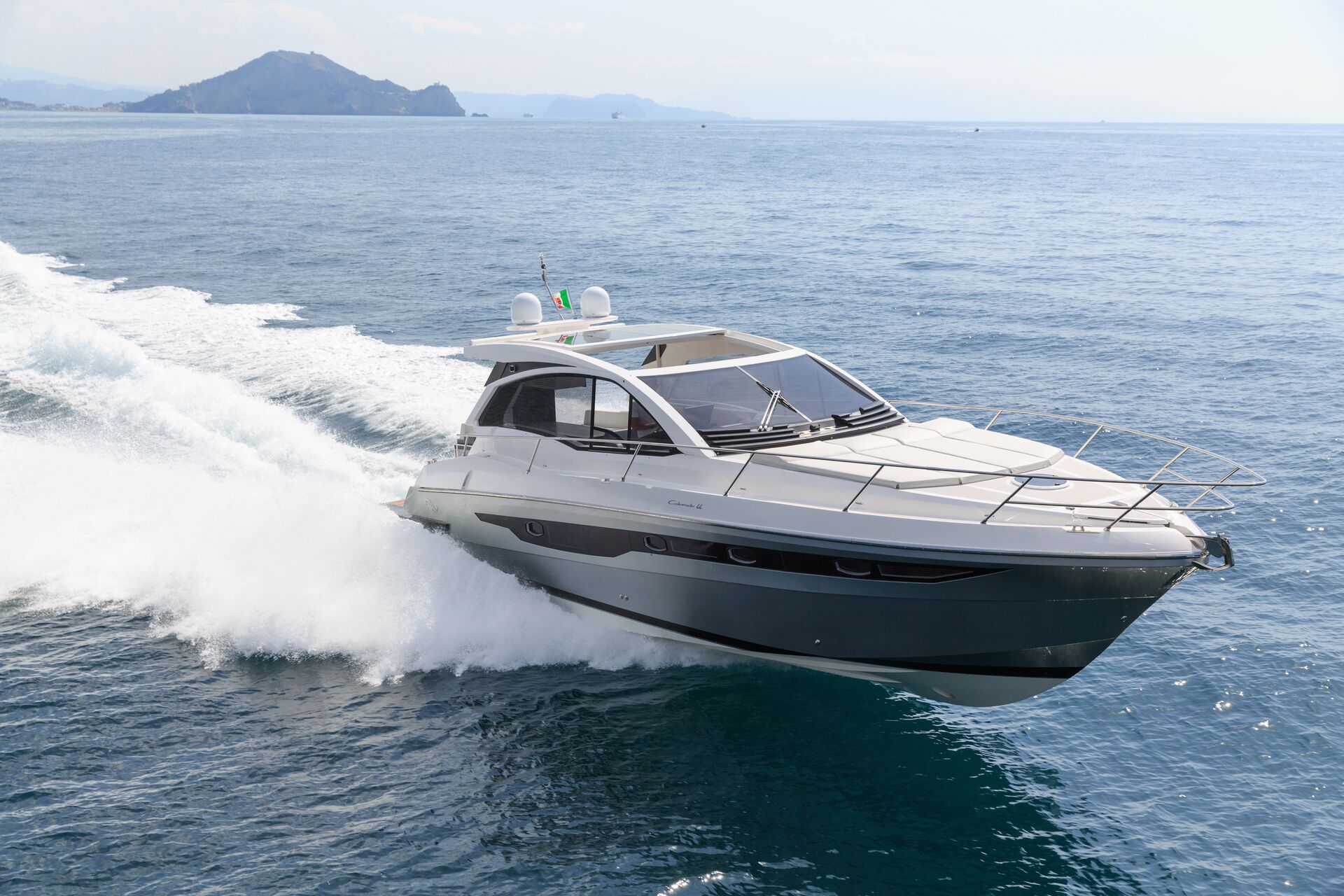
A safe speed for boat travel lets you, as the operator, stop within a safe distance and take the proper steps to avoid an accident. Safe speed is not a fixed number—instead, it's a situational judgment based on boating conditions and a boat's capabilities.
When determining a safe speed, account for your boat's maneuverability and stopping ability, because the type of vessel you have can significantly affect those factors. Additionally, pay close attention to your environment: use a boating weather app, check for vessel traffic, and watch out for hazards, all of which can influence what your boat can do.
How Do You Determine the Safe Speed Rule, Boating Enthusiasts?
Consider the following strategies for determining a safe speed for your vessel.
- Assess visibility and account for fog, darkness, glare, precipitation, and other factors that reduce sightlines.
- Consider traffic density, including the number of vessels, paddlers, swimmers, and floating obstacles.
- Evaluate wind, waves, and current strength, which affect your control and stopping ability.
- Note your proximity to hazards such as rocks, shoals, floating debris, and shorelines.
- Factor in your vessel's handling characteristics, including its size, propulsion type, turning radius, and acceleration and deceleration rates.
To comply with regulatory requirements, adjust your speed based on your vessel's capabilities and your surroundings. Consider local speed limits and no-wake zones in which you may need to move more slowly, even if you feel a safe speed for your vessel could (or should) be higher.

At What Speed Should Every Vessel Navigate in Canada?
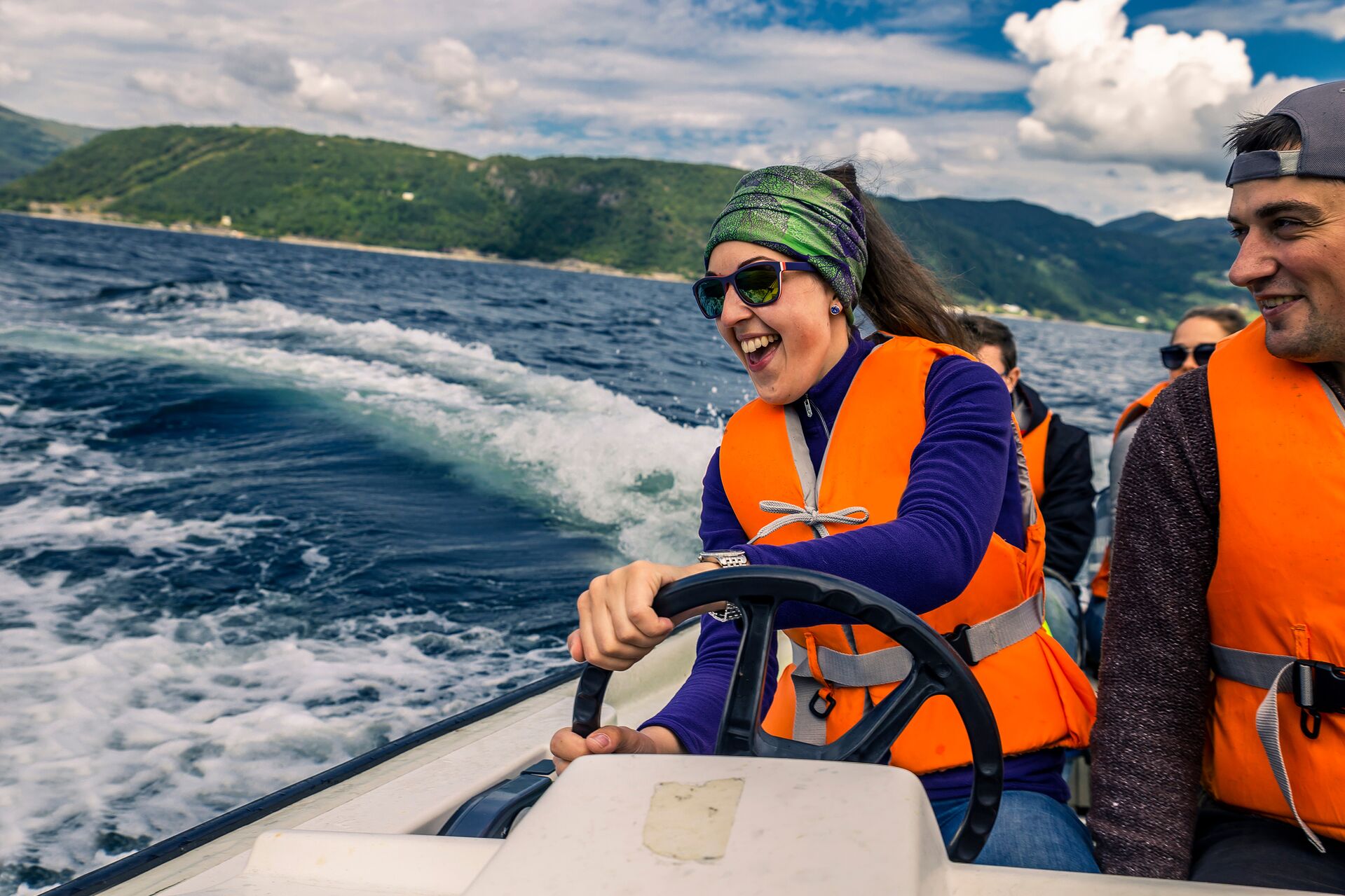
Every vessel should follow the national default shoreline limit, which is 10 km/h within 30 meters (100 feet) of shore in most provinces unless otherwise posted. This guideline applies to all types of vessels, including motorboats, personal watercraft (PWCs), sailboats under power, and human-powered craft with motors.
Outside of these parameters, there isn't a single nationwide speed limit. Instead, your vessel should travel at a safe speed that's appropriate to the current conditions. Ask yourself, "When should a boat proceed at a safe speed?" and then ensure you're following any guidelines for your location.
Always prioritize collision avoidance and wake reduction near shorelines, docks, and swimmers, and significantly reduce your speed in these areas.
What Determines if a Speed Is Safe for Your Boat?
If you follow the safe speed rule, boating can be safer and more enjoyable for everyone on the water. You'll help avoid some of the leading causes of boating accidents and reduce risks to yourself and others.
So, what determines if a speed is safe for your boat? One of the most significant considerations for safe speed is your stopping distance. If you can't stop or maneuver quickly enough to avoid a hazard, you're not traveling at a safe speed.
Be sure to account for your vessel's maneuverability and responsiveness. Other major factors in determining a safe speed for your boat include visibility, weather conditions, the traffic levels and activity around you, water depth, and any known hazards in the area.
Why Is Operating at a Safe Speed Important?
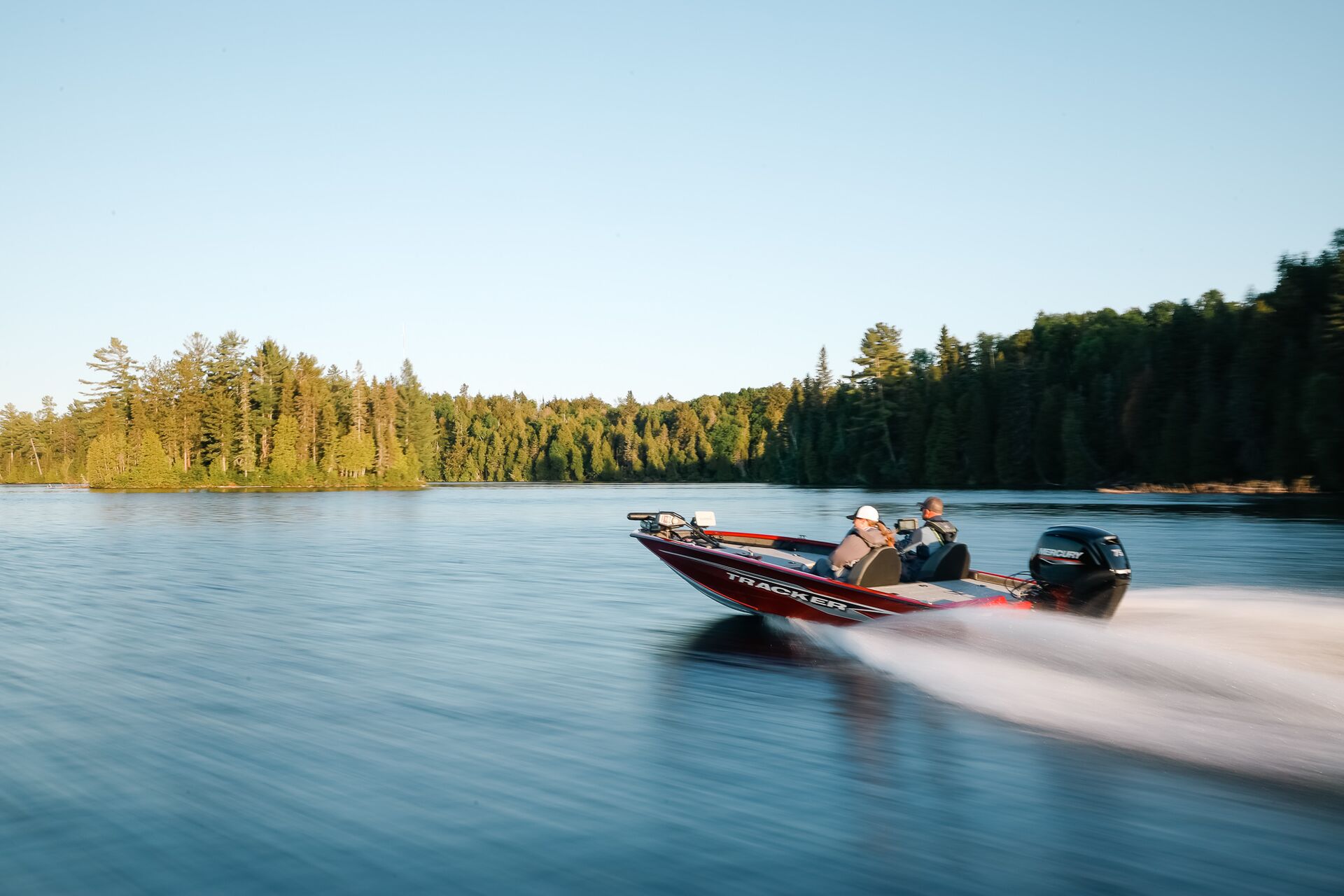
When you operate at a safe speed for boat activities, you ensure you have enough time to react to unexpected vessel movements or sudden hazards. You'll also reduce your chances of collisions, grounding, or striking swimmers, wildlife, or floating obstacles.
Traveling at a safe speed also makes it easier to maintain complete control of your vessel in changing weather and water conditions, or in congested areas, and it minimizes wake impacts. By following the safe speed rule, boating enthusiasts also protect shorelines, docks, moored boats, and paddlers from the impact of aggressive waves.
When you travel at a safe speed, you comply with Canadian boating regulations, avoiding fines and penalties. You also enhance the safety and comfort of everyone on board your vessel by preventing abrupt maneuvers or loss of balance.
Safe speed can also help your boat last longer by reducing fuel consumption and mechanical strain.
What Can Go Wrong When Operating a Boat at Unsafe Speeds?
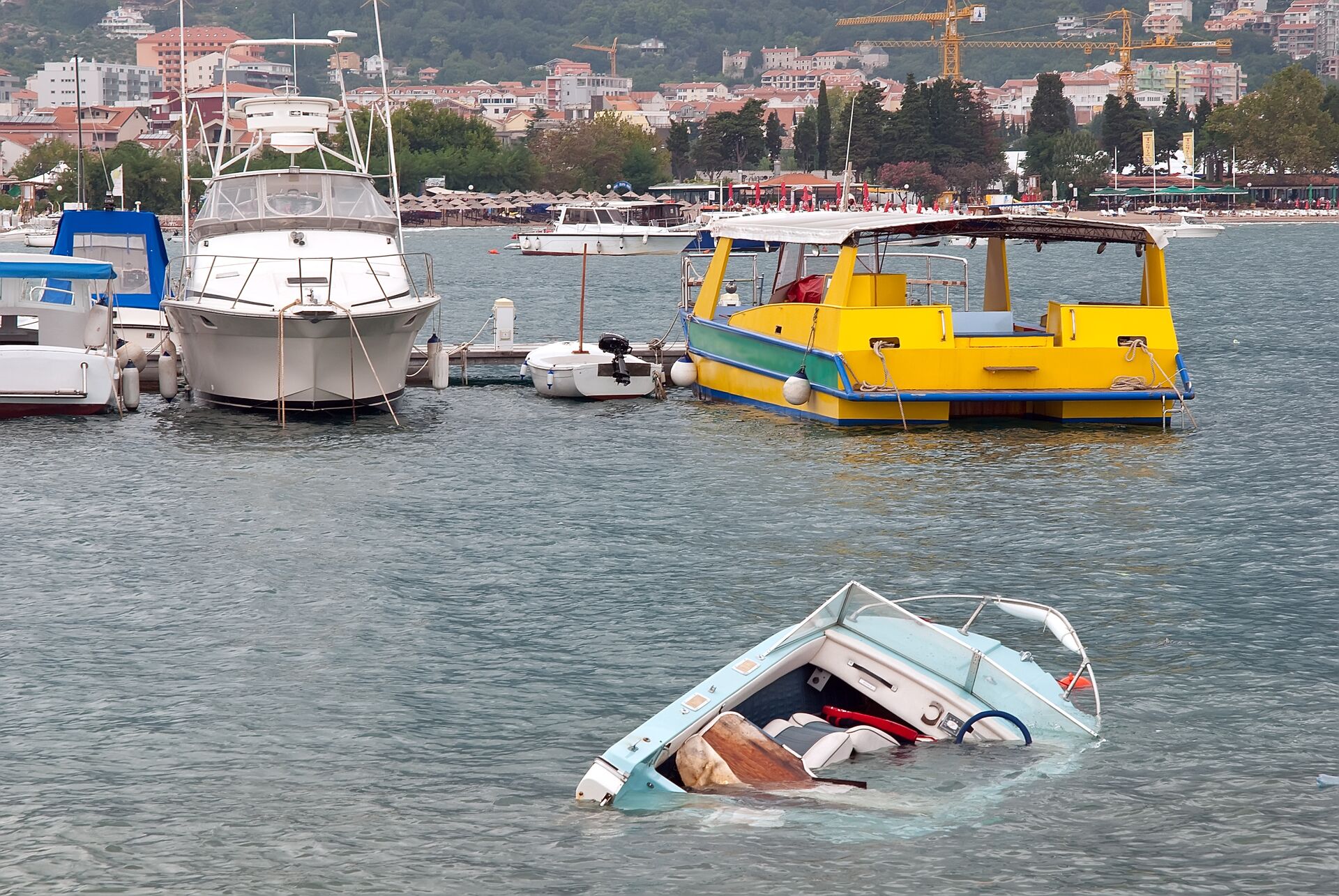
If you travel too fast, you could be risking:
- Collisions with other vessels, swimmers, submerged objects, or fixed structures
- Accidents caused by an inability to stop or turn quickly
- Loss of control in rough water, strong winds, or tight channels
- Large wakes, which could capsize smaller vessels, damage docks, or erode local shorelines
- Passenger injuries due to sudden impacts, falls, or being thrown overboard
If you don't boat at a safe speed, you could damage your vessel's propeller, hull, or steering system. Boating at unsafe speeds may also cause environmental damage, such as disturbing wildlife or stirring up sediment.
Finally, traveling at unsafe speeds increases your chances of legal consequences, including fines or liability for damages. Additional consequences may include higher insurance rates or the inability to get a boat insurance policy.
Protect Yourself on Canadian Waters With a Boater Education Course
Before you head out on Canadian waters at any speed, make sure you've taken a boater education course.
Not only will you learn about speed limits, boating safety, etiquette, navigation, and much more, but you'll also meet Transport Canada's requirement for boater education. Canada requires all motorized boat operators to pass a boater safety course (like BOATERexam). Our course is engaging and convenient to take anywhere you can connect to the internet with a computer or mobile device.

Frequently Asked Questions (FAQs)
We have answers to the top questions about how safe speed is defined in Canada.
Q: What is considered a safe speed for a vessel?
A: A safe speed is one that allows the vessel to take proper and effective action to avoid collision and to be stopped within an appropriate distance for the existing conditions.
Q: How do you determine a safe speed?
A: When boating, you can determine a safe speed by assessing conditions such as visibility, traffic density, maneuverability of your vessel, weather, sea state, current, proximity of hazards, and whether you are using radar.
Q: At what speed should every vessel navigate in Canada?
A: In Canada, every vessel must travel at a safe speed at all times, as required by the Collision Regulations.
Q: What is a factor that determines if a speed is safe for your boat?
A: One key factor in determining safe speed on the water is visibility (e.g., fog, darkness, rain), but traffic, weather, water conditions, and your boat’s handling ability also play major roles.