The Guide to Emergency Flares and Signaling Laws in Canada
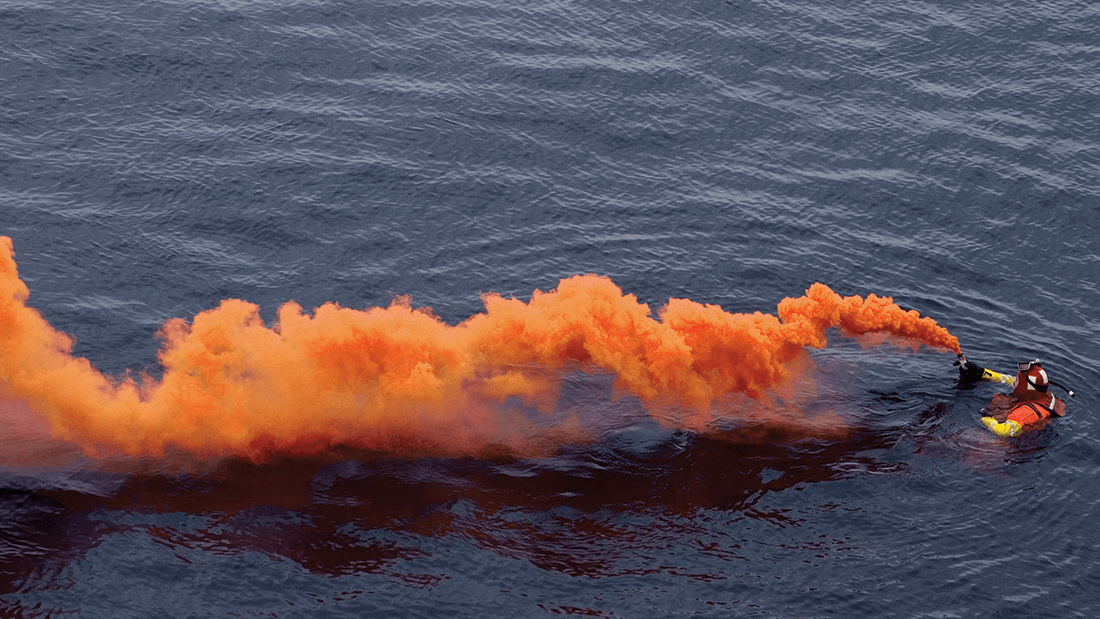
The size of your boat affects how many flares you'll need to carry, as well as the type of flares you'll be required to use. If your vessel's length is six meters or less, you'll need three flares. Boats 12 meters or longer require 12 flares.
If you're a boater in Canada, you need to understand national signaling laws and the proper use of boat flares. Carrying emergency flares and signals is a requirement for boating more than one nautical mile from the shoreline, as well as in ocean waters.
Here's what to know about having the right flares as part of your boat safety equipment, along with how to use your flares for proper signaling.
Why Boat Flares Matter for Boaters in Canada
Canada requires approved emergency flares or signals for anyone boating on ocean waters or in any location where your vessel can travel more than one nautical mile from shore. The number and type of flares you're required to carry depend on the size of your boat.
If you don't want to carry standard boat distress flares, you can use Electronic Visual Distress Signals (eVDSDs), provided they're Transport Canada-approved.
Flare Requirements by Boat Size in Canada | |
| 6 m or less | Must carry 3 flares (no smoke signals) |
| Over 6 m to 9 m | Must carry 6 flares (no smoke signals) |
| Over 9 m to 12 m | Must carry 12 flares (at least half must not be smoke signals) |
| Over 12 m | Must carry 12 flares (at least half must not be smoke signals) |
Note that eVDSDs can be carried instead of some pyrotechnic flares if they meet approval standards.
General Rules Every Boater Should Know
Only use your flares in real emergencies. If you discharge boat flares outside of an actual distress situation, you'll be breaking the law and could face fines and penalties.
The expiration date on your flares also matters. Use pyrotechnic flares within four years of their manufacture date.
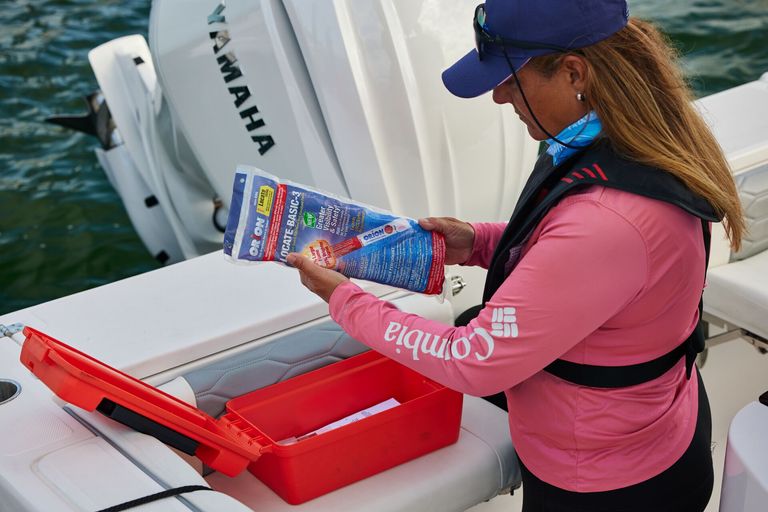
To ensure your boat flares work when you need them, store them properly in a readily accessible, secure, and dry location. Expired or unused boat distress flares are considered dangerous goods, so dispose of them properly and contact local authorities or the manufacturer for assistance.
If you're using eVDSDs instead of pyrotechnic flares, they must include a near-IR signal and be operable between –1°C and +30°C.

When Should I Use Flares While Boating?
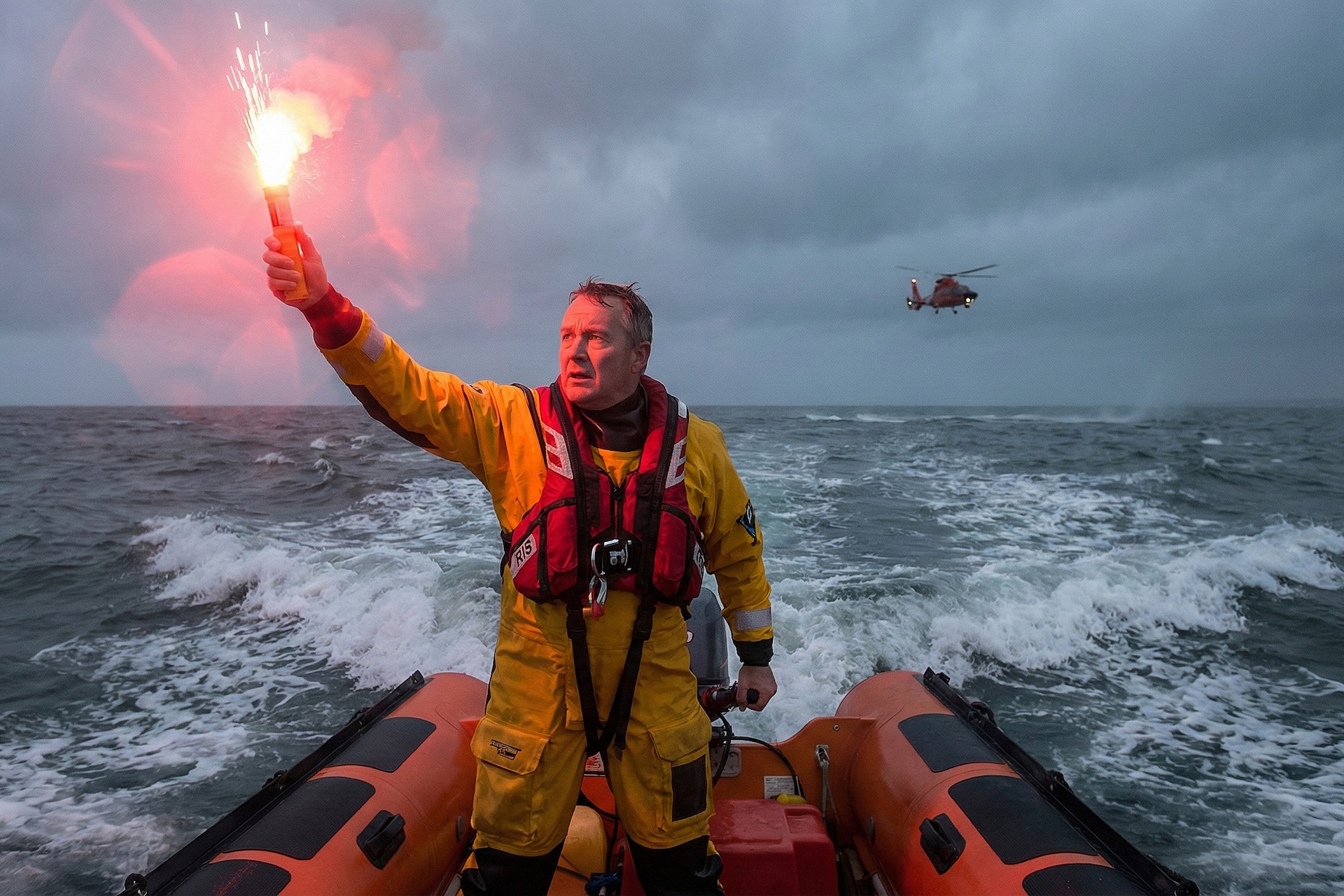
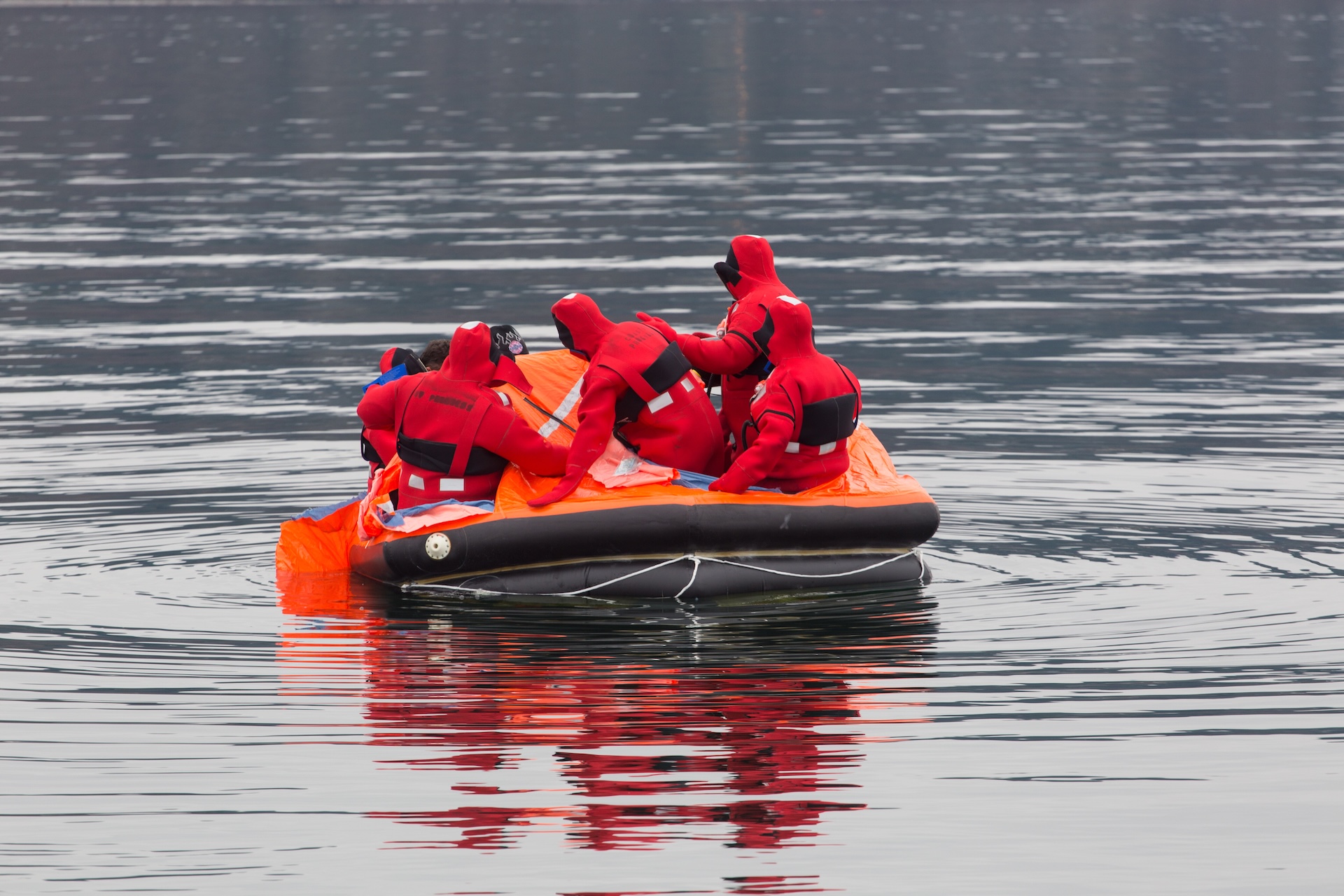
You should use flares when you're in immediate danger and need assistance. Boat distress flares can be vital if your vessel is disabled, sinking, on fire, taking on water, or drifting into hazards.
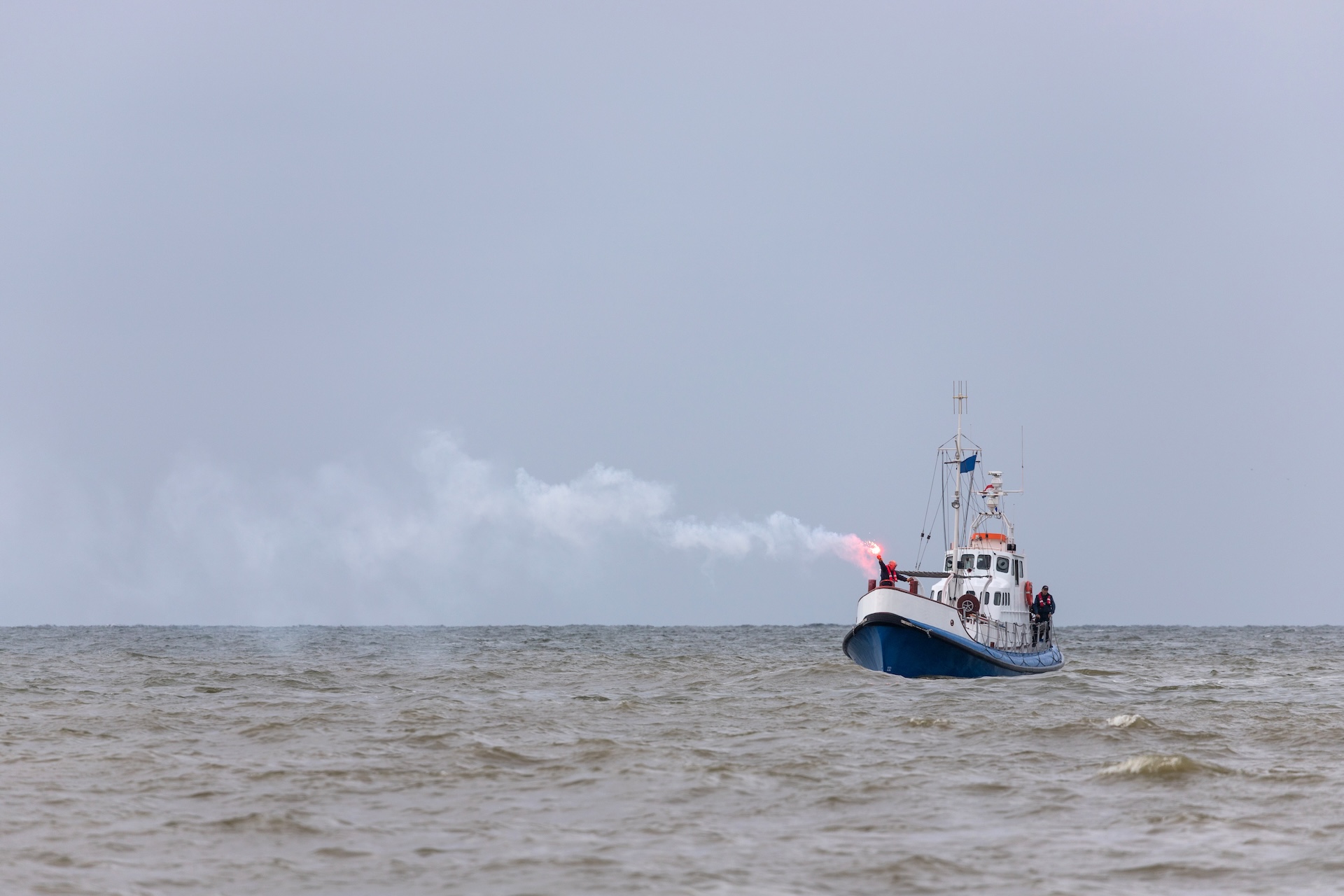
When rescuers get close to your location, use flares to signal them and help them find you. At night or in low-visibility conditions, being able to locate your vessel is critical for rescue.
When Should I Not Use Boat Distress Flares?
You should never use boat flares for testing or demonstrations. Those uses are illegal and dangerous. Avoid using flares if you're not in actual distress or if help is already on the way, as a flare could create confusion.
If you're in a high-fire-risk environment, you shouldn't use pyrotechnic flares unless there's no other choice. Don't use smoke flares in windy conditions, as the smoke will disperse quickly, rendering them ineffective.
What Other Signals Can I Use?
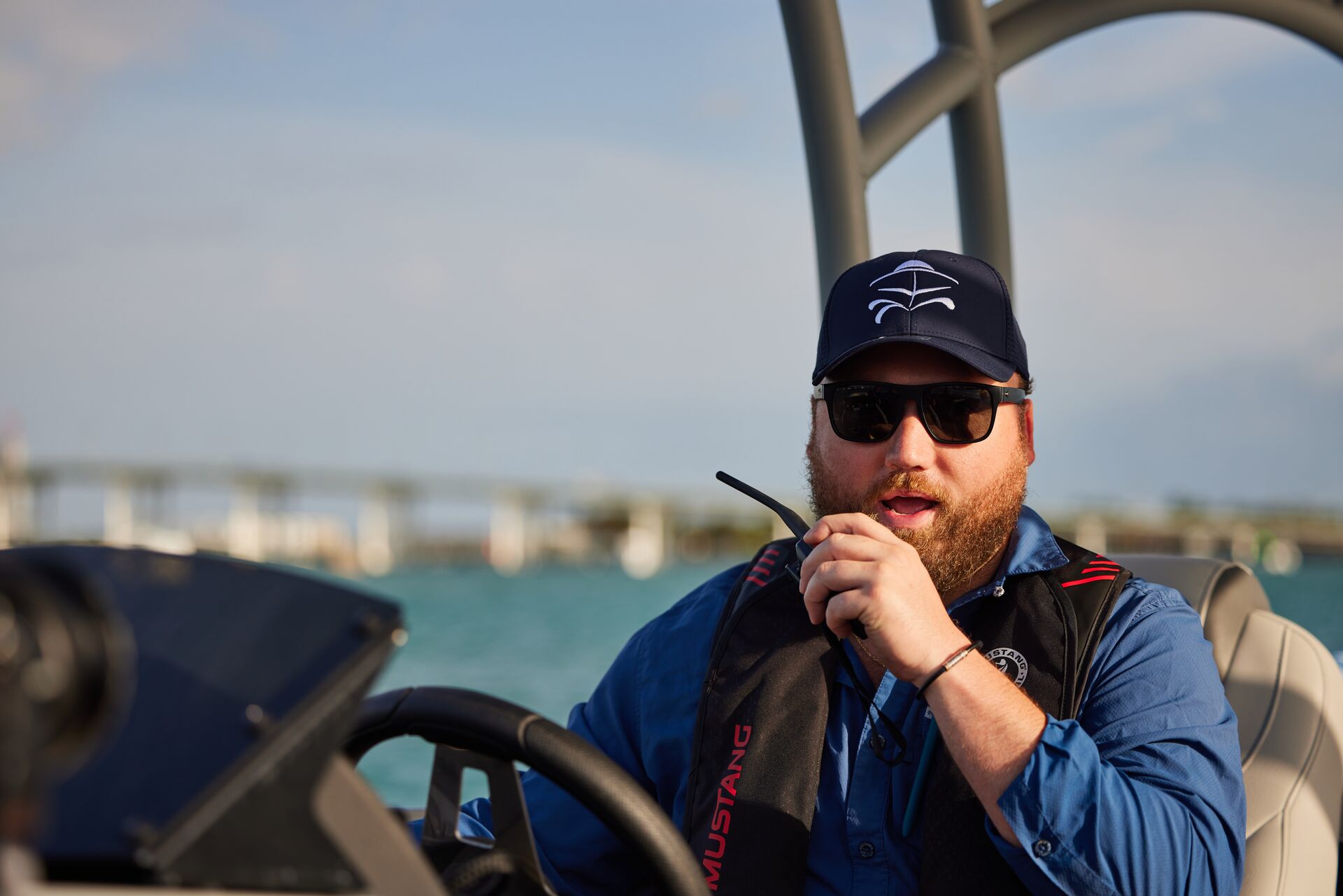
Along with flares, there are other ways you can signal for help. If you have a VHF Marine Radio, you can call Mayday on Channel 16, and rescuers can home in on your signal.
A cellphone can be helpful as a backup signaling option, but it's less reliable than VHF and makes it more difficult for rescuers to locate you. Consider supplementing your flares or other signaling methods with visual devices, such as bright flashlights, distress flags, and mirrors, to increase the likelihood of a rapid rescue.
How Can I Learn More About Flare Rules in Canada?
To get more information about boat distress flares, you can consult the Transport Canada Safe Boating Guide, where you'll find up-to-date equipment regulations. Also, consider checking with the local Canadian Coast Guard or boating safety organizations that offer training and resources.
Another great way to learn more about flare rules is to take a boating safety course, like ours at BOATERexam. You may also want to attend a boating safety seminar or a hands-on class offered by a yacht club or a marine rescue group.
What Other Safety Equipment Do I Need On Board?
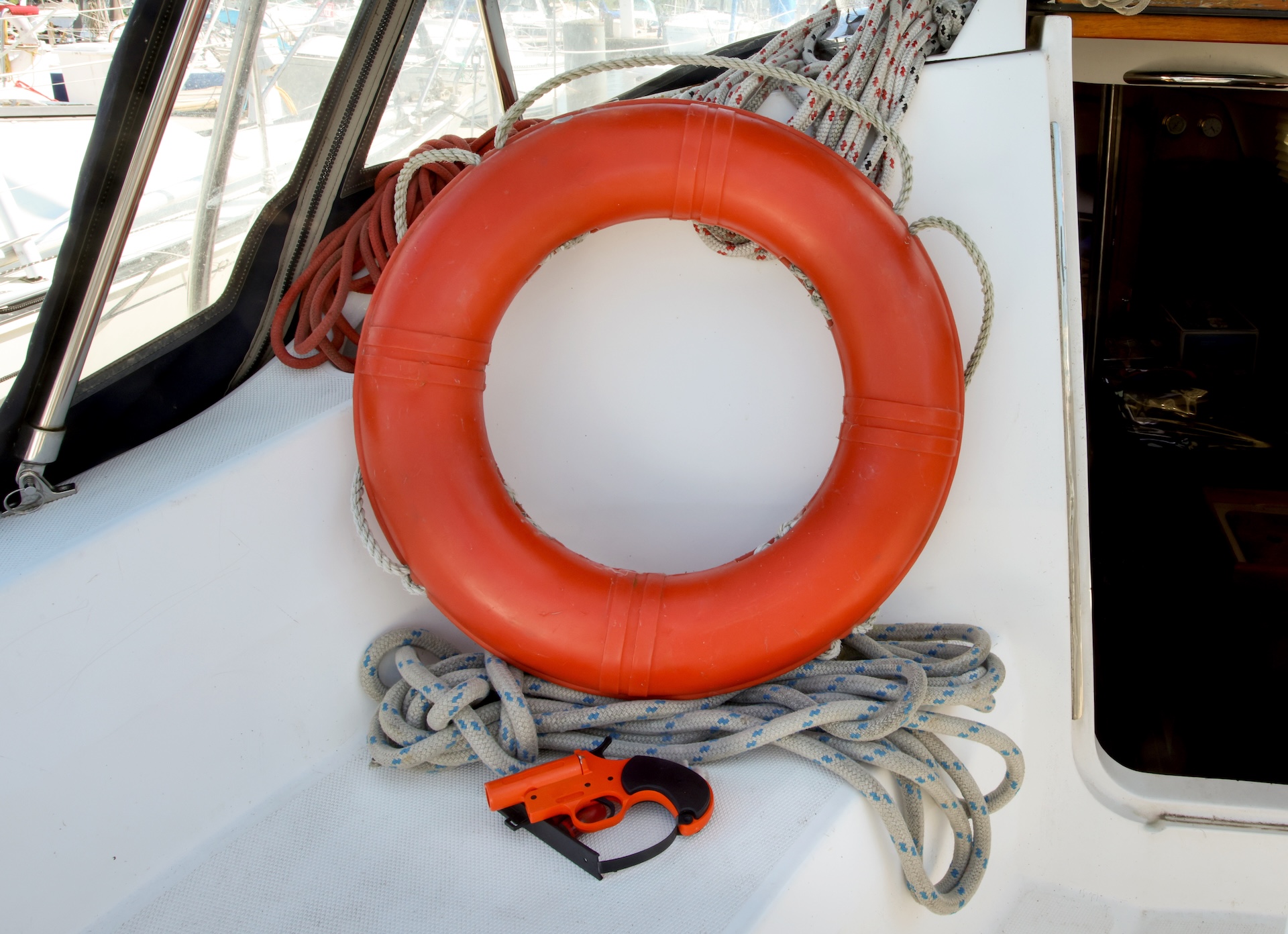
Along with boat flares, you'll need other safety equipment, including approved life jackets or PFDs for each person on board. Make sure your vessel has a buoyant heaving line or lifebuoy (depending on its size), along with the correct fire extinguisher(s) for your vessel's fuel and engine type.
You should also travel with a bailer or manual pump, an anchor and rode, a reboarding device, and navigation lights. Your navigation lights will depend on the size and type of your vessel, and you should also bring a sound-signaling device, such as a whistle, horn, or bell, as boat sound signals are vital for safe navigation.
Lastly, don't forget to include a first-aid kit, basic tools, spare parts, a VHF radio, a compass, charts, and other navigation aids.
BOATERexam Helps You Boat Safely and Legally in Canada
We hope this information helps you stock your boat with the right boat flares and knowledge to use them properly!
Before you head out on Canada's waterways, make sure you've taken a boater education course. With boater education courses like ours at BOATERexam, you'll get plenty of information about flares and other safety equipment. You'll also learn about navigation, etiquette, and other details that can make you a more responsible, confident boater.
Plus, Transport Canada requires boat operators to pass a boater safety course. After completing your BOATERexam course and passing the final exam, you'll be ready to boat safely and legally in Canada!

Frequently Asked Questions (FAQs)
We have answers to common questions about boat distress flares in Canada.
Q: Are flares legal in Canada?
A: Yes, flares are legal in Canada when they are approved marine distress signals and used according to federal safety regulations. They are primarily intended for emergency use on the water and must meet safety standards set by national authorities.
Q: How many flares are required on a boat in Canada?
A: In most cases, recreational boats operating in Canadian waters must carry at least three approved distress flares, provided the vessel is required to carry them based on its size and where it is operating. The flares must be unexpired and readily accessible.
Q: Are signal flares legal?
A: Signal flares are legal in Canada when they are government-approved marine distress flares and are carried for safety purposes. However, using them outside of a genuine emergency or in a way that poses a hazard can lead to fines or other penalties.
Q: What are the rules for flares?
A: Marine flares in Canada must be approved by Transport Canada, within their expiry date, and stored in a dry, accessible location on board. They are to be used only in real distress situations, and expired flares must be disposed of properly at designated collection sites rather than thrown in the garbage.