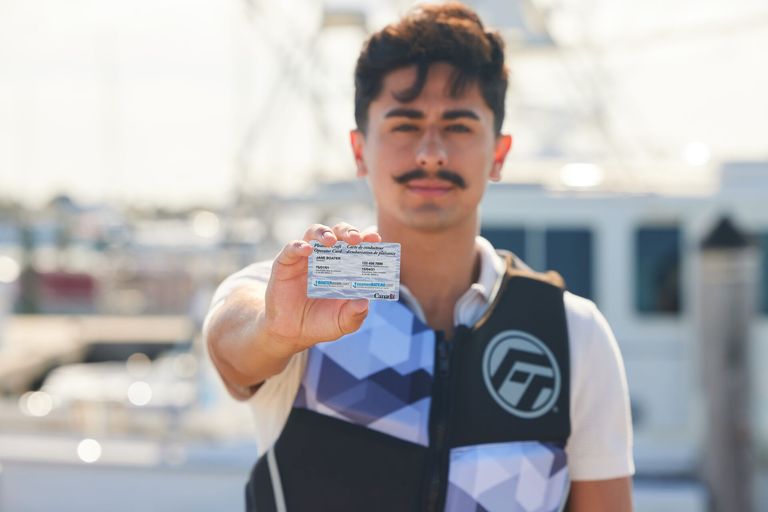
Do You Need a Boating Licence to Go Fishing in Canada? (PCOC + Fishing Licence)
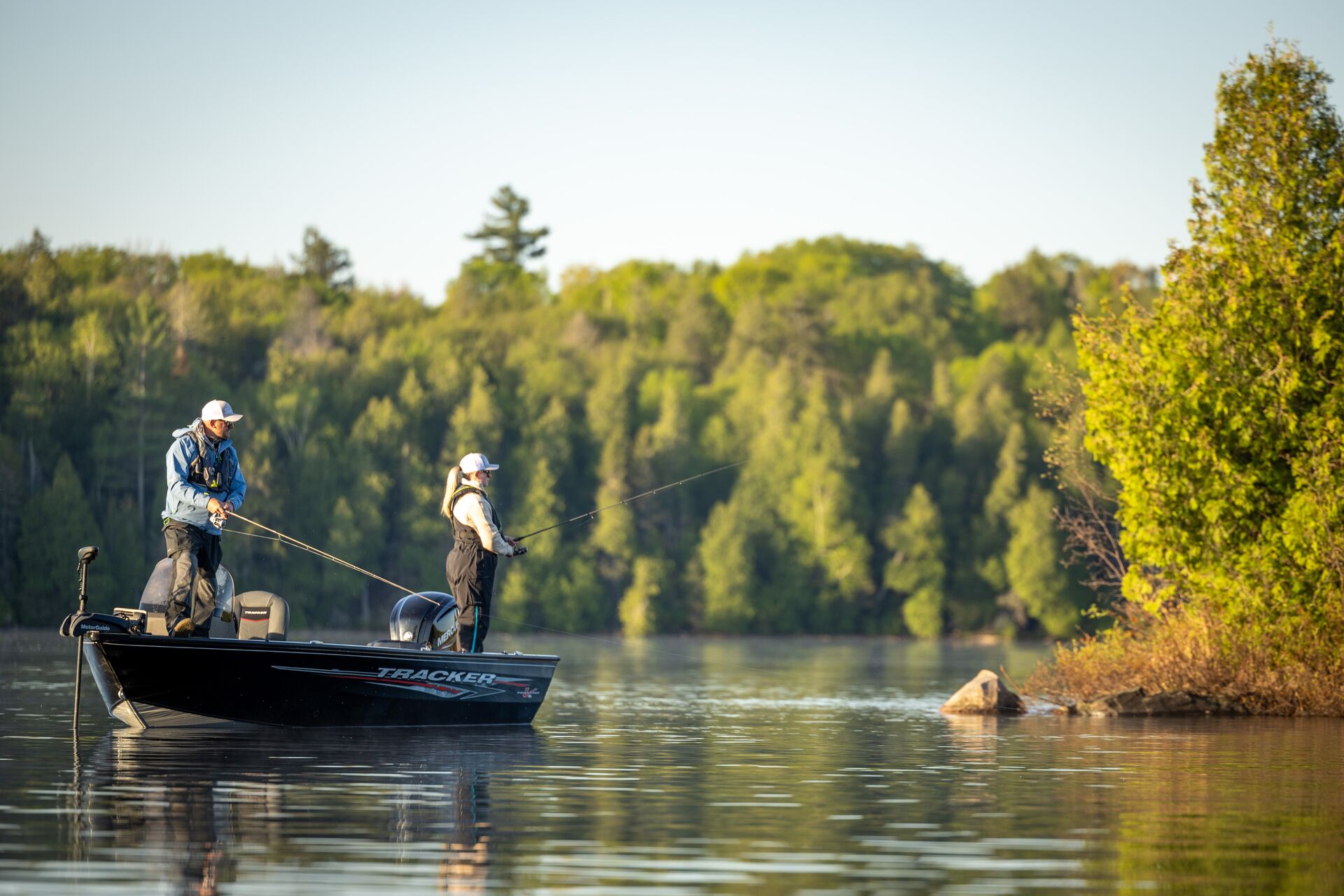
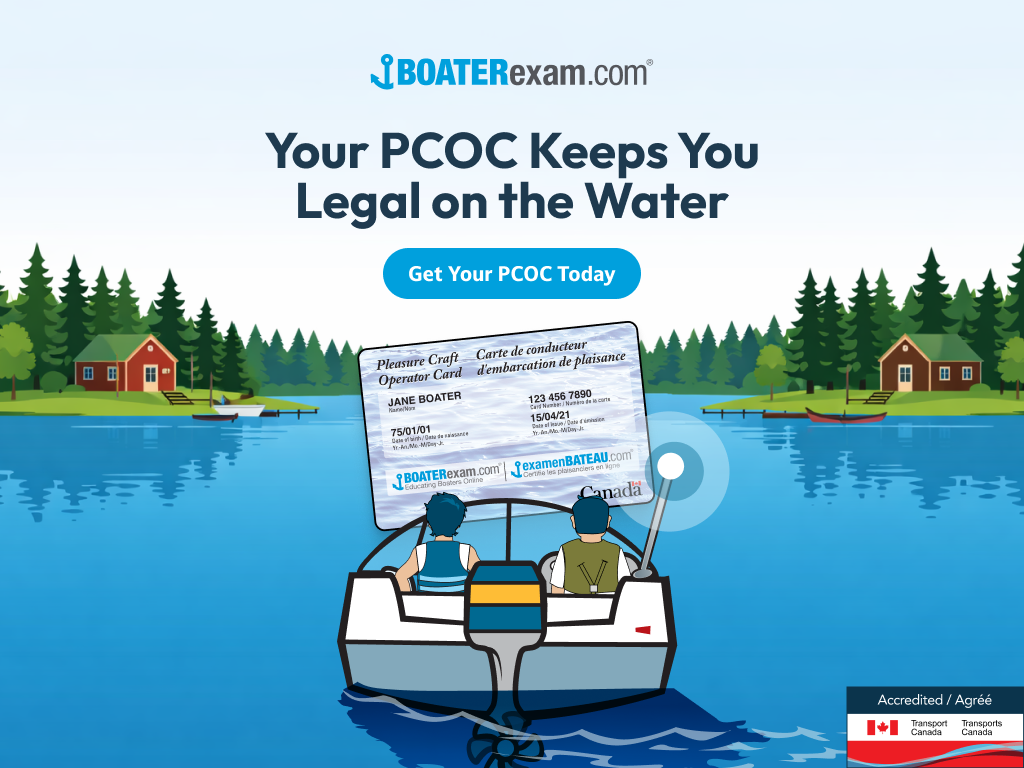
If you're fishing from a motorized vessel in Canada, you'll need both a Pleasure Craft Operator Card (PCOC) and a provincial fishing licence. These are two separate credentials, and you can't use one in place of the other. You'll need both on board at all times.
Here's what you need to meet boating safety course requirements, get your PCOC, and then get your fishing licence Ontario boaters. If you're in a different province, the PCOC requirements are the same. But fishing licence requirements vary by province, so follow your local rules.
Do You Need a PCOC to Fish from a Boat in Canada?
You can fish from a boat as a passenger without a PCOC, but if you're operating a motorized vessel, you need a Pleasure Craft Operator Card, regardless of the boat's size or horsepower. That applies to gas inboard and outboard motors, electric motors of any kind, and even small trolling motors.
Remember, there's no exemption for a fishing boat. The PCOC requirement isn't about the boat's activity or its occupants, but the motor itself. The good news is that getting your PCOC is simple. It's a one-time credential that's valid for life, and you never need to renew it. Generally, it costs $30 to $70 CAD, and that covers the course, exam, and card.
The PCOC has very limited exemptions, including operators from Nunavut and the Northwest Territories, certain Indigenous people with existing agreements, and non-residents visiting the country with their vessel for under 45 consecutive days. If you don't fall under one of these exemptions and operate a motorized boat without a PCOC, you could be fined $250 plus provincial charges.
Do You Need a Separate Fishing Licence Ontario Boaters?
Yes, you'll need a fishing licence BC, Ontario, and other provinces accept in order to legally catch and keep fish, regardless of any boating licence you already have. Canada has no single national recreational fishing licence, and each province or territory has its own rules and requirements.
Freshwater licences are a territorial or provincial responsibility, and tidal or saltwater recreational licences, such as those in Atlantic Canada and British Columbia, are issued by Fisheries and Oceans Canada (DFO), not the province.
Each province has fees, minimum ages, and other licence requirements, and they can vary. Most of the time, you can purchase a licence online through the DFO portal or your province, so you'll be ready to get on the water and start fishing.
PCOC vs Fishing Licence Comparison | ||
| Feature | PCOC (Pleasure Craft Operator Card) | Provincial/Territorial Fishing Licence |
Issued by | Transport Canada (via accredited course providers) | Provincial or territorial government, or DFO for tidal waters |
What it proves | Competency to operate a motorized boat | Permission to catch and keep fish |
Required for | Anyone operating a motorized vessel of any size | Anyone fishing, whether from a boat, shore, kayak, or canoe |
Cost | One-time fee, roughly $30–$70 CAD | Varies by province, residency, and species; confirm current provincial rates |
Validity | Lifetime, no renewal | Typically annual, with some short-term options |
Needed for a non-motorized kayak/canoe angler | No | Yes |
Needed for a motorized fishing boat operator | Yes | Yes, in addition to the PCOC |
How to Know If You Need Both a Fishing Licence and a PCOC
If you're wondering whether you need a fishing licence Saskatchewan or in other provinces, there are a few things to consider. Use the list below to decide what you need and ensure you're legally compliant before you cast your first line.
- Determine whether you'll be fishing from a motorized vessel, including one with an electric trolling motor.
- If you're using a motorized vessel, take an accredited course and get your Pleasure Craft Operator Card.
- Check with your province for its fishing licence requirements and any fees you'll need to pay.
- Buy your provincial fishing licence, which is separate from your PCOC.
- Keep both documents on board at all times when you're fishing.
Don't skip these steps, because you could be fined by two different enforcement bodies if you aren't properly licenced. You could face a fine from Transport Canada for operating a motorized vessel without a PCOC, and a fine from provincial conservation officers for fishing without a licence.
What to Carry When Fishing From a Boat in Canada
When you're fishing from a boat in Canadian waters, you must carry important documents at all times. Just having them and leaving them on shore won't protect you from fines and other penalties.
To stay legally compliant, make sure you have:
- A valid PCOC (or other accepted competency proof), if you're operating a motorized vessel.
- A valid provincial or territorial fishing licence that applies to the water being fished (a fishing licence Ontario accepts might not work for Saskatchewan, for example).
- A DFO tidal waters licence, if you're saltwater fishing in Atlantic Canada or BC.
- A government-issued photo ID (like a driver's licence).
- A Pleasure Craft Licence (PCL) registration, if your vessel's engine is 10 hp or higher.
If you're missing any of those documents, it's best to stay on shore. Wait to fish from your boat until you're fully compliant, so you can have a great day on the water without worrying about fines and penalties.
Fishing From a Kayak, Canoe, or Other Non-Motorized Boat
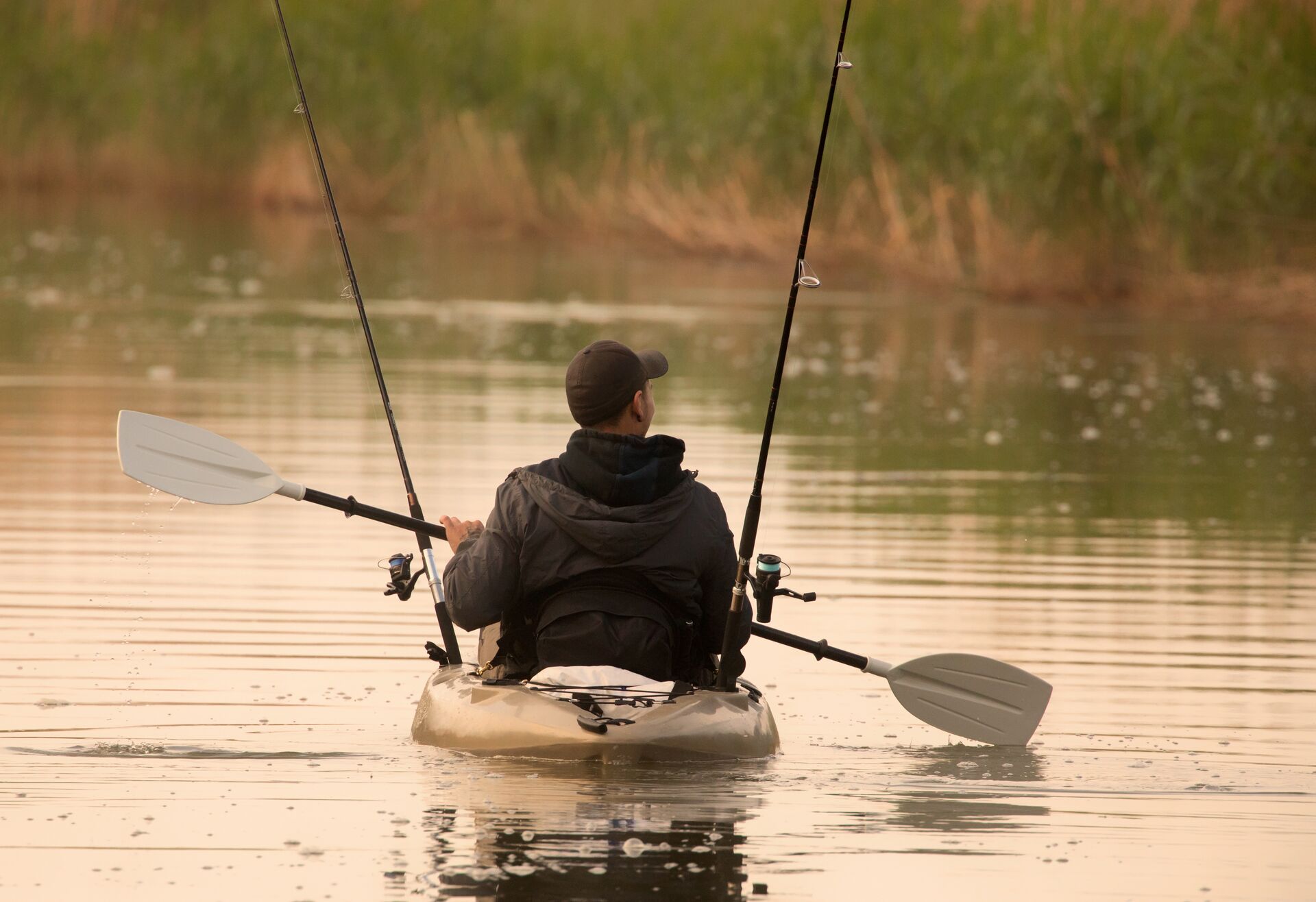
If you're operating a paddleboard, non-motorized kayak, or canoe, you're exempt from the PCOC requirement. However, you'll still need a fishing licence. That's because the licence is tied to the activity, not whether you're operating a boat.
Any motor, gas or electric, can trigger the PCOC requirement, even if it's just a small trolling motor on the back of your kayak or canoe. Additionally, a motorized canoe or kayak may also require a Pleasure Craft Licence (PCL), depending on the motor size. It's always best to check with local authorities instead of assuming you don't need to meet additional requirements.
Fishing With an Electric Trolling Motor
Using an electric trolling motor on your boat counts as operating a motorized vessel under Transport Canada's Competency of Operators of Pleasure Craft Regulations. So you'll need a PCOC no matter the motor's size or output. That includes motors under 10 hp and applies to trolling motors mounted on traditional boats, inflatable boats, or motorized kayaks.
The requirement for a fishing licence Alberta or other provinces accept won't change based on your boat's propulsion, so you'll still need it to catch and keep fish in Canadian waters.
What Happens If You Fish Without the Right Documents
Fishing without proper documents can get you into trouble and may mean you'll need to pay fines. For example, recreational fishing licences in Ontario are required for fishing in the province.
And if you're also operating a motorized vessel, you can be fined $250 if you don't have a PCOC. Without a fishing licence, conservation officers could also confiscate your catch.
Because the two penalties come from different enforcement agencies, both could apply to the same outing. If you have a fishing licence Manitoba recognizes, but you're fishing in BC, you could also be fined because requirements differ and are controlled by the provinces.
Always have the right licences and carry your documents whenever you're on the water to avoid delays and penalties during inspections.
Get Licenced for the Boat and the Catch
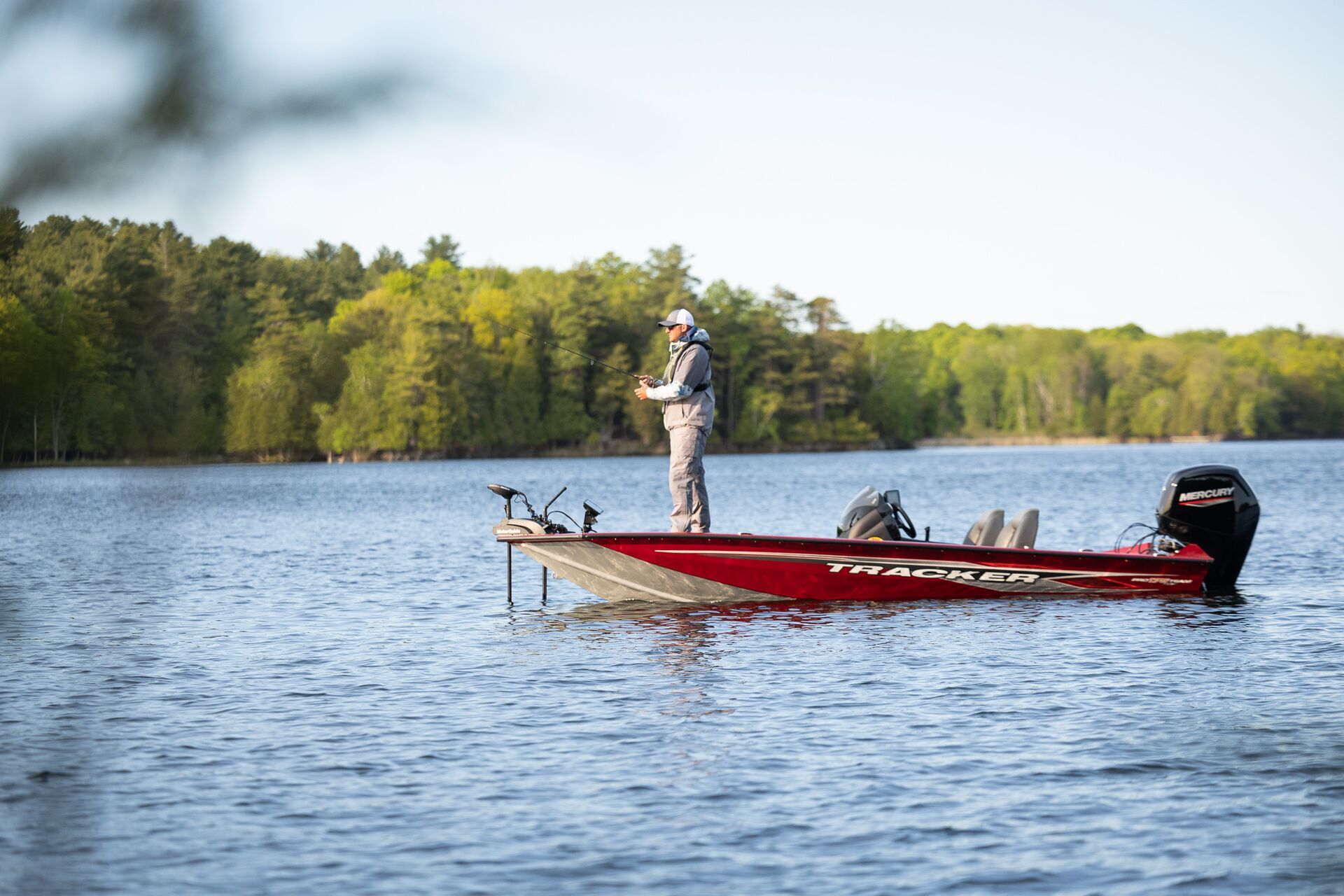
In short, a PCOC covers the boat, and a fishing licence covers the activity. You need both credentials when you're operating a motorized vessel and fishing from it. If you're operating a non-motorized vessel, though, you only need a fishing licence, as the PCOC isn't required.
Before heading out, confirm the fishing licence details for the province where you're fishing, since rules can vary, and get PCOC-certified through us at BOATERexam so you're confident and prepared before your next fishing trip.

Frequently Asked Questions (FAQs)
Q: Do you need a fishing licence and a boating licence in Canada?
A: Yes, in most cases. A fishing licence authorizes recreational fishing, while a PCOC or other accepted proof of competency covers operating a motorized pleasure craft. Fishing licence requirements vary by province, territory, and type of water.
Q: Can you fish from a boat without a PCOC?
A: You can fish as a passenger without a PCOC, but the person operating a motorized pleasure craft generally needs proof of competency. This applies even when the boat has an electric motor.
Q: Does a fishing licence cover operating the boat?
A: No. A fishing licence and proof of boating competency serve different purposes. A fishing licence covers the right to fish under applicable fisheries regulations, while a PCOC or other accepted proof of competency applies to operating a power-driven pleasure craft.
Q: Do you need a boating licence to fish from a kayak or canoe?
A: Not if the kayak or canoe is non-motorized. A PCOC isn't required to operate a non-powered pleasure craft, but you may still need a fishing licence. If the kayak or canoe has a motor, you generally need proof of competency.
Q: Is a fishing licence province-specific or valid across Canada?
A: Fishing licences aren't generally valid across all of Canada. Provinces and territories primarily manage freshwater fishing, while federal rules apply to many marine fisheries. Check the licensing requirements for the specific waters where you plan to fish.
Q: Do visitors from the US need a PCOC to fish from a boat in Canada?
A: It depends on the boat and how long it's in Canada. U.S. visitors operating their own foreign-registered boat for fewer than 45 consecutive days generally don't need Canadian proof of competency, although they must carry proof of residence. If the boat is Canadian-registered, rented, or operated for 45 consecutive days or more, Canadian proof-of-competency rules apply.
Q: Do you need a fishing licence to fish from a rental boat in Canada?
A: Yes, renting the boat doesn't replace the fishing licence required for the waters you're fishing. Fishing licences are separate from boating credentials. If you're operating a rented motorized boat, you'll also need the applicable proof of competency, which can include a completed Rental Boat Safety Checklist in certain circumstances.