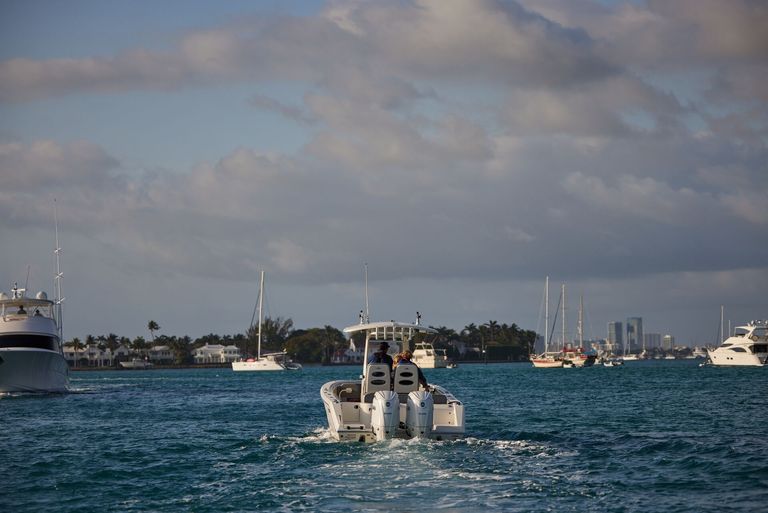
Which Types of Flare Kit is Best for New Boaters?
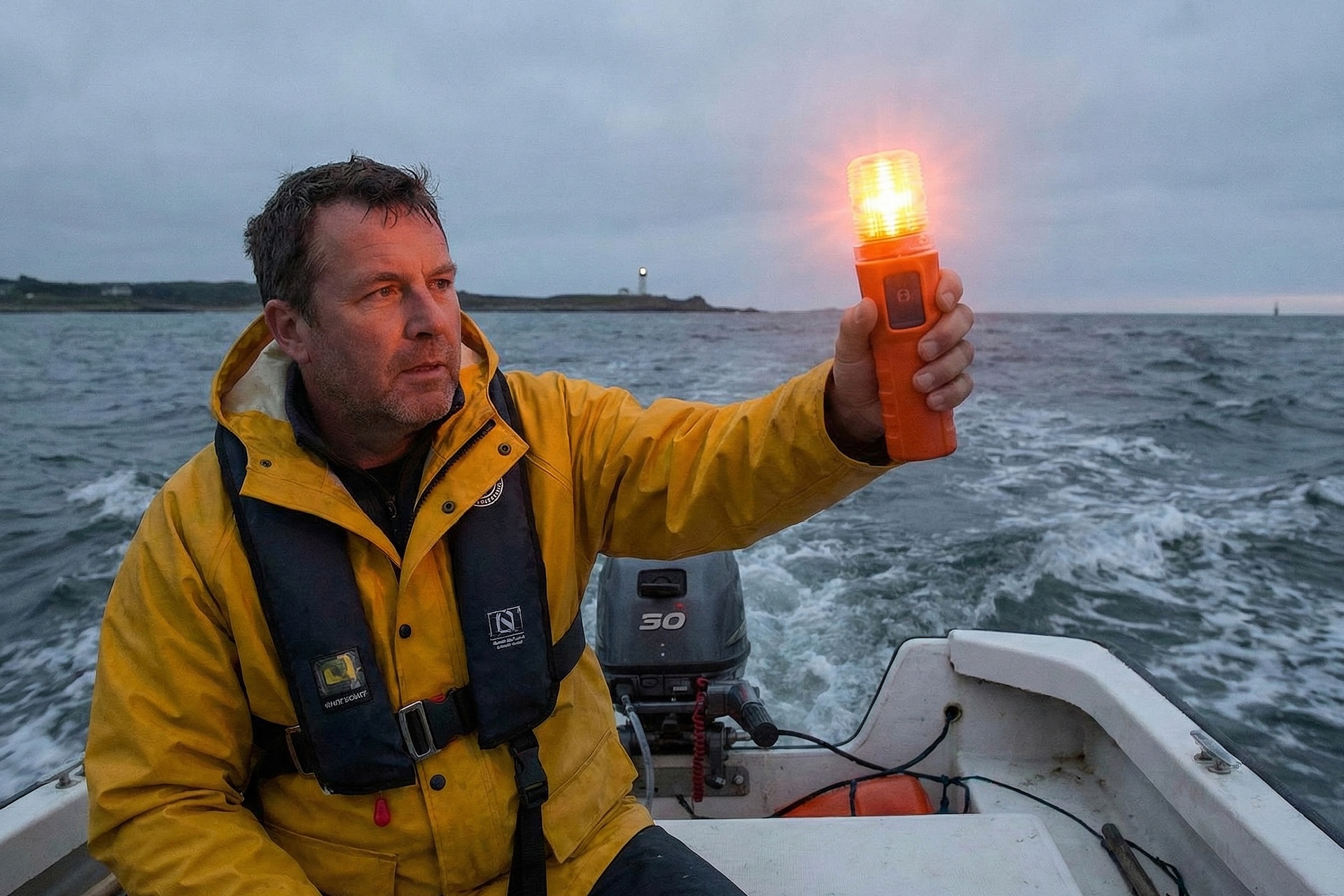
Flares are a critical component of boating safety, but not all flare guns are suitable for boating. Your boat flare gun kit should be legally compliant, easy to use, and highly visible in case of distress on the water.
We recommended a combination of electronic flares and traditional pyrotechnic flares as part of your boating safety equipment. The Canadian government now accepts electronic visual distress signals (eVDSDs) that meet the RTCM13200 standard when accompanied by a smoke signal. Though pyrotechnic flares are still required, eVDSDs offer a non-expiring, reusable alternative with additional benefits, including near-infrared and dual-color SOS signaling.
Let's take a closer look at how to create the best boat flare kit for safe, enjoyable trips on the water.
What Is a Flare Kit?
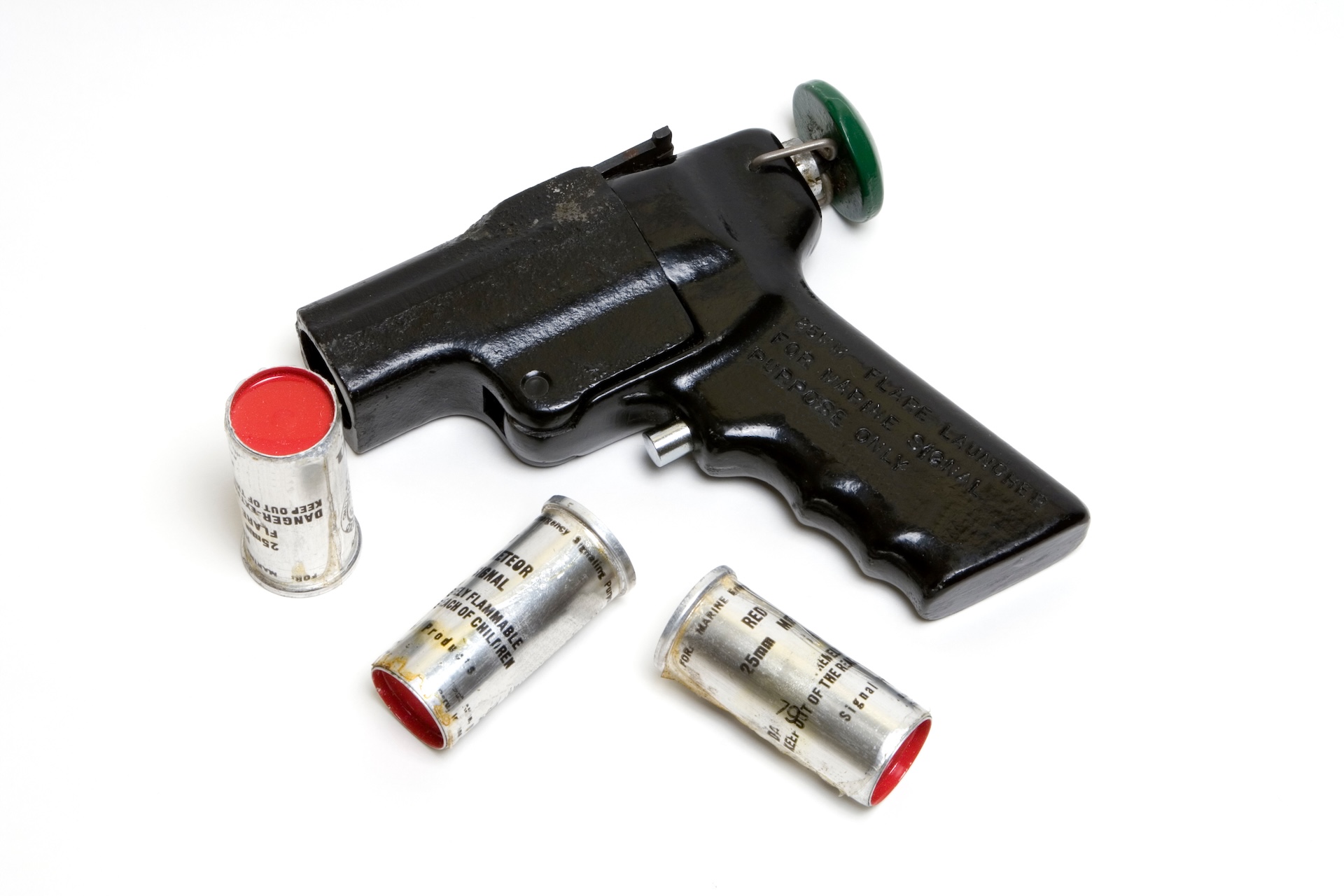
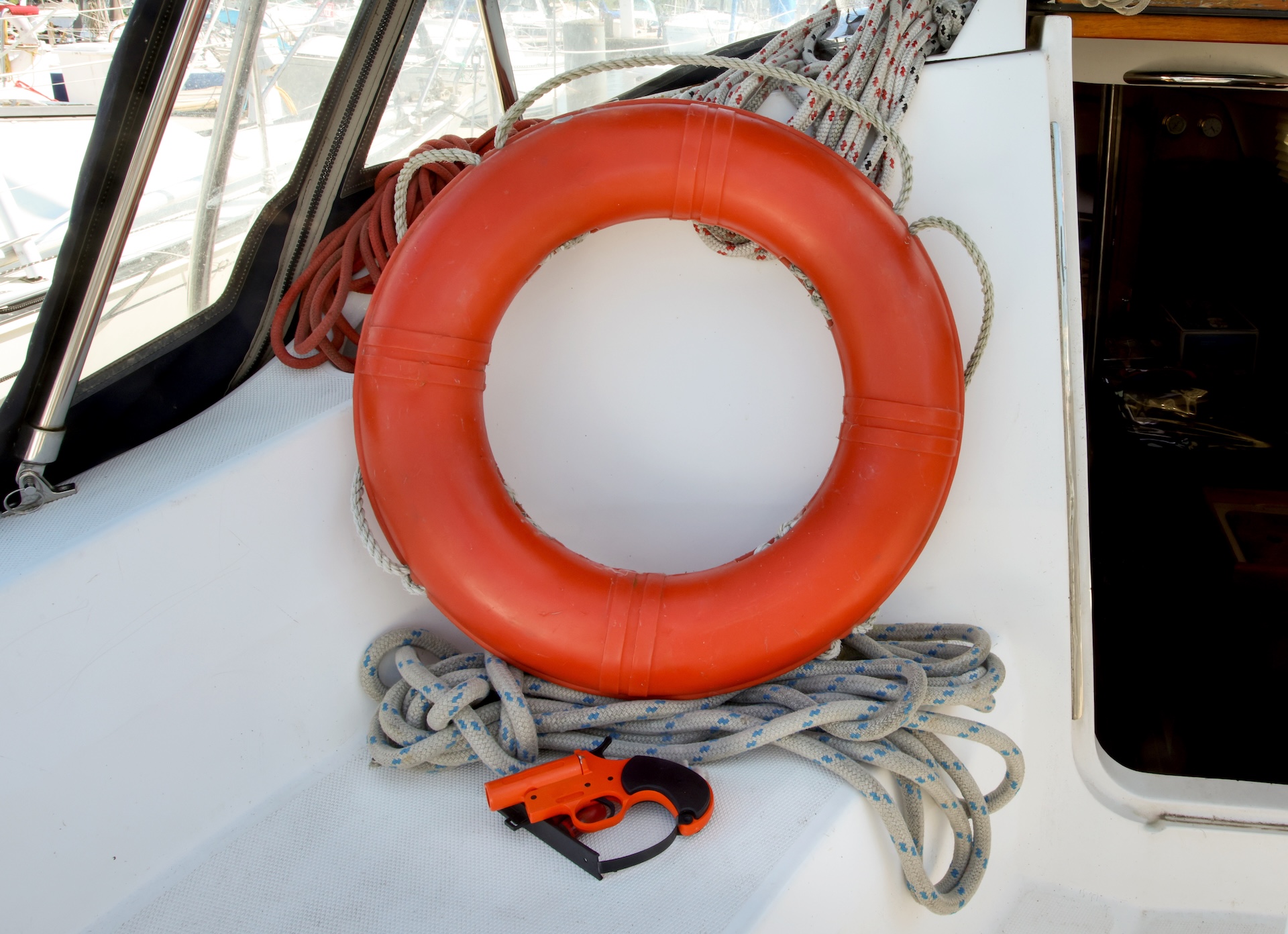
Flare kits are mandatory safety equipment for boats. A boat flare kit consists of approved visual distress signals for emergency use and typically falls into two categories.
Pyrotechnic flares (types A, C, D) rely on a combustion reaction to produce a bright light or smoke. Non-pyrotechnic flares, including electronic distress signals (eVDSDs), such as LED lighting, can emit an SOS signal if compliant with Transport Canada standards.
Boaters can use flares to alert rescuers to distress at sea anytime, day or night. Most flare kits are sold in compact, easy-to-store, watertight plastic containers designed to keep flares dry, protected, and weather-resistant. Kit contents vary depending on boat size, intended operating zones, and local regulatory requirements.
Why Do Boats Need a Flare Kit?
If you've ever seen an aerial image of a boat lost at sea, you know how the vastness of the water can engulf vessels. A reliable boat flare kit can help you maximize visibility, ensuring you have a proven way to signal your location to rescuers.
Flares are visible over long distances in low-light, night, fog, or daylight conditions (depending on the type). Transport Canada requires pleasure craft to carry approved visual distress signals as part of mandatory safety equipment so that, in an emergency, rescuers can locate your vessel quickly, even in remote or high-traffic areas.
Having both electronic and pyrotechnic flares on board will increase the chances of being seen if one method fails. Some boaters may also be more comfortable with one signalling style over another, preferring a traditional flare gun over an electronic option in an emergency.
Remember: boat flare gun kit standards are minimum requirements. From there, it's up to you to build on them with your own safety gear and processes.


What Type Of Flares Do I Need On My Boat?
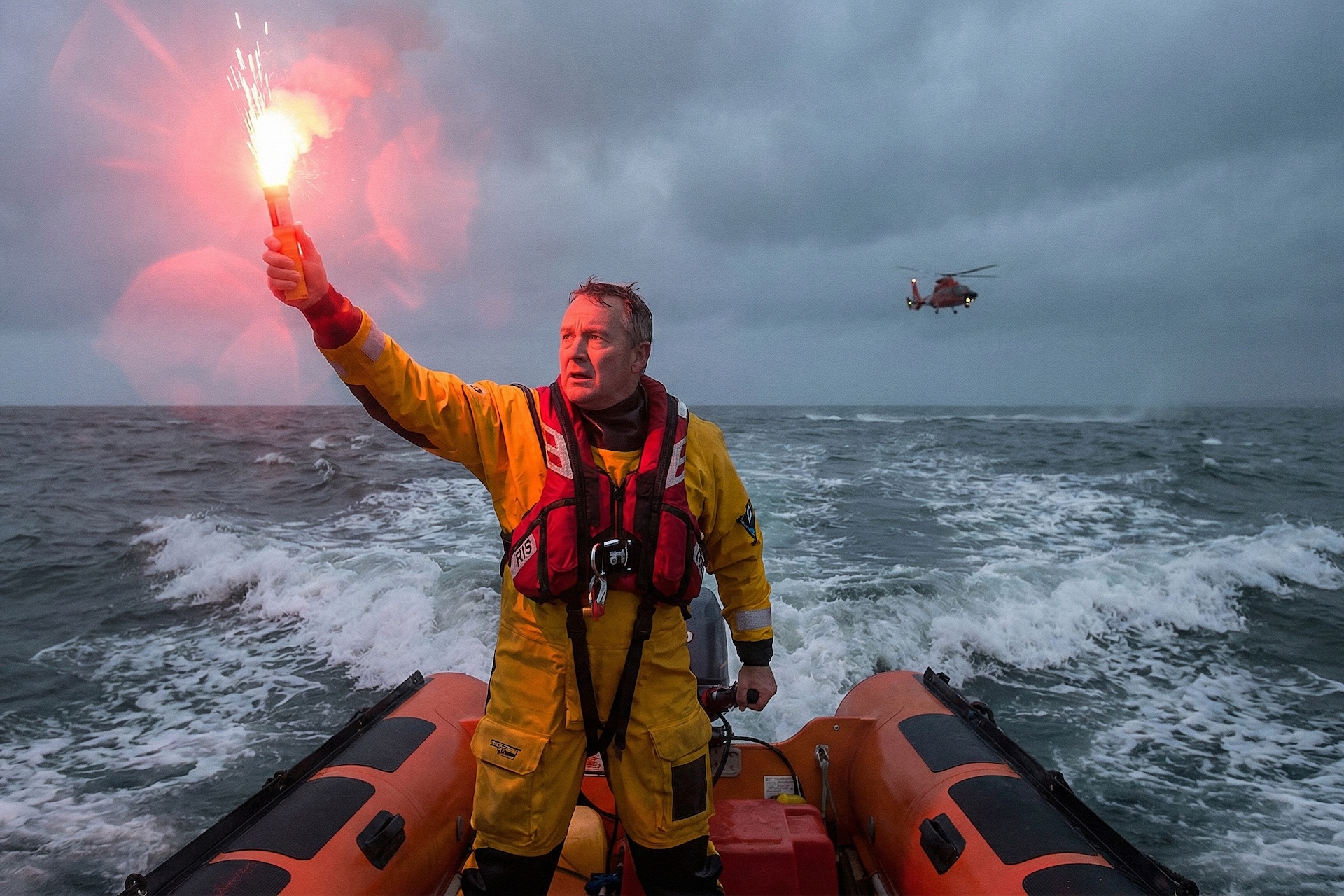
Due to recent legislative changes, you can now use a combination of an RTCM 13200-approved eVDSD and a smoke signal to meet Transport Canada's visual distress requirements for pleasure craft. However, we still highly recommend carrying pyrotechnic flares in addition to your electronic device, especially for high-intensity nighttime and long-range signaling.
Having a mix of flare types can help in case one fails or conditions change.
Most standard kits include Type A (parachute), Type C (handheld), and Type D (smoke) flares, covering both day and night conditions. Look for eVDSDs at any quality marine supplier, and ensure they are explicitly approved by Transport Canada (TC) or the Canadian Coast Guard (CCG) and labeled for maritime use.
Always double-check requirements relevant to your vessel, as the exact number and types required depend on boat length (namely, if the ship is over or under six metres).
Best Boat Flare Gun Kit Setup For New Canadian Boaters
A flare kit, much like a fire extinguisher, is a necessary piece of safety equipment for any vessel.
The ultimate boat flare gun kit should meet all conditions and Transport Canada rules and include an eVDSD, a small set of pyrotechnic flares, and a smoke signal for daytime alerts.
Canada now accepts electronic visual distress signals (eVDSDs) that meet RTCM13200, but only when carried with a smoke signal. To be compliant, any required operating instructions and warnings on the device and in the manual must be in both English and French.
Electronic vs. Pyrotechnic Flares
One of the key benefits of an eVDSD is reusability. Ongoing service checks, including battery-life assessments, are essential for maintaining these new devices.
Pyrotechnic flares are still highly recommended, especially for new boaters. These flares provide strong visual signals during the day and at night and must be replaced every four years from the date of manufacture.
The types of pyrotechnic flares include:
- Type A pyrotechnic flares are parachute flares, ideal for nighttime use; they shoot to around 300 metres and burn for approximately 40 seconds.
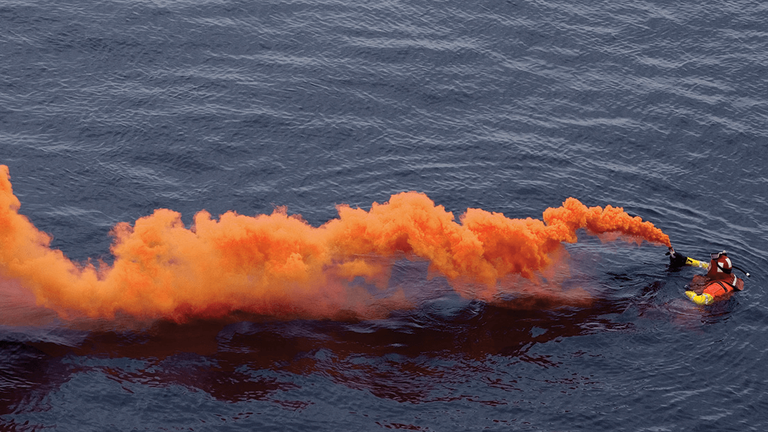
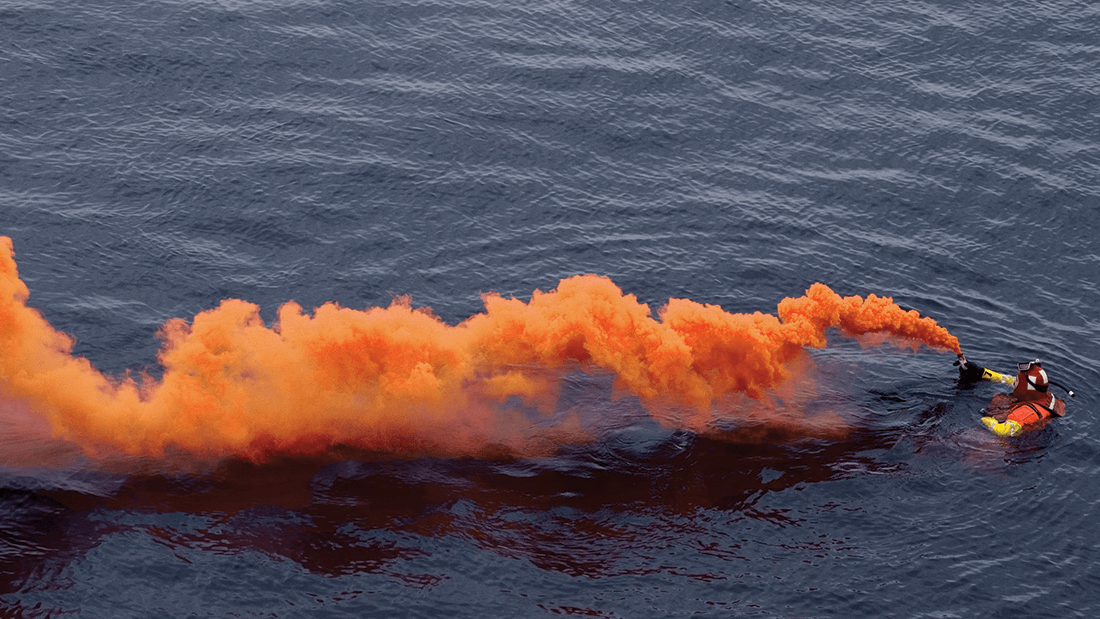
- Type D are smoke flares (buoyant or handheld) and are best for daytime use (especially when using an eVDSD). These flares produce a dense orange smoke for approximately three minutes.
- Type C are red torches best used for close signaling when rescuers are nearby.
- Type B flares are less common than other pyrotechnic flare types, and they're less useful for new boaters. These multi-star flares fire multiple short-burning red stars.
Other Considerations
Regardless of the flare type you choose, be sure to learn Transport Canada regulations before you boat—especially if your vessel is longer than six metres.
Additionally, flare safety is critical. Learn how to use them and read the instructions in advance, and store flares in a cool, dry, accessible location away from children.
Stay Flare Compliant With Boater Education
Flare kits are an essential component of any boating equipment. While having the right boat flare gun kit on board is important, responsible boaters also know about other safety equipment and what to do in emergencies.
To enhance your knowledge of boating safety, keep yourself and others safe on the water, and meet the boater education requirements for Transport Canada or your U.S. state, head to BOATERexam to take the online course!
Meet Transport Canada's or your U.S. state's requirements for boater education before hitting the water!


Frequently Asked Questions (FAQs)
We have answers to the top questions about boat flare kits.
Q: What are the Canadian-approved flares?
A: In Canada, approved flares are Transport Canada–approved pyrotechnic distress signals marked with a TC approval. The common types are: Type A (rocket parachute flares), Type B (multi-star flares), Type C (hand-held flares), and Type D (smoke signals for daytime use).
Q: What type of flares do I need on my boat?
A: Most pleasure craft must carry at least six approved pyrotechnic distress signals of Type A, B, or C, or a combination of them. Smoke flares (Type D) are optional and mainly for daytime visibility. Some small boats in specific conditions (e.g., under 6 metres and operating only in daylight) may use approved alternatives instead of flares.
Q: How long are boat flares good for in Canada?
A: Boat flares are valid for 4 years from the date of manufacture. After that, they’re considered expired and must be replaced to meet legal requirements.